H22A2 Engine
- Engine
- 2156 cm3
- Aspiration
- Naturally aspirated engine
- Fuel
- Petrol (Gasoline)
- Fuel injection system
- Multi-port manifold injection
- Power
- 185 hp @ 6800 rpm
- Torque
- 215 Nm @ 5300 rpm
- Cylinders
- 4
- Valves
- 16, 4 per cylinder
- Cylinders position
- Inline
- Valvetrain
- DOHC
- Oil capacity
- 4.8 l
# Vehicles powered by this engine
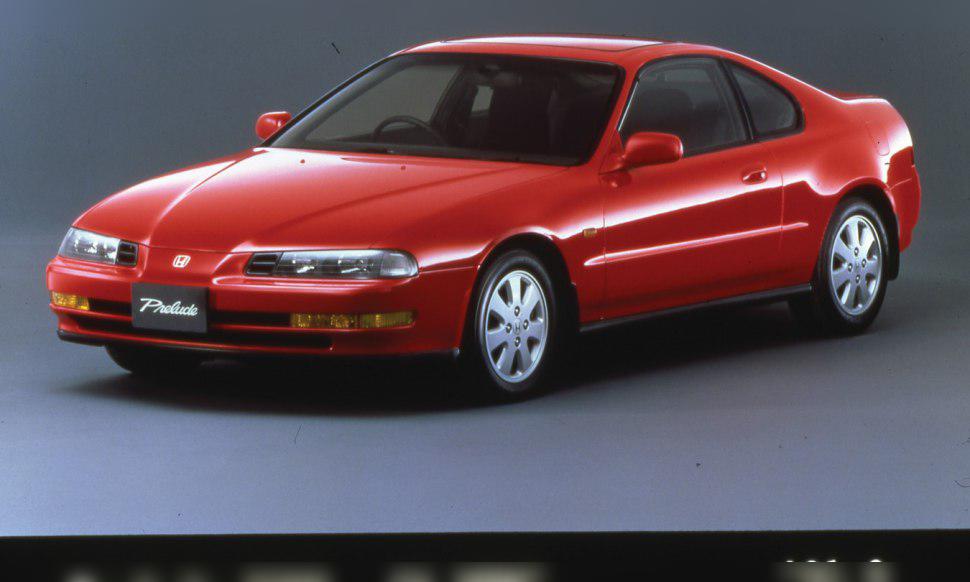
Honda H22A2 2.2 VTEC: Experiences, issues, fuel consumption and maintenance of the legendary engine
Key points in short (TL;DR)
- VTEC character: This is an old-school engine – calm at low revs and wild at high revs (over 5,000 rpm).
- Oil consumption: Due to specific FRM cylinder liners and the VTEC system, oil consumption is common, but it doesn’t necessarily mean the engine is done.
- Sensitive timing: It has two belts (timing belt and balance shaft belt). The hydraulic tensioner can fail, which may be fatal.
- No expensive “modern” failures: No dual-mass flywheel, no turbo, no DPF, no direct injection.
- Gearbox: The manual gearbox is a masterpiece of precision, while the automatic should be avoided as it “kills” this engine’s performance.
- Recommendation: An engine for enthusiasts who know what regular oil level checks are and don’t skimp on quality servicing.
Contents
- Introduction and Models
- Technical Specifications
- Reliability and Maintenance
- Specific Parts and Costs
- Fuel Consumption and Performance
- Additional Options and Modifications
- Gearbox
- Used car buying tips and Conclusion
Introduction
The Honda H22A2 is one of those engines that defined the “golden era” of Japanese engineering in the 1990s. It was installed primarily in the 4th generation Honda Prelude (BB1 chassis), and this 2.2-liter unit represented the top of the range on the European market before the Type-R philosophy became widely available. What makes it special is the VTEC system (Variable Valve Timing and Lift Electronic Control), which gives this relatively large four-cylinder a dual personality: a smooth cruiser up to 5,000 rpm and a racing machine all the way to the redline at 7,400+ rpm. Today it is a sought-after classic, but age and mileage take their toll, so buying one requires caution.
Technical Specifications
| Specification | Data |
|---|---|
| Displacement | 2156 cc (2.2 L) |
| Power | 136 kW (185 hp) @ 6800 rpm |
| Torque | 215 Nm @ 5300 rpm |
| Engine code | H22A2 |
| Injection type | PGM-FI (Multi-point indirect injection) |
| Induction | Naturally aspirated with VTEC |
| Configuration | Inline 4-cylinder, DOHC, 16 valves |
Reliability and Maintenance
Timing belt or chain?
The H22A2 engine uses a timing belt. However, the situation here is specific because the engine has two belts: one large belt that drives the camshafts and a smaller one for the balance shafts. Failure of either belt can lead to catastrophe (piston-to-valve contact). Also, H22 engines are known for their problematic automatic hydraulic belt tensioner, which can lose tension over time. Many enthusiasts proactively convert to a manual tensioner from the H23 engine for safety.
Most common failures
Although the mechanicals are robust, age takes its toll. The most common issues include:
- Oil consumption (FRM liners): The H22 uses specific fiber-reinforced metal cylinder walls (FRM – Fiber Reinforced Metal). They are hard, but if poor-quality piston rings are used or the engine overheats, the cylinders can go out of round, leading to increased oil consumption.
- Oil leaks: Typical spots are the camshaft seal, VTEC solenoid gasket and crankshaft seal. If you see oil around the distributor, that’s a common sign of a worn O-ring.
- VTEC solenoid: The screen in the VTEC solenoid can clog up with deposits from poor-quality oil, which results in VTEC not engaging (no “VTEC kick”).
- Distributor: The bearing inside the distributor can fail, which can be heard as squealing or can cause ignition issues.
- EGR valve: The intake manifold passages can clog up with soot from the EGR valve, causing rough running and a “flat spot” when you press the throttle.
Major service and spark plug replacement
A major service is recommended every 80,000 to 100,000 km or every 5 years, whichever comes first. Due to the age of these cars, shortening the interval to 80,000 km is advisable. Both belts must be replaced, along with all tensioners, idler pulleys and the water pump.
Spark plugs should be replaced every 20,000 to 40,000 km if they are standard copper plugs (which these Hondas prefer), or up to 100,000 km if you use iridium plugs (NGK is the factory recommendation and the best choice). Experimenting with other brands is not recommended.
Oil: Capacity and Consumption
The engine takes approximately 4.8 to 5.0 liters of oil with the filter. The recommended viscosity is 5W-40 or 10W-40 (quality synthetic or semi-synthetic). Due to the high revs, oil quality is crucial.
Does it consume oil? Yes. H22 engines are known for this. Consumption of up to 0.5 liters per 1,000 km is often considered “acceptable” for high-mileage engines that are regularly driven in VTEC. If it uses a liter per 1,000 km in normal driving, the engine is ready for a rebuild (rings and machining).
Specific Parts and Costs
Dual-mass flywheel and clutch
Good news: This engine does not have a dual-mass flywheel. It uses a conventional solid flywheel. This means clutch kit replacement is significantly cheaper than on modern diesels. A clutch kit (pressure plate, disc, release bearing) is moderately priced (not expensive), but labor costs can vary depending on access.
Fuel injection system and injectors
It uses a classic PGM-FI system with multi-point indirect injection. The petrol injectors on this engine are extremely durable and rarely cause problems. If issues do arise, ultrasonic cleaning usually solves them. There are no expensive high-pressure fuel pumps.
Turbo, DPF, EGR, AdBlue
The engine is naturally aspirated, so it does not have a turbocharger, which eliminates a major concern and expense. As a 1990s vehicle (Euro 1/Euro 2 standard), it does not have a DPF filter or an AdBlue system. It does have an EGR valve which, as mentioned, often clogs and requires cleaning (cleaning is cheap, but time-consuming because the intake manifold passages must be cleaned as well).
Fuel Consumption and Performance
Real-world fuel consumption
This is not an economical engine. It’s a 2.2-liter old-school petrol engine.
- City driving: Expect between 11 and 13 l/100 km. If you have a heavy right foot, it can easily go over 14 liters.
- Highway / open road: It can go down to around 7.5–9 l/100 km with moderate driving.
Performance and “sluggishness”
The engine is absolutely not sluggish. With 185 hp in a Honda Prelude body (weighing around 1,300 kg), the car is very lively. Up to 5,000 rpm it behaves like a standard 2.2 engine with decent torque for city driving, but the real fun starts when VTEC kicks in. Throttle response is instant, typical of naturally aspirated engines.
Highway driving
The gearbox has relatively short ratios for better acceleration. At 130 km/h in fifth gear, the engine spins at about 3,800 to 4,000 rpm. This means the engine is always ready to overtake without downshifting, but cabin noise is higher than in modern cars with 6-speed gearboxes.
Additional Options and Modifications
LPG conversion
Is it suitable? Conditionally YES. Honda engines have somewhat “softer” valve seats. If LPG is installed, a quality sequential system with a precise map is mandatory, and a valve lubrication system is recommended (“drip” or electronic additive). Also, H22 engines do not tolerate a lean mixture, as it raises combustion temperatures and can damage the sensitive FRM liners. The savings can be significant due to fuel consumption, but there is risk if the installer is not highly competent.
Chip tuning (Stage 1)
On naturally aspirated petrol engines, “Stage 1” chip tuning brings negligible gains (maybe 5–8 hp), which you will barely feel in real driving. Lowering the VTEC engagement point (to activate earlier) is a popular modification, but it requires serious remapping (Hondata and similar solutions). A better investment is a quality intake and exhaust system to improve the engine’s “breathing”.
Gearbox
Manual vs Automatic
Two options were available with the H22A2:
- Manual (5-speed): Codes like M2F5. This is one of the best gearboxes of its time. The throws are short, precise, and the mechanical feel is fantastic.
- Automatic (4-speed): A classic torque-converter automatic. To be avoided. These gearboxes are slow, “steal” a lot of power from the engine, increase fuel consumption and are not known for great longevity, especially if not regularly serviced.
Gearbox issues and maintenance
- Manual: The most common issue is grinding when engaging 5th gear or reverse (synchros), usually due to aggressive driving. The gearbox oil (Honda MTF – Manual Transmission Fluid) should be changed every 40,000 to 60,000 km. This gearbox takes about 2 liters of oil.
- Automatic: Jerking during gear changes and slipping are signs of the end. Rebuilds are expensive (very expensive).
Buying used and Conclusion
When buying a Honda Prelude with the H22A2 engine, it is crucial to check the following:
- Blue smoke from the exhaust: Have someone drive behind you while you accelerate hard at high revs. Blue smoke is a sure sign that the piston rings or valve stem seals are bad (FRM damage), which is an expensive repair.
- VTEC engagement: The engine must clearly change sound and character at around 5,000–5,200 rpm. If there is no such change, there is a problem with oil pressure or the solenoid.
- Idle quality: It should be smooth. Fluctuating idle (“hunting idle”) indicates a dirty IACV valve or an air leak in the intake system.
- Rust: Although not part of the engine, the rear arches on the Prelude are notorious for rust.
Conclusion: The H22A2 is an engine for true driving enthusiasts. It is not the cheapest to run due to fuel consumption and the need for quality oil, but it delivers a smile on your face that modern turbo engines can hardly replicate. If you find a manual example that doesn’t burn blue – buy it, because prices are only going up.
Was this content useful to you?
Your opinion helps us to improve the quality of the content.