J35A9 Engine
- Engine
- 3471 cm3
- Aspiration
- Naturally aspirated engine
- Fuel
- Petrol (Gasoline)
- Fuel injection system
- Multi-port manifold injection
- Power
- 247 hp @ 6300 rpm
- Torque
- 339 Nm @ 4500 rpm
- Cylinders
- 6
- Valves
- 24, 4 per cylinder
- Cylinders position
- V-engine
- Valvetrain
- DOHC
- Oil capacity
- 4.3 l
- Coolant
- 6.2 l
# Vehicles powered by this engine
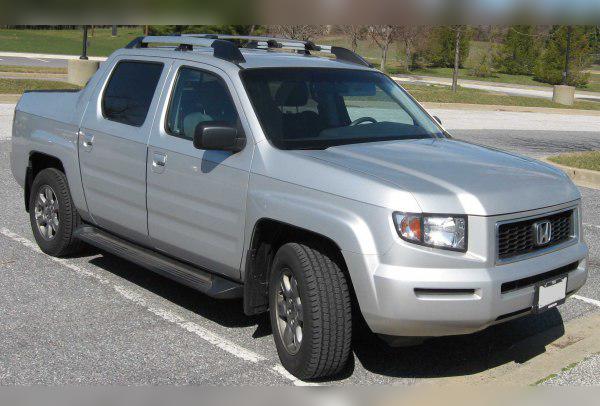
Honda J35A9 3.5 V6 – Experiences, Issues, Fuel Consumption and Maintenance
Honda’s J-series engines are considered one of the most respected V6 configurations in the world. Specifically, the J35A9 is the powerplant that drives the first generation of the Honda Ridgeline. This is a classic representative of the “old school” – large displacement, naturally aspirated, with a focus on longevity and torque necessary for a heavier vehicle. Although these engines are often described as “bulletproof”, they require specific maintenance that must not be ignored, especially when it comes to the timing and cooling systems.
In short, the most important points (TL;DR)
- Timing drive: Uses a timing belt, not a chain. Replacement is a critical and expensive maintenance item.
- Biggest risk: Corrosion of the transmission oil cooler fittings (integrated into the main radiator), which can lead to coolant mixing with transmission fluid (the so‑called “Strawberry Milkshake of Death”).
- Fuel consumption: High. Expect double‑digit consumption in almost all driving conditions.
- Valves: Require mechanical adjustment (valve lash check) at specific mileage intervals.
- Transmission: The automatic transmission is robust but sensitive to fluid quality and overheating.
- Recommendation: An extremely refined and powerful engine that can cover hundreds of thousands of kilometers with regular maintenance, ideal for those who don’t put fuel economy first.
Contents
- Technical Specifications
- Reliability and Maintenance
- Specific Parts and Costs
- Fuel Consumption and Performance
- Additional Options and LPG
- Transmission: Issues and Maintenance
- Used‑Car Buying Tips and Conclusion
Technical Specifications
| Parameter | Data |
|---|---|
| Engine code | J35A9 |
| Displacement | 3471 cc (3.5 L) |
| Configuration | V6, SOHC VTEC |
| Power | 182 kW (247 hp) @ 5750 rpm |
| Torque | 339 Nm @ 4500 rpm |
| Injection type | Multi‑point (Port fuel injection) |
| Aspiration | Naturally aspirated |
| Recommended oil | 5W-20 or 5W-30 (depending on climate) |
Reliability and Maintenance
Timing belt or chain?
This is the most important technical question for owners. The J35A9 engine uses a timing belt. It is an interference engine, which means that if the belt snaps, the pistons will hit the valves and the engine will suffer catastrophic damage.
Recommendation: The major timing service must be done strictly on time. Along with the belt, you must replace the tensioner, idler pulleys and the water pump (which is driven by the same belt).
Most common issues
Although it is mechanically very durable, there are a few areas to watch out for:
- Oil leaks: Most commonly from the VTEC spool valve gasket or the crankshaft seal. If you notice oil on the alternator, it’s a sign that the gasket above it is leaking, which can destroy the alternator.
- Valve adjustment: The Honda J‑series does not have hydraulic lifters. This means valve lash must be checked and adjusted mechanically. If you hear a characteristic “ticking” when the engine is cold, it’s time for an adjustment.
- Engine mounts: Due to the high torque and the heavy Ridgeline body, the hydraulic engine mounts tend to fail and are not cheap to replace.
Service intervals and oil
Major timing service: Recommended every 100,000 to 120,000 km or every 6–7 years, whichever comes first. Do not take risks with cheap parts; use OEM or high‑quality aftermarket kits (e.g. Aisin, which often supplies factory parts).
Oil quantity and type: The engine takes about 4.3 to 4.5 liters of oil with the filter. The recommended viscosity is 5W-20, although in warmer climates or on higher‑mileage engines, 5W-30 is often used.
Oil consumption: The J35A9 is not known as a heavy oil burner, unlike some newer versions with aggressive cylinder deactivation systems (VCM). Consumption of up to 0.5 liters per 10,000 km is acceptable, but anything above that points to worn piston rings or valve stem seals.
Spark plugs: Iridium or platinum plugs are used (NGK or Denso). Replacement intervals are long, usually around 100,000 km.
Specific Parts (Costs)
Fuel injection system and injectors
The engine uses classic MPI (Multi‑Point Injection) into the intake manifold. This is excellent news for used‑car owners. The injectors are extremely durable, rarely fail and are not as sensitive to fuel quality as those on direct‑injection engines. Injector cleaning is rarely needed before 200,000 km.
Dual‑mass flywheel and turbo
The J35A9 does not have a dual‑mass flywheel in the sense that diesel engines with manual gearboxes do, because it comes exclusively with an automatic transmission that uses a hydraulic torque converter. The engine also does not have a turbocharger, which eliminates a whole range of potentially expensive failures (turbo rebuilds, intercooler, hoses).
Emissions equipment (EGR, DPF, AdBlue)
As a gasoline engine, it does not have a DPF filter or AdBlue system. It is equipped with an EGR valve for exhaust gas recirculation. Over time, the EGR passages in the intake manifold can clog with soot, which leads to a “Check Engine” light and rough running. Cleaning the passages is a relatively simple procedure. Catalytic converters are present and can be expensive to replace if they fail (very expensive, depending on the market).
Fuel Consumption and Performance
Real‑world fuel consumption
Let’s be honest – this is not an economical engine.
- City driving: Expect between 15 and 18 liters/100 km. In heavy traffic and winter conditions, this can go up to 20 liters.
- Highway: With a light right foot, it’s possible to get down to 10 to 12 liters/100 km.
- Combined: A realistic average for most drivers is around 13–14 l/100 km.
Performance and “laziness”
With 247 horsepower and 339 Nm of torque, the engine is not lazy. On the contrary, the Honda Ridgeline with this engine accelerates linearly and confidently. The VTEC system allows the engine to “breathe” freely at higher rpm, which makes overtaking easier. Still, keep in mind that the vehicle weighs around 2 tons, so the feeling is not sporty but more like strong, “truck‑like” pull.
On the highway: The engine cruises effortlessly. At 130 km/h, revs are usually around 2,500 rpm (in top gear), which makes for quiet and comfortable driving.
Additional Options and Modifications
LPG conversion
Can it run on LPG? Yes, absolutely. Because of the high fuel consumption, this is a common modification.
Warning: Honda cylinder heads are sometimes more sensitive to the higher combustion temperatures of LPG (so‑called “soft valves”). It is essential to install a quality sequential system, check valve lash regularly (more often than on gasoline, e.g. every 30–40k km) and consider a valve lubrication system (valve saver), although opinions on its effectiveness vary.
ECU remap (Stage 1)
Since this is a naturally aspirated engine, an ECU remap doesn’t make much sense. The power gain would be negligible (maybe 5–10 hp), which you won’t feel in everyday driving. It’s better to invest that money in proper maintenance and fresh fluids.
Transmission
Type of transmission
The J35A9 in the Honda Ridgeline comes exclusively with a 5‑speed automatic transmission. Manual gearboxes are not an option for this engine/vehicle combination.
Transmission issues and maintenance
Honda’s 5‑speed automatics from this era are generally reliable, but they have one fatal flaw related to cooling:
- SMOD (Strawberry Milkshake of Death): The transmission cooler line that runs through the lower part of the main engine radiator can corrode and rupture. When that happens, engine coolant mixes with transmission fluid, creating a pink emulsion. This destroys the transmission almost instantly and requires a complete rebuild or replacement of both the transmission and the radiator. This is expensive (very expensive, depending on the market).
- Prevention: Many owners proactively replace the radiator or install an external transmission oil cooler to physically separate the systems.
- Service: Transmission fluid should be changed using the “drain and fill” method (not a high‑pressure machine flush) every 40,000 to 60,000 km. Use only genuine Honda DW‑1 fluid. These transmissions do not tolerate universal fluids.
Buying Used and Conclusion
Before buying a Honda Ridgeline with the J35A9 engine, pay attention to the following:
- Check all fluids: Open the radiator cap and the coolant reservoir. If you see traces of oil or “mayonnaise”, walk away. Also check the transmission dipstick – the fluid must be red and clear, not pink or brown, and it must not smell burnt.
- Engine noise: Listen to a cold start. Sharp metallic knocking can indicate the need for a valve adjustment or, in a worse case, damage to the camshaft (although this is rarer on this model).
- Timing belt history: If the seller has no proof of replacement, factor the cost of a full timing service into the purchase price from the start (expensive).
- Leaks: Inspect the engine from underneath, especially the junction between engine and transmission (crankshaft rear main seal) and around the power steering pump.
Conclusion:
The J35A9 is a fantastic engine for people who want reliability and power and are willing to pay for it through higher fuel consumption. Its simple design (no turbo, no direct injection) means fewer headaches in the long run. However, its Achilles’ heel is not the engine itself, but the transmission cooling system. If you address that potential problem and replace the timing belt regularly, this engine will serve you for hundreds of thousands of kilometers.
Was this content useful to you?
Your opinion helps us to improve the quality of the content.