K24A Engine
- Engine
- 2354 cm3
- Aspiration
- Naturally aspirated engine
- Fuel
- Petrol (Gasoline)
- Fuel injection system
- Multi-port manifold injection
- Power
- 162 hp @ 5500 rpm
- Torque
- 220 Nm @ 4500 rpm
- Cylinders
- 4
- Valves
- 16, 4 per cylinder
- Cylinders position
- Inline
- Valvetrain
- DOHC
- Oil capacity
- 4.2 l
# Vehicles powered by this engine
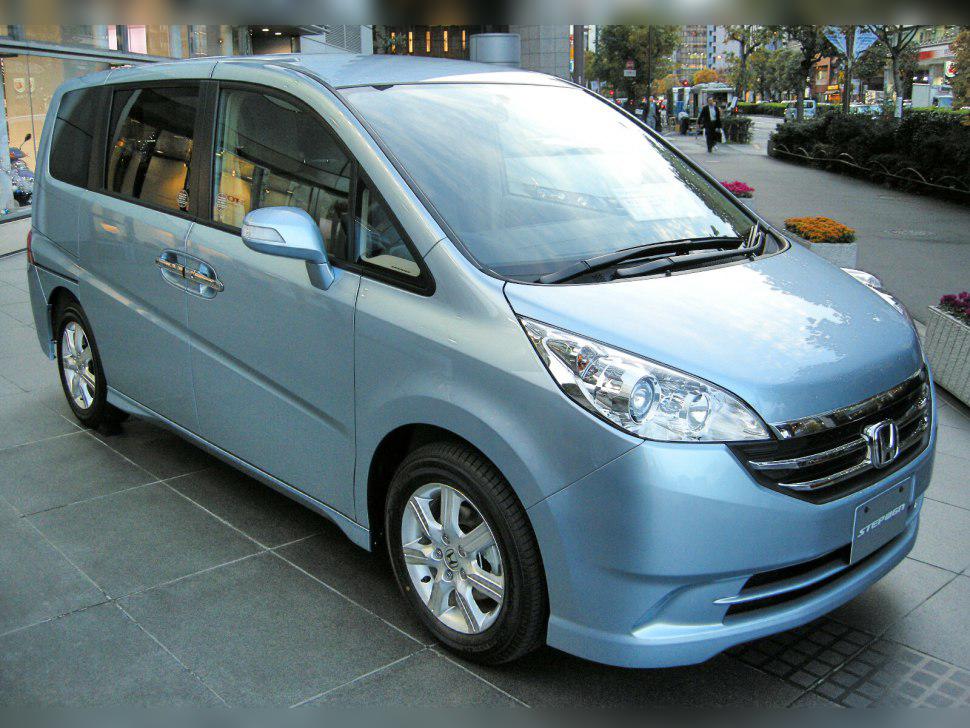
Honda K24A (162 HP): Ownership Impressions, Issues, Fuel Consumption and Buying Used
The Honda K-series engines are considered one of the best engineering platforms to come out of Japan in the last two decades. Specifically, the K24A variant with 162 HP (often found in models like the Honda Stepwgn, as well as some CR‑V and Accord versions for specific markets) is the “workhorse” of this family. Unlike its sportier relatives (such as the K20 in Type‑R models), this engine is tuned for torque, comfort and longevity. Still, like any machine, it has its quirks you should know about before buying.
Key points in short (TL;DR)
- Timing drive: Uses a chain, which is very reliable but not eternal.
- Oil consumption: Older units tend to “drink” oil, especially if driven hard or poorly maintained (piston rings).
- VTC actuator: A characteristic metallic grinding/rattling noise on cold start is a common issue.
- Fuel consumption: In a heavy body like the Stepwgn, city fuel consumption is high.
- Valves: Requires manual valve adjustment (no hydraulic lifters) every 40,000–50,000 km.
- Maintenance: Generally affordable, parts are available, but it needs quality oil and regular attention.
- Recommendation: An excellent choice for families who value reliability over low fuel consumption.
Contents
- Technical Specifications
- Reliability and Maintenance
- Specific Components and Costs
- Fuel Consumption and Performance
- Additional Options and Modifications (LPG)
- Gearbox
- Buying Used and Conclusion
Technical Specifications
| Parameter | Value |
|---|---|
| Engine code | K24A (low-compression variant) |
| Displacement | 2354 cc |
| Power | 119 kW (162 HP) @ 6000 rpm |
| Torque | 220 Nm @ 3600 rpm |
| Injection type | MPI (Multi-Point Injection) – Indirect |
| Induction | Naturally aspirated |
| Number of cylinders/valves | 4 / 16V (DOHC i-VTEC) |
Reliability and Maintenance
Does this engine use a timing belt or a chain?
The K24A engine uses a timing chain. That’s good news because it doesn’t require regular replacement like a belt. However, the chain can stretch after 200,000+ km, especially if the engine has been run low on oil or if oil changes were neglected. A stretched chain will trigger the “Check Engine” light (camshaft/crankshaft correlation error) and cause a metallic rattling noise from the passenger side of the engine bay.
What are the most common issues with this engine?
Although very reliable, pay attention to the following:
- VTC actuator (cam phaser): The most well-known problem. On cold start you can hear a short, sharp grinding/rattling noise for 1–2 seconds. This means the oil drains out of the actuator while the car is parked. Although annoying, it rarely leads to immediate catastrophic failure, but the actuator should be replaced.
- Oil leaks: Most commonly from the VTEC spool valve gasket (at the back of the engine) and the front crankshaft seal. These are cheap rubber parts, but labor can be costly.
- Camshaft wear: On very high-mileage engines with poor maintenance, the lobes on the exhaust camshaft can get damaged (“eaten away”).
- Knock sensor: Often fails, which turns on the check engine light and slightly reduces performance.
At what mileage should the major service be done?
Since it has a chain, a classic “major timing service” is not done preventively at a fixed mileage like with a belt. Still, at around 200,000 km it’s recommended to thoroughly check the chain, tensioner and guides. The water pump and accessory (serpentine) belt are replaced as needed, usually around 100,000–120,000 km.
How many liters of oil does this engine take and which viscosity is recommended?
The sump holds approximately 4.2 to 4.5 liters of oil (with filter). Honda recommends 0W‑20 or 5W‑30 for this engine. For older engines and hotter climates (summers in Southern Europe), 5W‑30 or 5W‑40 are a better choice for protection. Always use fully synthetic oil.
Does it consume oil between services?
Yes, this is common with higher‑mileage K24 engines. Consumption of up to 0.5 liters per 1,000 km is often (unfortunately) considered “within normal limits” in Honda owner’s manuals, but realistically, a healthy engine should not use more than 1 liter per 10,000 km. The usual cause of increased consumption is oil control rings that have stuck due to carbon buildup.
At what mileage should the spark plugs be replaced?
This engine uses iridium spark plugs (NGK or Denso as OEM). Their replacement interval is long, usually at 100,000 to 120,000 km. Don’t cheap out on plugs; install exactly the ones specified by the factory.
Specific Components (Costs)
Does this engine have a dual-mass flywheel?
That depends on the gearbox. Since the third‑generation Honda Stepwgn with this engine was almost exclusively sold with a automatic transmission, it does not have a dual‑mass flywheel, but uses a torque converter instead. That’s a big saving in maintenance.
What kind of fuel injection system does it have?
The K24A (162 HP) uses a conventional MPI (Multi-Point Injection) system with injection into the intake manifold. The injectors are extremely reliable, not as sensitive to fuel quality as direct injection (GDI/FSI) and are cheap to clean or replace. (Cleaning cost: Not expensive).
Does this engine have a turbocharger?
No. This is a naturally aspirated engine. No turbo, no intercooler, no issues with boost hoses popping off or turbocharger overhauls. The intake system’s service life is practically unlimited.
Does it have a DPF filter or an EGR valve?
There is no DPF filter (it’s a petrol engine) and no AdBlue system. However, it does have an EGR valve (exhaust gas recirculation). The EGR can clog with soot, causing rough idle or weaker throttle response. Cleaning is relatively simple and inexpensive.
Fuel Consumption and Performance
What is the real-world city fuel consumption?
Let’s be honest: a 2.4‑liter engine in a body like the Honda Stepwgn (tall and heavy) means high consumption. In pure city driving, expect between 11 and 14 liters per 100 km. In winter or heavy stop‑and‑go traffic, this can easily reach 15 liters. This is not a city fuel‑saver engine.
Is this engine “lazy” for such a heavy car?
No, quite the opposite. The K24A is known for good low‑ and mid‑range torque (thanks to the i‑VTEC system, which here is tuned for torque optimization rather than peak power). With 220 Nm, the engine copes with the Stepwgn’s weight very well, even when the car is fully loaded. It’s no sports car, but it’s not sluggish either.
How does it perform on the highway?
On the highway the engine is very relaxed. At 130 km/h, thanks to the long gearing of the automatic transmission, it runs at relatively low revs (around 2500–2800 rpm, depending on the gearbox). Fuel consumption on the open road drops to a more acceptable 8 to 9.5 liters per 100 km. It is quiet and refined.
Additional Options and Modifications
Is this engine suitable for LPG conversion?
Yes, but with great caution. Honda engines generally have “soft” valve seats. LPG installation is possible and can pay off due to the high petrol consumption, but a valve lubrication system (Flashlube) or a system that periodically injects petrol for valve cooling is mandatory. Even more importantly: valve clearance must be checked more frequently, every 20,000–30,000 km. If you neglect this, the valves will recess into the seats, leading to an expensive cylinder head repair.
How much can this engine be safely tuned (Stage 1)?
On naturally aspirated petrol engines, “chip tuning” (remap) brings negligible gains. You can expect maybe 5 to 8 HP and a slightly better throttle response, but this hardly justifies the cost (depending on the market, usually 150–300 EUR). It’s better to invest that money in quality maintenance.
Gearbox
Which gearboxes are fitted?
With the third‑generation Honda Stepwgn and this engine (K24A), you most commonly get a conventional automatic gearbox with 4 or 5 speeds (depending on model year and whether it’s a facelift). Manual gearboxes are rare in this body/engine combination.
Gearbox issues and maintenance
Honda automatic transmissions from this period are robust but require specific maintenance.
Most common issues: Jerking when shifting from first to second gear or slipping if the oil has not been changed.
Service: Transmission fluid should be changed every 40,000 to 60,000 km.
IMPORTANT: Use only genuine Honda fluid (ATF‑Z1 or the newer ATF‑DW1). Universal fluids can permanently damage the gearbox. The change is partial (about 3 liters are drained and refilled), never a full machine flush under pressure.
Buying Used and Conclusion
When buying a used Honda with the K24A engine, pay attention to:
- Cold start: Insist that the engine is completely cold. Listen for a “krrr” sound in the first 2 seconds (VTC actuator).
- Oil: Check the oil level. If it’s at minimum or below, that’s a bad sign (oil consumption). Look for black smoke from the exhaust at high revs.
- Idle: The engine should idle smoothly. Vibrations can indicate the need for a valve adjustment or worn engine mounts (which are hydraulic and expensive).
Conclusion: The 162 HP K24A is an old‑school engine – simple, strong and built to last. Its biggest downside is city fuel consumption. It’s intended for drivers who need a reliable family hauler and are willing to pay a bit more for fuel in exchange for peace of mind regarding mechanical failures. If you find a well‑maintained example, it will serve you for hundreds of thousands of kilometers.
Was this content useful to you?
Your opinion helps us to improve the quality of the content.