D4FD Engine
- Engine
- 1685 cm3
- Aspiration
- Turbocharger, Intercooler
- Fuel
- Diesel
- Fuel injection system
- Diesel Commonrail
- Power
- 115 hp @ 4000 rpm
- Torque
- 255 Nm @ 1250-2500 rpm
- Cylinders
- 4
- Valves
- 16, 4 per cylinder
- Cylinders position
- Inline
- Valvetrain
- DOHC
- Oil capacity
- 5.3 l
- Coolant
- 8.5 l
- Systems
- Particulate filter
# Vehicles powered by this engine
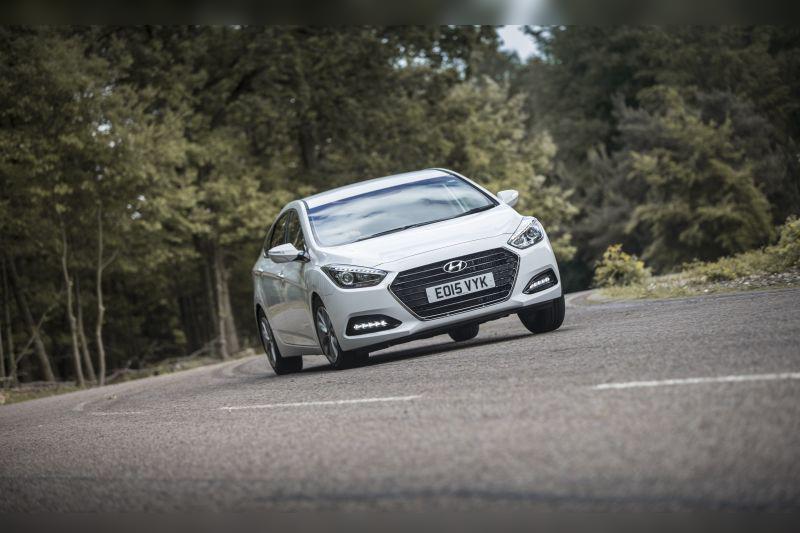
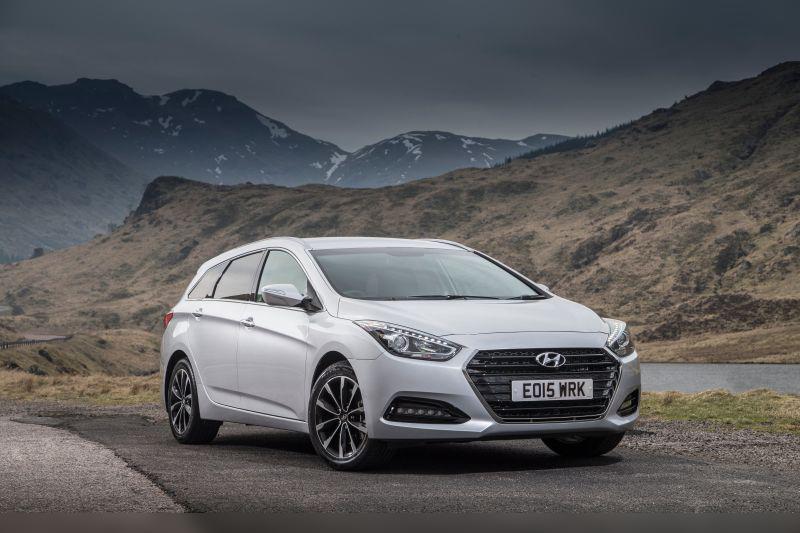



1.7 CRDi (D4FD) - Experiences, issues, fuel consumption and maintenance
Key points in short (TL;DR)
- Timing drive: Uses a timing chain, which is generally durable, but it’s wise to check for rattling noise on cold start after around 150,000 km.
- Power: With 115 hp and 255 Nm, this engine is “on the edge” for heavier models like the i40 and Sportage. Lack of power is noticeable when overtaking.
- Emissions: The DPF and EGR valve are sensitive to city driving. Newer models (Euro 6) may also have an AdBlue system.
- Clutch: Equipped with a dual-mass flywheel, whose replacement is one of the bigger maintenance expenses.
- Potential: The engine is software “detuned”. It is very suitable for a Stage 1 remap, which unlocks the power of the stronger versions (136/141 hp).
- Recommendation: An excellent choice for drivers who cover a lot of highway mileage and prioritize economy over sporty performance.
Contents
- Introduction and applications
- Technical specifications
- Reliability and maintenance
- Specific parts and costs
- Fuel consumption and performance
- Additional options and modifications
- Gearbox and drivetrain
- Used car tips and conclusion
Introduction and applications
The engine designated as D4FD belongs to Hyundai/Kia’s “U2” family of diesel units. It was designed to fill the gap between the smaller 1.6 CRDi and the larger 2.0 CRDi engines. Its primary purpose was to offer solid torque with lower fuel consumption and cheaper registration (in countries where tax is based on displacement up to 2.0 liters).
In the 115 hp (85 kW) version, this engine is the “entry-level” diesel option for fairly heavy bodies such as the Hyundai i40 and Kia Sportage. Although it’s no racer, this unit is known for its refinement and quieter operation compared to older generations of diesels.
Technical specifications
| Parameter | Value |
|---|---|
| Engine code | D4FD (U2 family) |
| Displacement | 1685 cc (1.7 L) |
| Power | 85 kW (115 hp) at 4000 rpm |
| Torque | 255 Nm at 1250–2750 rpm (varies slightly by model) |
| Injection type | Common Rail (Bosch, up to 1800 bar) |
| Forced induction | Variable-geometry turbocharger (VGT) + intercooler |
| No. of cylinders/valves | 4 cylinders / 16 valves (DOHC) |
Reliability and maintenance
Timing system: Chain or belt?
The D4FD engine uses a timing chain (actually two chains – one drives the pumps, the other the camshafts). In theory this is a “lifetime” component, but in practice that means 200,000+ km. The chain is generally reliable, but if the oil is not changed regularly, it can stretch. The symptom is a metallic rattling noise on cold start that lasts a few seconds.
Most common issues
Although the engine is robust, owners most often encounter the following problems:
- Clogged EGR valve and EGR cooler: Manifests as loss of power and the “Check Engine” light coming on. The cause is soot from exhaust gases, especially with city driving.
- DPF differential pressure sensor: A frequent failure that falsely reports the DPF as full. A cheap fix, but annoying.
- Oil leakage at the timing cover: The sealant ages and fails over time, so the side of the engine can become oily.
- Start-stop system (ISG) issues: Often doesn’t work if the battery isn’t in perfect condition (AGM batteries are expensive).
Service intervals and oil
A minor service is recommended every 10,000 to 15,000 km or once a year. Factory intervals of 30,000 km are too long and should be avoided for the sake of the chain and turbo’s health.
- Oil capacity: The engine takes about 5.3 to 5.7 liters of oil (depending on sump and filter size).
- Viscosity grade: Mandatory 5W-30 with ACEA C3 specification (because of the DPF).
- Oil consumption: A healthy D4FD engine should not consume noticeable oil between services (up to 0.5 L per 10,000 km is acceptable). Increased consumption points to turbo or piston ring issues.
Injectors
The injection system (usually Bosch) is reliable. Injectors typically last over 200,000 - 250,000 km with good-quality fuel. Symptoms of bad injectors include rough idle, increased smoke and harder starting. Refurbishment is possible, but new injectors are expensive (depends on the market).
Specific parts (costs)
Dual-mass flywheel
Yes, this engine has a dual-mass flywheel. Since it is fitted in heavier vehicles and has decent torque, the dual-mass flywheel is there to reduce vibrations. Its lifespan is usually around 150,000 to 200,000 km, depending on driving style. Symptoms of failure are knocking when switching the engine off and vibrations in the clutch pedal.
Turbocharger
The engine uses a single VGT turbocharger (variable geometry). The turbo itself is durable with regular oil changes. The most common problem is not the turbo, but the actuator (vacuum or electronic) that controls the vanes. If the actuator sticks, the car loses power (“goes into limp mode”) or the turbo overboosts.
DPF, EGR and AdBlue
- DPF filter: Standard equipment. It clogs if the car is driven exclusively in the city. Regeneration is both passive and active.
- AdBlue: Models produced up to 2015 (Euro 5) generally do not have AdBlue. Models from 2015/2016 onwards (Euro 6), especially facelifted i40s and newer Sportage models, often have an SCR system with AdBlue fluid. Check if there is a blue cap next to the fuel filler. The system is sensitive to urea crystallization if the car sits unused for a long time.
Fuel consumption and performance
Is the engine “sluggish”?
To be realistic: Yes, the engine is somewhat “sluggish” for 1.5–1.7 ton bodies (such as the i40 estate or Sportage). With 115 hp, 0–100 km/h takes about 12–13 seconds. In town this is perfectly adequate, but on open roads, overtaking trucks or driving uphill with a full load requires downshifting and high revs.
Real-world fuel consumption
- City driving: Expect between 7.5 and 9.0 l/100 km. The heavy body in stop-and-go traffic takes its toll.
- Country roads: This is where the engine shines. Consumption drops to 5.0–6.0 l/100 km.
- Motorway (130 km/h): Consumption is around 6.5–7.5 l/100 km.
Motorway cruising
Thanks to the 6-speed gearbox, the engine is not stressed. At 130 km/h in 6th gear, it runs at about 2,200–2,400 rpm (depending on model and tyre size). The cabin is well sound-insulated, so the engine is not noisy at these speeds.
Additional options and modifications
Chip tuning (Stage 1)
This is one of the best investments for owners of 1.7 CRDi engines with 115 hp. Why? Because this engine is hardware-wise almost identical to the stronger 136/141 hp versions (same turbo, same injectors in most cases). The factory has limited it via software.
With a safe Stage 1 remap, power can be raised to 140–150 hp, and torque to over 320 Nm. This drastically changes the character of the car, makes overtaking easier and can even slightly reduce fuel consumption with normal driving. The risk to the engine is minimal if done by a professional tuner, but the clutch is subjected to higher loads.
Gearbox
Types of gearboxes
The 115 hp version most commonly comes with a 6-speed manual gearbox. There are also versions with automatic gearboxes (earlier a conventional automatic, later a 7-speed DCT dual-clutch), but these are more often paired with the more powerful engine versions (136/141 hp).
Issues and maintenance
- Manual gearbox: Very precise and reliable. No specific inherent failures. Gearbox oil should be changed every 60,000–80,000 km (recommended, even though the factory calls it “lifetime”).
- Clutch and flywheel: As mentioned, the clutch kit with dual-mass flywheel is a wear item. Replacement of the full kit (pressure plate, disc, release bearing, flywheel) falls into the category: Expensive (depends on the market).
- Automatic (if fitted): If you come across a DCT (dual-clutch) gearbox, be cautious. Dry clutches wear faster in city driving, and replacing the clutch pack on a DCT is very expensive.
Buying used and conclusion
Before buying a used car with the D4FD engine, pay attention to:
- Chain noise: Listen to the engine when it is completely cold. If you hear rattling for longer than 3–4 seconds after starting, the chain is due for replacement.
- Clutch: Try starting uphill. If the clutch bites very high or you feel vibrations in the pedal while the car is idling, the dual-mass flywheel is near the end of its life.
- Exhaust smoke: The exhaust tip should be clean (greyish), without black soot deposits. A black exhaust tip usually means the DPF has been removed or drilled through.
Conclusion
The 1.7 CRDi (115 hp) engine is a sensible choice for families and drivers who cover high annual mileage on open roads. It’s not a sports engine, but it is durable, relatively simple to maintain (compared to some competitors) and offers a good balance between fuel consumption and comfort. The main cost items to watch out for are the dual-mass flywheel and the DPF system.
Was this content useful to you?
Your opinion helps us to improve the quality of the content.