Ingenium / DT306 Engine
- Engine
- 2997 cm3
- Aspiration
- Turbocharger, Intercooler
- Fuel
- Diesel
- Fuel injection system
- Diesel Commonrail
- Power
- 249 hp @ 4000 rpm
- Torque
- 600 Nm
- Cylinders
- 6
- Valves
- 24, 4 per cylinder
- Cylinders position
- Inline
- Valvetrain
- DOHC
- Oil capacity
- 8.8 l
- Coolant
- 14.5 l
- Systems
- Start & Stop System, Particulate filter
# Vehicles powered by this engine




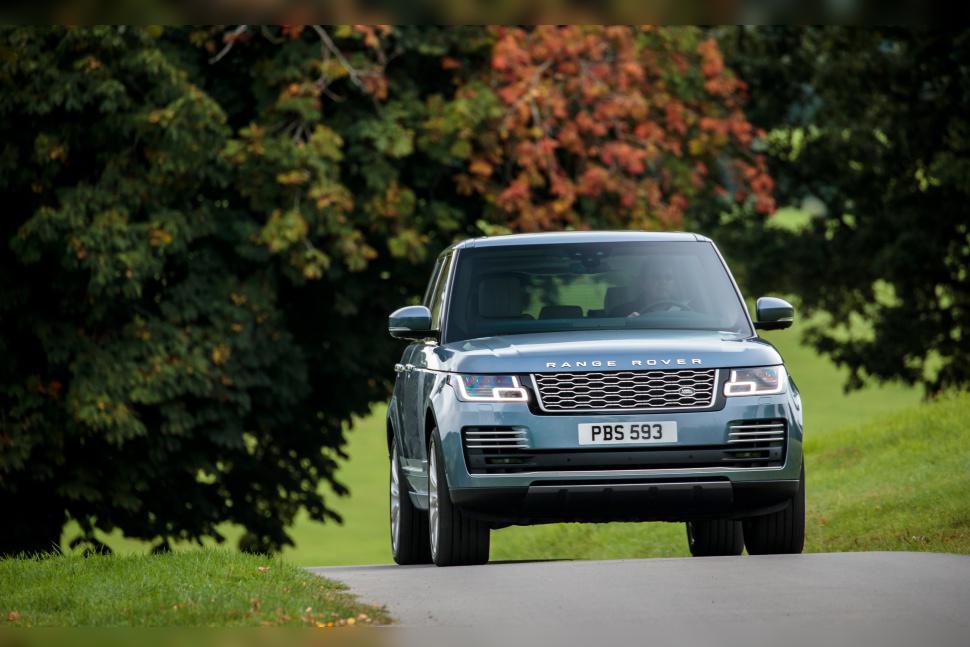
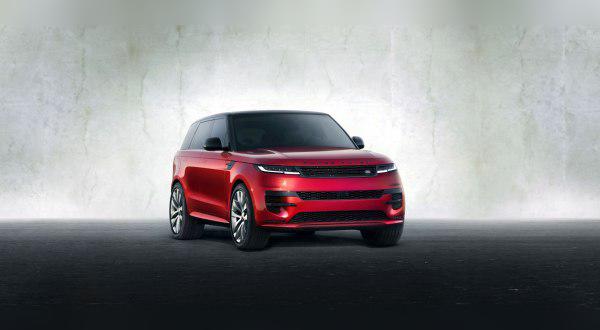
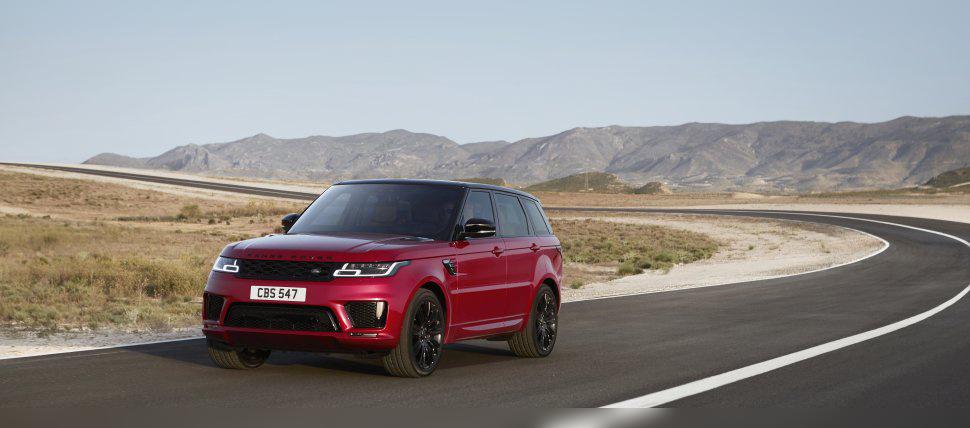
Key points in short (TL;DR)
- Modern inline-six: The Ingenium 3.0 (I6) replaced the old V6 engine; it offers a much smoother operation and better torque.
- MHEV Technology: All listed models use a 48‑volt “mild hybrid” system that helps with take-off and reduces turbo lag, but makes repairs more expensive.
- Timing chain: The engine uses a chain located at the rear of the engine (next to the gearbox), which makes any eventual replacement very expensive (gearbox or engine removal).
- Service intervals: Factory intervals of over 30,000 km are “death” for this engine. Oil must be changed every 10,000 – 15,000 km.
- Gearbox: Exclusively the ZF 8‑speed automatic – one of the best transmissions in the world, provided you change the oil in it.
- Fuel consumption: Although it’s a diesel, in heavy bodies (Defender, Range Rover) you should expect 11–13 liters in city driving.
- Recommendation: An excellent engine for cruising and towing, but it requires strict maintenance and a deep pocket for specific failures.
Contents
Ingenium 3.0 D250 (DT306) – Real-world experience, issues, fuel consumption and maintenance
When Jaguar Land Rover (JLR) decided to retire the famous but outdated Ford V6 diesel engine, a new series of Ingenium inline-sixes (I6) saw the light of day. The specific engine we’re talking about here carries the designation D250 (where the number denotes horsepower) and represents the entry ticket into the world of serious JLR powertrains.
This is not just “another diesel”. It is a technologically very complex 3.0‑liter unit supported by Mild Hybrid (MHEV) 48V technology. Its primary role is to power heavy cruisers such as the new Defender (L663), Discovery V and various iterations of the Range Rover. Unlike the smaller 2.0 Ingenium engine, which had catastrophic issues in the beginning, the 3.0 version is structurally more robust, but it comes with its own set of challenges typical for modern Euro 6d‑Final diesels.
Engine technical specifications
| Parameter | Value |
|---|---|
| Engine code | AJ300D / DT306 (Ingenium I6) |
| Displacement | 2997 cc (3.0 liters) |
| Configuration | Inline six-cylinder (Inline‑6) |
| Power | 183 kW (249 hp) @ 4000 rpm |
| Torque | 600 Nm @ 1250–2250 rpm |
| Fuel type | Diesel (Euro 6d) |
| Induction | Twin‑Turbo (sequential) + MHEV (48V) |
| Camshaft drive | Chain (rear‑mounted) |
| Oil capacity | Approx. 8.5 – 9.0 liters |
Reliability and Maintenance: Chain, Oil and Service
Does this engine have a timing belt or a chain?
The engine uses a timing chain. However, JLR engineers made the controversial decision to place the chain at the rear of the engine (between the engine and the gearbox). Although the chain on the 3.0 version is more robust than on the notorious early 2.0 versions, if it ever needs to be replaced (stretching, rattling), it is a very expensive job. It requires removing the engine or taking out the gearbox and, on some models, the entire front subframe. The symptom is a metallic rattle on cold start that lasts a few seconds.
What are the most common failures on this engine?
Although it is more reliable than the old V6 engines (no crankshaft failures like on the TDV6), the Ingenium 3.0 has its own weak spots:
- Oil dilution (fuel mixing with oil): Due to DPF regenerations that are interrupted (especially in city driving), diesel fuel seeps into the sump. This raises the oil level and thins it, which can lead to crankshaft bearing failure.
- Oil leaks: Often occur at turbocharger joints or at the timing chain cover.
- NOx sensors and AdBlue system: The exhaust aftertreatment system is overly sensitive. Failures of AdBlue fluid heaters or urea injectors are common and not cheap.
- MHEV system electronics: The 48‑volt battery and converter sometimes cause issues, which can put the car into “Safe mode”.
Service intervals and oil specification
The manufacturer often quotes absurd intervals of 34,000 km or 2 years. Ignore this if you want the engine to last.
- Minor service: Do it at a maximum of 10,000 to 12,000 km or once a year. This is crucial because of the aforementioned oil dilution.
- Major service: The chain is officially “lifetime”, but in practice it is inspected and, if necessary, replaced at around 150,000 – 200,000 km. The auxiliary belt and tensioners (which also drive the hybrid system) are replaced earlier.
- Oil: This engine takes a huge amount of oil – between 8.5 and 9 liters! You must use 0W‑20 with specification STJLR.03.5006. Do not experiment with thicker oils because of tight tolerances and the turbocharger.
Oil consumption
A healthy Ingenium 3.0 should not consume oil to the extent that it needs topping up between services (maximum 0.5 L per 10,000 km). More important: Check more often whether the oil level is actually rising. If the level is above maximum, change the oil immediately – it means it’s full of diesel fuel.
Specific Parts and Costs
Turbochargers, Injection and DPF
Turbo system: This engine uses a complex sequential turbocharging system (usually two turbos), plus support from the MHEV system (an electric compressor on more powerful versions, while the D250 mostly uses an efficient twin‑turbo setup). Their lifespan is good (200k+ km) with regular oil changes. Overhauls are expensive because of the electronic actuators.
Injection: It uses a common‑rail system with piezoelectric injectors at 2500 bar. The injectors are sensitive to poor‑quality fuel. The price of a single injector is high (often over 400–500 EUR per piece).
DPF and EGR: Yes, it has them and they are problematic if the car is used as a city SUV. A Defender or Discovery with this engine needs to see open road. The EGR valve is integrated with the cooler and prone to clogging with soot.
Dual‑mass flywheel: Since all models on the list have an automatic gearbox, this engine does not have a classic dual‑mass flywheel like manuals. It has a flexplate and a torque converter. That’s good news – no clutch and flywheel replacement at 150k km.
Fuel Consumption and Performance: Is 249 hp enough?
Performance and “sluggishness”
Don’t let the figure of “only” 249 hp fool you. The key figure here is 600 Nm of torque available from as low as 1250 rpm.
The engine is not sluggish. Thanks to the MHEV system that “fills in” the gaps until the turbo spools up, throttle response is instant. A Defender 110 with this engine accelerates to 100 km/h in about 8 seconds, which is impressive for that 2.5‑ton “brick”. For normal driving, overtaking and towing a trailer, the D250 is more than sufficient and you will rarely feel the need for the more powerful D300.
Real‑world fuel consumption
These are heavy vehicles (Defender, RR Sport, Discovery) with the aerodynamics of a brick.
- City driving: Expect 11 to 13.5 l/100 km. In heavy traffic and winter, this can go up to 15 l.
- Country roads: It’s possible to get down to 7.5 – 8.5 l/100 km if you drive gently.
- Motorway (130 km/h): Consumption is around 9.5 – 11 l/100 km, depending on wind and roof racks.
At 130 km/h the engine “purrs” at under 2000 rpm in 8th gear, which makes driving extremely quiet and comfortable.
Additional Options and Modifications
Chip tuning (Stage 1)
This is where the biggest potential lies. In many cases the D250 engine is hardware‑identical to the more powerful D300, just software‑limited.
With a quality remap (Stage 1), this engine can safely be taken to 300–315 hp and 650–680 Nm. That way you practically get the performance of the more expensive model for a fraction of the price. However, do this only at reputable tuners due to the complex ECU and warranty issues.
LPG conversion
No. This is a diesel engine. LPG‑diesel mix conversions do exist, but the economic benefit is questionable for passenger cars, and the risk of overheating the combustion chamber on such a sophisticated engine is huge.
Gearbox: ZF 8HP is king
Which gearbox is fitted?
The 3.0 D250 Ingenium comes exclusively with the ZF 8HP (8‑speed automatic gearbox). There is no manual gearbox option for these models with this engine.
Gearbox reliability and maintenance
This is one of the best automatic transmissions on the market. It shifts imperceptibly and is very durable.
- Failures: They are very rare. Most often they occur if the oil is never changed, which leads to harsh shifts or slipping. Sometimes there may be an oil leak at the gearbox pan (which is plastic).
- Service (oil change): JLR claims the oil is “fill for life”. This is not true. The gearbox manufacturer (ZF) recommends changing the oil every 80,000 to 100,000 km. The change costs (depending on the workshop) from “moderately expensive” to “expensive” because the pan with the integrated filter is also replaced, but it is mandatory if you want the gearbox to last 300,000+ km.
Buying Used and Verdict
What to check before buying?
- Cold start: Listen for any chain rattle from the rear of the engine. It should run smoothly immediately after starting.
- Oil level: Pull out the dipstick. If it smells of diesel or the level is above maximum, walk away or prepare money for a serious service (and bearing inspection).
- Service history: If the oil was changed every 34,000 km, that engine is probably already full of sludge and has a shortened lifespan. Look for cars with 15,000 km service intervals.
- Air suspension: Most of these models have air springs. Check whether the car sits level and whether the compressor runs quietly.
Conclusion: Should you buy the D250?
The Ingenium 3.0 D250 is an excellent piece of engineering that offers refinement, quietness and power worthy of the premium class. It is a much better choice than the old V6, and especially than the “stressed” 2.0 engine in large SUVs.
Who is it for? Drivers who cover higher mileages on open roads, who need power for towing and who are prepared to pay for premium maintenance. It is not suitable for short city trips (because of the DPF). If you find a car with a proper service history and immediately shorten the service intervals, it will serve you royally.
Was this content useful to you?
Your opinion helps us to improve the quality of the content.