Engine 169A4000 (Fiat 1.2 FIRE 69 HP): Experiences, problems, fuel consumption and used-car buying tips
- This legendary engine is one of the cheapest to maintain on today’s market.
- It has no dual-mass flywheel, no turbocharger, and no expensive injectors, which drastically reduces the risk of catastrophic failures.
- The most common issues are trivial oil leaks from the valve cover gasket and occasional coil failures.
- It handles the installation of LPG exceptionally well.
- Ideal for city driving, but struggles on the highway and during overtaking.
- It is recommended to avoid the Dualogic automatic gearbox due to potentially expensive robotic-actuator failures.
Contents
- Introduction: A legend of city streets
- Technical specifications
- Reliability and maintenance: What fails most often?
- Specific parts and repair costs
- Fuel consumption and performance: City rocket or sluggish retiree?
- Additional options, LPG and modifications
- Gearbox and drivetrain
- Buying used and final verdict
Introduction: A legend of city streets
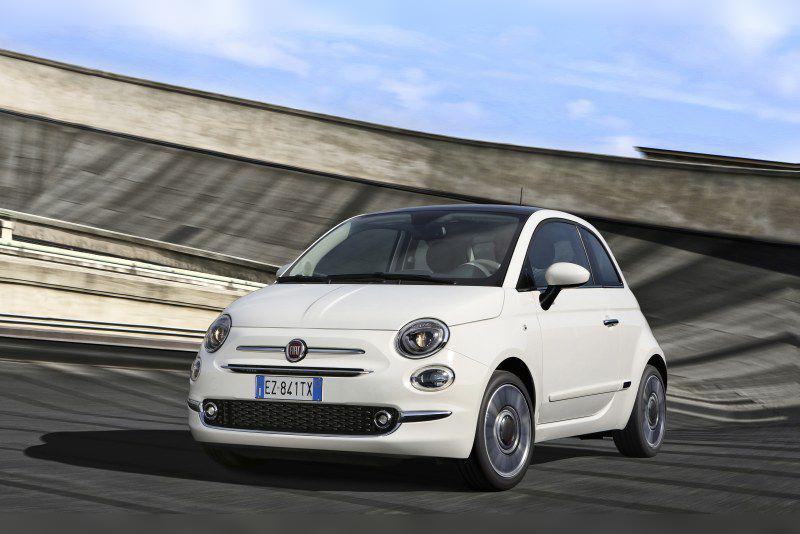
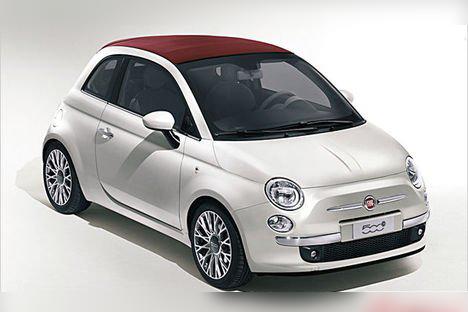
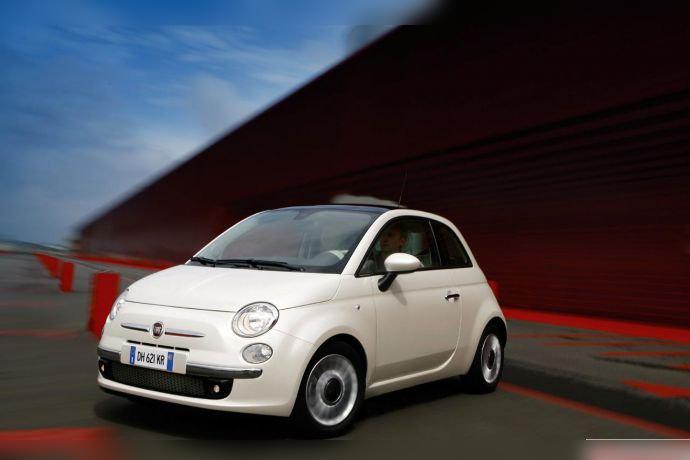
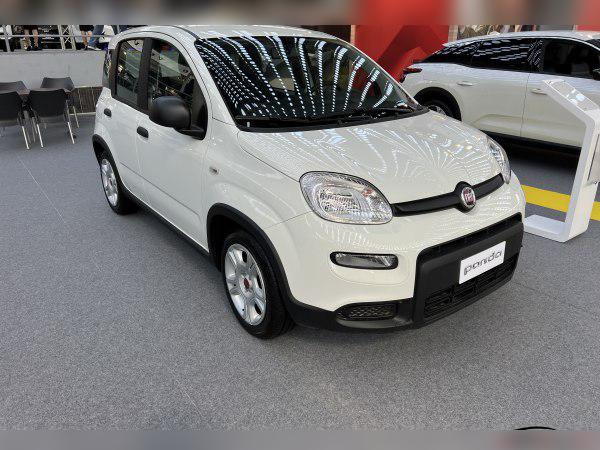
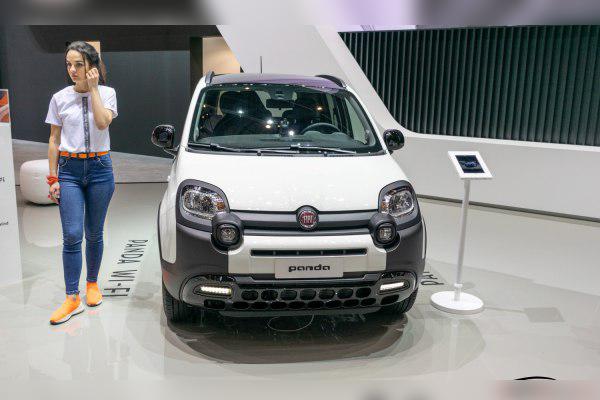
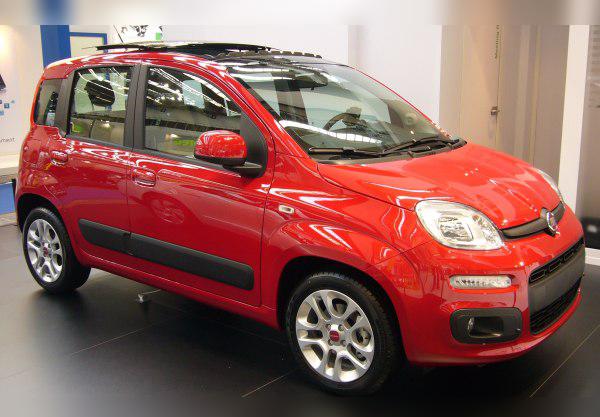
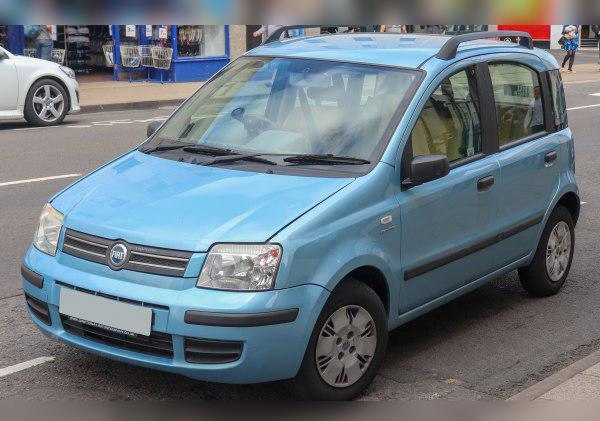
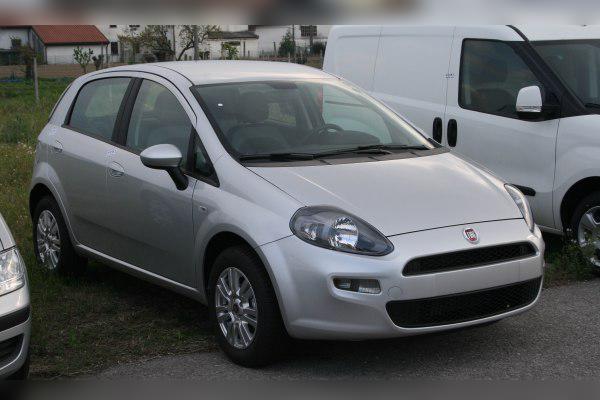
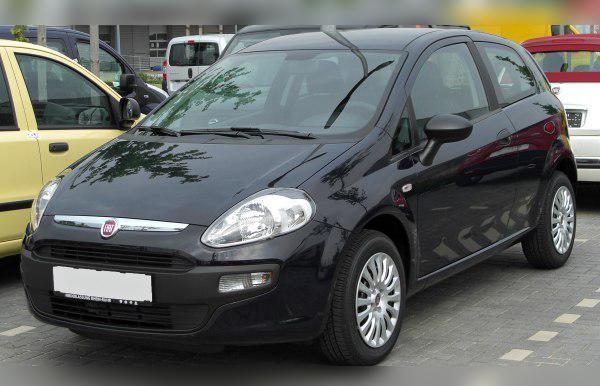
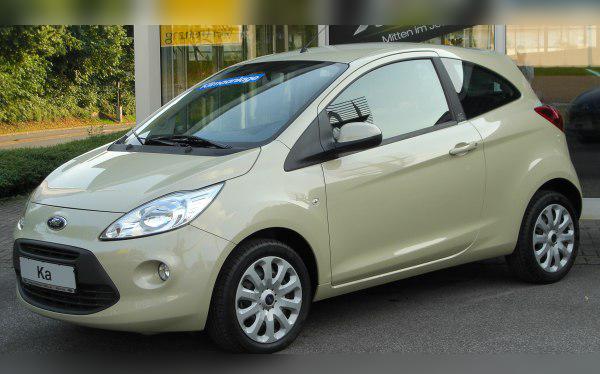
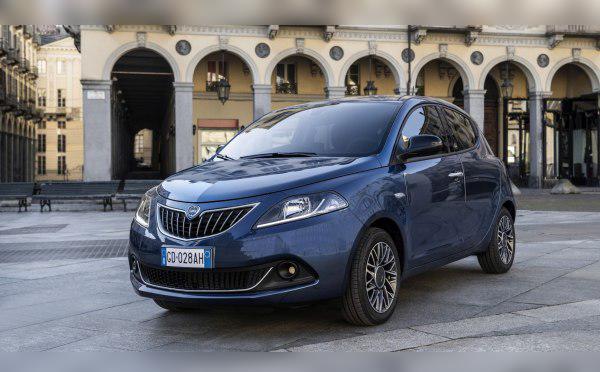
The engine designated as 169A4000 represents the latest, modernized iteration of the famous Fiat FIRE (Fully Integrated Robotised Engine) family. With a displacement of 1.2 liters and an output of 51 kW (69 HP), this unit is the backbone of the powertrain lineup for a huge number of popular cars on the European market. You can find it under the bonnet of the iconic Fiat 500, the practical Panda, the more spacious Punto, as well as in models such as the Ford KA II and Lancia Ypsilon.
Its main philosophy is simplicity. At a time when engines have become overcomplicated computers on wheels, this 1.2-liter petrol unit has remained faithful to proven mechanical solutions, which makes it a favorite choice among used-car buyers who want low running costs and peace of mind.
Technical specifications
| Parameter | Value |
|---|---|
| Displacement | 1242 cc |
| Power | 51 kW (69 HP) at 5500 rpm |
| Torque | 102 Nm at 3000 rpm |
| Engine code | 169A4000 |
| Injection type | Multi-point (MPI) – Indirect injection |
| Induction type | Naturally aspirated engine |
Reliability and maintenance: What fails most often?
This unit is known for being virtually indestructible if it is maintained at least minimally regularly. For transferring power from the crankshaft to the camshaft it uses a timing belt, not a chain. Because of that, the engine runs more quietly and timing-belt replacement is extremely cheap. It is important to note that this 69 HP version has variable valve timing (VVT), which means that, unlike older FIRE engines, a snapped belt can cause the valves to collide with the pistons. That’s why the major service should be done every 60,000 to 80,000 km or every 5 years.
Most common failures and symptoms
Although the mechanical side is robust, there are typical small issues that will catch up with you sooner or later. The best-known weakness is oil leakage from the valve cover gasket. The symptom is an oily engine block, and sometimes you can smell burning oil in the cabin when it drips onto the exhaust manifold. Fortunately, the repair is very cheap and is solved by replacing the rubber gasket.
The second common problem concerns the ignition system. Ignition leads and coils tend to fail due to age and moisture. The driver will notice this as engine hesitation under acceleration, rough idle and the “Check Engine” light coming on. Also, the throttle body occasionally gets dirty, which causes fluctuating idle speed, and is solved by simple cleaning.
Oil and spark plugs
The oil sump capacity is extremely small – the engine takes only 2.8 liters of oil. It is recommended to use synthetic oil of grade 5W-40 (preferably with ACEA C3 specification due to more modern catalytic converters). Oil consumption between services is generally non-existent or minimal. If the engine starts consuming more than 0.3 liters per 1000 km, it is a sign that the valve stem seals have hardened due to age and infrequent oil changes.
As for the ignition system, it is recommended to replace the spark plugs every 30,000 km. Since they are standard plugs (not iridium), the cost is negligible, and regular replacement directly protects the coils from burning out.
Specific parts and repair costs
What makes this engine a “golden goose” for owners is what it doesn’t have. You won’t have to worry about expensive repairs because the 169A4000 doesn’t have a dual-mass flywheel, nor does it have a turbocharger. This is a classic naturally aspirated petrol engine.
The fuel system is conventional, indirect MPI (Multi-Point Injection). Petrol injectors on this engine are extremely durable and problems with them are statistically negligible. Even if they do get clogged due to poor fuel quality, they can usually be successfully cleaned in an ultrasonic bath.
Also, as an older-generation petrol engine, this model does not have a DPF filter or AdBlue system, which means that city stop-and-go driving will not result in clogged filters and expensive regenerations. A classic EGR valve (the type that causes problems on diesels) is not used; instead, there are crankcase ventilation systems (PCV) that only require occasional cleaning of hoses and the separator.
Fuel consumption and performance: City rocket or sluggish retiree?
Let’s make it clear right away – with 69 HP and 102 Nm of torque, this engine is not designed for breaking records. In small bodies such as the Fiat 500 or Panda, the engine feels quite lively in city conditions thanks to a well-chosen gearbox. However, in the larger and heavier Fiat Punto (especially the Punto Evo), the engine is noticeably “lazy”. Overtaking on country roads requires planning and definitely shifting down to a lower gear so you can rev the engine above 3500 rpm.
Real-world fuel consumption and motorway use
In heavy city traffic, real-world fuel consumption ranges between 6.5 and 8.0 l/100 km, depending on how heavy your right foot is and how congested the traffic is. On open roads, consumption easily drops to an impressive 4.5 to 5.0 liters.
On the motorway, the situation is not ideal. At 130 km/h, the engine is spinning at a high 3500 to 4000 rpm. The cabin becomes noisy and fuel consumption jumps to over 7.5 liters per 100 km. This car simply isn’t a long-distance cruiser, but rather a resourceful city workhorse.
Additional options, LPG and modifications
This unit is one of the best engines on the market for LPG conversion. There are factory “EasyPower” versions, but retrofitting a sequential LPG system also works without any issues. The valve seats are hard enough to withstand the higher combustion temperatures of gas. The only important thing is to replace the spark plugs regularly at the mentioned 30,000 km intervals, because LPG requires a stronger spark.
When it comes to “chipping” (Stage 1 remap), in short – don’t waste your time and money. With software modifications on a naturally aspirated engine of this displacement, you will gain at most 3 to 5 HP, which is absolutely imperceptible in real driving. If you want a faster car, buy a version with the 1.4 or 0.9 TwinAir turbo engine.
Gearbox and drivetrain
The engine is most commonly paired with a classic five-speed manual gearbox. This gearbox is reliable, but over time the shift cables can become stiff, which makes engaging gears harder. The synchros are quite durable, but “crunching” when selecting reverse is a common occurrence (tip: wait 2 seconds after pressing the clutch before engaging reverse). The oil in the manual gearbox should be changed every 60,000 km.
Since the engine does not have a dual-mass flywheel, the cost of replacing the clutch kit (pressure plate, disc, release bearing) is very low and falls into the “not expensive” category (depends on the market).
Problematic Dualogic automatic
If you are buying a Fiat 500 or Panda with the “Automatic” or “Dualogic” badge, be very careful. This is not a conventional automatic gearbox, but a robotized manual gearbox. A hydraulic robot (actuator) is attached to a standard manual gearbox and operates the clutch and shifts gears instead of you. The most common failures include hydraulic pump failure, oil leaks from the actuator and failure of the pressure accumulator. Repairing this system falls into the “expensive to very expensive” category (depending on the market). If the automatic jerks when setting off or loses gears while driving, avoid that particular car.
Buying used and final verdict
When looking at a used car with the 169A4000 engine, the inspection procedure is simple but important:
- Visual inspection: Open the bonnet and check around the valve cover. An oily engine block means the gasket definitely needs replacing.
- Idle sound: The engine should run smoothly. If it slightly misfires and shakes the cabin, prepare for replacing the leads, coils and spark plugs.
- Clutch: The pedal should be soft. If it’s hard as a rock or bites very high, the clutch kit is due for replacement.
- Cooling system: These engines are known to suffer from coolant leaks at the thermostat housing and plastic pipes. Check the expansion tank – the coolant should be clean and pink or red in color.
- For automatics (Dualogic): Before starting the car, open the driver’s door. You should clearly hear a short buzzing sound (the hydraulic pump building up pressure). If the car jerks and hops when setting off, the actuator needs a serious overhaul.
Conclusion
The 1.2 FIRE (169A4000) engine is the right choice for buyers looking for a rational, cheap and durable car for everyday city use. What it lacks in speed and motorway performance, it more than makes up for with the absence of bills for expensive failures. If you cover a lot of kilometers in city conditions, installing a quality LPG system will turn it into one of the most economical vehicles you can currently drive. The recommendation to buy is an absolute “YES”, provided you choose a car with a manual gearbox.