Fiat 1.2 8V (188A4000) – Experiences, problems, fuel consumption and used-car buying tips
- Extremely cheap to maintain and repair, parts are available everywhere.
- No dual-mass flywheel, no turbocharger and no expensive injectors.
- Ideal engine for city driving and beginners, but quite noisy and weak on the motorway.
- Perfectly suited for LPG (autogas) conversion.
- The most common and best-known failure is head gasket failure.
- City fuel consumption is around 7–8 l/100 km, which is decent for an older design.
Contents
- Introduction: A city-street legend
- Technical specifications
- Reliability and maintenance
- Specific parts and costs
- Fuel consumption and performance
- Additional options and modifications (LPG and remapping)
- Gearbox and drivetrain
- Buying used and conclusion
Introduction: A city-street legend
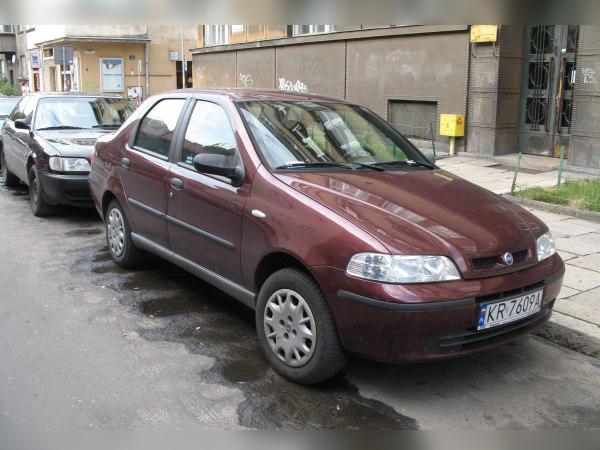
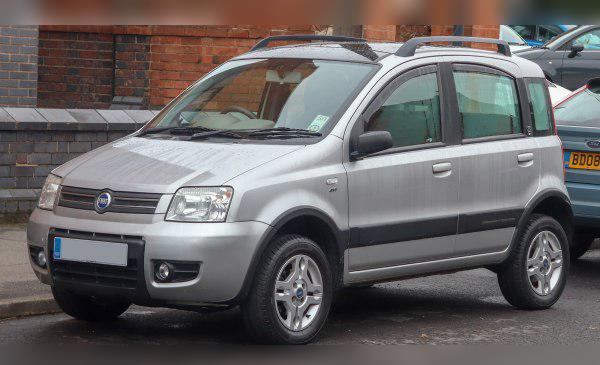
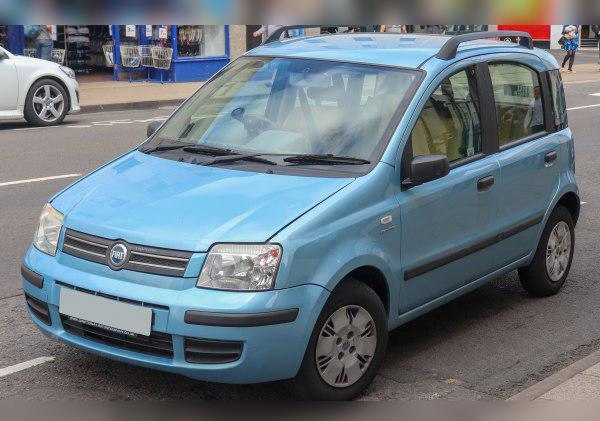
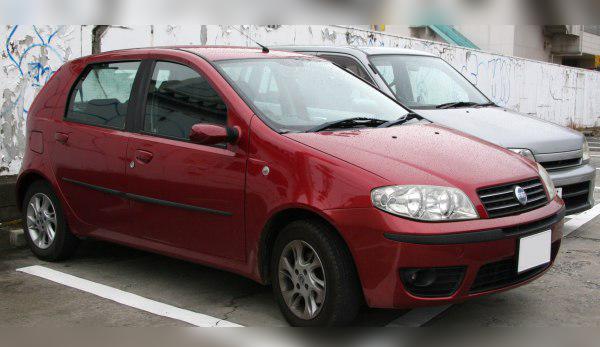
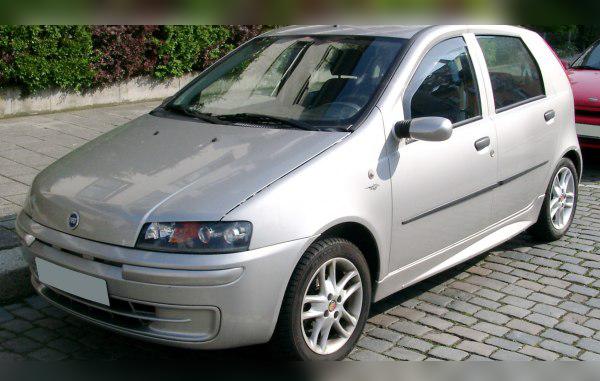
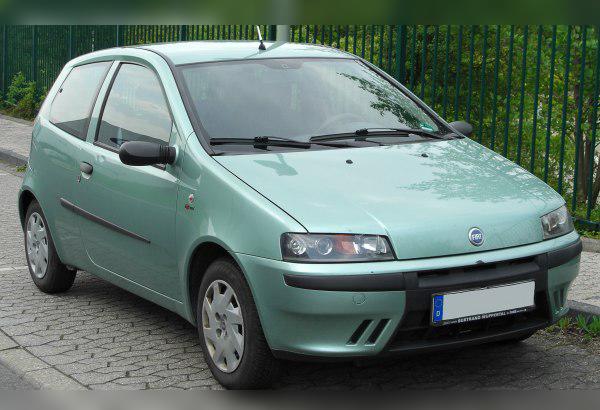
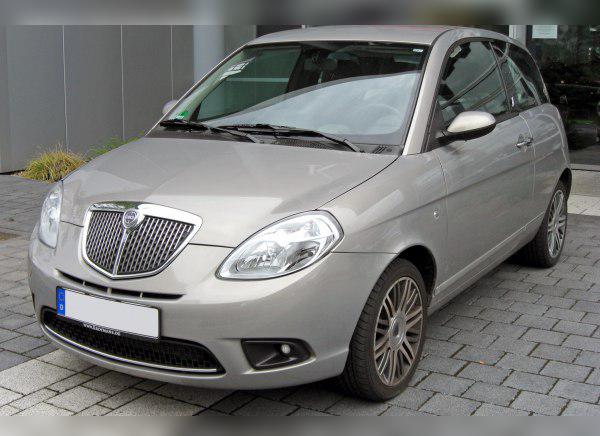
The engine designated 188A4000 is one of the best-known units from Fiat’s legendary FIRE (Fully Integrated Robotised Engine) family. With its 1242 cc and 60 horsepower (44 kW), this 8‑valve petrol engine has powered millions of vehicles. It was fitted in models such as the Fiat Punto (Mk2 and Classic), Fiat Panda (including 4x4 versions), Fiat Albea and the more upmarket Lancia Ypsilon. Its philosophy is simple: minimum complications, cheap maintenance and decent liveliness at lower revs. It wasn’t built for racing, but to get you reliably and affordably from point A to point B.
Technical specifications
| Parameter | Specification |
|---|---|
| Engine displacement | 1242 cc |
| Power | 44 kW (60 hp) |
| Torque | 102 Nm |
| Engine code | 188A4000 |
| Injection type | MPI (Multipoint Injection) |
| Aspiration | Naturally aspirated |
| Fuel type | Petrol (Gasoline) |
Reliability and maintenance
Timing belt and servicing
This engine uses a timing belt rather than a chain. From a design standpoint, it’s an older type of FIRE engine known for the fact that when the belt snaps it usually doesn’t result in catastrophic damage and valve-to-piston contact (a so‑called “freewheeling” engine), although you should never rely on that 100%. The major service is normally done every 60,000 to 80,000 km, or every 5 years. Considering that the parts are extremely affordable (timing belt, tensioner and water pump), skipping the major service is completely unjustified.
Most common failures
Although the mechanical side is robust, the 188A4000 is not without flaws. The best-known issue is head gasket failure. Due to the specific thermal behaviour of the block and head, the gasket eventually gives up. Symptoms include loss of coolant, the appearance of “mayonnaise” (white sludge) under the oil filler cap, swollen coolant hoses, or the engine running on three cylinders due to coolant entering the combustion chamber. Fortunately, skimming the head and replacing the gasket is among the cheaper jobs (depends on the market).
Another weak point is the ECU (engine control unit), especially Magneti Marelli units (often found on the Punto Mk2). When the ECU fails, the engine starts misfiring, runs on two cylinders or stalls. Also, ignition coils and spark plug leads are consumable items and sensitive to moisture.
Oil and spark plugs
The sump of this engine holds about 2.8 litres of oil. The factory recommended 10W‑40 or 5W‑40 (depending on climate and model year). As for oil consumption, in a healthy engine it is minimal. However, at higher mileages the valve stem seals tend to harden, so the engine can start using up to 0.3–0.5 litres per 1000 km. If you’re topping up more than that, it’s a sign the engine is due for a serious inspection. Since this is a conventional petrol engine, spark plugs should be replaced every 30,000 to 40,000 km. Incorrect plugs will quickly kill the ignition coils, so this is not the place to save money.
Specific parts and costs
What makes this engine a favourite on the used-car market is what it doesn’t have. This model doesn’t have a dual-mass flywheel; instead it uses a classic solid flywheel. The clutch is conventional and replacement is very affordable (not expensive, depends on the market).
The injection system is MPI (multipoint), which means there is one injector per cylinder, located in the intake manifold. These petrol injectors are extremely durable, rarely clog and are not expensive to clean in an ultrasonic bath. The engine is naturally aspirated, so there is no turbocharger, no intercooler and no fragile pressurised pipes.
Also, as an older naturally aspirated petrol engine, it doesn’t have a DPF filter (which is reserved for diesels), and the EGR valve on these versions either doesn’t exist or is implemented through a very simple fuel vapour recirculation system that doesn’t cause issues. As you might guess, there is no AdBlue system.
Fuel consumption and performance
The 188A4000 engine delivers its maximum torque (102 Nm) quite low for a petrol, at around 2500 rpm. That’s why it feels agile in city driving.
Real-world city consumption: Expect between 6.5 and 8 l/100 km, depending on how heavy your right foot is and traffic conditions.
Is the engine “lazy”? If fitted in a three-door Fiat Punto or a Fiat Panda, the body weight suits it very well and the car is fairly nippy up to 60 km/h. However, if it’s installed in a Fiat Albea (which is heavier and has a bigger boot) or in a Punto loaded with passengers and luggage, the engine becomes noticeably sluggish, especially on inclines and when overtaking. In that case, the lack of power has to be compensated by downshifting and high revs.
Behaviour on the motorway: This is by far its weakest point. The gearbox is short‑geared. At 130 km/h in fifth gear, the crankshaft is spinning close to 4000 rpm. The consequences? The cabin becomes quite noisy and fuel consumption rises sharply, often exceeding 7.5 litres on the motorway. Its ideal “cruising speed”, where the engine isn’t struggling, is around 100–110 km/h.
Additional options and modifications (LPG and remapping)
LPG (autogas) conversion
This is probably one of the best engines on the market for an LPG conversion. MPI injection and simple electronics allow the installation of a sequential LPG system without any issues. The plastic intake manifold handles sequential gas perfectly, there is no valve burning, and with LPG this car becomes incredibly cost‑effective for everyday use.
Remapping (Stage 1)
Short and to the point: don’t waste your money. Since this is a small-displacement naturally aspirated engine, ECU remapping (Stage 1) can squeeze out at most 3–5 hp. You won’t feel any difference in real driving, and you may compromise reliability and idle quality. Tuning this engine simply doesn’t make sense.
Gearbox and drivetrain
In most cases, this engine is paired with a five-speed manual gearbox. It’s reliable, but suffers from a few typical Fiat quirks. The synchros for first, second and reverse can wear out, so the gearbox may become notchy or “crunch” during fast shifts. In rare cases, an automatic/robotised gearbox is offered (such as Dualogic or the CVT Speedgear on some models). Avoid Dualogic gearboxes at all costs when buying used, as the actuators and hydraulics are delicate and repairs are very expensive compared to the value of the car itself.
As mentioned, there is no dual-mass flywheel. A clutch kit typically lasts between 80,000 and 120,000 km, depending on whether you drive only in the city or a mix of routes. The replacement cost (parts + labour) is in the range of an average service job and falls into the “very affordable” category (depends on the market).
As for the gearbox oil, it is recommended to change it every 60,000 to 80,000 km (or every 5–6 years). It uses specific synthetic oil, 75W‑80 or 75W‑90, and takes about 1.6 litres. Changing the oil often cures difficult gear engagement when the engine is cold.
Buying used and conclusion
What to check before buying?
- Coolant condition: Open the coolant reservoir cap (with the engine cold). If you smell exhaust fumes or the coolant is muddy and oily – walk away, the head gasket has blown.
- Oil filler cap: Check for white sludge (“mayonnaise”). A small amount in winter on short trips is normal due to condensation, but a large amount means moisture in the sump.
- Idle quality: The engine should idle smoothly and quietly. Misfiring points to issues with coils, leads, spark plugs or even the ECU.
- Front suspension: Fiat models with this engine (Punto/Panda) are sensitive at the front end (control arms and anti-roll bar links), so listen for knocking when driving over speed bumps.
Final verdict
The 188A4000 (1.2 8V 60 hp) engine is a workhorse. It’s not intended for drivers seeking performance, nor for those who spend hours on fast motorways. It’s aimed at beginner drivers, city errands, delivery work or as a reliable and cheap second car in the family. Does it break down? Yes – mostly around the electronics and head gasket – but repairs are so cheap that owners easily forgive it. If you find a car with a solid body, this engine will serve you faithfully for years with minimal investment.