Engine 199B4000 (1.3 MultiJet 85 HP) – Experiences, issues, fuel consumption and used-car buying tips
- Exceptional efficiency: One of the most cost-effective engines on the market when it comes to fuel consumption.
- Timing chain: There is no timing belt, but the timing chain needs to be replaced once it starts making noise (most often around 150,000 km).
- Cheaper clutch maintenance: In most variants with this engine, a dual-mass flywheel is avoided.
- Typical city-driving weaknesses: The EGR valve and DPF filter are weak points if the car is rarely driven on open roads.
- Performance depends on the body style: Excellent and lively in smaller models (MiTo, Punto), but noticeably “sluggish” in the heavy Fiat 500L.
- Dualogic gearbox: The robotized automatic can lead to expensive hydraulic repairs; the manual gearbox is a much safer option.
Contents
- Introduction: Small engine, big tasks
- Technical specifications
- Reliability and maintenance
- Specific parts and failures
- Fuel consumption and performance
- Additional options and modifications
- Gearbox and power delivery
- Buying used and conclusion
Introduction: Small engine, big tasks
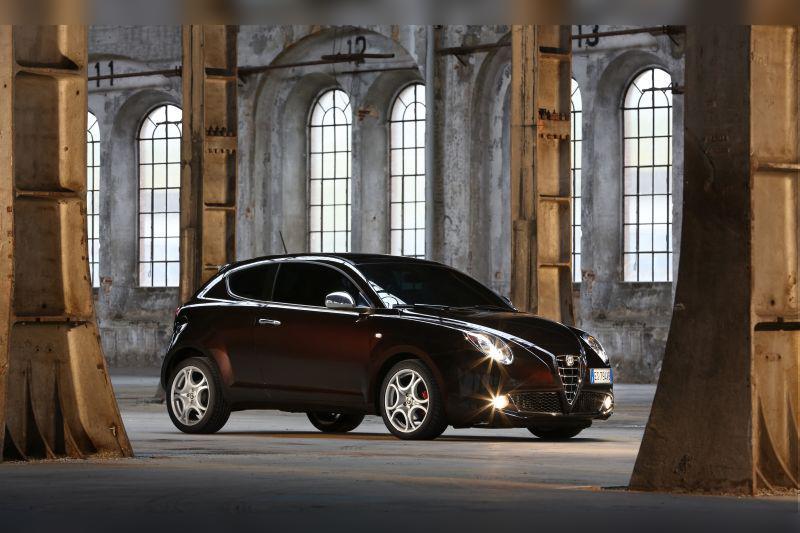
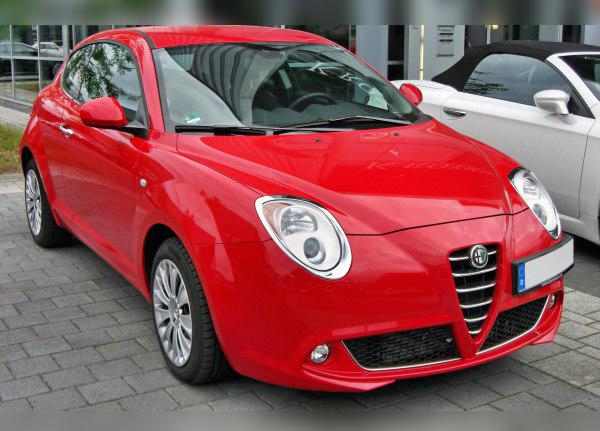
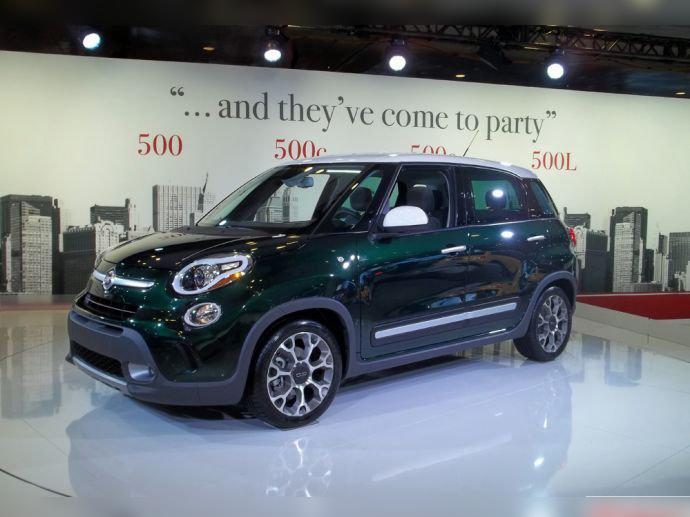
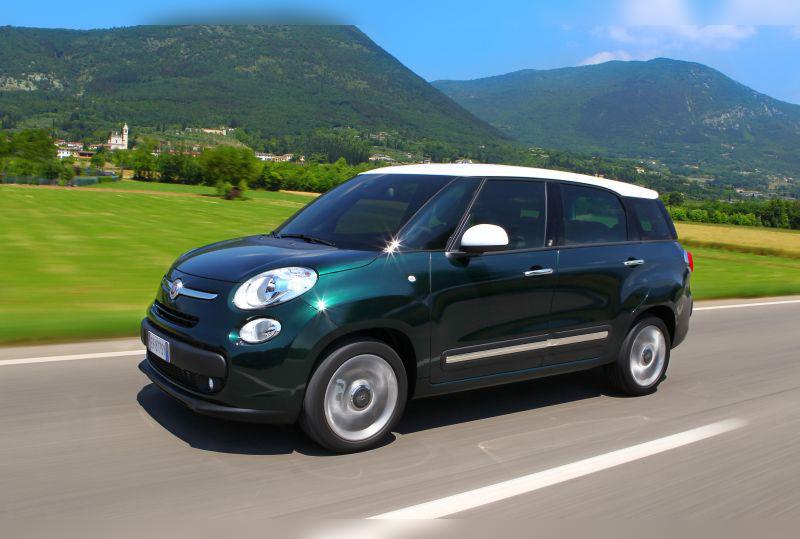
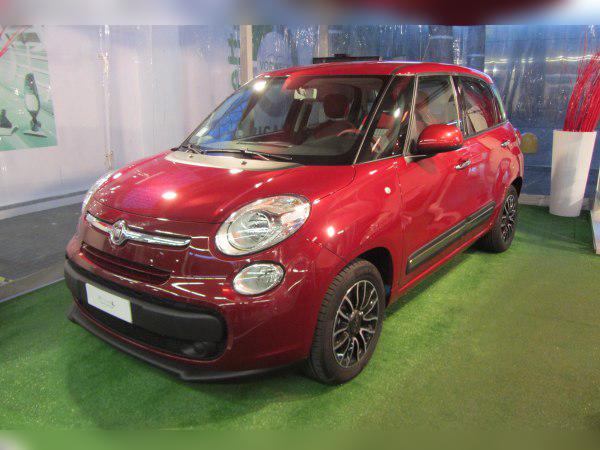
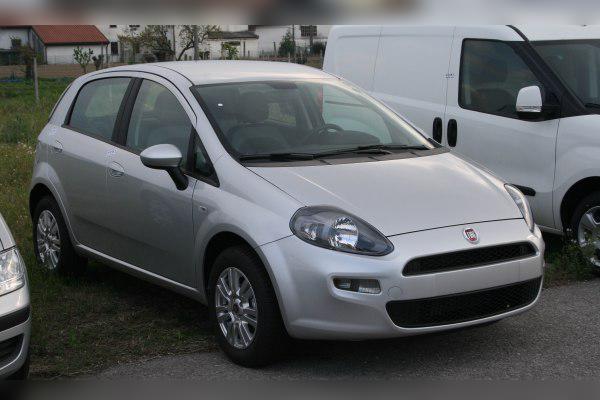
The engine with the code 199B4000 is one of the most popular iterations of Fiat’s famous 1.3 MultiJet unit. With its 85 HP and an improved injection system (MultiJet II generation), this engine was conceived as a universal solution for a wide range of vehicles. You will find it in city runabouts such as the Alfa Romeo MiTo and Fiat Punto III, but also in family MPVs like the Fiat 500L (including Trekking and the long Living/Wagon versions with 7 seats). Its main mission is low running costs, but due to the heavy bodies it was often installed in, it frequently faces serious challenges.
Technical specifications
| Specification | Value |
|---|---|
| Engine displacement | 1248 cc |
| Power | 63 kW (85 HP) |
| Torque | 200 Nm |
| Engine code | 199B4000 |
| Injection type | Common Rail (MultiJet II generation) |
| Charging | Turbocharger (VGT) with intercooler |
Reliability and maintenance
Timing system and major service
This engine uses a timing chain to drive the camshafts, not a belt. Although many drivers think a chain lasts forever, that is absolutely not the case here. Due to the design of the guides and tensioner, the chain tends to stretch. The major service (replacement of the complete chain set, sprockets, guides and tensioner, together with the water pump) is not performed at a strictly prescribed mileage interval, but rather when the chain starts making noise on a cold start. Still, the unwritten rule in workshops is that it is smartest to replace the chain set every 130,000 to 150,000 km to avoid chain breakage and catastrophic damage to the valves and crankshaft.
Oil and regular servicing
The sump of this engine holds about 3.2 liters of oil. Because of the sensitive DPF filter, it is absolutely mandatory to use oil that meets Low SAPS standards (most often viscosity grade 5W-30). Oil consumption between services (which should be done at a maximum of 10,000 to 15,000 km, never at 30,000 km as the manufacturer once recommended) is usually minimal. Mild consumption of about 0.1 to 0.2 liters per 1,000 km is considered normal, but anything above that points to a problem with the turbocharger or piston rings.
Fuel injection system
As a latest-generation diesel, this engine uses MultiJet II piezo injectors. The injectors operate under extremely high pressure, but in practice they have proven to be very robust. If you use quality fuel and regularly replace the fuel filter, these injectors can easily last for over 200,000 to 250,000 km. The first symptoms of worn injectors are rough idling, increased exhaust smoke under sudden acceleration, and harder hot starts.
Specific parts and failures
Flywheel and drivetrain
Good news for your wallet: unlike the more powerful 1.6 or 1.9 MultiJet engines, the 85 HP version (199B4000) paired with a manual gearbox in most cases has a solid (conventional) flywheel, not a dual-mass one. Thanks to this, when the time comes to replace the clutch kit, the job is not expensive (depends on the market), which drastically reduces running costs.
Turbocharger
This model uses a turbocharger with variable geometry (VGT). The turbo itself is quite durable, but the vanes of the geometry can seize due to soot build-up (especially if the car is driven “pensioner-style” around town). The life span of the turbo is usually closely tied to oil change intervals – with regular maintenance, it easily exceeds 200,000 km. Symptoms of problems include a sudden loss of power and the engine going into limp mode (safety mode).
DPF filter, EGR and AdBlue
The 199B4000 engine does not have an AdBlue system, which is a plus because it saves money on topping up urea fluid and repairing urea pumps. However, the DPF filter and EGR valve are this engine’s biggest enemies in city driving. The EGR valve often gets dirty and sticks, which chokes the engine. The DPF filter, on the other hand, requires regular regenerations on open roads. If the car is driven exclusively on short urban trips, regenerations are interrupted. The ECU then injects extra fuel into the cylinders, which runs down into the sump and mixes with the oil. Symptom: If you notice that the oil level on the dipstick has risen above the maximum mark, head straight to a workshop – diluted oil can completely destroy the crankshaft and bearings!
Fuel consumption and performance
Real-world fuel consumption
In smaller models such as the Punto or MiTo, city consumption is around 5.5 to 6.0 l/100 km. However, in the hefty Fiat 500L, due to its higher weight and poorer aerodynamics, real-world city consumption climbs to 6.5 to even 7.5 l/100 km with the air conditioning on in heavy traffic. On country roads, consumption can drop to an impressive 4.0 to 4.5 l/100 km.
Performance: Is the engine sluggish?
This is where we come to the key point, which depends on the body style. In the Punto, 85 HP and 200 Nm are quite enough for brisk driving. In contrast, in the Fiat 500L (especially in the extended 7‑seater Living version), this engine is seriously “sluggish”. Once you load the car with family and luggage, overtaking on country roads requires good planning, shifting down and high revs.
Motorway driving
On the motorway at 130 km/h, the 5-speed gearbox keeps the engine at relatively high revs (usually around 2,700–2,900 rpm, depending on the exact gearing). At these speeds the engine becomes quite noisy in the cabin, and fuel consumption is no longer a strong point, rising to around 6.5 l/100 km due to the strain and air resistance.
Additional options and modifications
Since this is a turbo diesel, LPG conversion is not an option. However, this engine is extremely popular for a Stage 1 remap. The engine block and injection system can safely handle a software power increase to about 105 HP and 240–250 Nm of torque. Such a modification literally “saves” Fiat 500L drivers, as the car becomes noticeably more flexible and copes with its own weight much more easily, without any significant impact on the durability of mechanical components (provided it is done professionally).
Gearbox and power delivery
Two options are fitted with the 199B4000 engine: a classic manual gearbox (mostly 5-speed) and an automated manual gearbox marketed as Dualogic.
Manual gearbox
A very reliable unit. The only regular requirement is changing the gearbox oil every 60,000 km to prevent bearing wear on the shafts, which many drivers forget. As mentioned, the clutch works with a solid flywheel, so replacing the friction plate, pressure plate and release bearing is very affordable (depends on the market).
Dualogic “automatic”
This is not a conventional automatic, but a manual gearbox with a complex hydraulic robot (actuator) mounted on it that shifts gears for you. The most common failures are related precisely to this hydraulic system (oil leaks from the actuator, high-pressure pump failure, sensor failure). Symptoms include jerking when moving off, popping out of gear while driving, or the gearbox refusing to engage “D” (Drive) or reverse. Repairing the Dualogic system is very expensive (depends on the market). Maintenance requires changing the oil both in the gearbox itself and in the hydraulic actuator every 40,000 to 50,000 km, along with regular software calibration.
Buying used and conclusion
What to check before buying?
- Cold start: Ask the seller not to start the car before you arrive. On the first crank, listen around the timing side (the side with the belts). If you hear metallic rattling or scraping for a few seconds after starting, the chain needs replacing.
- Oil level: Pull out the dipstick. If the level is above “Max” and the oil strongly smells of diesel, it means the DPF filter is badly clogged and the car has been driven exclusively in the city.
- Diagnostic scan: Be sure to check the condition and pressures in the DPF filter, as well as injector correction values.
- Testing the Dualogic gearbox: If you are buying an automatic, pulling away from a standstill must be smooth. Any jerking, knocking (“shunting”) or delayed response when you press the accelerator means an imminent and costly actuator overhaul.
Conclusion: Who is this engine for?
The 199B4000 engine is a fantastic choice for drivers who cover a decent annual mileage, mostly on open roads and highways, where its efficiency really shines. If you buy it in an Alfa MiTo or Punto, you will get a reliable and inexpensive car to maintain. On the other hand, if you are planning to buy a hefty Fiat 500L for everyday rush-hour city driving, be aware that the engine will feel “sluggish” and that sooner or later you will be dealing with a clogged DPF filter. Our strong recommendation when buying used is to stick with the manual gearbox, and choose Dualogic only if you have a fully documented history of meticulous maintenance.