Engine 350A1000 (Fiat 1.4 8V 77 HP): Experiences, problems, fuel consumption and used car buying guide
- Legendary F.I.R.E. mechanics: Extremely reliable and simple engine, without expensive components.
- Cheap maintenance: No dual-mass flywheel, no turbo, and no complex emission systems.
- Ideal for LPG (TNG/CNG): Factory-adapted for alternative fuels, handles gas without valve issues.
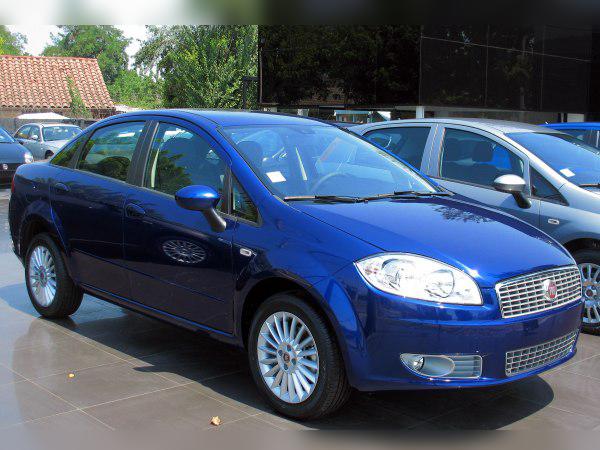
- Sluggish in heavier bodies: With 77 HP and 113 Nm it struggles with the weight of models such as the Fiat Doblo or Linea.
- City workhorse: Excellent for city driving, but loud on the highway due to high revs.
- Typical weaknesses: Oil leaks from the valve cover gasket and cracking of the alternator housing.
Contents
- Introduction: Meet the indestructible F.I.R.E.
- Technical specifications of the engine
- Reliability, maintenance and most common failures
- Specific parts and repair costs
- Fuel consumption and performance in real conditions
- LPG (TNG) and tuning potential
- Gearbox, clutch and drivetrain
- Buying used and final verdict
Introduction: Meet the indestructible F.I.R.E.
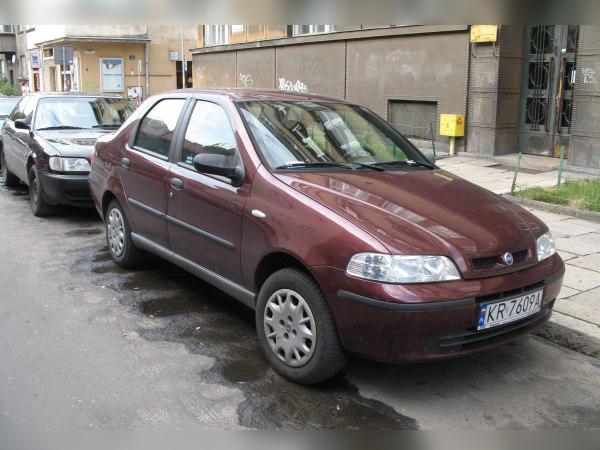
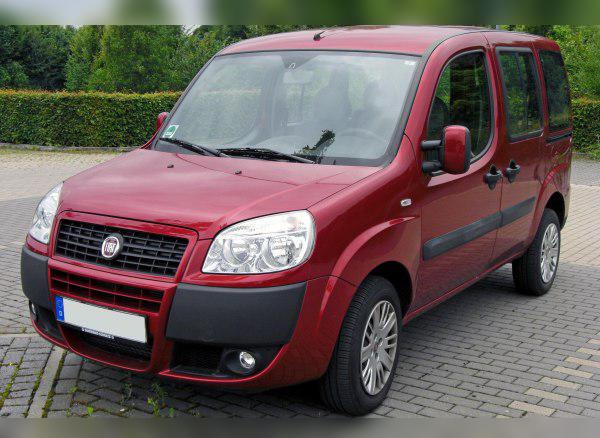
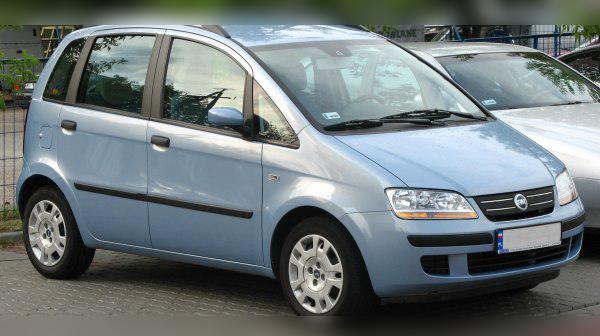
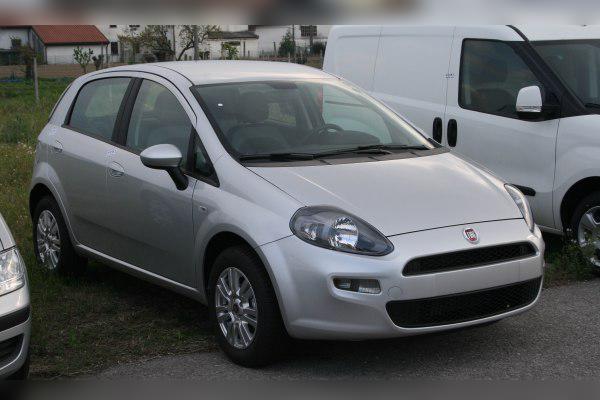
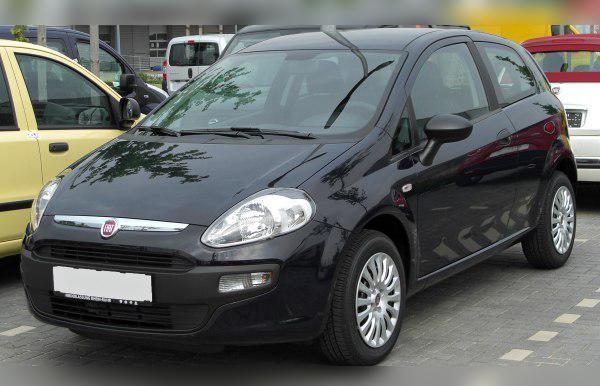
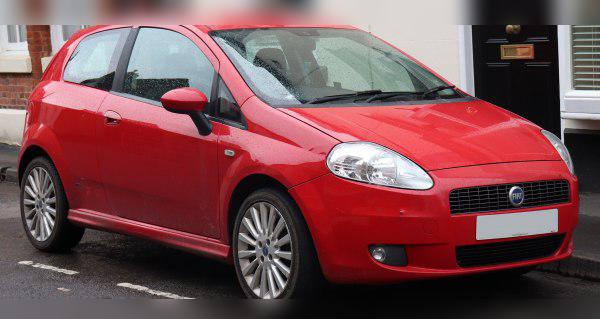
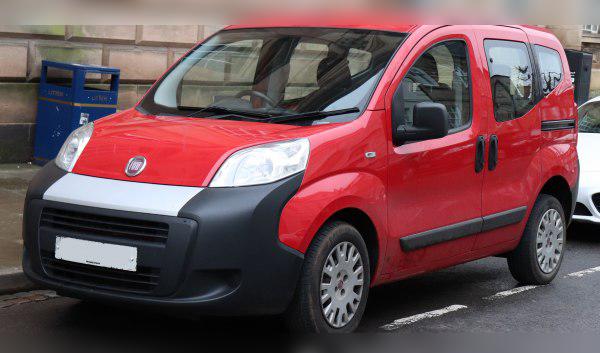
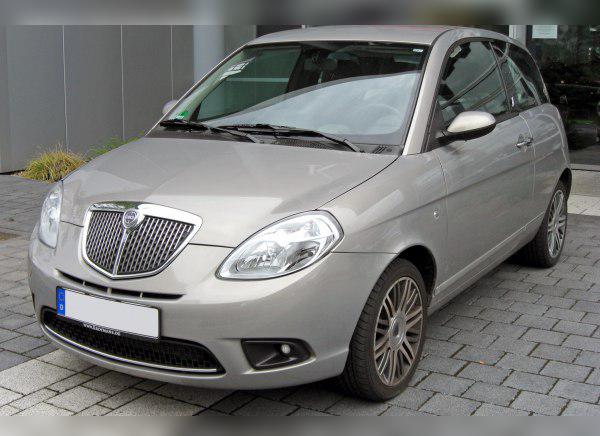
When we talk about the engine designated as 350A1000, we are actually talking about the evolution of the famous Fiat F.I.R.E. (Fully Integrated Robotised Engine) family. This 1.4‑liter unit with 8 valves and 77 horsepower has for decades been the backbone of motorization for working-class and city cars. It was installed in a wide range of vehicles, from small city cars such as the Fiat Punto (Grande, Evo), Lancia Ypsilon and Fiat Idea, all the way to workhorses and saloons like the Fiat Doblo, Qubo, Albea and Linea.
What makes this engine important on the used market is its brutal simplicity. In an era when engines have become overcomplicated, the 350A1000 offers mechanics that any competent mechanic can repair in a garage at minimal cost. Considering that it often came with factory installations for methane (Natural Power) or LPG (Easypower / GPL), it is one of the most cost-effective choices for drivers who cover high mileage on a limited budget.
Technical specifications of the engine
| Parameter | Data |
|---|---|
| Engine code | 350A1000 |
| Displacement | 1368 cc |
| Power | 57 kW (77 HP) |
| Torque | 113 Nm |
| Fuel type | Petrol (LPG and CNG versions available) |
| Induction | Naturally aspirated (no turbo) |
| Injection type | Multipoint (MPI) |
| Valve train | SOHC, 8 valves, timing belt |
Reliability, maintenance and most common failures
This unit uses a classic timing belt to drive the camshaft. Its architecture is so simple that maintenance is extremely cheap. The major service (replacement of timing belt, tensioner, idler and water pump) is, according to factory specifications, done every 90,000 to 120,000 kilometers, but experienced mechanics recommend shortening this interval to about 80,000 km or 5 years for absolute safety.
As for lubrication, this engine holds a modest 2.6 to 2.8 liters of oil. The recommended grade is usually 5W-40 (such as factory Selenia K). Does it consume oil? Yes, but within reasonable limits. For F.I.R.E. engines it is completely normal to consume around 0.1 to 0.2 liters per 1,000 km, especially if driven at higher revs on open roads. It is important to regularly check the dipstick, because the small sump capacity means that any lack of oil can be dangerous for the crankshaft.
Typical failures and teething problems
Mechanically, the engine is virtually indestructible, but the peripherals can be irritating. The best-known issue is oil leakage from the valve cover gasket. This happens because over time the rubber gasket hardens from the heat. The symptom is oiliness on the engine block, and oil often runs down into the spark plug wells, which can cause misfires while driving. The repair falls into the very cheap category (depends on the market).
Another known weakness is cracking of the alternator housing. Due to its unfortunate position close to the front wheel and exposure to moisture and heat, the alternator often fails, loses charging or physically cracks. Also, ignition coils and leads tend to fail due to moisture or age, which manifests as the engine running on three cylinders and the "Check Engine" light coming on. Spark plugs on this petrol engine should be replaced every 30,000 to 40,000 kilometers, especially if the car is running on LPG.
Specific parts and repair costs
For drivers who want to avoid expensive repairs, the 350A1000 is the holy grail. This engine does not have a dual-mass flywheel, but uses a classic solid flywheel that practically never needs replacing. The injection system is the good old Multipoint (MPI). Petrol injectors are extremely robust and rarely fail, and even when they get dirty (most often from long periods of running exclusively on gas), they can be easily and cheaply cleaned in an ultrasonic bath.
Since this is an old-school naturally aspirated petrol engine, it has no turbo, no DPF filter, no complex and sensitive EGR valve, and does not use AdBlue fluid. Consequently, there is no risk of being stranded by clogged soot filters or paying for expensive turbocharger overhauls. Everything boils down to classic air–fuel–spark mechanics.
Fuel consumption and performance in real conditions
Fuel consumption and driving dynamics depend directly on the body the engine is installed in. With 77 HP and only 113 Nm of torque, which is available only at around 3,000 rpm, you cannot expect sporty acceleration.
In city driving, real-world consumption ranges between 7.5 and 9.0 l/100 km. In light cars such as the Fiat Punto or Lancia Ypsilon, the engine is quite lively for urban conditions, pulls nicely from traffic lights and is easy to maneuver. However, if you are buying this engine in a Fiat Doblo, Linea or Qubo, be prepared for it to be extremely "lazy". The weight of the body and the fridge-like aerodynamics (in the case of the Doblo) require you to constantly rev the engine high just to keep up with traffic, which significantly increases fuel consumption.
On the highway the engine shows its limitations. The gearboxes have very short ratios. At a cruising speed of 130 km/h, the crankshaft spins at a rather high 3,800 to 4,200 rpm (depending on the gearbox). The result is increased cabin noise and fuel consumption rising to over 8 l/100 km. This engine feels best on main roads at speeds of 80 to 100 km/h.
LPG (TNG) and tuning potential
If there is an engine that is ideal for installing a sequential LPG system, it is this 1.4 8V. The factory installed it widely in "Natural Power" (methane/CNG) and "Easypower/GPL" (LPG) versions. The cylinder head and valves are robust enough to withstand the higher combustion temperatures of gas without the need for additional lubrication (so‑called valve saver systems). If you install an aftermarket system, the investment pays off very quickly, and the power loss is barely noticeable.
When it comes to tuning (Stage 1 software remap), forget about it. Because the engine is naturally aspirated, changing the fuel and ignition maps can give you barely 3 to 5 HP, which is absolutely imperceptible in real driving. Any money spent on remapping this engine is literally thrown away.
Gearbox, clutch and drivetrain
The 350A1000 engine is most commonly paired with a five-speed manual gearbox (and in some newer and heavier models a six-speed), while in the Punto and Idea it was also offered with the Dualogic robotised gearbox as an option.
Manual gearbox
The manual gearboxes are generally reliable, but after 150,000+ km they start to show signs of wear. The most common problem is failure of the second-gear synchronizer (manifested as grinding when quickly shifting from first to second) and bearing whine on the input shaft inside the gearbox. Replacement of the clutch kit (pressure plate, disc, release bearing) falls into the not expensive category (depends on the market), because there is no dual-mass flywheel. Gearbox maintenance involves changing the gearbox oil every 60,000 km, which drivers often neglect, leading to difficult shifting in winter.
Dualogic (robotised) gearbox
This gearbox is actually a conventional manual gearbox with an electro-hydraulic robot (actuator) attached to it, which operates the clutch and shifts gears instead of you. Experiences are mostly negative. The most common failures include hydraulic fluid leaks from the actuator, failure of the pressure accumulator ("bomb") or failure of the gear selector position sensor. Dualogic system repairs are complex, few mechanics know how to fix them, and the parts fall into the expensive category (depends on the market). If you are buying a used car with this engine, the strong recommendation is to stick with the manual gearbox.
Buying used and final verdict
Before you hand over your money for a used car with the 1.4 8V engine, pay attention to the following:
- Inspection around the valve cover: If it has been freshly washed, be suspicious. If it is oily, count on replacing the valve cover gasket and check whether the spark plug leads are soaked in oil.
- Idle sound: The engine should run extremely smoothly. If it shakes slightly or runs on three cylinders, it is probably due to worn coils, leads or spark plugs.
- Test drive of the gearbox: Accelerate and quickly shift from first to second gear. If you hear grinding, the synchronizer is on its way out. Listen for any whining from the gearbox when you lift off the throttle.
- Coolant: Open the expansion tank (when the engine is cold). The coolant should be clean red/pink. If it is rusty, the system has not been maintained, which can lead to thermostat and water pump failure.
Who is this engine for?
The 350A1000 engine is a fantastic choice for beginner drivers, urban delivery services and families with a limited maintenance budget. In a Fiat Punto or Lancia Ypsilon it is one of the most rational choices on the used market. On the other hand, if you often travel long distances on the highway or plan to load a Fiat Doblo to its maximum payload, this engine will disappoint you with its sluggishness and noise. In that case, one of the MultiJet diesels would be a better choice.