Engine 46346020 (1.6 Multijet 130 HP): Experiences, problems, fuel consumption and used car buying guide
Key points (TL;DR)
- Strong and flexible: With 130 HP and 320 Nm it offers an excellent compromise between performance and efficiency.
- Timing drive: Uses a timing belt; a major service is mandatory at around 100,000 km.
- Emissions: Equipped with a DPF filter, EGR valve and AdBlue system – sensitive to exclusively city driving.
- Gearbox and clutch: Has a dual-mass flywheel regardless of whether it’s paired with a manual or automatic gearbox.
- Injection system: Reliable injectors, but they require regular filter maintenance and high-quality fuel.
- Fuel consumption: Very economical in lighter models (Tipo), while in SUV bodies (Tonale, Compass) consumption is noticeably higher.
Contents
- Introduction and basic information
- Technical specifications
- Reliability and maintenance
- Specific parts and costs
- Fuel consumption and performance
- Additional options and modifications
- Gearbox and drivetrain
- Buying used and conclusion
Introduction and basic information
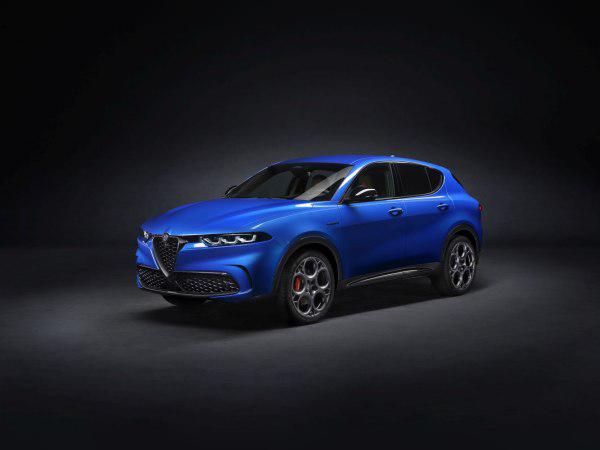
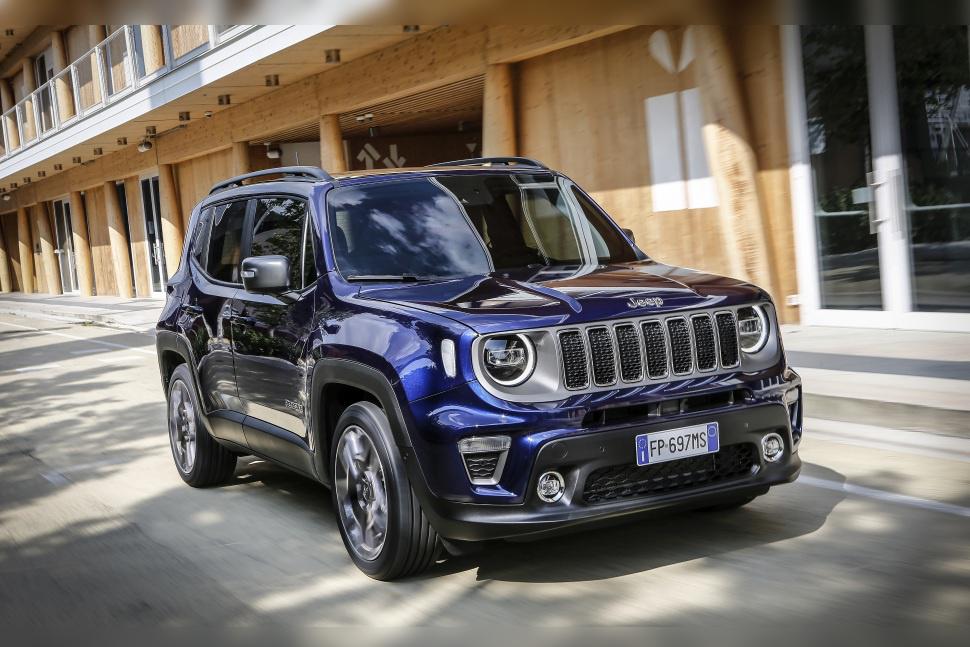
The engine with code 46346020 is the latest and most powerful evolution of the well-known 1.6 Multijet (JTDm) block, developed within the FCA (now Stellantis) group. With power pushed to 130 HP in order to meet strict Euro 6D-Final standards, this engine has become a true workhorse for a wide range of vehicles. You can find it under the bonnet of sedans and hatchbacks such as the Fiat Tipo (Egea), but also in modern, heavier SUVs and crossovers like the Alfa Romeo Tonale, Jeep Compass and Jeep Renegade.
This unit is extremely important because it represents one of the last “proper” diesels in this displacement that offers fantastic torque with reasonable fuel consumption. However, due to strict emissions regulations, it is burdened with exhaust after-treatment systems, which changes the way the driver has to treat it.
Technical specifications
| Specification | Data |
|---|---|
| Engine code | 46346020 |
| Displacement | 1598 cc |
| Power | 96 kW (130 HP) |
| Torque | 320 Nm |
| Fuel type | Diesel |
| Injection system | Common Rail (Multijet II) |
| Intake and charging | Turbocharger (VGT) + intercooler |
Reliability and maintenance
Timing system and major service
This engine uses a timing belt to drive the camshafts. Although modern materials are durable, any experienced mechanic will recommend that the major service (replacement of timing belt, tensioner, idler pulleys and water pump) be done at a maximum of 100,000 to 120,000 km or every 5 years. A snapped belt leads to severe engine damage where the valves hit the pistons, which means removing the cylinder head and huge repair costs. Coolant leakage from the water pump is a common early sign that it’s time for service.
Oil and regular servicing
The oil sump of this engine holds about 4.8 litres of engine oil. Due to the DPF filter and the specifics of Euro 6D standards, it is mandatory to use ultra-low-viscosity oil, most commonly 0W-20 (or 0W-30 depending on the exact sub-model and the manufacturer’s recommendation in the manual), with the appropriate Fiat/Stellantis low-ash (Low SAPS) specifications. The engine generally does not consume much oil, but a loss of up to 0.5 litres per 10,000 km is within normal limits, especially if driven more aggressively on the motorway. An oil service is recommended every 10,000 to 15,000 km, never at 30,000 km as prescribed by “long-life” intervals.
Injectors and fuel injection
The Multijet II system uses advanced electromagnetic or piezo injectors capable of multiple injections in a single cycle. The injectors are extremely reliable and can easily exceed 250,000 km. However, their biggest enemies are poor-quality fuel or metal shavings from a worn high-pressure pump. Symptoms of bad injectors include rough idle, increased black smoke (if the DPF doesn’t manage to burn it off), harder cold starts and the so-called “diesel knock” under throttle.
Specific parts and costs
Dual-mass flywheel and clutch
Yes, this engine has a dual-mass flywheel due to the high torque of 320 Nm, which would otherwise destroy the gearbox. Symptoms of a worn dual-mass flywheel include strong vibrations when starting and stopping the engine, juddering when pulling away and a dull thud when changing gears. Replacing the complete set (flywheel, clutch disc, pressure plate, release bearing) is expensive (depends on the market), but it is a standard cost on modern diesels every 150,000 to 200,000 km.
Turbocharger
The engine is equipped with a single turbocharger with variable geometry (VGT). The service life of the turbo is excellent, often over 200,000 km. The most common issue is not mechanical failure of the rotor, but sticking of the variable-geometry vanes due to soot build-up, which manifests itself as a loss of power (the car goes into limp or safe mode) under sudden acceleration. Regular oil changes and occasionally “blowing it out” on the open road solve this problem.
DPF, EGR and AdBlue system
This is the sorest point of every modern diesel. The engine is equipped with a DPF, EGR valve and SCR catalyst (AdBlue). The EGR valve tends to clog up with soot if the car is driven mostly in the city at low revs. The DPF filter also clogs up in urban conditions because the system cannot reach the temperature required for regeneration.
The AdBlue system is mandatory and often problematic. Extreme temperatures (high in summer, low in winter) lead to crystallisation of the fluid, which destroys the pump and injector in the tank. When the system fails, a warning light appears on the dashboard and after a certain number of kilometres the electronics will not allow you to start the engine. Repairing this module is very expensive (depends on the market). Maintenance includes topping up fresh AdBlue and possibly using anti-crystallisation additives.
Fuel consumption and performance
Real-world fuel consumption
Fuel consumption depends heavily on the body style. If the engine is installed in a Fiat Tipo, real-world city consumption is around 6.5 l/100 km, while on country roads it can drop below 4.5 l/100 km. On the other hand, in heavy and aerodynamically inefficient models such as the Jeep Renegade, Compass and Alfa Romeo Tonale, you can expect consumption of 7.5 to 8.0 l/100 km in stop-and-go traffic, which is the price you pay for the vehicle’s height and weight.
On-road performance
With 320 Nm of torque available from as low as 1,500 rpm, this engine is anything but sluggish in models like the Tipo. It pulls easily, is excellent for overtaking and forgives laziness with the gearbox. However, in heavy SUV models (Tonale, Compass) the weight of the body can be felt. The car is not slow, but it doesn’t offer sports-car performance; instead, it provides calm and smooth driving.
On the motorway, at 130 km/h in sixth gear, the engine cruises at about 2,200 to 2,400 rpm (depending on the gear ratios of the specific model). Cabin noise is minimal, the engine is very relaxed and refined, which makes it a great long-distance cruiser.
Additional options and modifications
Remapping (Stage 1)
The FCA 1.6 Multijet block is known for being overengineered and extremely robust. Thanks to high-quality injectors and a good turbocharger, this engine can be safely remapped. A standard Stage 1 remap increases power to an impressive 155 to 160 HP, with torque rising to around 380 to 400 Nm. The car becomes noticeably sharper on the throttle. However, keep in mind that this increase puts extra stress on the clutch and dual-mass flywheel, so they may fail earlier if the torque curve is not mapped in a linear way or if you have a heavy right foot at low revs.
Gearbox and drivetrain
Two basic types of gearboxes are paired with this engine:
- 6-speed manual gearbox: (most often from the FPT C635 series). It is very reliable. The most common issues are difficulty engaging first and second gear, usually due to worn gearbox oil or synchro wear. The oil in the manual gearbox should be preventively changed every 80,000 km. Replacing the clutch and dual-mass flywheel set is expensive (depends on the market), but manageable.
- 6-speed automatic gearbox (TCT / DDCT): This is a dual-clutch transmission. It offers very fast gear changes, especially noticeable in the Alfa Tonale. The downsides of this system are wear of the clutch packs in city driving and potential problems with the mechatronics that controls gear changes. Maintenance requires mandatory oil and filter changes in the gearbox every 60,000 km. If the clutches and flywheel fail on this gearbox, the repair is very expensive (depends on the market) and requires a highly specialised mechanic with the proper diagnostics for calibration after installation.
Buying used and conclusion
What to check before buying?
When buying a used car with the 1.6 Multijet 130 HP engine, be sure to pay attention to the following:
- Cold start: The engine should start instantly, without blue or thick black smoke. Any unnatural knocking noise may indicate problems with hydraulic tappets or injectors.
- Condition of the dual-mass flywheel: Listen to the car at idle and pay attention to whether vibrations are transmitted to the body. Switch the engine off without pressing the clutch – if you hear metallic rattling, the flywheel needs replacing.
- DPF and AdBlue diagnostics: BEFORE buying, always connect the car to diagnostics. Check the DPF ash saturation level and read any fault codes related to the SCR/AdBlue system and AdBlue pump pressure. These failures are too expensive to ignore.
- Gearbox (if automatic): In stop-and-go traffic the gearbox must not jerk or hesitate “thinking” about which gear it should be in.
Conclusion
The 46346020 engine with 130 HP is one of the best diesel units in its class. It is extremely robust mechanically (block, crankshaft, pistons), and it delivers power smoothly and efficiently. Who is it for? It is an ideal choice for drivers who cover a lot of kilometres on open roads, motorways or highways. That’s where its reliability and low fuel consumption really shine, and the DPF and EGR systems work flawlessly.
If, on the other hand, you plan to drive an Alfa Romeo Tonale or Fiat Tipo 95% of the time to the shop, to work, and mostly in traffic jams – this is not the engine for you. The emissions system, especially AdBlue and the DPF, will very quickly start giving you expensive headaches. For pure city use, a petrol engine or a hybrid is a far safer option.