Fiat 1.4 16V FIRE Engine (843A1000) – Experiences, problems, fuel consumption and buying used
- Cheap maintenance: Simple mechanics without expensive parts such as a turbocharger, dual-mass flywheel or DPF filter.
- Oil consumption: This engine is factory-known to “like” consuming oil, so regularly checking the dipstick is mandatory.
- Performance: Very reliable but a “lazy” engine, especially in heavier bodies like the Fiat 500L or Tipo.
- Ideal for LPG: Handles LPG perfectly, drastically reducing running costs.
- Highway driving: At higher speeds it runs at high RPM, which means more cabin noise and increased fuel consumption.
- Recommendation: An excellent choice for city driving and for drivers who value reliability and low running costs over performance.
Contents
- Introduction and basic information
- Technical specifications
- Reliability and maintenance
- Specific parts and costs
- Consumption and performance
- Additional options and modifications (LPG and remapping)
- Gearbox and drivetrain
- Buying used and conclusion
Introduction and basic information
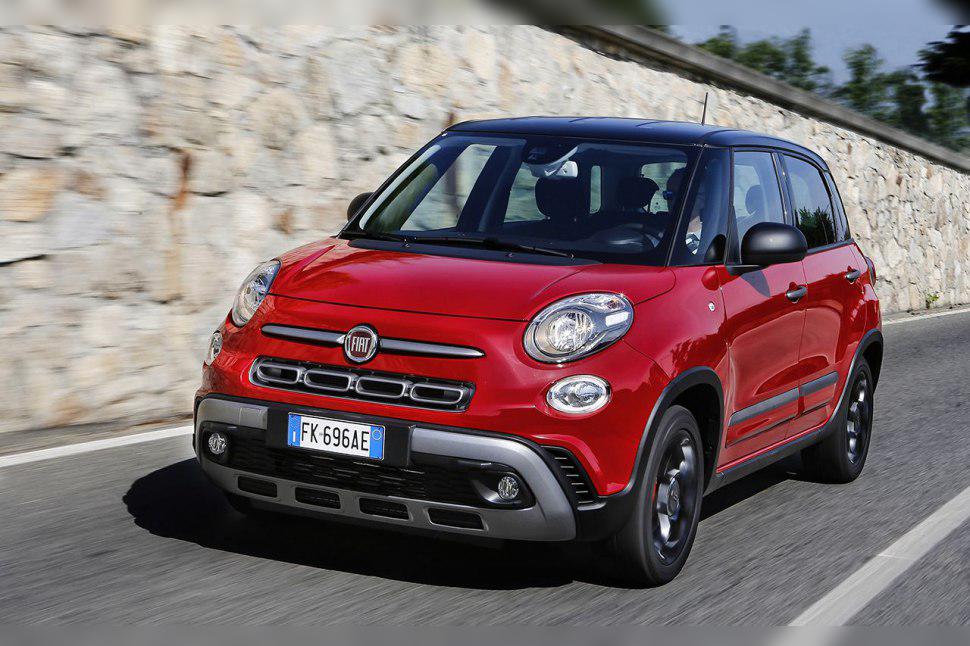
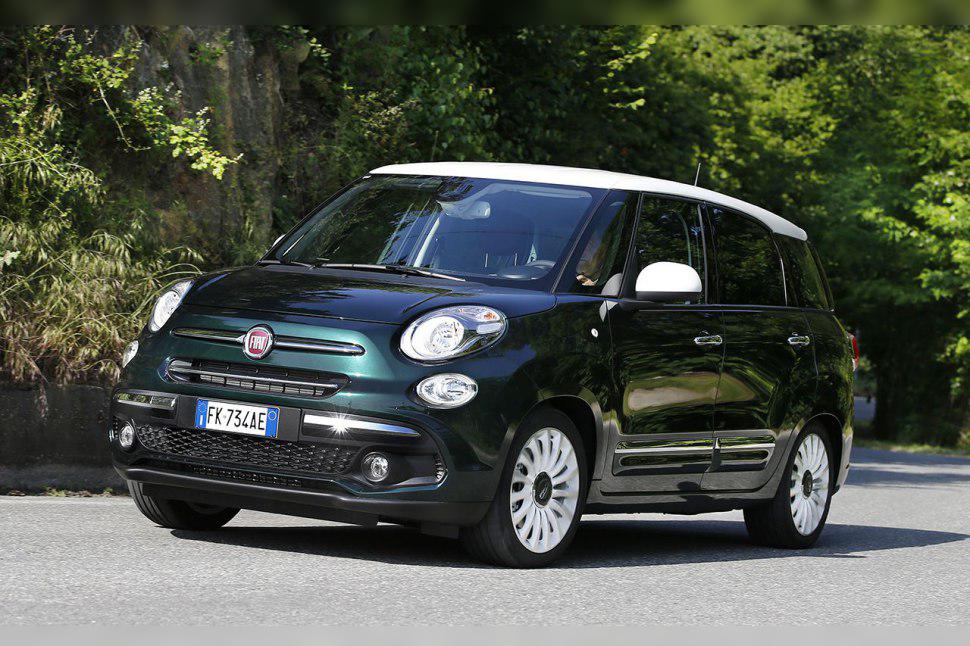
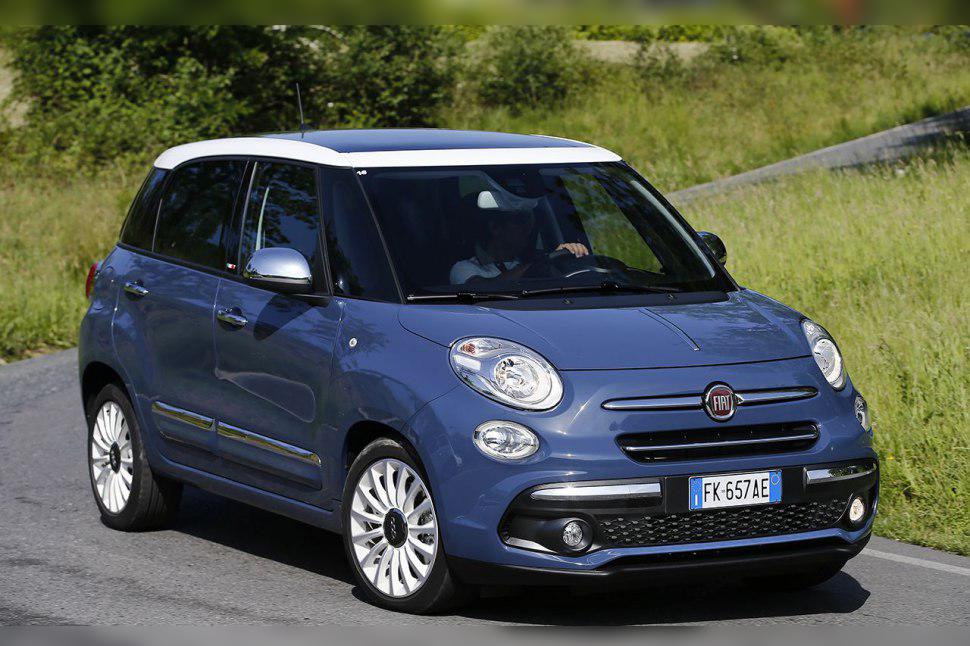
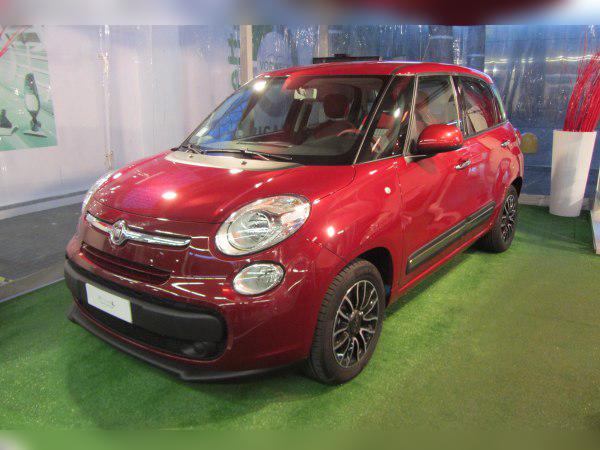
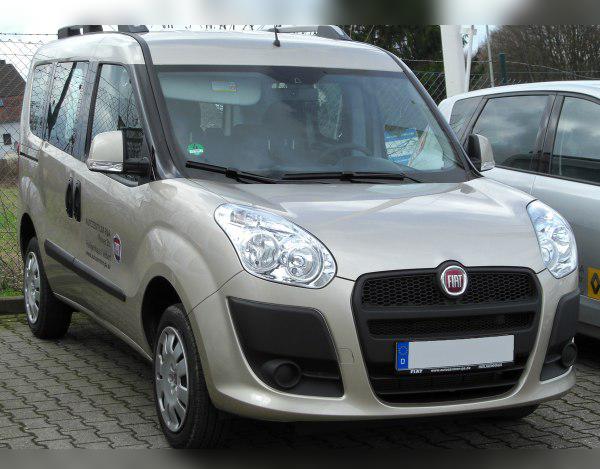
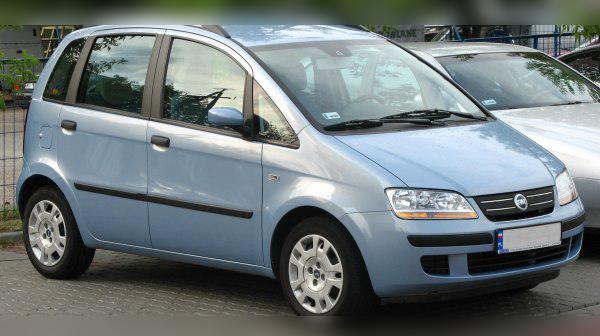
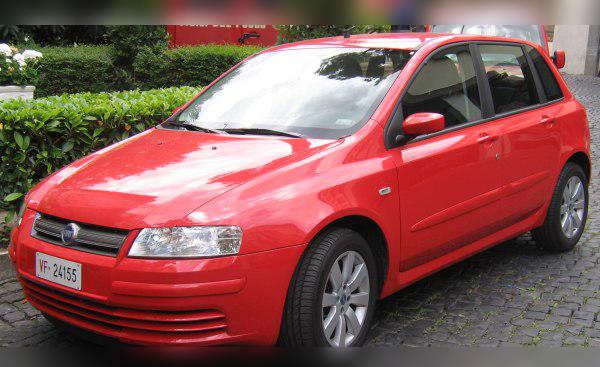
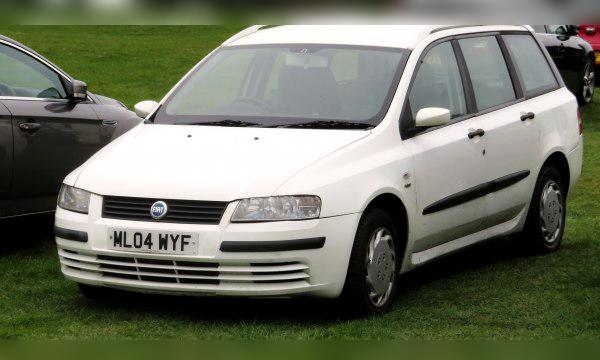
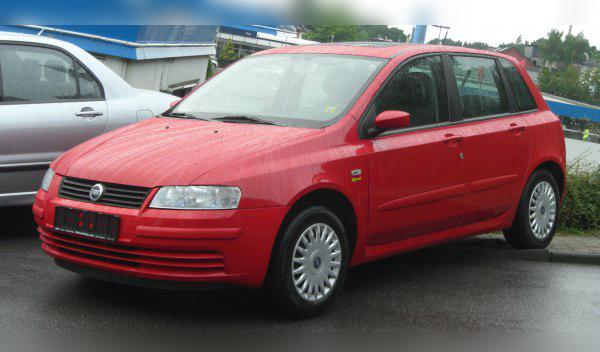
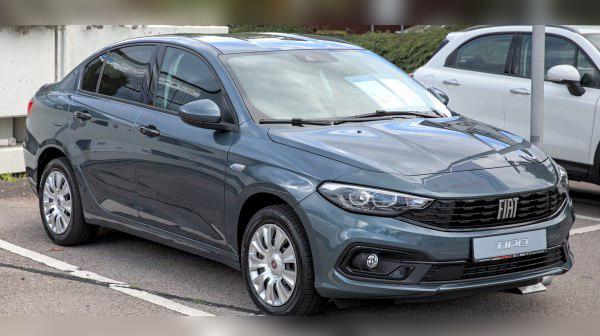
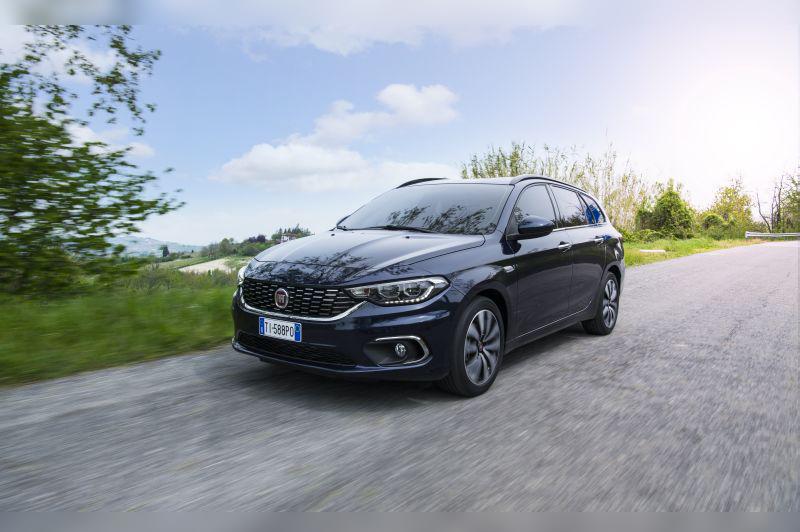
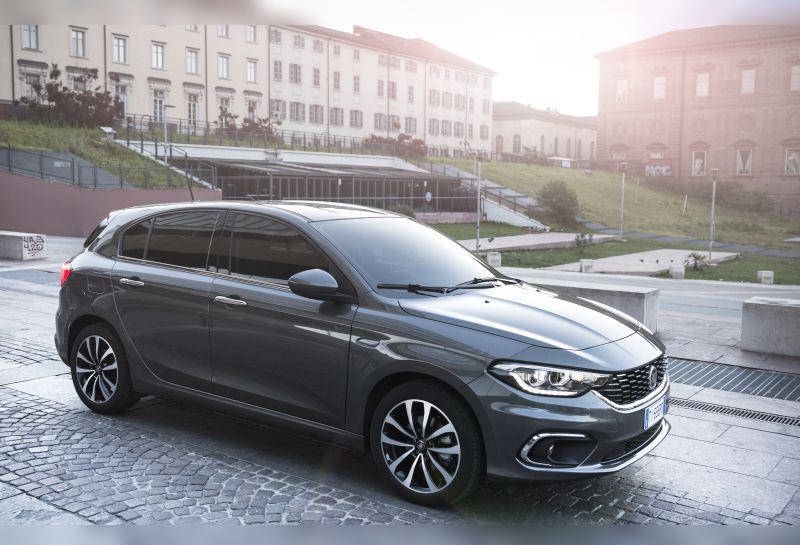
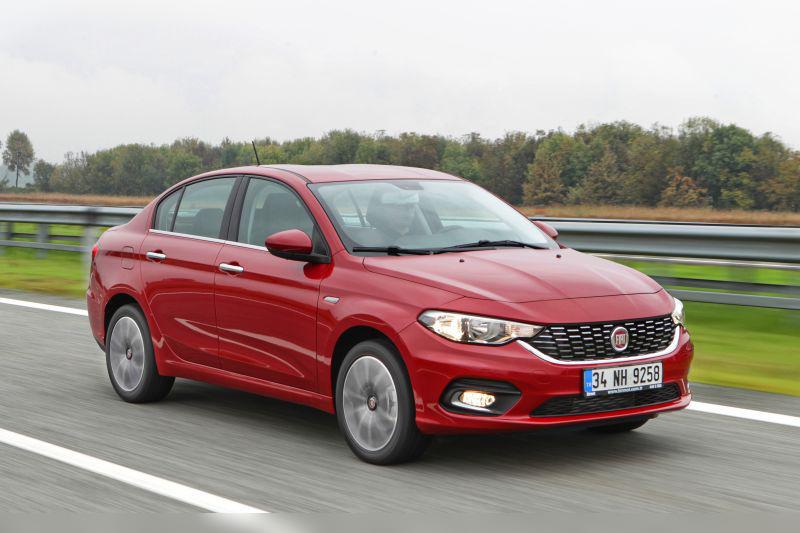
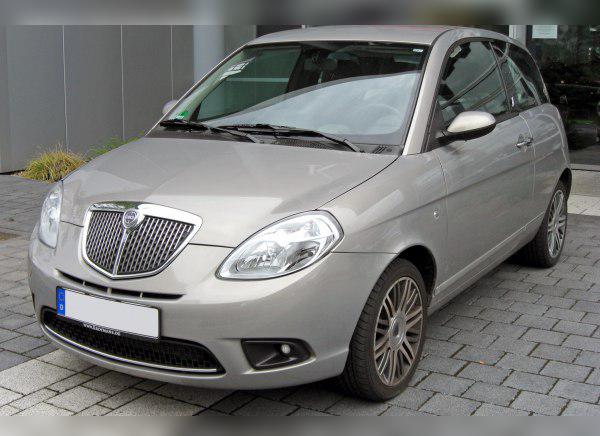
The engine designated as 843A1000 is the legendary Fiat 1.4 16V FIRE (Fully Integrated Robotised Engine) unit. It is a true “last of the Mohicans” when it comes to simple naturally aspirated petrol engines in Europe. It was installed in a huge range of vehicles – from light city cars such as the Lancia Ypsilon and Fiat Idea, to noticeably heavier family models like the Fiat Stilo, Doblo, 500L, and newer Tipo and Egea models.
Its main advantage lies in the fact that the design is so refined and simple that major failures are very rare. However, due to its modest 128 Nm of torque, in more modern and heavier vehicles it needs to be revved higher to provide even somewhat dynamic driving.
Technical specifications
| Characteristic | Data |
|---|---|
| Engine displacement | 1368 cc |
| Power | 70 kW (95 hp) |
| Torque | 128 Nm |
| Engine code | 843A1000 |
| Injection type | MPI (Multi-Point Injection – into the intake manifold) |
| Induction | Naturally aspirated (No turbo) |
Reliability and maintenance
Timing belt or chain?
This engine uses a classic timing belt for valve timing. There are no complicated and expensive chains. The system is simple, but in the 16-valve version, a snapped belt will bend the valves, so preventive replacement is mandatory.
At what mileage should the major service be done?
The major service (replacement of timing belt, tensioner, idler pulleys and water pump) is recommended every 60,000 to 80,000 km or at a maximum of 5 years of age. The price of parts for the major service falls into the category: very cheap (depends on the market).
Oil quantity and grade
The oil sump on this engine is quite small. It holds only about 2.95 liters of oil (including the filter). Fully synthetic oil with a viscosity of 5W-40 is recommended (ACEA C3 standard for newer models like Tipo and 500L, or A3/B4 for older models like Stilo). The minor service is done every 10,000 to 15,000 km.
Oil consumption – is it normal?
This brings us to the most well-known drawback of FIRE engines – they consume oil between services. Due to the specific design of the piston rings and valve stem seals, the engine burns oil at high RPM. Fiat officially tolerates consumption of up to 0.4 l per 1000 km, although in practice a healthy engine usually consumes between 1 and 1.5 liters of oil per 10,000 km. This is completely normal for the 843A1000 and requires the driver to occasionally pull out the dipstick and top up the oil. An inadequate oil level, combined with the small sump, can quickly lead to camshaft damage.
Spark plugs and ignition coils
Since this is a petrol engine, spark plug replacement is necessary and is done every 30,000 km. The most common failure on this engine is electrical – failure of the ignition coils (wires and coil packs). Symptoms include jerking while driving, rough idle (running on three cylinders) and the “Check Engine” light coming on.
Other common failures
Besides the coils, the valve cover gasket often fails. The symptom is visible oil running down the engine block and a burning smell in the cabin when oil drips onto the exhaust manifold. The thermostat also tends to fail in the open position – you will notice that in winter the engine cannot reach operating temperature or takes too long to do so. Replacement and parts for these failures are not expensive (depends on the market).
Specific parts and costs
What makes this engine a favorite among mechanics is precisely what it doesn’t have.
- Dual-mass flywheel: The engine uses a conventional (solid) flywheel. There are no failures there, and therefore no cost of replacing a dual-mass flywheel.
- Fuel injection system: Classic MPI (Multi-Point) injection into the intake manifold. The injectors are extremely reliable, rarely clog and are not expensive to clean in an ultrasonic bath.
- Turbocharger: The engine is naturally aspirated, it has no turbo. Consequently, there are no turbo overhaul costs.
- Emissions equipment: There is no DPF filter that clogs in city driving, no complicated EGR valve that causes issues, and absolutely no AdBlue system. Emission standards are met solely via the catalytic converter and lambda sensors. Occasionally a lambda sensor may fail (throwing a fault for incorrect mixture), but this is not frequent.
Consumption and performance
Performance and engine “laziness”
With its 95 hp and only 128 Nm of torque available as high as 4500 rpm, this engine is by nature quite “lazy”. In lighter cars (Lancia Ypsilon, Fiat Idea) it is acceptable. However, in models like the Fiat 500L, Tipo Wagon or Doblo, it clearly struggles with the body weight. For reasonably safe overtaking on country roads, you have to shift down and rev the engine high.
City fuel consumption
Because you need to press the accelerator more to get a heavier car moving, stop‑and‑go fuel consumption is not low. Real-world city consumption is between 8.5 and 10.5 liters per 100 km, depending on how heavy your right foot is and on the vehicle’s weight (the 500L and Doblo use the most).
Behavior on the highway
It depends on the gearbox, but in most 6‑speed models, at 130 km/h the engine spins at around 3200 to 3500 rpm. At these revs the engine becomes noisy in the cabin and consumption rises to around 7.5 to 8 l/100 km. It is definitely not intended for everyday long-distance cruising at high speeds.
Additional options and modifications
LPG conversion
This unit is perfect for LPG conversion. The cylinder head and valves tolerate the higher combustion temperatures of LPG very well. Installing a sequential LPG system brings running costs down to a minimum. Many Fiat models (such as the Tipo and 500L) were sold with factory‑fitted LPG, which says enough about compatibility.
Remapping (Stage 1)
Short and clear: Don’t waste your money. Since this is a small-displacement naturally aspirated engine, a Stage 1 remap will bring at most 5 to 7 horsepower, which you won’t even feel in real driving. This engine cannot be remapped in a safe and truly effective way.
Gearbox and drivetrain
Types of gearboxes
This engine is most often paired with 5‑ and 6‑speed manual gearboxes (6‑speed in models such as the 500L, Tipo, Egea, Stilo, and 5‑speed in some smaller or older versions). Among automatic transmissions, the Lancia Ypsilon and occasionally the Fiat Idea were fitted with the DFN (Dualogic) automated manual gearbox.
Gearbox failures
- Manual gearboxes: Generally reliable. In 6‑speed gearboxes, bearing wear can occur if the oil is not changed regularly. The symptom is a whining noise while driving that disappears when you press the clutch.
- Automatic (Dualogic) gearbox: It should be avoided unless you are prepared for higher costs. This is a conventional manual gearbox with a hydraulic robot (actuator) attached to shift gears. The actuator, position sensors and hydraulic pump are very failure‑prone. Symptoms include dropping out of gear while driving or being unable to engage a gear at a traffic light, accompanied by a “Gearbox fault” message on the dashboard.
Clutch replacement cost and maintenance
We have already established that the engine does not have a dual-mass flywheel. The complete clutch kit (pressure plate, disc, release bearing) falls into the category: very cheap, from 80 to 150 EUR (depends on the market). Labor is often more expensive than the parts themselves.
As for maintenance, the oil in the manual gearbox (about 2 liters of 75W synthetic oil) should be replaced preventively every 60,000 km to preserve the bearings and synchronizers.
Buying used and conclusion
What to check before buying?
When buying a used car with the 1.4 16V FIRE engine, focus on the following:
- Engine sound: The engine should idle smoothly. If it shakes or misfires, it is probably the coils or spark plugs, which are not expensive to fix but are an excellent bargaining chip for lowering the price.
- Blue smoke from the exhaust: Ask the seller to rev the engine while you watch the exhaust. If bluish smoke appears, the engine is burning a large amount of oil (worn rings or valve stem seals) and is ready for serious internal work.
- Oil traces under the bonnet: Check the area around the valve cover and coils. If there is a lot of fresh oil, the gasket has failed.
- Oil condition: Pull out the dipstick. If the oil is at the minimum (or there is none), it is a sign that the owner did not pay attention to this well‑known characteristic of the engine.
Who is this engine for?
The 843A1000 engine is an ideal choice for calm drivers, family people and anyone for whom the maintenance budget comes first. Its mechanics are simpler than children’s building blocks, it handles LPG perfectly and will never surprise you with a thousand‑euro breakdown on the road. On the other hand, if you enjoy dynamic driving, brisk overtaking uphill or plan to tow a heavy trailer – this engine, especially in a Fiat 500L or Tipo, will seriously disappoint you with its performance.