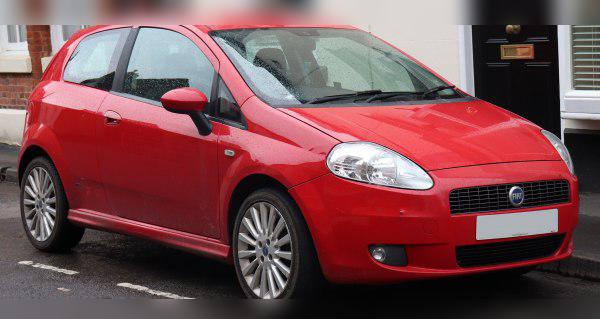
Engine 955A3000 (1.6 MultiJet 120 HP): Experiences, issues, fuel consumption and used-car buying tips
- Excellent torque: With 320 Nm, this engine handles heavier bodies with ease.
- Timing drive: Uses a timing belt, which is reliable and cheaper to replace than a chain.
- Injection system: Bosch Common Rail (MultiJet II) injectors are extremely durable.
- Dual-mass flywheel: Present, and one of the bigger expenses once worn out.
- DPF and EGR: Sensitive to frequent short-distance city driving.
- Fuel consumption: Very economical on open roads, while in the city and at high motorway speeds it consumes noticeably more.
Contents
- Introduction: About the engine and its applications
- Technical specifications
- Reliability and maintenance
- Specific parts and costs
- Fuel consumption and performance
- Additional options and modifications
- Gearbox: Manual and automatic
- Buying used and conclusion
Introduction: About the engine and its applications
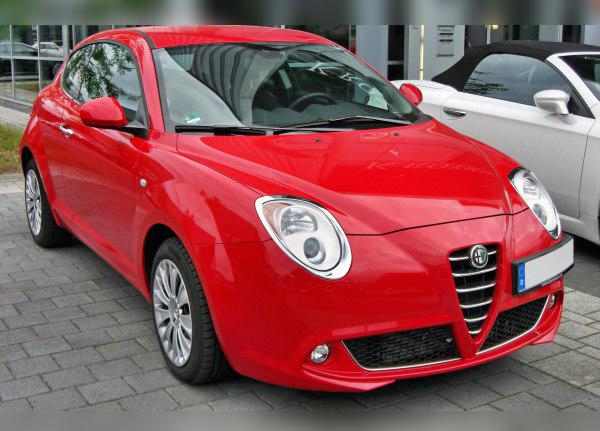
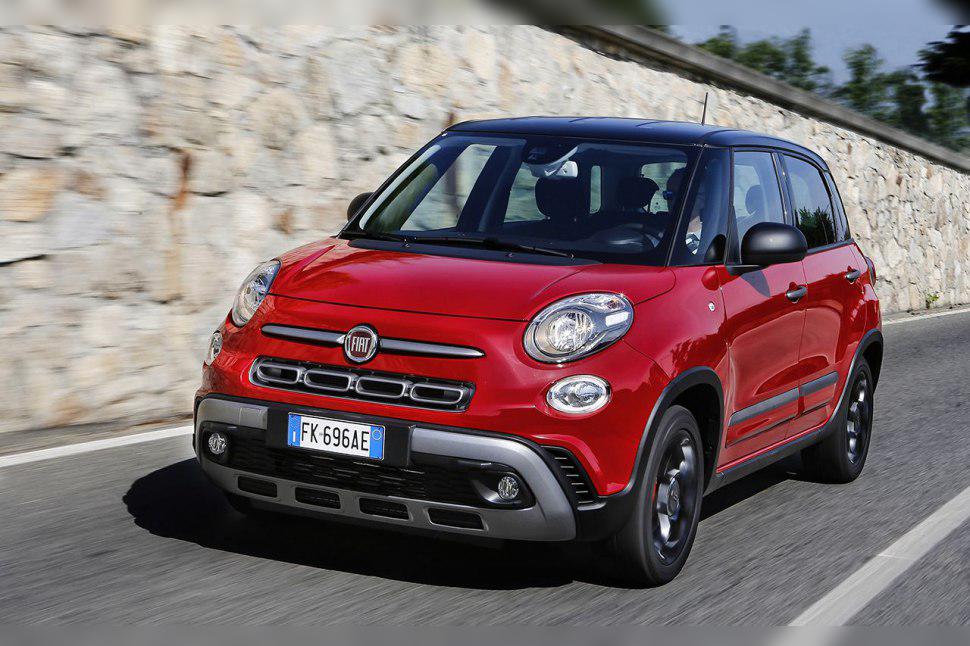
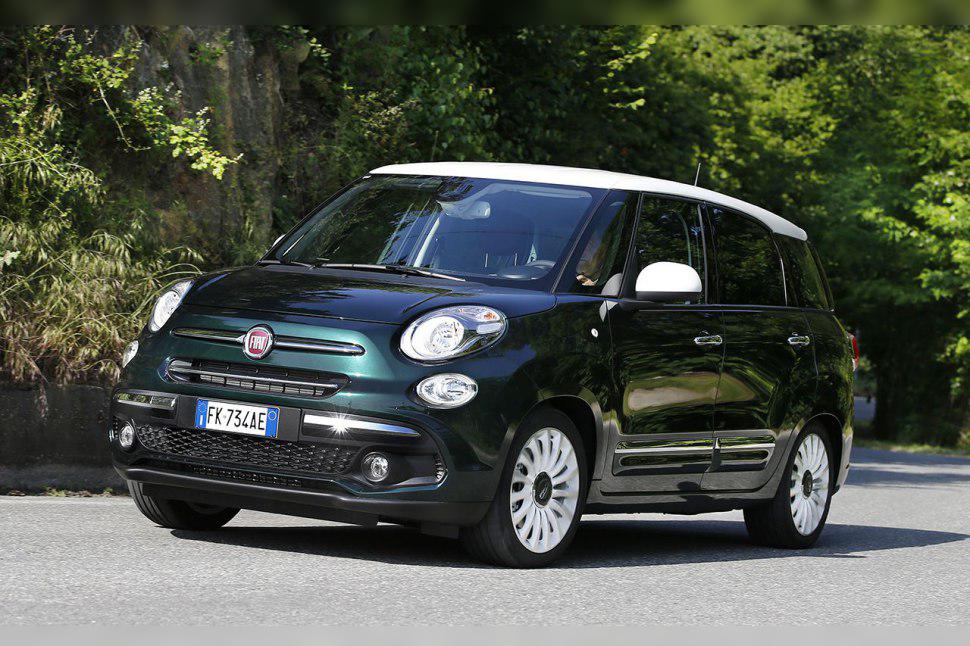
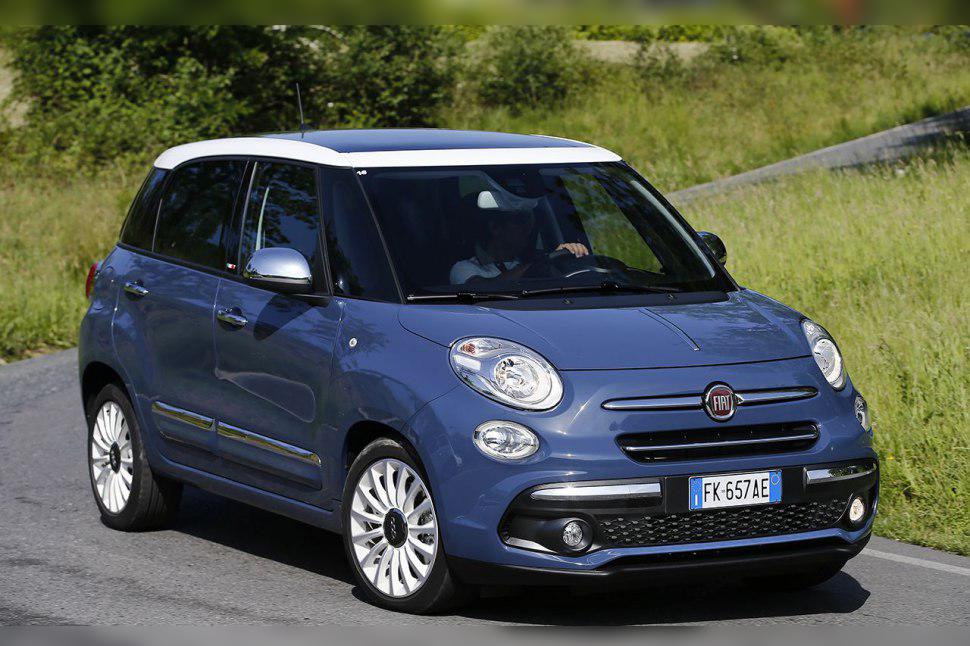
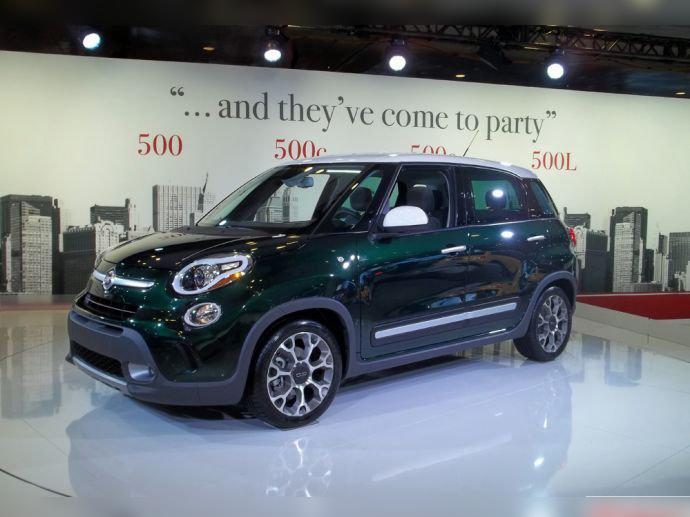
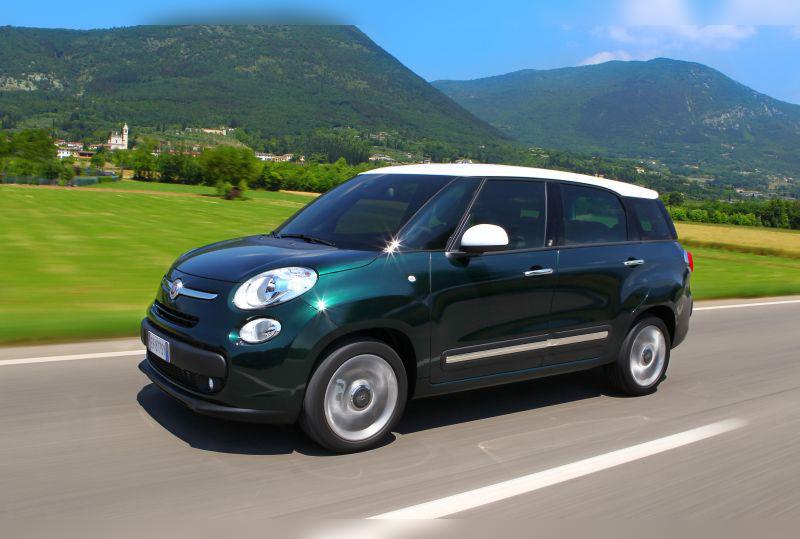
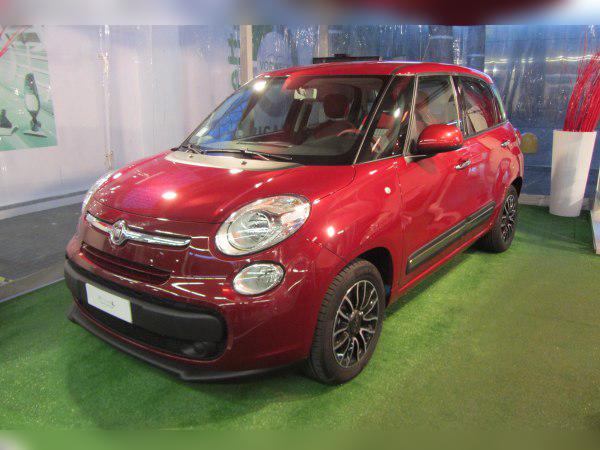
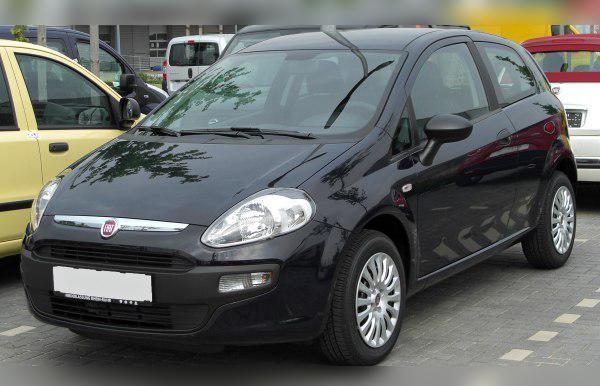
When talking about modern Italian diesels, the code 955A3000 refers to the well-known 1.6 MultiJet II (or JTDm in Alfa Romeo) engine with 120 horsepower. Introduced as the logical successor to the legendary 1.9 JTD unit, this engine offers an excellent balance between performance, torque and emissions. Thanks to its robustness, it has been used in a wide range of vehicles – from the sporty Alfa Romeo MiTo, through city runabouts such as the Fiat Grande Punto and Punto Evo, all the way to family cruisers like the Fiat 500L in Trekking, Cross and extended Living/Wagon versions. Its versatility is exactly what makes it one of the most common diesels on the used-car market.
Technical specifications
| Parameter | Value |
|---|---|
| Engine code | 955A3000 |
| Displacement | 1598 cc |
| Power | 88 kW (120 HP) |
| Torque | 320 Nm |
| Fuel type | Diesel |
| Injection system | Direct (Bosch Common Rail MultiJet II) |
| Intake/Boost | Variable geometry turbocharger (VGT), intercooler |
Reliability and maintenance
One of the first questions any mechanic hears is about the type of timing drive. The 955A3000 engine uses a timing belt. This is good news, as the system is simple, cheaper to replace compared to a timing chain and does not suffer from sudden stretching. The major service is, according to factory specs, due at around 120,000 km or every 5 years, but based on experience in our driving conditions, it is recommended to shorten this interval to 90,000 to 100,000 km to avoid belt failure due to material aging.
As for lubrication, this engine takes around 4.6 to 4.8 liters of oil (including the filter). It is mandatory to use fully synthetic oil with a 5W-30 ACEA C2 rating (e.g. Selenia WR Forward), which is suitable for use with a DPF filter. In terms of oil consumption, a healthy 1.6 MultiJet should not consume oil between services. A loss of up to 0.3 liters per 10,000 km can be tolerated, but anything above that points to worn piston rings (which is rare) or oil passing through the turbocharger bearings.
Being a diesel, this engine uses injectors. The injectors on this engine (Bosch) have proven to be extremely reliable. Unlike some competing brands, the service life of these injectors often exceeds 250,000 km with regular fuel filter changes. When they wear out, symptoms include hard starting, rough idle and black smoke when you press the accelerator. The good news is that they can be overhauled at a relatively reasonable cost.
Most common 955A3000 engine failures
The core mechanics of the block, crankshaft and cylinder head are virtually indestructible, but the peripherals can cause headaches. The most common failures are:
- EGR valve and intake manifold: Due to city driving, soot builds up, blocking the EGR valve and reducing intake manifold flow, which chokes the engine and puts it into “safe mode”.
- Intercooler hose rupture: Over time, rubber hoses lose flexibility and crack under pressure. Symptoms include a loud hissing sound under acceleration and a loss of power accompanied by thick black smoke from the exhaust.
- Thermostat: A frequent issue on Italian engines. If the temperature gauge drops below 90°C on the open road, the thermostat is stuck open and needs to be replaced urgently.
Specific parts and costs
This unit transfers power through the gearbox via a dual-mass flywheel (DMF). It is responsible for smooth engine operation and protecting the gearbox from vibrations. The flywheel’s service life is between 150,000 and 200,000 km, depending on driving style. Symptoms of wear include knocking at idle, juddering when setting off and strong vibrations when switching the engine off. Replacing the clutch kit and dual-mass flywheel is very expensive (depends on the market), so this deserves special attention when buying.
The engine is equipped with a single variable geometry turbocharger (VGT). The turbo’s service life is excellent if the engine is serviced regularly and not switched off immediately after hard motorway driving. The first signs of failure are a “whistling” turbo sound and increased oil consumption.
Emissions control is crucial. In all versions (except the very earliest test units), the engine is fitted with a DPF filter and EGR valve. The DPF is notorious among drivers who use the car exclusively for short house-to-work city trips. Frequent interrupted regenerations lead to diesel fuel seeping into the sump (oil level rises) and complete filter blockage. DPF cleaning is expensive (depends on the market).
AdBlue system: Most vehicles with the 955A3000 code (Euro 5 and early Euro 6) do not have an AdBlue system. They rely solely on DPF and LNT (Lean NOx Trap) catalysts. Only later versions under stricter Euro 6d standards received SCR catalysts with AdBlue fluid, but with this specific engine code you will most often not have to worry about urea pumps, injectors and AdBlue tanks that cause headaches on newer generations.
Fuel consumption and performance
Fuel consumption varies greatly depending on the car in which the engine is installed. In the more aerodynamic MiTo, consumption is lower compared to the tall, boxy Fiat 500L.
- City driving: Real-world consumption in heavy city traffic is between 6.5 and 8.0 l/100 km. In the heavy 7‑seater 500L Living under full load, winter city consumption can easily reach 8.5 liters.
- Motorway: Thanks to the 6‑speed gearbox, the engine cruises at 130 km/h at around 2,200 to 2,400 rpm (depending on the specific gearbox ratios for the given model). Aerodynamics play a role here, so a Punto will use around 5.5 l/100 km, while a 500L at the same speed will need about 6.5 to 7.0 l/100 km due to its large air resistance.
Is the engine “lazy”? Absolutely not. With 320 Nm of torque available already at around 1,750 rpm, the engine is extremely flexible. In the Fiat 500L, this is actually the best engine choice. Unlike the weak 1.3 MultiJet, the 1.6 MJet with 120 HP offers safe and easy overtaking on open roads, even when the car is fully loaded with passengers and luggage.
Additional options and modifications
Diesel engines are of course not suitable for LPG, but they are very popular among tuners. The 955A3000 engine has huge potential for chiptuning (Stage 1). Standard remaps easily and safely raise power from 120 HP to 145 to 155 HP, while torque increases from 320 Nm to 380 to 400 Nm.
Such a modification does not drastically shorten engine life, provided it is done professionally, but it requires a completely healthy dual-mass flywheel and clutch. The additional torque will quickly destroy a clutch that is already on its way out.
Gearbox: Manual and automatic
This engine is most commonly paired with a 6‑speed manual gearbox known as the C635. In Alfa Romeo models (MiTo) it can also be found paired with a TCT (Twin Clutch Transmission) dual‑clutch automatic, while some Fiat versions use a robotised manual gearbox (Dualogic).
Gearbox failures and maintenance
- Manual C635: The first series of this gearbox had issues with bearings on the first and second gear shaft. Symptoms include whining while driving and stiffness when engaging first gear. This was later resolved.
- Automatic TCT: The TCT is excellent to drive, but failures of the hydraulic control unit (clutch actuator) can be very expensive (depends on the market). It requires great care and strictly regular oil changes in the hydraulic section.
- Gearbox service: Although many manufacturers claim that manual gearbox oil is “lifetime filled”, in practice it should be changed every 60,000 to 80,000 km. The cost is minimal and it extends the life of synchros and bearings. For automatics (TCT), the oil change interval is strict and is usually around 60,000 km.
Buying used and conclusion
When looking at a used car with the 1.6 MultiJet 120 HP engine, your best friends are a cold start and diagnostics.
What must you check before buying?
- Cold start and noise: Listen carefully during the first few seconds of operation. Metallic rattling or noticeable vibrations on the clutch pedal indicate a worn dual-mass flywheel.
- Exhaust smoke colour: Press the accelerator pedal sharply with the engine warmed up. If it emits thick black smoke, the EGR valve is clogged or one of the turbo hoses is leaking boost. If the smoke is bluish, the turbo is burning oil.
- DPF condition (via diagnostics): Be sure to connect an OBD diagnostic tool and check the DPF saturation level (in percent) and when the last regeneration was performed. Also check injector correction values – large differences indicate that one of the injectors is not delivering fuel properly.
- Suspension: When buying a heavier Fiat 500L model, pay attention to the suspension. The front end (ball joints, tie rods, stabiliser links) often suffers under the weight of the large diesel engine, especially on poor roads.
Who is this engine for?
The 955A3000 (1.6 JTDm / MultiJet 120 HP) is a true workhorse. It is ideal for people who cover serious mileage on open roads and need a car that can effortlessly carry a full boot and the whole family on holiday (especially the 500L Trekking/Living).
On the other hand, if you only need a car to drive 5 kilometres a day from your flat to the office in stop‑and‑go traffic, steer clear of this engine. In such conditions, the DPF filter will clog quickly, the EGR valve will get gummed up, and you will spend more time at the mechanic’s than on the road. For that kind of use, a small turbo‑petrol engine is a far smarter choice.