Opel 1.3 CDTI Engine (A13DTE) 95 HP: Experiences, Problems, Fuel Consumption and Used Car Buying Guide
Key points in short (TL;DR):
- Extremely economical engine in city driving, but struggles with larger bodies such as the Astra J.
- The engine uses a timing chain, which is also its weakest point due to its tendency to stretch.
- Sensitive DPF filter and EGR valve if the car is driven exclusively on short distances.
- Equipped with a dual-mass flywheel, whose replacement can be a significant expense.
- The oil sump capacity is very small (around 3.2 liters), so regular oil changes are critical for longevity.
- Depending on the gearbox installed (especially the M32), gearbox bearing issues are possible.
Contents
- Introduction: About the A13DTE Engine
- Technical Specifications
- Reliability and Maintenance
- Specific Components (EGR, DPF, Turbo, Flywheel)
- Fuel Consumption and Performance
- Additional Options and Modifications
- Gearbox and Drivetrain
- Buying Used and Conclusion
Introduction: About the A13DTE Engine
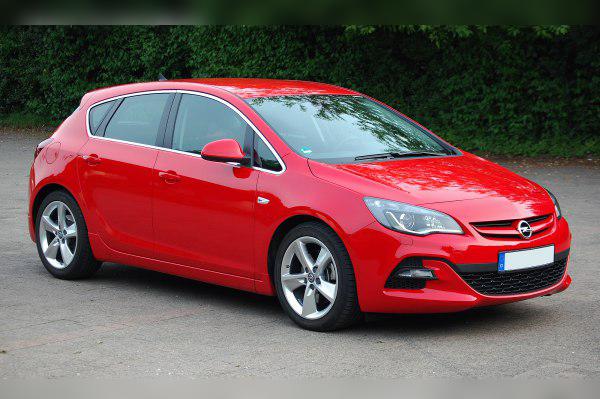
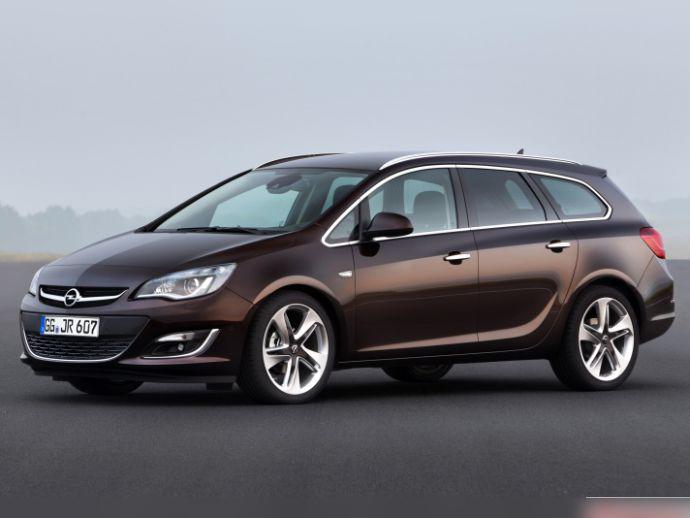
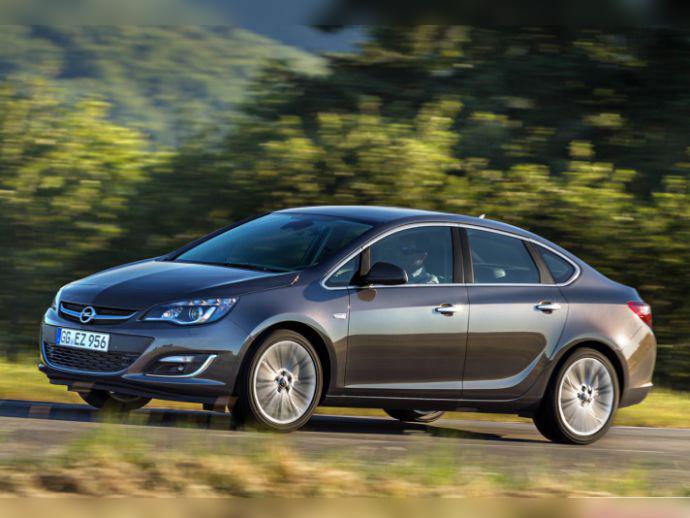
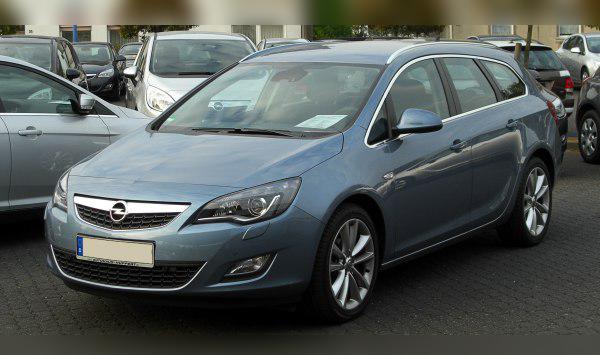
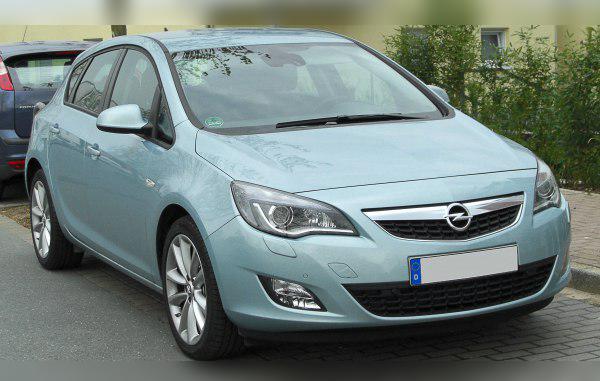
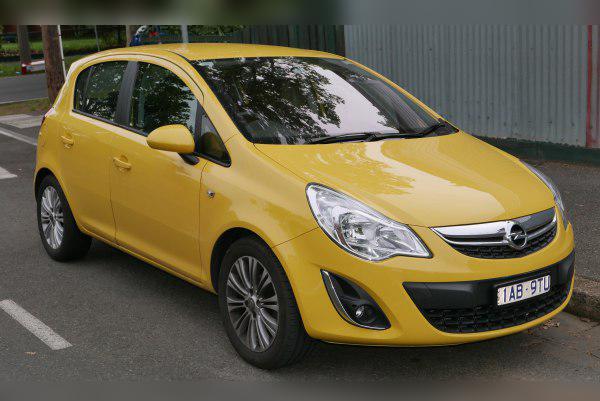
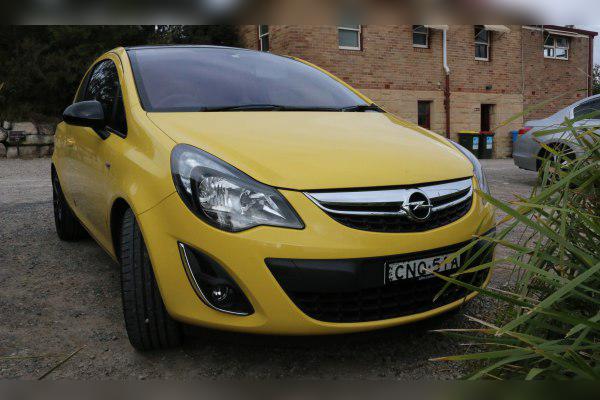
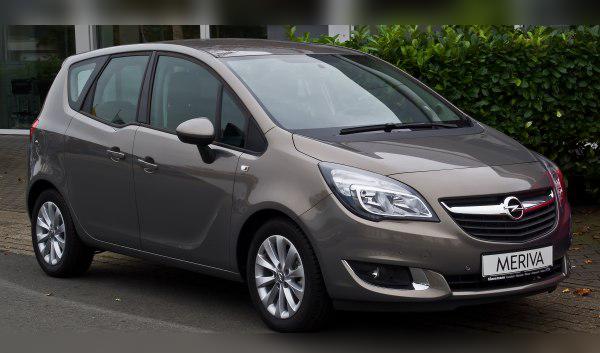
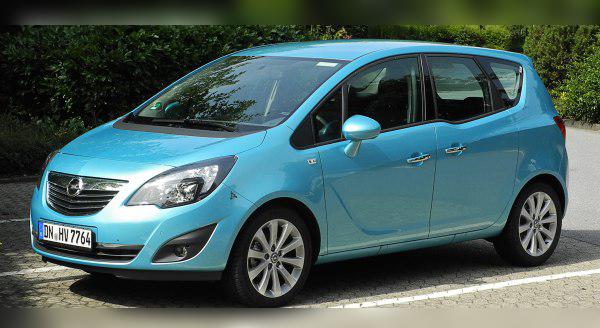
The engine with the code A13DTE is part of the well-known family of 1.3-liter diesel units developed in cooperation between Fiat Group and General Motors (Opel). With its 95 horsepower, this 1.3 CDTI engine is one of the most widespread on the European market, where it has proven to be a reliable partner in smaller city cars, but also as a base diesel for larger compact models and MPVs. It was installed across the range, including the Corsa D, Meriva B and Astra J (as well as their Vauxhall counterparts). Due to strict emission standards, this engine is equipped with various exhaust gas reduction systems, which means its maintenance requires a specific approach and understanding of how the engine works.
Technical Specifications
| Specification | Value |
|---|---|
| Engine displacement | 1248 cc |
| Power output | 70 kW (95 HP) |
| Torque | 190 Nm |
| Engine code | A13DTE |
| Fuel type | Diesel |
| Injection type | Common Rail |
| Charging system | Turbocharger (VGT), Intercooler |
Reliability and Maintenance
One of the first questions buyers ask concerns the timing system. The A13DTE uses a timing chain, not a timing belt. In theory, the chain should last as long as the engine itself, but practice has shown otherwise. The small oil capacity in the sump and infrequent servicing lead to reduced oil pressure in the chain tensioner. The consequence is chain stretch, and in higher mileage engines even skipping a tooth or snapping. Symptoms of chain stretch manifest as a metallic rattling noise on cold start that lasts a few seconds until the oil pressure rises. Because of this, a major service (replacement of the complete chain kit, tensioner and guides) is recommended every 100,000 to a maximum of 150,000 km, to prevent catastrophic failure that usually means broken rocker arms.
As for the lubrication system, this engine holds very little oil – around 3.2 liters during an oil change, and the recommended grade is 5W-30 that meets Opel’s dexos2 specification. Since the oil is exposed to high temperatures and soot contamination, it is recommended to change it every 10,000 to 15,000 km at most, never at 30,000 km as prescribed by long-life intervals. Mild oil consumption between services, up to 0.5 liters per 10,000 km, is considered normal for this unit. However, paradoxically, with this engine it is more common to see an increase in oil level due to diesel fuel seeping into the sump during failed DPF regenerations.
The Common Rail injectors are relatively robust and usually last between 200,000 and 250,000 km. Still, they are sensitive to fuel quality. When they start to fail, the driver may notice rough idle, increased fuel consumption, and characteristic black smoke under hard acceleration (if the DPF has not managed to trap it).
Specific Components (Costs)
This 95 HP unit is equipped with a dual-mass flywheel to smooth out vibrations and transfer the substantial 190 Nm of torque to the gearbox more smoothly. The dual-mass flywheel usually lasts up to around 200,000 km, and symptoms of wear include strong vibrations when switching the engine off and the clutch pedal “kicking” when pressed halfway. The cost of replacing the clutch kit together with the dual-mass flywheel ranges from 400 to 700 euros (depending on the market), so maintenance of this component is considered expensive.
The A13DTE engine has a single variable geometry turbocharger (VGT). Its lifespan is impressive with regular oil changes, but the main problem is soot build-up on the variable vanes due to city driving. Symptoms of a clogged turbo are sudden loss of power and the car going into limp mode on the motorway at higher revs.
Emissions equipment is the engine’s biggest enemy in city use. The EGR valve very often gets clogged with soot. As a result, the engine loses throttle response at low revs and the check engine light comes on. Cleaning the EGR valve is not very expensive (depending on the market), but it is often required. The DPF filter (diesel particulate filter) is also present and problematic. If the car is driven mainly in the city, the engine fails to complete the regeneration process. The ECU then injects extra diesel to raise the exhaust temperature; since regeneration is unsuccessful, that diesel runs down into the sump and mixes with the oil. The result? Diluted oil, a raised level on the dipstick and drastically reduced lubrication of the timing chain. As for AdBlue, this engine (A13DTE) does not have it because it generally meets Euro 5 standards, which saves you from dealing with a urea tank and pump.
Fuel Consumption and Performance
The main reason drivers love this engine is its low fuel consumption. Real-world city consumption ranges between 5.5 and 6.5 l/100 km, depending on vehicle weight and driving style. On the open road, consumption can drop below 4.5 l/100 km.
Is the engine “sluggish”? That depends on which car it is installed in. In the Opel Corsa D, this engine is very lively and more than adequate. However, in the Astra J and Meriva B models (which can weigh up to 1,400 kg empty), the 95 HP engine struggles with the heavy body. A serious lack of power is noticeable before the turbo spools up (the so-called “turbo lag” below 1,800 rpm). Overtaking on country roads requires good planning and shifting down.
On the motorway, at 130 km/h, the engine cruises at around 2,500–2,800 rpm, depending on whether it is paired with a five-speed or six-speed gearbox. It is not excessively noisy, but on motorway inclines it quickly runs out of breath and does not offer much power in reserve.
Additional Options and Modifications
For performance enthusiasts, the A13DTE has quite good potential for a so-called Stage 1 remap (chiptuning). A safe remap raises power from the stock 95 HP to around 115–120 HP, while torque increases to about 230 Nm. This modification dramatically helps Astra J drivers overcome the car’s sluggishness. However, caution is needed: the higher torque puts additional stress on the dual-mass flywheel and clutch, so if they are near the end of their service life, a remap will finish them off very quickly.
Gearbox
The choice of gearbox is crucial for the reliability of this powertrain. The A13DTE engine is paired with 5-speed manual gearboxes (code F17) and 6-speed manuals (mostly the well-known M20/M32), as well as with the automated manual gearbox (Easytronic).
Manual gearboxes
If the car is equipped with a six-speed gearbox (especially the M32 series), this is a well-known weak point of the model. The most common failure on the M32 gearbox is bearing failure due to insufficient lubrication or overheating. Symptoms manifest as whining noise when driving in 5th and 6th gear, as well as visible fore-and-aft movement of the gear lever when you press and release the throttle in 1st gear. Repairing this gearbox is very expensive (depending on the market). To prevent this, mechanics advise changing the gearbox oil (filling slightly more oil than the factory-specified amount) every 60,000 km.
Automatic gearbox (Easytronic)
Easytronic is not a conventional automatic, but a manual gearbox with a hydraulic/electric robot added on top to change gears. This gearbox is notorious for its lack of smoothness (jerky shifts) and its tendency to suffer clutch actuator failures. Repairing an Easytronic requires a skilled auto electrician and falls into the “expensive to very expensive” maintenance category (depending on the market).
Buying Used and Conclusion
Before buying a used car with the A13DTE engine, the most important step is a cold start. Ask to be the one to start the car first thing after it has been left overnight. If you hear metallic rattling (a sound similar to a bicycle chain) that lasts 2–3 seconds after starting, be aware that the chain needs replacing and factor that into the price immediately.
In addition, use diagnostics to check the DPF saturation level. Pull out the dipstick – if you see that the oil level is far above the MAX mark and there is a strong smell of diesel, walk away from that car, because regenerations have been failing and the engine has been poorly lubricated. During the test drive, listen for whining in 5th gear (due to the M32 gearbox) and test the dual-mass flywheel by pressing the clutch pedal halfway.
Who is this engine for? The 1.3 CDTI with 95 HP is a fantastic choice for taxi drivers and motorists who cover tens of thousands of kilometers on main and regional roads and are not in a hurry on the motorway. On the other hand, for those looking for a sporty car, those who drive an Astra estate fully loaded, or those who cover only 3–4 km a day to work – this engine will mean more visits to the mechanic (because of the DPF and EGR) than savings at the fuel pump.