Opel 2.0 CDTI A20DTH (160 hp): Experiences, problems, fuel consumption and used-car buying tips
Key points (TL;DR)
- Biggest flaw: The notorious O-ring on the oil pump pickup pipe. If not replaced preventively, it can lead to complete engine destruction (crankshaft seizure).
- Timing drive: The engine uses a timing belt, not a chain.
- DPF and EGR: Very sensitive to frequent city driving, clogging is a common issue.
- Dual-mass flywheel: Present and fails faster in heavier bodies like the Insignia. Replacement is expensive.
- Performance: In the Astra J it offers excellent performance, while in the Insignia it has to cope with the heavy body, so it’s not a “racer” but is excellent on the motorway.
- Fuel consumption: In the city it uses around 8 to 9 l/100 km (Insignia), while on the open road it is significantly more economical.
- Remapping: Handles Stage 1 maps very well, can be safely raised to about 190–195 hp.
Contents
- Introduction: About the A20DTH engine
- Technical specifications
- Reliability, maintenance and common failures
- Specific components: Injectors, DPF, turbo and AdBlue
- Real-world fuel consumption and performance
- Gearbox: Manual vs automatic
- Additional options and modifications (tuning)
- Buying used and conclusion
Introduction: About the A20DTH engine
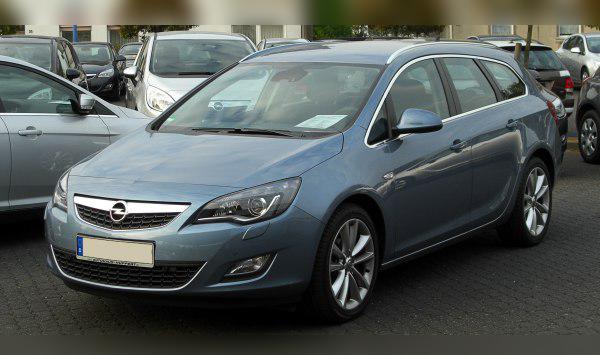
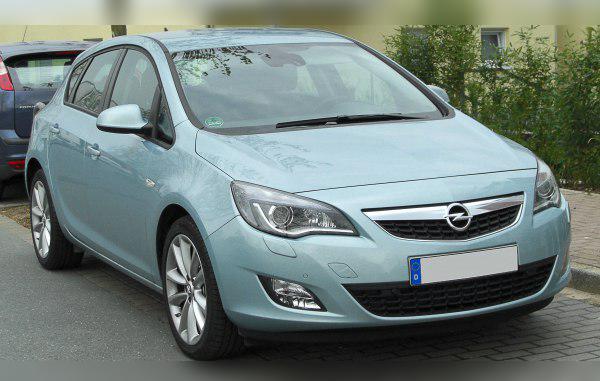
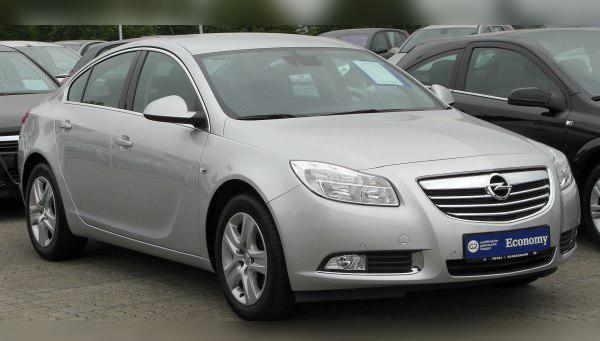
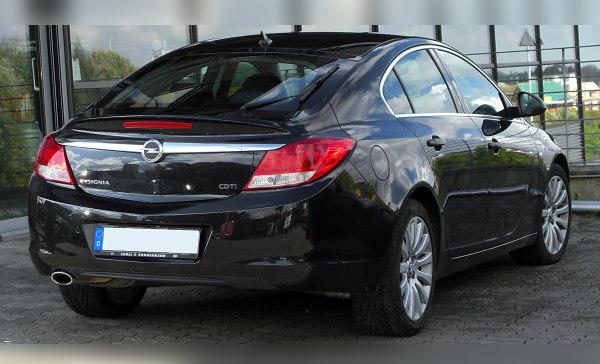
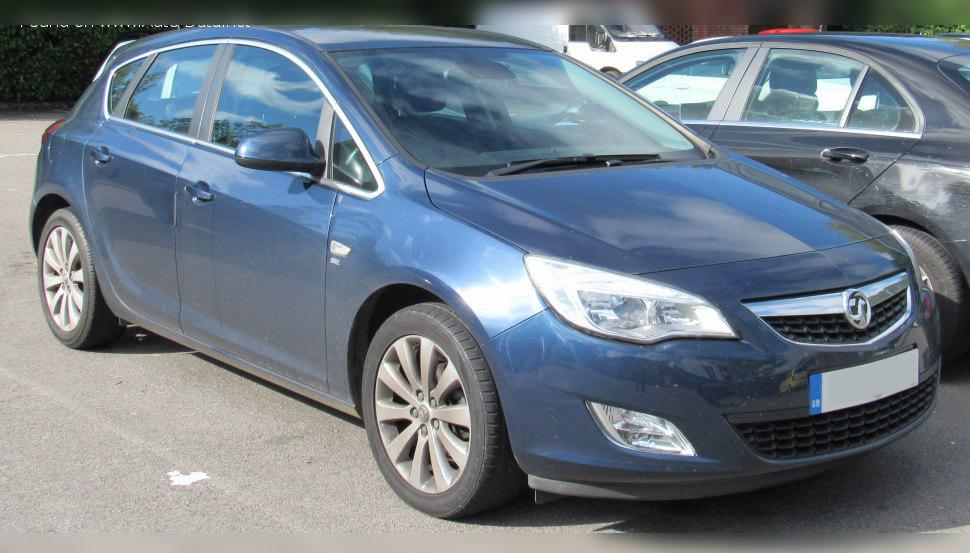
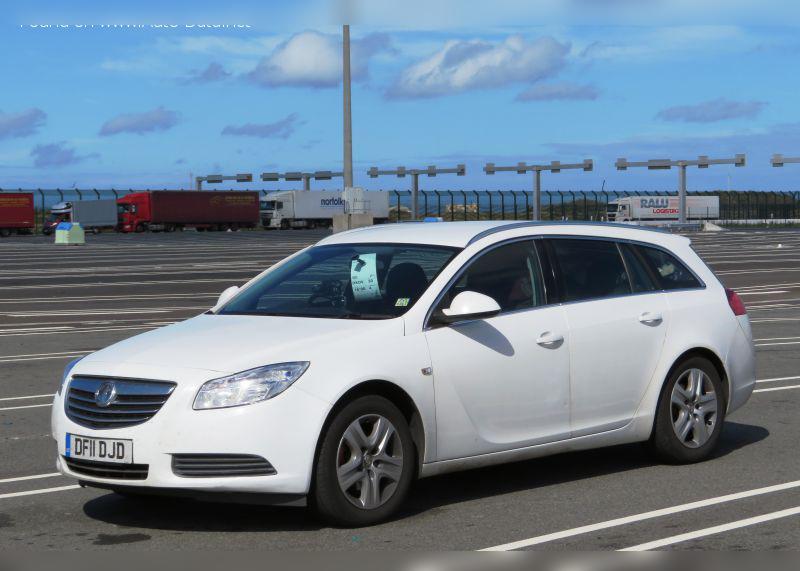
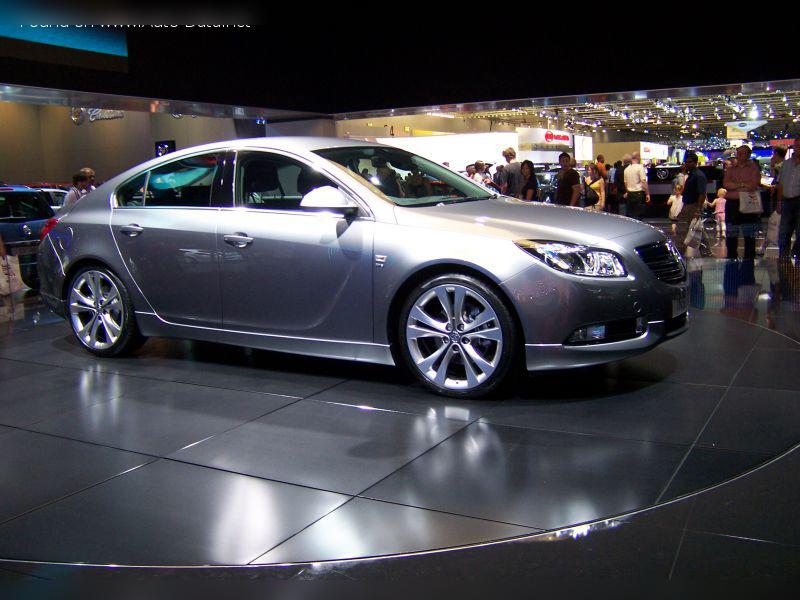
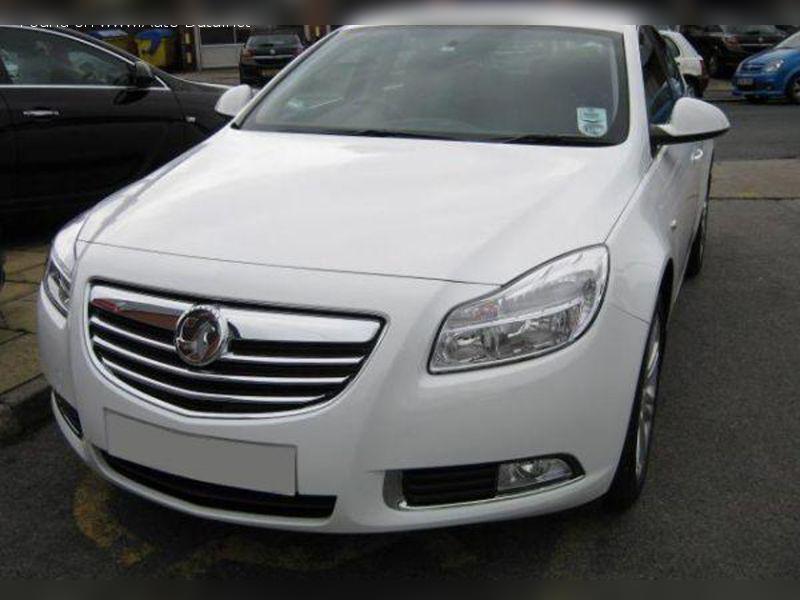
The A20DTH 2.0-litre engine with 118 kW (160 hp) is the result of cooperation between General Motors and Fiat (it basically shares its architecture with Fiat’s 2.0 MultiJet engine). It was widely installed in the Opel Astra J and Opel Insignia A, as well as their Vauxhall twins. Due to the high weight of the Insignia and Astra J, this engine was the optimal choice for most drivers, offering a solid 350 Nm of torque. However, it comes with several specific design solutions which, if neglected, can lead to catastrophic failures.
Technical specifications
| Specification | Value |
|---|---|
| Engine code | A20DTH |
| Displacement | 1956 cc |
| Power | 118 kW (160 hp) |
| Torque | 350 Nm (with overboost up to 380 Nm) |
| Injection type | Common Rail (Bosch) |
| Turbo / NA | Turbocharger (VGT) + intercooler |
| Emission standard | Euro 5 |
Reliability, maintenance and common failures
Timing belt and major service
This engine does not have a chain; it uses a conventional timing belt for the cam drive. The factory interval for the major service (replacement of belt, tensioner, idlers and water pump) is often optimistically set at 150,000 km, but experienced mechanics strongly advise doing the major service at a maximum of 90,000 to 100,000 km or every 5 years. A snapped belt causes valve-to-piston contact and total engine destruction.
Main issue: Oil pump O-ring
The absolutely best-known and most dangerous fault on the A20DTH engine is the sealing O-ring between the oil pump and the sump. Over time and due to temperature changes, this O-ring hardens and loses its sealing ability. Symptom: On the first cold start in the morning, the instrument cluster shows the message “Low Oil Pressure” for a few seconds. If the driver ignores this, the engine is left without lubrication, which leads to spun rod bearings and crankshaft seizure. The solution is preventive replacement of this O-ring (the part itself is cheap, but it requires removing the oil pan) every 60,000 to 80,000 km, usually together with a minor service. Replacement including labour is moderately expensive (depends on the market).
Engine oil and oil consumption
The engine takes exactly 4.5 litres of oil. Only fully synthetic 5W-30 oil that meets the GM Dexos 2 specification is recommended (because of the DPF filter). As for oil consumption between services, these engines are not known as “oil burners”. A loss of up to 0.5 litres per 10,000 km is considered completely normal, often due to evaporation or minimal passage through the turbocharger. Still, minor services should be done at a maximum of 15,000 km, and if the car is driven mostly in the city, at 10,000 km.
Intake swirl flaps and coolant leaks
The intake manifold has swirl flaps which improve combustion at low revs. On A20DTH engines, the linkage that connects them can fall off, or the flap shafts can develop play, causing boost leaks and oil vapour seepage. A common failure is cracking of the plastic EGR cooler housing, which leads to unexplained coolant loss.
Specific components: Injectors, DPF, turbo and AdBlue
Injection system and injectors
The engine uses a reliable Bosch Common Rail injection system. The injectors have proven to be very durable. With quality Euro diesel and regular fuel filter changes, they easily last 200,000 to 250,000 km. Symptoms of worn injectors include rough idle, increased black smoke (if the DPF is removed or faulty) and harder cold starts in winter.
DPF filter and EGR valve
Yes, this engine is equipped with both a DPF (diesel particulate filter) and an EGR valve. The EGR valve often clogs with soot, especially if the car is used for short city trips. A clogged EGR causes jerking under acceleration and loss of power. The DPF filter also suffers in city driving because the engine cannot start and complete the regeneration process. If regeneration is frequently interrupted, diesel fuel seeps into the sump and raises the oil level, which is dangerous for the engine. Cleaning or replacing these components falls into the more expensive repairs category (depends on the market).
Turbocharger and intercooler hoses
It has a single turbocharger with variable geometry (VGT). The turbo itself has a very good service life, often exceeding 250,000 km provided the oil is changed regularly. What fails much more often are the intercooler hoses. When a hose cracks, you can hear a loud hissing sound under throttle, the car loses power and the “Check Engine” light comes on.
AdBlue system
The A20DTH engine meets the Euro 5 standard and does not have an AdBlue system. This is actually an advantage for used-car buyers, as they don’t have to worry about expensive failures of AdBlue pumps and heaters (those are reserved for the newer B20DTH Euro 6 engines).
Real-world fuel consumption and performance
General Motors built heavy cars. An Insignia Sports Tourer easily exceeds 1,700 kg, and even the Astra J is no lightweight. Is 160 hp too little? For the Astra J it is more than enough; the car is very lively. However, in the Insignia this engine is not particularly agile at low revs; the car can feel slightly “lazy” until the turbo builds boost (above about 1,800 rpm). Still, once it gets going, in-gear acceleration is excellent thanks to the 350 Nm of torque.
Fuel consumption:
- City: Don’t expect miracles. The heavy body in stop-and-go traffic takes its toll. Real-world consumption in heavier traffic is between 8.0 and 9.5 l/100 km.
- Motorway: This is the natural environment for the A20DTH engine. At 130 km/h in sixth gear, the engine cruises at a very relaxed around 2,200 to 2,300 rpm (depending on gearbox type). Consumption then drops to a very acceptable 5.5 to 6.5 l/100 km.
Gearbox: Manual vs automatic
Manual gearbox (F40) and dual-mass flywheel
Most often it is paired with the 6-speed manual gearbox designated F40. This gearbox is overengineered and extremely robust (it can handle much more torque than the engine produces), so it rarely fails. Its downside is that shifting in winter while cold can be somewhat stiff and not very precise. The oil in it (about 2 litres) is changed at 100,000 km, although the factory does not require it.
This engine uses a dual-mass flywheel. The vehicle’s weight accelerates clutch and flywheel wear, especially with drivers who release the clutch harshly or floor the throttle at low revs. A clutch kit with dual-mass flywheel is a costly repair (depends on the market). Symptoms of a failing flywheel are strong vibrations at idle, metallic rattling when switching the engine off and difficulty engaging gears.
Automatic gearbox (Aisin AF40)
The automatic option is the classic 6-speed Aisin (AF40) gearbox with a hydraulic torque converter. It is very comfortable and reasonably quick for its generation. The biggest problem: lack of maintenance. The manufacturer long claimed the oil was “lifetime”, which led to the destruction of many gearboxes. The ATF oil must be changed every 60,000 km. If this is neglected, dirty oil destroys the valve body. Symptoms of failure are strong jolts when engaging “D” or “R”, as well as jerking when shifting from second to third gear. Valve body repair or gearbox overhaul is a very expensive job (depends on the market).
Versions with 4x4 drive also have a Haldex clutch on the rear axle, which also requires regular oil changes, otherwise the drive pump will fail.
Additional options and modifications (tuning)
This diesel engine is an excellent platform for Stage 1 remapping. There is plenty of headroom in the components, so with a simple software modification the power can be safely raised to about 190 to 195 hp, and torque up to 410–420 Nm. After this, the Insignia becomes noticeably more eager and copes with its weight much better when overtaking. Naturally, the prerequisite for safe tuning is that the turbocharger, injectors and dual-mass flywheel are in perfect condition.
Buying used and conclusion
What exactly to check before buying?
- Cold start: Insist that the car is not started before you arrive. Start the engine and watch the dashboard. If it shows a low oil pressure warning (even for half a second), the engine may already have suffered crankshaft damage.
- Flywheel noise: Press the clutch pedal halfway and listen for changes in engine sound. Release the clutch suddenly (at idle) and listen for a dull knock.
- DPF diagnostics: Be sure to connect an OBD scanner and check the “soot accumulation” level in the DPF and when the last regeneration took place. If regeneration was done 10 km ago and it is already full, the DPF is near the end of its life.
- Hoses and oil around the turbo: Inspect the thick rubber hoses going to the intercooler. If they are oily, there is probably a crack.
Final verdict
Who is the A20DTH for? This engine is perfect for drivers who cover a lot of kilometres on open roads, live on the motorway or travel frequently. In such conditions, the comfort of the Insignia or Astra J combined with this diesel offers excellent value for money. On the other hand, if you are buying the car for everyday short trips to the shop, rush-hour traffic and hopping from one traffic light to another, stay away from it – the DPF, EGR and dual-mass flywheel will drain your wallet. If you decide to buy one, immediately after the ownership transfer you must do a major service and replace the oil pump O-ring. With that prerequisite, it is a reliable and long-lasting engine.