A20DTH 2.0 CDTI Engine (163 HP): Experiences, Problems, Fuel Consumption and Used Car Buying Tips
Key points (TL;DR)
- This is an extremely durable diesel engine, ideal for long-distance driving and heavy bodies, but it does not tolerate city traffic well.
- Biggest downside: The seal on the oil pump pickup tube hardens over time, which can lead to catastrophic engine damage (preventive replacement is mandatory).
- The engine uses a timing belt, and a major service is recommended at no later than 120,000 km to 150,000 km.
- Due to the high vehicle weight, fuel consumption in the city is above the class average, while on the highway it is extremely economical.
- DPF and EGR systems often cause headaches if the car is driven mostly in the city on short trips.
- Repairs of the dual-mass flywheel and advanced glow plugs with pressure sensors fall into very expensive interventions (Depends on the market).
Contents
- Introduction: The golden mean for heavyweights
- Technical specifications
- Reliability and maintenance
- Specific parts and failures
- Fuel consumption and performance
- Additional options and modifications
- Gearbox: Manual and automatic
- Buying used and conclusion
Introduction: The golden mean for heavyweights
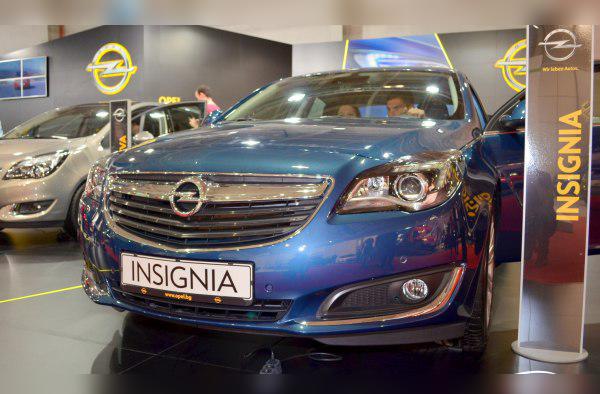
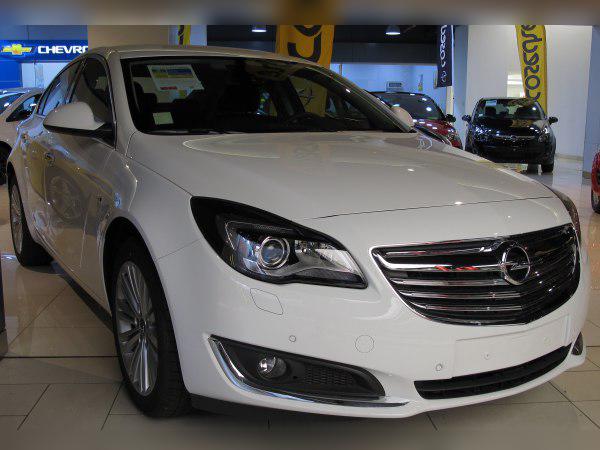
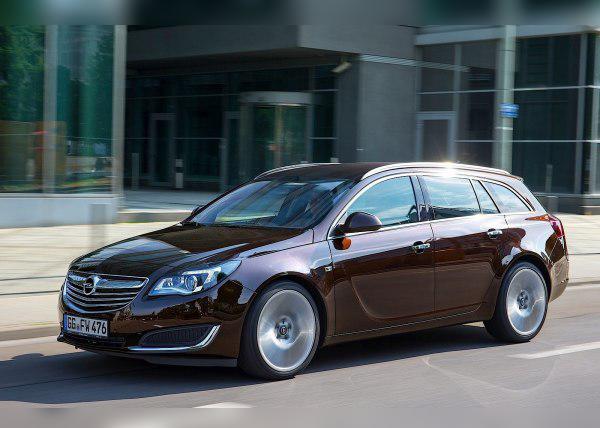
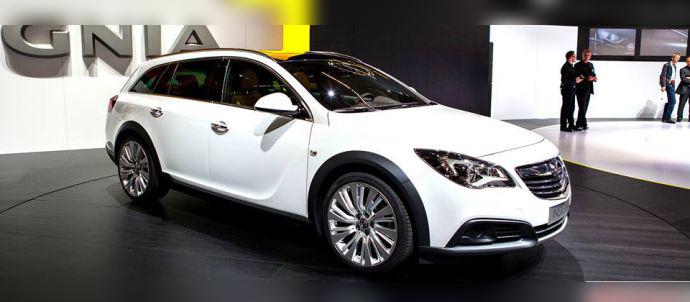
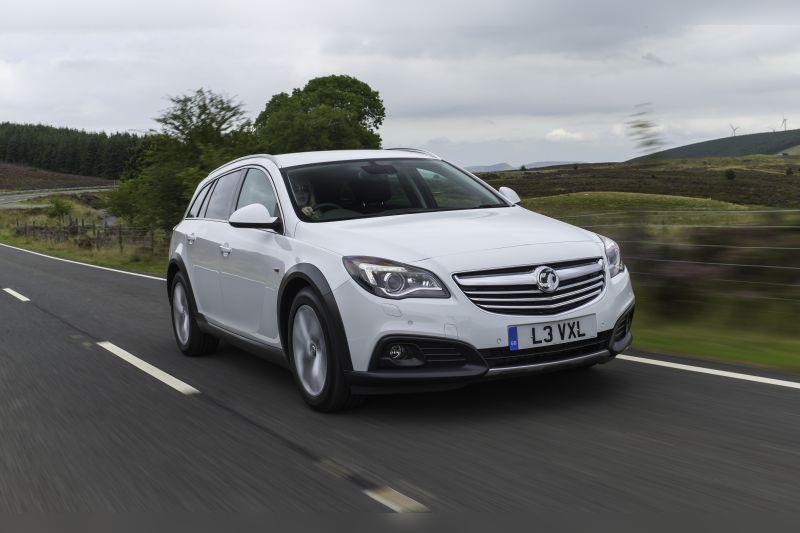
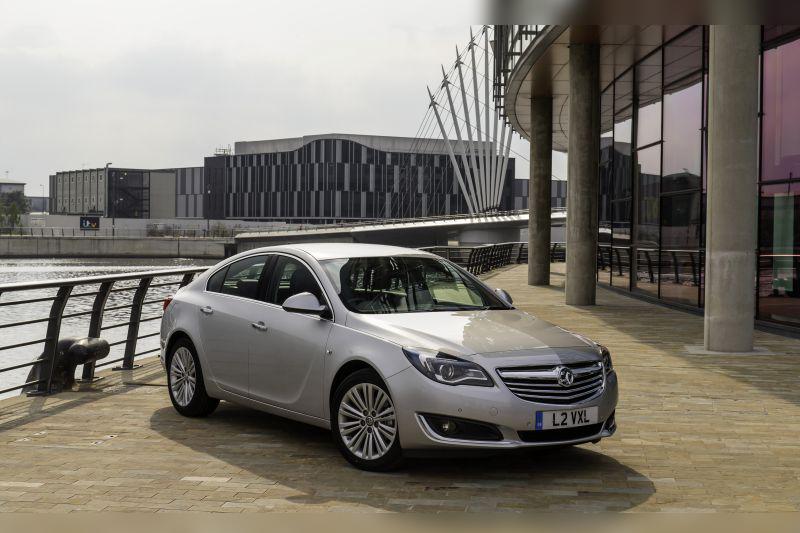
The A20DTH 2.0-liter unit with 120 kW (163 HP) is one of the most popular powerplants in the Opel (and Vauxhall) range. Originally based on Fiat’s JTDm architecture but thoroughly modified, this common-rail diesel became the backbone of the Insignia A model, especially in the refreshed (facelift) versions from 2013 onwards. Thanks to its solid torque, this engine is a logical choice for sedans and wagons weighing over a ton and a half, offering a compromise between performance, durability and running costs.
Technical specifications
| Engine displacement | 1956 cc |
| Engine power | 120 kW (163 HP) |
| Torque | 350 Nm |
| Engine codes | A20DTH |
| Injection type | Common Rail (Bosch) |
| Charging system | Turbocharger (VGT), Intercooler |
Reliability and maintenance
Unlike some competing units, the A20DTH uses a timing belt for the valve train. According to the manufacturer, the replacement interval is quite long, but in practice a major service should definitely be done every 120,000 to 150,000 km or every 5 to 6 years. During the major service, all idler pulleys, tensioners and the water pump must be replaced.
As for lubrication, this engine takes 4.5 liters of oil, and fully synthetic 5W-30 oil that meets the Dexos 2 standard is strictly recommended (especially important because of the DPF filter). Under normal conditions, the engine does not consume large amounts of oil between services. If you notice a drop in the oil level, the problem is often a leak, while a rise in oil level may indicate an issue with interrupted DPF regenerations, where fuel seeps into the sump and dilutes the oil – this is considered a critical problem.
The star of the owners’ worst nightmares with this engine is the notorious seal on the oil pump pickup tube in the sump. Over time, due to thermal cycles, this seal loses its elasticity. The symptom is a brief "Low Oil Pressure" message during the first cold start in the morning. If this is ignored, the crankshaft and connecting rod bearings are left without lubrication, which results in the engine "seizing" and requiring a full rebuild. The repair is very expensive, while preventive replacement of the seal costs incomparably less and is recommended at every third minor service (or when removing the sump at around 60,000 km).
The diesel injectors are reliable Bosch units and generally do not suffer from early-life issues, provided you use quality fuel. Their average service life is around 200,000 to 250,000 km. When they start to fail, the driver may notice rough idle, increased fuel consumption, a harsher engine sound or more smoke under acceleration.
Specific parts and failures
This is a massive and modern diesel, and as such it comes with all the components that will require investment over time. The engine has a dual-mass flywheel, regardless of whether it is paired with a manual or most automatic gearboxes (where a similar assembly works together with the torque converter). With manual gearboxes, it is the first to suffer from low-rev driving. The cost of replacing the complete clutch kit with the flywheel is quite high (Depends on the market).
The intake air system uses a single variable geometry turbocharger (VGT). Its service life directly depends on regular oil changes. Under ideal conditions it can last over 200,000 km. The first symptoms of failure are a whistling noise under load and loss of power (limp mode) when the variable vanes get stuck due to soot buildup.
The engine of course has a DPF filter and an EGR valve. These components often and easily clog if the vehicle spends too much time in stop-and-go city traffic. A clogged EGR valve will cause jerking at low revs, while a saturated DPF leads to engine strangling and frequent radiator fan operation at idle as the system attempts regeneration.
Regarding the AdBlue system, it is important to point out the difference. The A20DTH version (Euro 5 standard) generally does not have an AdBlue system, which saves owners a lot of effort and money on potential pump and sensor failures. AdBlue became mandatory mainly with its successor (B20DTH engines, Euro 6).
Fuel consumption and performance
The 163 HP A20DTH is by no means a "lazy" engine, considering the available 350 Nm of torque. However, the weight of the vehicles in which it is most often installed (the Insignia weighs between 1,600 and 1,800 kg) takes its toll. The subjective feeling of acceleration is good, but not sporty. In city driving conditions, due to the heavy body, the engine records a real-world consumption of 8.0 to 9.5 l/100 km.
This unit shows its true character on the highway. It is designed for cruising at high speeds and in such conditions it is extremely smooth and stable. At 130 km/h in sixth gear, the engine runs at a relaxed 2,100 to 2,300 rpm, depending on the gearbox, while fuel consumption drops to a reasonable 5.5 to 6.5 l/100 km.
Additional options and modifications
For drivers who feel a lack of punch when overtaking, the A20DTH is an excellent platform for software tuning. A safe Stage 1 remap usually raises power to a respectable 190 to 200 HP, with torque increasing up to around 420 Nm. After remapping, the heavy body feels much livelier. It is important to note that before this intervention you should definitely check the condition of the dual-mass flywheel, clutch and DPF filter, because a more aggressive injection map can accelerate the failure of worn suspension and drivetrain components.
Gearbox: Manual and automatic
This model comes with two main types of gearboxes. The manual is the popular six-speed F40, and the automatic is most often Aisin’s six-speed AF40 with a torque converter.
Manual gearbox (F40)
The F40 is considered one of the more robust manual gearboxes capable of handling high torque, but its operation can sometimes feel "rough" and imprecise when shifting. The most common failures relate primarily to the peripherals, namely the dual-mass flywheel and the clutch release bearing. It is recommended to change the oil in the manual gearbox at around 80,000 to 100,000 km to maintain smooth gear changes.
Automatic gearbox (AF40)
The Aisin AF40 is a classic automatic, reliable but very sensitive to maintenance. Rule number one is oil change every 60,000 km. If these intervals are ignored, serious problems with the valve body (hydraulic control unit) appear, which the driver will notice as strong jerks or banging when shifting from second to third gear, or when engaging "D" or "R". Overhauling the automatic gearbox is very expensive (Depends on the market).
Buying used and conclusion
During a test drive and inspection of a used car with the A20DTH engine, always insist on starting the engine completely cold. Watch the instrument cluster – if even the slightest low oil pressure warning appears (even for a second), this is a red flag and an indication that the oil pump seal issue is probably already taking its toll on the crankshaft bearings.
Listen to the engine at idle and when switching it off. If you hear metallic rattling or the car shakes when shutting down, prepare a serious budget for a new dual-mass flywheel. Using an OBD diagnostic tool, the mechanic should definitely check DPF saturation and the time since the last regeneration.
Who is this engine for?
The 2.0 CDTI A20DTH 163 HP engine is practically tailor-made for business users and families who need a safe and comfortable car for long journeys on open roads and highways, where it shows its best performance and offers excellent fuel economy. It is not recommended for people who cover low annual mileage, mostly in the city, because the DPF, EGR and flywheel will quickly "punish" them with high costs.