Opel 2.0 CDTI A20DTH (165 HP) – Experiences, problems, fuel consumption and used car buying guide
- Biggest drawback: The rubber seal on the oil pump pickup pipe in the oil pan. It must be replaced preventively, otherwise the engine loses lubrication and the crankshaft gets damaged.
- Drive: The engine uses a timing belt; the major service is not too expensive, but it must be done on time.
- Component reliability: Injectors and turbocharger are very durable if the oil is changed regularly and service intervals are followed.
- DPF and EGR: Typical issues of modern diesels in frequent city driving. Prone to clogging and fouling.
- AdBlue system: A major advantage of this engine is that it usually meets Euro 5 standards and does not have an AdBlue system that would complicate maintenance.
- Drivetrain: It has a dual-mass flywheel. Replacing the complete clutch kit with the flywheel is an expensive job.
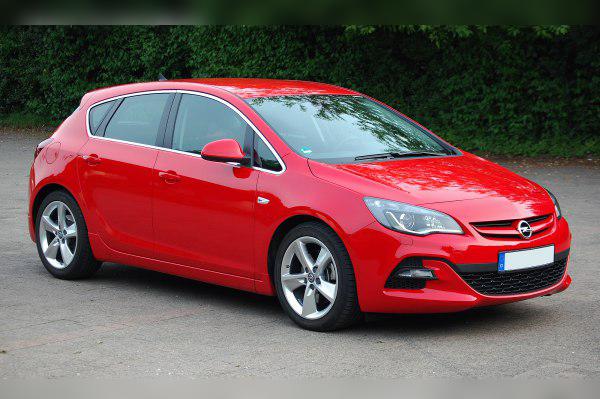
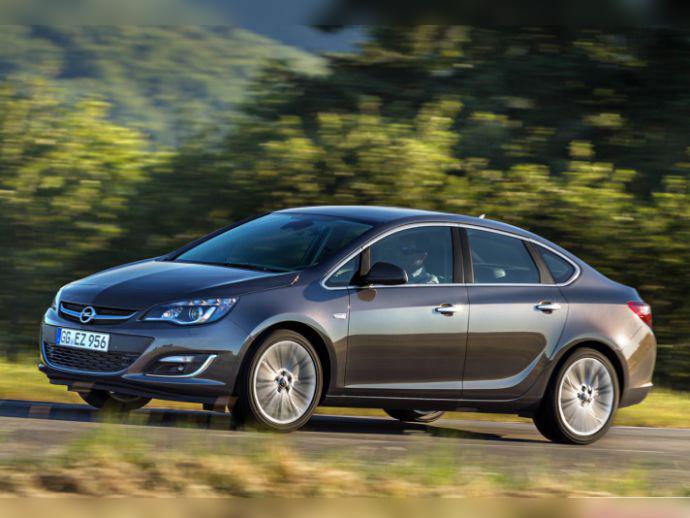
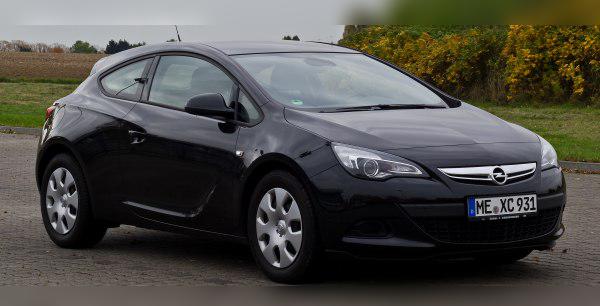
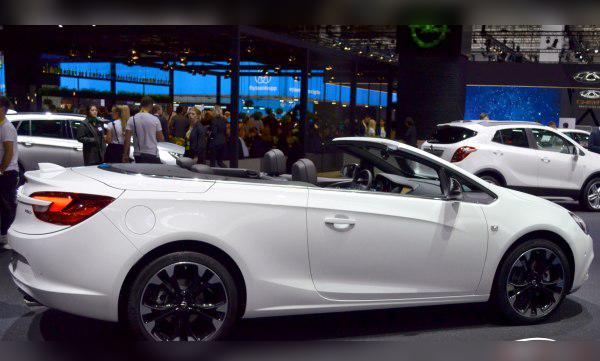
- Body and performance: The output of 121 kW (165 HP) is an ideal match for the fairly heavy bodies of models such as the Astra J, Zafira Tourer or Cascada.
Contents
- Introduction and basic information
- Technical specifications
- Reliability, maintenance and failures
- Specific parts and costs
- Fuel consumption and performance
- Additional options and modifications
- Gearboxes and drivetrain
- Buying used and conclusion
Introduction and basic information
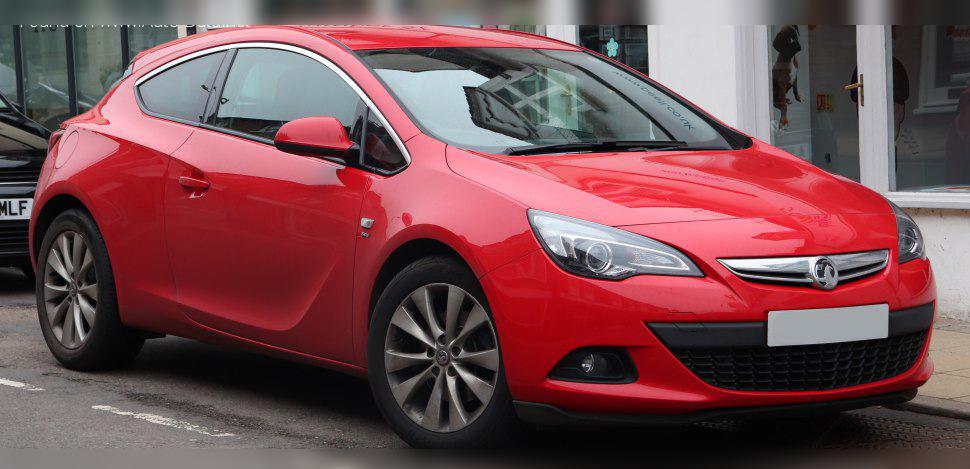
The engine with the code A20DTH is one of the most important diesel units in Opel’s range from the early and mid-2010s. It was created as a result of cooperation between General Motors and Fiat (it is based on the proven JTDm architecture), but it underwent a number of GM modifications. The version with 165 HP and 350 Nm of torque has proven to be the “golden middle ground” for models built on the extremely heavy Delta II platform (such as the Opel Astra J in all body styles, the Zafira Tourer C and the attractive Cascada). This engine combines excellent in-gear acceleration, a pleasant cruising speed and solid reliability, provided the driver is aware of several serious design flaws that must be addressed preventively.
Technical specifications
| Parameter | Data |
|---|---|
| Engine displacement | 1956 cc |
| Engine power | 121 kW (165 HP) |
| Torque | 350 Nm |
| Engine code | A20DTH |
| Injection type | Common Rail (Direct injection) |
| Charging system | Variable-geometry turbocharger, intercooler |
| Emission standard | Usually Euro 5 |
Reliability, maintenance and failures
When talking about the A20DTH engine, the first thing any somewhat experienced mechanic will check is the notorious oil pump seal (the gasket on the pickup pipe in the oil pan). Due to age, temperature changes and material fatigue, this seal hardens and loses its sealing ability. The symptom a driver may notice is a “Low Oil Pressure” warning on the instrument cluster during the first cold start in the morning, which disappears after a few seconds. If this is ignored, the pump draws air instead of oil, the engine is left virtually unlubricated and eventually the crankshaft bearings spin and the engine is destroyed. Replacing this seal is cheap compared to the damage it prevents and must be done preventively (recommended every 60,000 to 80,000 km, or whenever the oil pan is removed).
For transferring power to the camshafts this engine uses a timing belt, not a chain. The factory interval for the major service (replacement of belts, tensioners, idlers and water pump) is set at around 150,000 km or 6 years, but real-world experience suggests shortening that interval to 100,000 to 120,000 km, especially if the vehicle is used predominantly in city traffic.
The lubrication system capacity is about 4.5 liters, and only fully synthetic 5W-30 oil that meets GM’s dexos2 specification (because of the DPF filter) is recommended. The engine generally does not consume much oil, and any loss greater than 0.5 to 1 liter per 10,000 km indicates a problem (often oil leakage at the turbocharger itself or worn piston rings). As for the injectors, this is a reliable Bosch Common Rail system. The injectors perform very well, rarely fail without warning, and their service life often exceeds 250,000 km without the need for overhaul, provided quality diesel fuel is used and the fuel filter is changed regularly.
Specific parts and costs
Like any more powerful modern diesel, the A20DTH comes with a dual-mass flywheel. The cost of replacing the flywheel and the entire clutch set falls into the category: very expensive (depends on the market). Due to the high torque of 350 Nm, harsh driving and flooring the throttle at very low revs accelerate dual-mass flywheel wear. Symptoms of wear include vibrations at idle, knocking and jerking when switching the engine off, as well as difficulty engaging gears.
The engine is equipped with a single variable-geometry turbocharger. The turbo’s lifespan is quite decent (it can easily exceed 200,000 km), but long oil change intervals or switching off a very hot engine immediately after hard driving on the motorway can significantly shorten the life of the turbo bearings. Turbocharger overhaul is now a routine job, but the repair is: expensive (depends on the market).
In terms of emissions, the engine has a DPF filter and an EGR valve. If you drive an Astra or Zafira exclusively in the city, the EGR quickly fills with soot and can get stuck, which causes loss of power, black smoke and the “Check Engine” light to come on. The same driving pattern prevents the DPF filter from completing regeneration, so the filter can clog and the oil level in the sump starts to rise (because the excess fuel intended for burning soot ends up in the oil pan). This is why this engine needs to be regularly “blown out” on open roads.
Good news for all potential buyers: the A20DTH version that meets Euro 5 standards does not have an AdBlue system. This is a huge relief as it spares you from problems with failing AdBlue pumps and heaters, which are a common and costly headache on newer Euro 6 engines (for example, the B20DTH generation).
Fuel consumption and performance
Opel models from this era are notorious for their excessive weight. The Astra J in estate (Sports Tourer) form or the Zafira Tourer exceed 1.5 and even 1.6 tons. Because of this, realistic city fuel consumption is between 7.5 and 9 l/100 km, depending on traffic and gearbox type (automatics are always at the upper end). Despite the heavy body, this engine is not sluggish. With 165 HP and 350 Nm, it allows brisk overtaking and very smooth driving, so this unit is actually considered the ideal choice for these models (unlike the weaker 1.7 CDTI versions, which clearly struggle with the weight).
Where the A20DTH really shines is on open roads and motorways. It is a perfect cruiser for long journeys. At 130 km/h in sixth gear, the engine cruises at a relaxed 2000–2200 rpm (depending on the specific gearbox ratios), the cabin is fairly quiet and stable, and fuel consumption drops to around 5.5 to 6.5 l/100 km.
Additional options and modifications
When it comes to “chipping”, i.e. software tuning, the A20DTH is a very rewarding engine. The stock components and block are strong enough to easily withstand a typical Stage 1 remap. The engine can be safely raised from the stock 165 HP to 190 to 200 HP, while torque increases to over 400 Nm. Acceleration improves significantly, turbo lag is reduced, and the gearboxes designed for this engine generally tolerate this power increase without shortening their service life (assuming normal driving).
Gearboxes and drivetrain
Cars with this engine were fitted with massive and durable manual F40 6-speed gearboxes and automatic Aisin AF40-6 units (a conventional automatic with a torque converter). Unlike weaker Opels that use the notorious and fragile M32 gearbox, the F40 was designed for high torque (up to 400 Nm in stock form) and rarely fails. Its only real drawback is a somewhat rough and imprecise shift action, especially when engaging first or second gear while the oil is still cold. Preventive oil changes in the manual gearbox are recommended every 60,000 km, which costs: not expensive (depends on the market).
With the automatic gearbox, driving comfort is excellent, but it requires care. The most common failures are related to the valve body if the oil is not changed on time. Symptoms of a bad valve body are jolts when shifting from N to D or R, as well as shuddering during gear changes while driving (especially from second to third gear). To ensure long life of the automatic, it is absolutely essential to service it and change the oil (preferably with a machine flush) every 60,000 to 80,000 km at most. Overhauling the entire automatic gearbox is: very expensive (depends on the market).
Buying used and conclusion
Before buying a used car with the A20DTH engine, you need to pay attention to the following:
- First cold start: Insist that the engine is completely cold when you arrive. Watch the instrument cluster after you start the car. If it shows an oil pressure warning even for a second, be aware that the oil pump seal is bad. Also listen to the engine – if you hear a dull knocking from the lower part of the engine (from the block and oil pan), there is a high chance that the crankshaft is already damaged.
- Noise and vibrations: Listen to the clutch at idle. If the engine sound changes when you press the clutch pedal or the car vibrates excessively at idle, the dual-mass flywheel is nearing the end of its life.
- Diagnostics (OBD): A mechanic should check the DPF filter saturation level and the time elapsed since the last successful regeneration. If the car has spent its life in the city, the EGR and DPF are probably due for cleaning.
- Automatic gearbox: If you are testing an automatic, warm it up properly (at least 15–20 minutes of driving). Only a hot gearbox will show symptoms of “kicking” in the valve body during gear changes.
Conclusion: Mechanically speaking, the A20DTH (165 HP) is a very reliable, flexible and powerful engine, if we exclude one catastrophic factory flaw with the oil pump seal. It is intended for drivers who primarily use their car for cruising on open roads, long trips and situations where a heavy body full of passengers and luggage needs to be moved without effort. If you know the maintenance history and replace the problematic seal preventively (together with the major service), this engine can serve faithfully for hundreds of thousands of kilometers.