Opel and Suzuki 1.3 CDTI / DDiS (Z13DT) – Experiences, issues, fuel consumption and used-car buying tips
- The engine uses a timing chain which is sensitive to poor maintenance and can snap if not replaced in time.
- Low fuel consumption, an ideal engine for everyday city driving.
- This 70 hp version usually does not have a dual-mass flywheel, which significantly reduces maintenance costs.
- The EGR valve often causes headaches due to soot build-up.
- There is no AdBlue system, and most early versions don’t even have a DPF filter.
- The engine is sluggish in heavier bodies (such as the Opel Combo) and is not ideal for frequent highway driving.
- The injectors are durable, but the copper injector washers often fail, causing carbon build-up.
Contents
- Introduction and basic information
- Technical specifications
- Reliability and maintenance
- Specific parts and costs
- Fuel consumption and performance
- Additional options and modifications
- Gearboxes and drivetrain
- Buying used and conclusion
Introduction and basic information
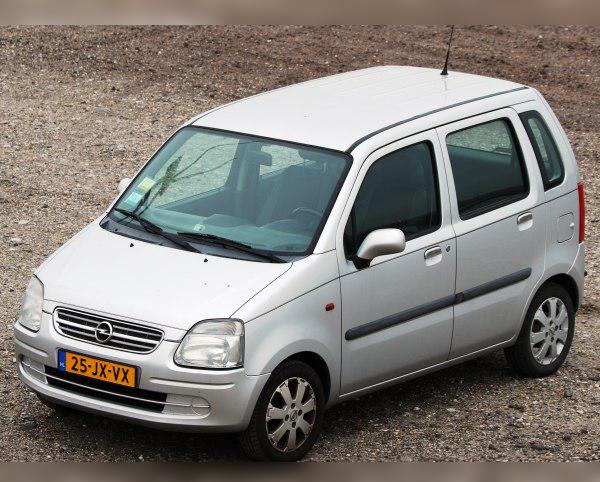
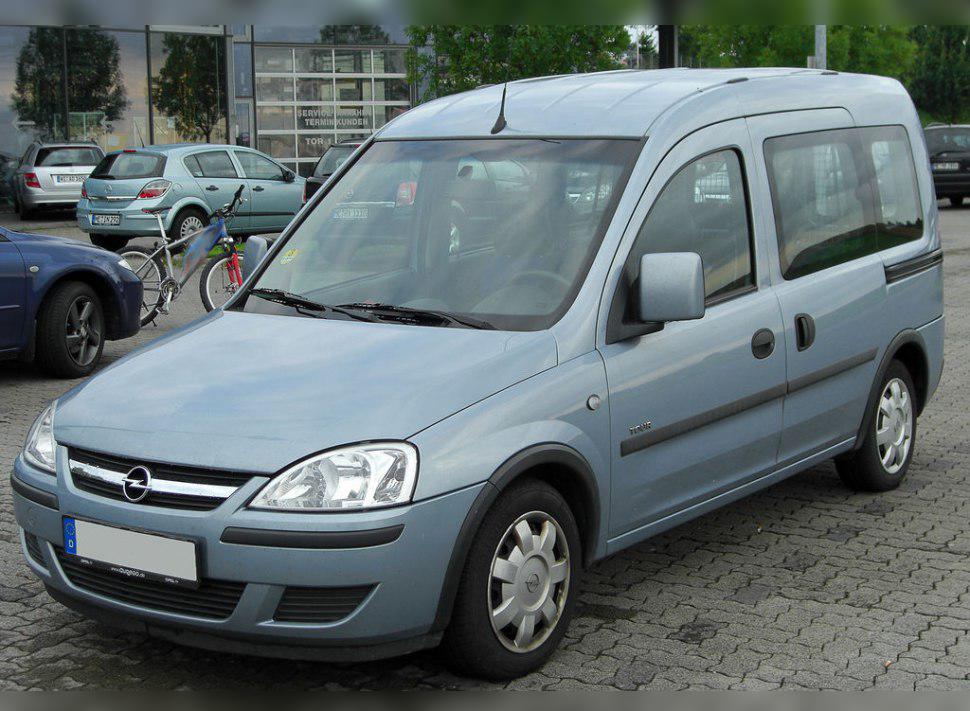
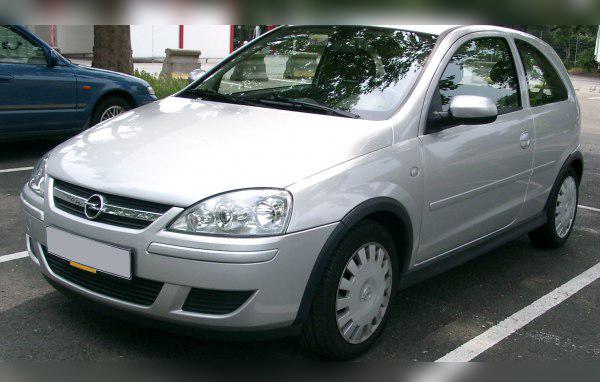
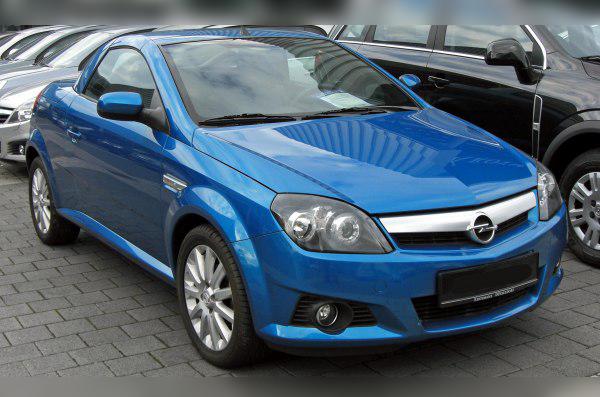
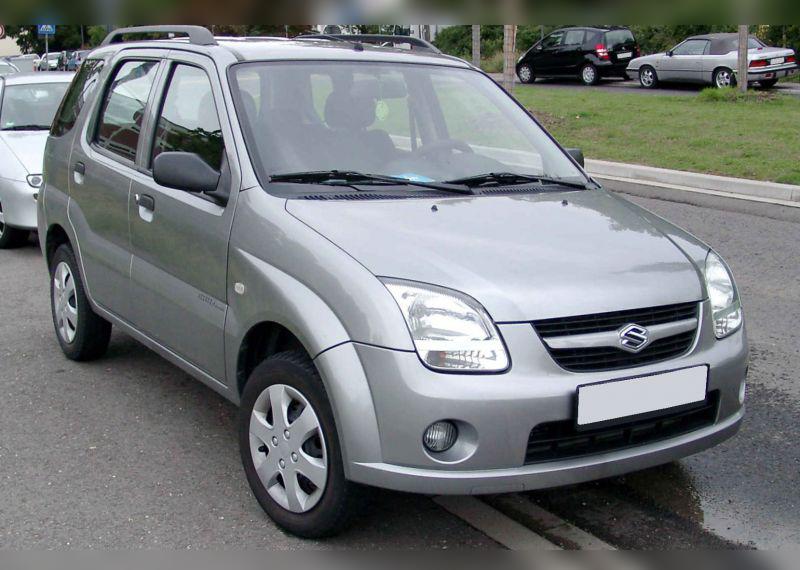
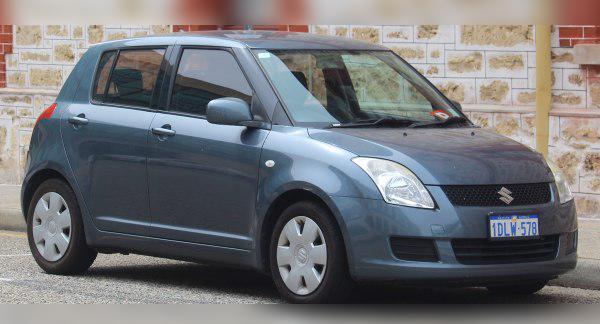
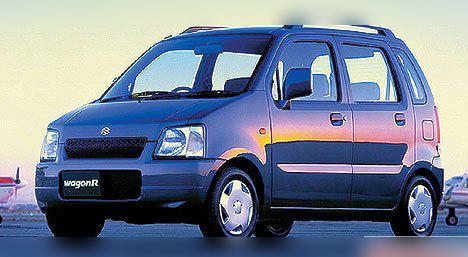
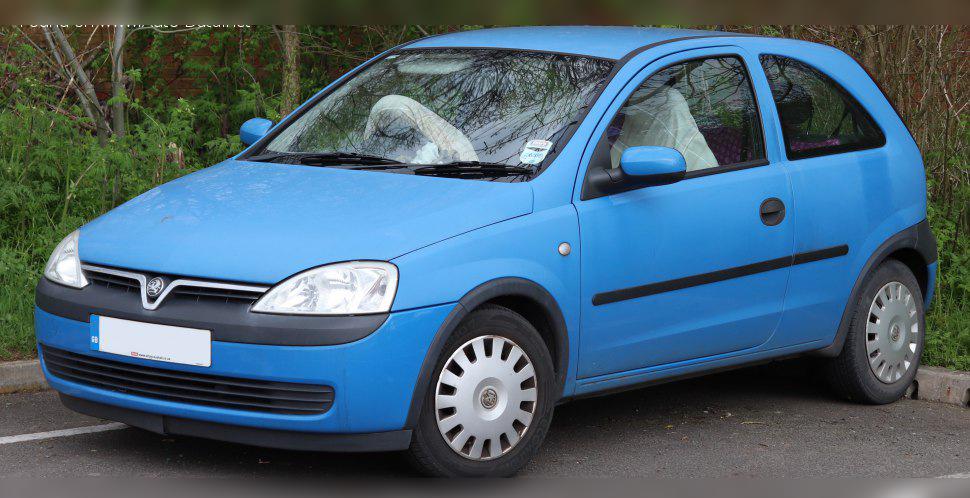
The engine designated as Z13DT is actually the result of the well-known cooperation between Fiat and General Motors. Although it is called 1.3 CDTI in Opel models and 1.3 DDiS in Suzuki models, at its core it is the legendary Fiat 1.3 MultiJet unit. This extremely compact engine was installed in a whole range of small city cars, including the Opel Corsa C, Agila, Tigra, Combo, as well as the Suzuki Swift, Ignis and Wagon R+. Thanks to its size and efficiency it was once named Engine of the Year, but like any used engine, it comes with certain quirks and weaknesses that a future owner needs to be aware of.
Technical specifications
| Displacement | 1248 cc |
| Power | 51 kW (70 hp) |
| Torque | 169 Nm |
| Engine codes | Z13DT |
| Injection type | Common Rail (Bosch) |
| Turbo/Naturally aspirated | Turbocharger with intercooler |
Reliability and maintenance
One of the most common questions drivers ask is related to the timing system. This engine uses a timing chain. Although it sounds “maintenance-free”, real-world experience shows otherwise. The chain is quite thin (a so‑called “bicycle chain”), and the tensioner operates on oil pressure. If the oil is not changed regularly or the wrong viscosity is used, the chain stretches and, in the worst case, snaps, which leads to catastrophic engine failure (broken rocker arms/valve train damage).
The major service, i.e. replacement of the chain kit (chain, sprockets, guides, tensioner), is recommended every 150,000 to 200,000 km, or earlier if you notice a characteristic “rattling” noise on cold start. The minor service should be done at a maximum of every 10,000 to 15,000 km. The engine takes about 3.2 litres of oil, and the recommended viscosity is usually 5W-30 or 5W-40 (fully synthetic that meets GM-LL-B-025 specification or the newer Dexos 2).
As for oil consumption, the Z13DT is not known as a heavy oil burner, but it is normal for it to consume around 0.5 to 1 litre of oil over a 10,000 km interval. If consumption is higher, the cause is usually a worn turbo (oil passing through the shaft) or worn piston rings and valve stem seals.
When it comes to the injectors, a reliable Bosch Common Rail system is used. The injectors themselves are extremely durable and often last over 200,000 km without overhaul. However, the most common problem is not the injectors themselves, but the copper washers under the injectors, which burn through. The symptom is the appearance of a thick, black tar-like substance around the injectors (often called “black death”) and the smell of exhaust gases in the cabin.
Specific parts and costs
What will please most budget-conscious drivers is the fact that the 70 hp Z13DT version does not have a dual-mass flywheel. It uses a conventional solid flywheel, so replacing the clutch kit is: not expensive (depends on the market).
The turbocharger has fixed geometry with a wastegate valve (most often BorgWarner / KP35). It is very simple and reliable. Its service life easily exceeds 200,000 km, provided that the engine is not switched off immediately after hard driving and that the oil is changed on time.
The EGR valve is probably the biggest Achilles’ heel of this engine. Due to predominantly city driving, it quickly clogs up with soot. Symptoms include loss of power, jerking at low revs and the “Check Engine” light. Cleaning only solves the problem temporarily. As for the DPF filter, most models with this Z13DT engine from that era (Euro 4 standard) do not have one, which is a big plus in terms of maintenance. Since this is an older generation engine, there is no AdBlue system, so you are spared issues with urea pumps and tanks.
Fuel consumption and performance
The 1248 cc, 70 hp (169 Nm) engine is truly economical. In models like the Corsa or Swift, real-world city consumption is between 5.5 and 6.5 l/100 km, depending on how heavy your right foot is and on traffic conditions. On open roads it can drop below 4.5 l/100 km.
Is the engine “sluggish”? For city cars (Corsa, Ignis, Agila), 70 hp is quite adequate, although a pronounced turbo lag below 1800 rpm is noticeable. However, when this unit is installed in a heavier vehicle such as the Opel Combo Tour, especially when loaded with cargo or passengers, the engine is very weak and overtaking requires careful planning.
It does not cope well on the motorway. Due to the short gear ratios, at a speed of 130 km/h the engine spins at a rather high 3000 to 3200 rpm. The result is more noise in the cabin and a sharp increase in fuel consumption (over 6.5 litres). This engine simply prefers lower speeds and secondary roads.
Additional options and modifications
Many drivers want to solve the car’s “sluggishness” by remapping the engine (chiptuning). The Z13DT can safely be taken (Stage 1) to about 85 to 90 hp and 200 to 210 Nm of torque. This noticeably improves elasticity and makes overtaking easier. However, keep in mind that the higher torque puts additional stress on the solid flywheel and clutch, as well as on the turbocharger, so this should only be done if the engine is in perfect mechanical condition.
Gearboxes and drivetrain
The Z13DT was most commonly paired with a five-speed manual gearbox. These gearboxes (often the F17 in Opel models) are robust, but they can suffer from bearing wear and worn synchros on first and second gear. If the gearbox “whines” while driving or first gear is hard to engage, the problem lies in the gearbox itself.
On the Corsa and Swift there was also an automatic option, more precisely a robotised manual gearbox (known as Easytronic in Opel). These gearboxes are quite problematic. The most common failures are related to the clutch actuators and gearbox electronics. Repairing an Easytronic gearbox can be: expensive (depends on the market). If you are buying used, it is strongly recommended to avoid the robotised gearbox.
It is advisable to change the oil in the manual gearbox every 60,000 to 80,000 km, while robotised gearboxes also require regular replacement of the hydraulic fluid and software adaptation of the clutch bite point.
Buying used and conclusion
When buying a used car with the Z13DT engine, make sure to pay attention to the following:
- Cold start: Start the car when it is completely cold. Listen carefully. If you hear metallic scraping or rattling from the timing chain area in the first few seconds, you are likely facing the cost of a major service.
- Injector inspection: Remove the plastic engine cover and look around the injectors. If you see black tar, the washers need to be replaced urgently.
- Smoke check: Rev the engine while stationary. Blue smoke means the engine or turbo is burning oil. White smoke (that does not disappear once the engine is warm) may indicate a combustion problem (injectors).
- Test drive and EGR: If the car jerks and “hesitates” at low revs (1500–2000 rpm), the EGR valve is most likely clogged.
Who is this engine for?
Opel’s and Suzuki’s 1.3 CDTI / DDiS (Z13DT) is an ideal engine for undemanding drivers, beginners and people who mostly drive in the city and nearby surroundings. Low registration costs, the absence of an expensive dual-mass flywheel and low fuel consumption are its biggest advantages. On the other hand, avoid it if you plan to carry heavy loads in the Combo version or if you need a car for frequent long motorway journeys, where this small diesel starts to run out of breath.