Engine Z13DTH (1.3 CDTI) 90 HP: Experiences, problems, fuel consumption and used-car buying tips
Key points in short (TL;DR):
- Timing chain: The engine uses a chain that tends to stretch; it is not “lifetime” and requires replacement.
- Gearbox (M20): The 6-speed manual gearbox suffers from the same bearing issues as the larger M32; whining in 5th and 6th gear is a clear sign of failure.
- Dual-mass flywheel: Unlike the weaker 75 HP version, this 90 HP version does have a dual-mass flywheel.
- EGR and DPF: Frequent city driving will inevitably lead to a clogged EGR valve and DPF filter issues.
- Performance: Very economical, but with a pronounced turbo lag below 1800 rpm. In heavier bodies like the Astra Estate it can feel somewhat sluggish.
- Easytronic automatic: A robotized gearbox that should be avoided if you want low maintenance costs.
Contents:
- Introduction: About the Z13DTH engine
- Technical specifications
- Reliability and maintenance
- Specific parts (costs)
- Fuel consumption and performance
- Additional options and modifications
- Gearbox and drivetrain
- Buying used and conclusion
Introduction: About the Z13DTH engine
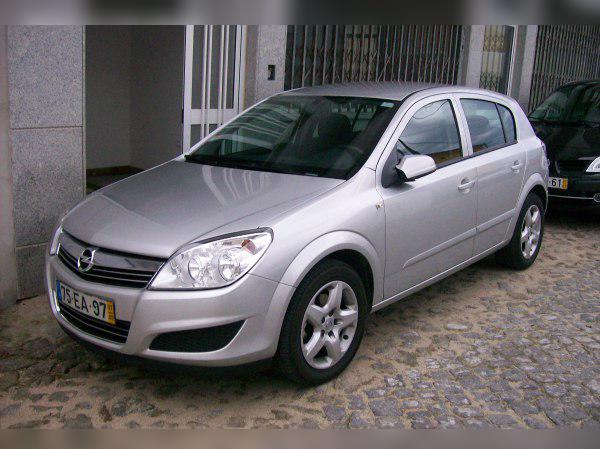
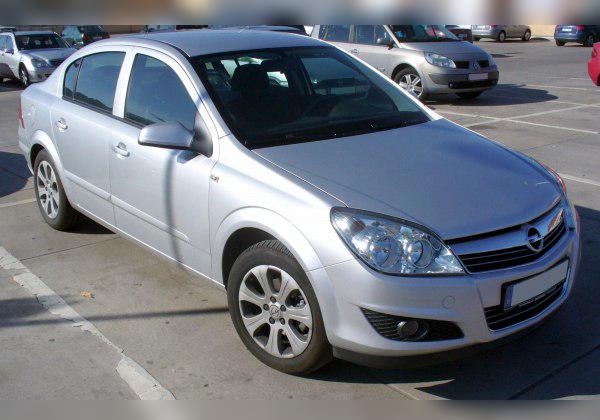
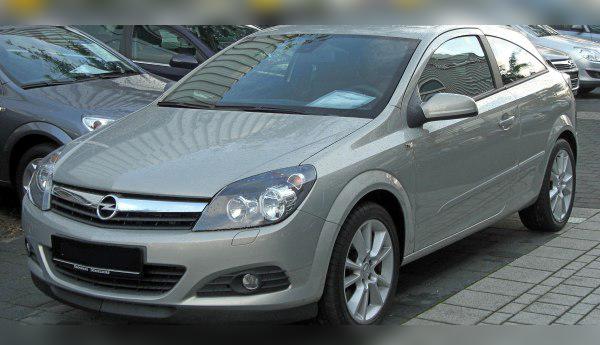
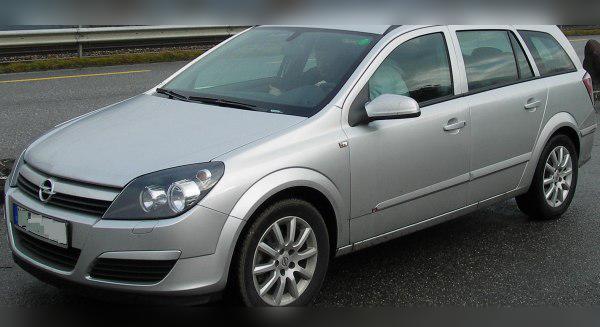
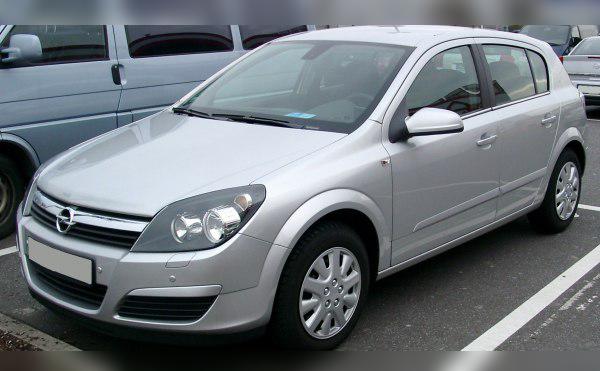
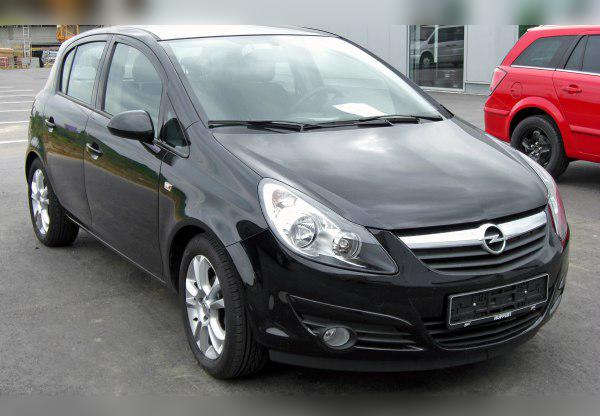
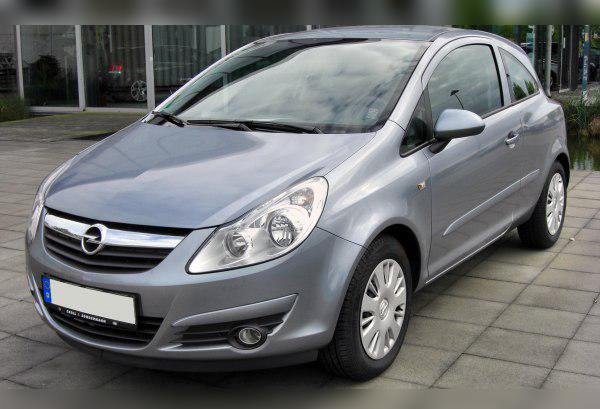
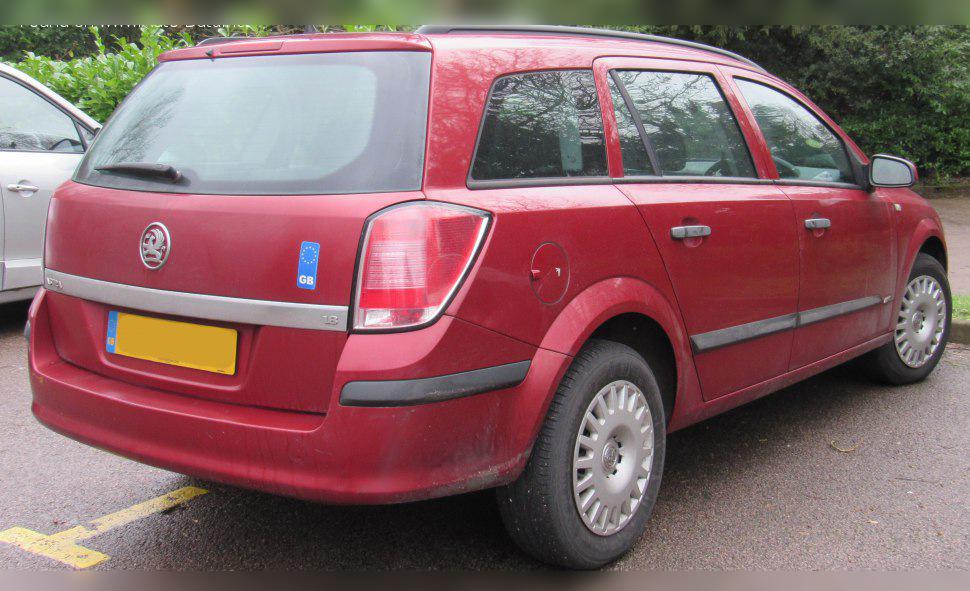
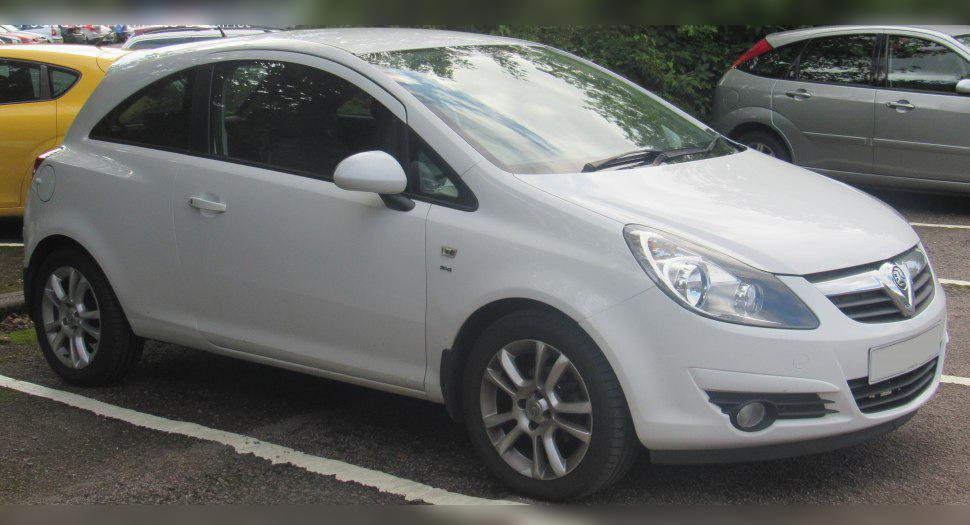
The engine with the code Z13DTH is the well-known 1.3 CDTI, a product of cooperation between Fiat and General Motors. It is actually GM’s version of the extremely popular Fiat 1.3 Multijet engine, adapted for installation in Opel (and Vauxhall) models. In its 66 kW (90 HP) variant, it was mainly installed in Opel Astra H models (hatchback, estate, GTC, sedan) and Opel Corsa D.
Designed as a small, compact and economical unit, it brought excellent technologies for its time, such as common-rail injection and a variable-geometry turbocharger. However, due to the combination of a small block and heavier vehicles (especially the Astra H), it comes with certain compromises when it comes to the longevity of some components.
Technical specifications
| Parameter | Specification |
|---|---|
| Displacement | 1248 cc |
| Power | 66 kW (90 HP) |
| Torque | 200 Nm (at 1750 – 2500 rpm) |
| Engine code | Z13DTH |
| Injection type | Common-rail direct injection |
| Charging type | Turbocharger (VGT - variable geometry), intercooler |
| Valve layout | DOHC (16 valves) |
Reliability and maintenance
Timing belt or chain?
This engine uses a timing chain to drive the camshafts. Although in theory a chain is considered a long-lasting solution, real-world experience with 1.3 engines has shown otherwise. The chain tends to stretch, and the hydraulic tensioner can fail if oil pressure drops or if oil-change intervals are neglected. The symptom is a sharp metallic rattling from the timing area (especially on cold start).
Most common failures
The most serious issue is chain breakage or skipped timing if the rattling is ignored, which leads to catastrophic engine damage and broken rocker arms. Other frequent problems include a clogged EGR valve (the car loses power, smokes, and turns on the “Check Engine” light) and oil leaks at the oil cooler seals.
Service intervals and oil
The major service (complete replacement of the chain, tensioner, guides and sprockets) is not done at a strictly defined interval by the manufacturer (it was once claimed to be “lifetime”), but experienced mechanics recommend replacing it preventively every 150,000 to 200,000 km.
The engine takes exactly 3.2 litres of engine oil. The required viscosity is 5W-30, and the oil must meet the GM Dexos 2 specification (Low SAPS) due to the presence of a DPF filter. Change it strictly at a maximum of every 15,000 km or once a year. This engine requires good lubrication of the timing system.
As for oil consumption, a healthy Z13DTH engine consumes very little. If the engine starts “drinking” more than 0.2–0.3 litres per 1,000 km, it is a sign of wear – most often worn oil control rings or worn bearings in the turbocharger.
Injector condition
Being a diesel, the engine uses advanced Bosch or Magneti Marelli common-rail injectors. The injectors themselves are relatively robust and can last over 200,000–250,000 km. When they wear out, symptoms include rough idle, increased black smoke, and difficult cold starts (injectors “overfuel”). A common mechanical problem is also the copper injector washers, which loosen over time, causing a “hissing” compression sound, with black deposits building up around the injectors, known as “black death”.
Specific parts (costs)
Dual-mass flywheel
Yes, the Z13DTH with 90 HP most often comes paired with a dual-mass flywheel. (Weaker 75 HP versions use a solid flywheel.) Given the 200 Nm of torque that comes in abruptly, the dual-mass flywheel takes a lot of shock. Symptoms of wear are strong vibrations when starting and stopping the engine, as well as juddering when pulling away. The price of a clutch kit with dual-mass flywheel and release bearing is: quite expensive (depends on the market).
Turbocharger
This engine has a single turbocharger with variable geometry (VGT). Variable geometry drastically reduces turbo lag and provides those 90 HP, but the vanes often stick due to soot build-up. When the geometry sticks, the car cuts the turbo (goes into limp mode or safety mode) under hard acceleration. The turbo’s lifespan is around 200,000 km if quality oil has been changed regularly.
DPF and EGR
The Z13DTH produced to meet Euro 4 standards is equipped with a DPF filter. It requires regular regenerations on open roads. Driving exclusively in the city will clog it quickly. The EGR valve also regularly gets dirty with soot, which is such a common problem that many owners have it disabled both in software and physically.
AdBlue system
No. The Z13DTH belongs to an older generation of engines (Euro 4), so it does not have an AdBlue system or an SCR catalyst. One less thing to worry about in maintenance.
Fuel consumption and performance
Real-world city fuel consumption
Fuel consumption depends heavily on the car in which the engine is installed. In the Corsa D, real city consumption ranges from 5.5 to 6.5 l/100 km. However, in the significantly heavier Astra H, city consumption often rises to 6.5 to 7.5 l/100 km. This is still very economical.
Performance: Is the engine “sluggish”?
Below 1800 rpm (until the turbo builds adequate boost), the engine is noticeably sluggish and suffers from significant turbo lag. In the Corsa the engine feels quite lively once the revs rise, but in the Astra H (especially the Estate version when fully loaded), it requires more frequent downshifts on inclines and when overtaking. Simply put, the 1.3-litre displacement feels the vehicle’s mass until the turbo “kicks in”.
Motorway driving
At 130 km/h the engine runs at a reasonable 2500 to 2700 rpm in sixth gear (on models with a 6-speed gearbox). At these speeds it is relatively quiet, and motorway fuel consumption is around 5.0–5.5 l/100 km. If the car has a 5-speed gearbox (which is rare on the 90 HP version, but does exist), revs are higher and so is cabin noise.
Additional options and modifications
Chiptuning (Stage 1)
The engine is an excellent candidate for a mild software remap (Stage 1). It can safely be increased from the stock 90 HP to about 110 to 115 HP, with torque rising to around 240–250 Nm. The biggest benefit of remapping this unit is not just top speed, but significantly better throttle response below 2000 rpm, which reduces the annoying turbo lag when driving in the city. If the clutch and turbo are in good condition, this is a recommended modification.
Gearbox
Available gearboxes and most common failures
Two types of transmissions are most commonly paired with the Z13DTH:
1. M20 (6-speed manual): The most common gearbox.
2. Easytronic (robotized automatic): A manual gearbox with an electro-hydraulic mechanism that shifts gears automatically.
When it comes to the M20 manual gearbox, it is the smaller brother of the infamous M32 and suffers from the same issue: rapid bearing wear inside the gearbox. If, when accelerating in 5th and 6th gear, you notice the gear lever “moving” (pulling back) or hear a loud whining noise that changes with throttle input, the bearings are ready for overhaul. Rebuilding this gearbox is: very expensive (depends on the market).
Easytronic is known for jerky gear changes, especially from 1st to 2nd. Failures of the clutch actuator (the small motor that operates the clutch) and the gearbox ECU are common and costly. Clutch calibration via diagnostics is required from time to time. Recommendation – avoid Easytronic if you want reliability.
Gearbox servicing
To preserve the sensitive bearings in the M20 manual gearbox, it is necessary to change the gearbox oil every 60,000 km. Many mechanics recommend filling about 200 to 300 millilitres more oil than the factory specification so that the upper bearings (which fail first) are always well lubricated. On Easytronic, the fluid in the actuator must be changed regularly and the system bled.
Buying used and conclusion
What to check before buying?
- Cold start: Insist that the seller does not start the car before you arrive. Listen around the crankshaft and timing area as soon as the engine fires. If it rattles for a second or two and then goes quiet, the tensioner is weak. If it constantly rattles like a sewing machine, the chain needs immediate replacement.
- Gearbox check on the road: Go out on an open road. In 5th and 6th gear, apply full throttle and then release it. If the gear lever moves or you hear a high-pitched whine (like a jet turbine, but from below), count on a gearbox overhaul.
- Clutch system: Press the clutch pedal halfway; if you feel pulsation under your foot or hear metallic knocking from the engine bay, the dual-mass flywheel is nearing the end of its life.
- Smoke and turbo: Under hard acceleration at low revs, if the car completely loses power (drops into limp mode), it is a vacuum or turbo geometry issue. Pay attention to clouds of blue smoke (oil consumption).
- Diagnostics (DPF): Always connect an OBD scanner to check DPF saturation and injector parameters.
Who is this engine for?
The Z13DTH (90 HP) in the Corsa D is an excellent choice – it offers a great balance of performance and fuel consumption, and is easy to recommend, especially with regular maintenance and avoiding the Easytronic gearbox.
On the other hand, in the Astra H (especially the Estate), this is an option strictly for calm drivers whose priority is low fuel consumption and who do not care about performance. Due to the vehicle’s higher weight, the clutch and turbo are under more stress than in the Corsa. Buying one is worthwhile only if you have proof that the chain and gearbox (M20 bearings) have already been serviced.