Z19DT Engine (1.9 CDTI 120 HP) – Experiences, problems, fuel consumption and used car buying tips
Key points (TL;DR)
- The Z19DT engine is the 8-valve version of the well-known Fiat 1.9 JTDm unit, famous for its exceptional durability.
- It does not have problematic intake manifold swirl flaps, which makes it significantly more reliable than the more powerful 150 HP version (Z19DTH).
- The main enemies of this engine are exclusive city driving, which quickly clogs the EGR valve and the DPF filter.
- It is paired with the notorious M32 manual gearbox whose bearings often fail and require careful maintenance.
- The injectors and turbocharger are very robust, but the alternator often fails due to poor positioning and overheating.
- Maintenance is not overly expensive, but replacement of the dual-mass flywheel is the biggest potential financial hit.
Contents
- Introduction
- Technical specifications
- Reliability and maintenance
- Specific parts and costs
- Fuel consumption and performance
- Additional options and modifications
- Gearbox
- Buying used and conclusion
Introduction
When you mention a mid-2000s diesel engine that can cover a huge mileage without catastrophic failures, many mechanics will immediately think of the 1.9 JTD mechanicals. The engine with the code Z19DT in Opel and Saab (as 1.9 TiD) vehicles is the result of the collaboration between General Motors and Fiat. It is an 8-valve version that delivers 120 HP (88 kW) and 280 Nm of torque.
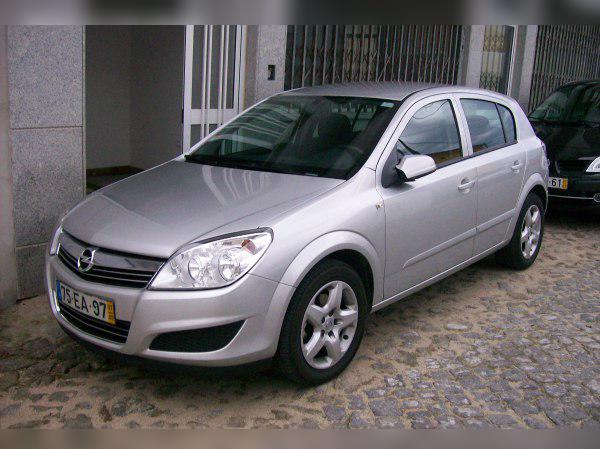
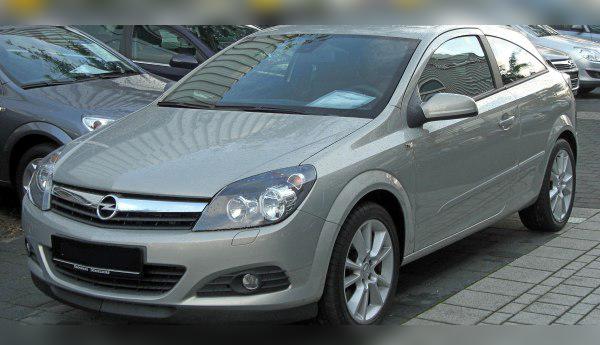
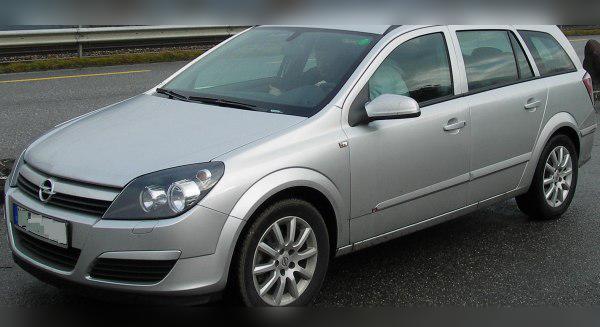
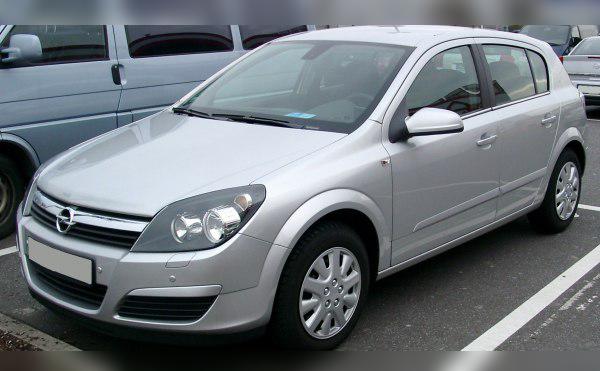
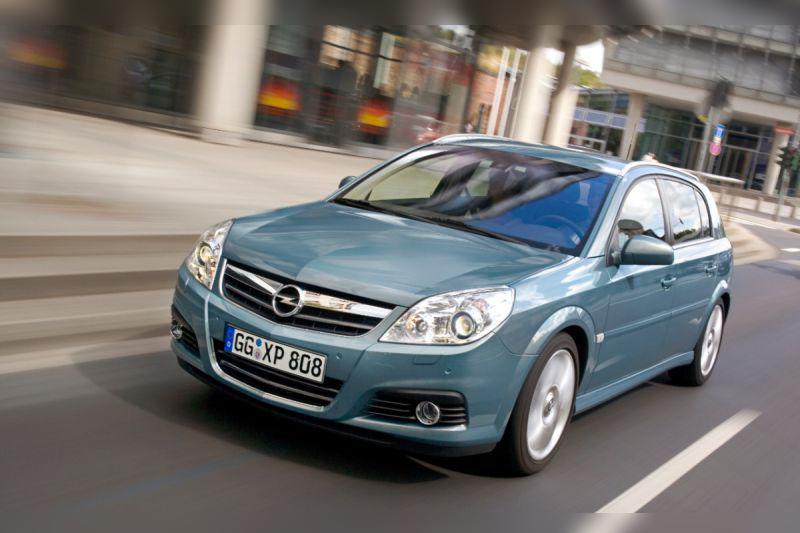
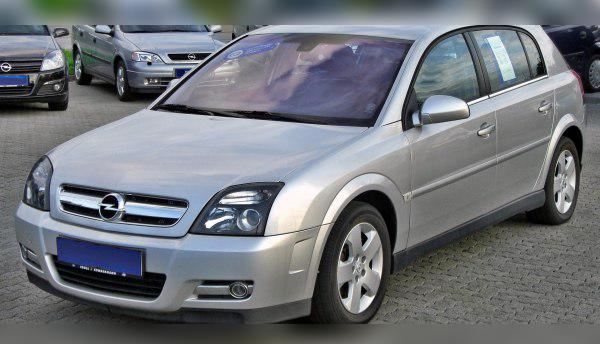
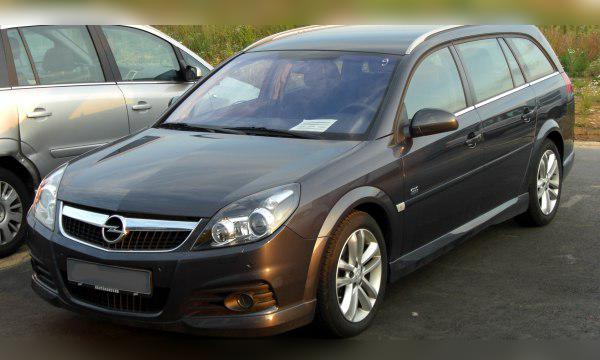
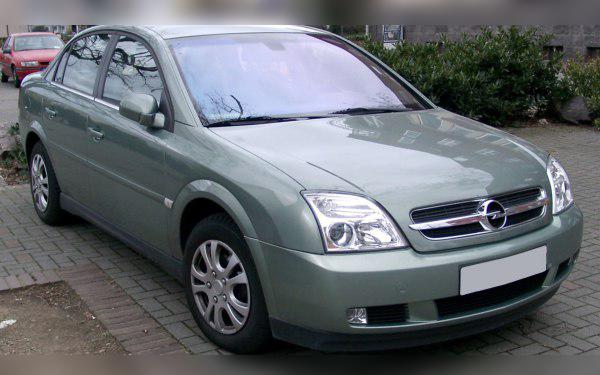
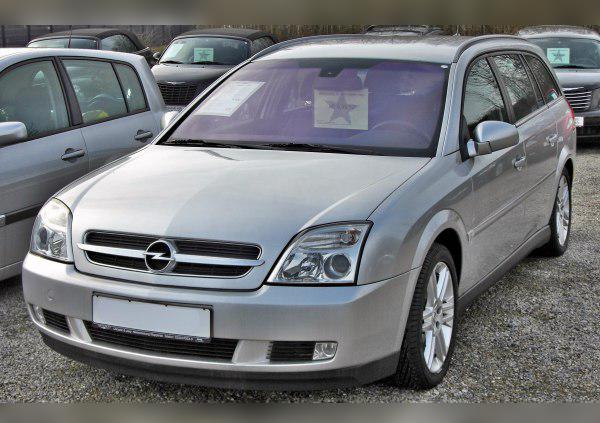
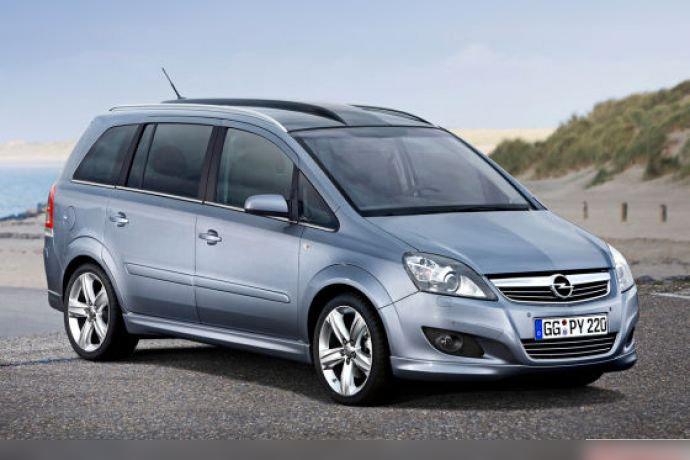
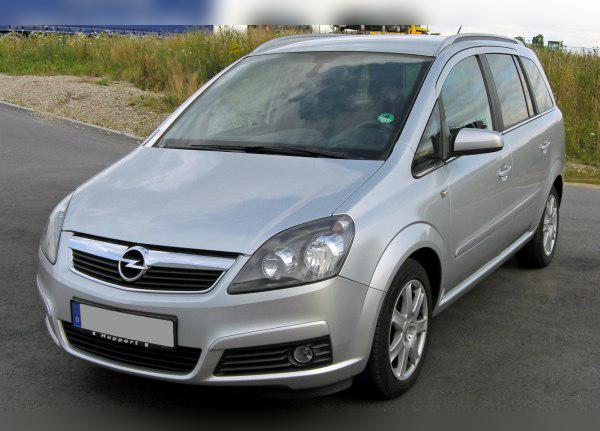
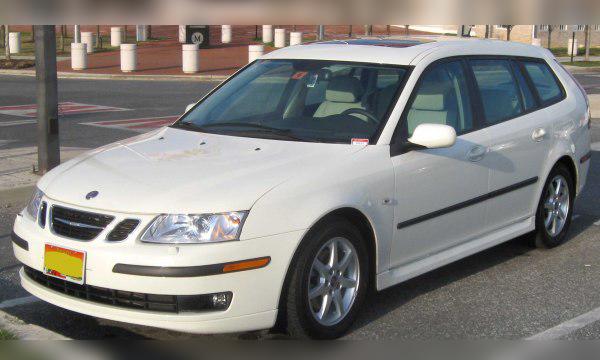
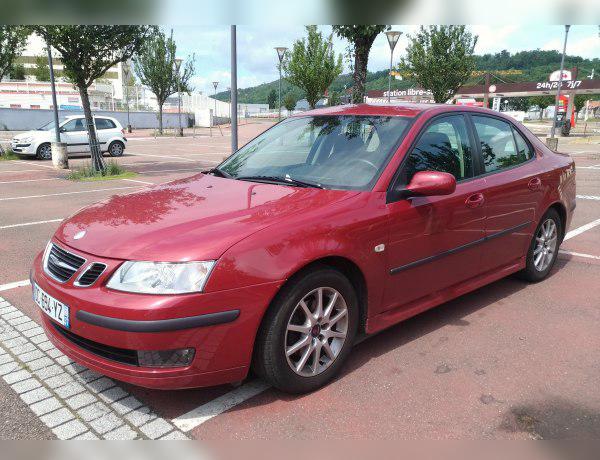
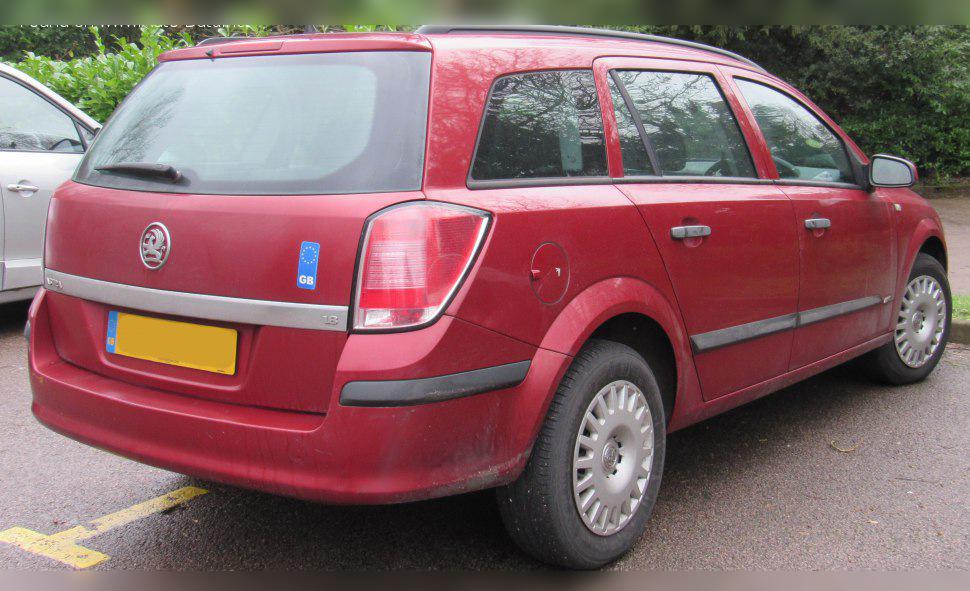
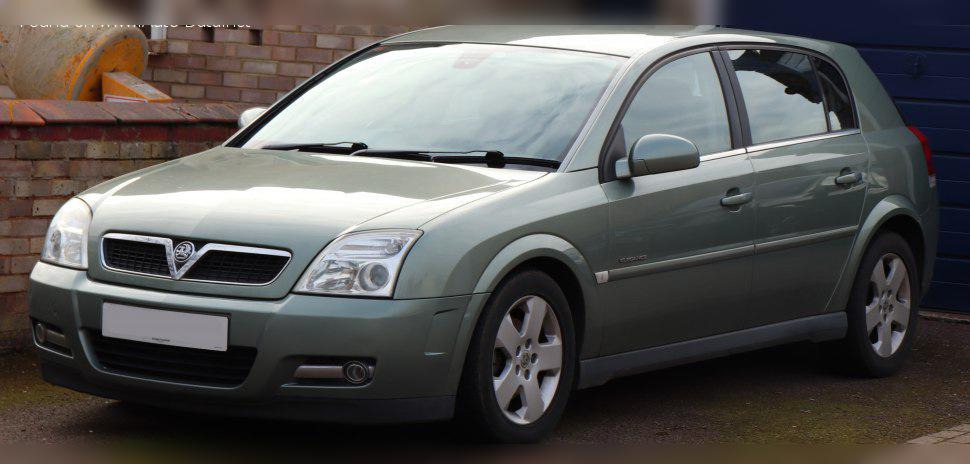
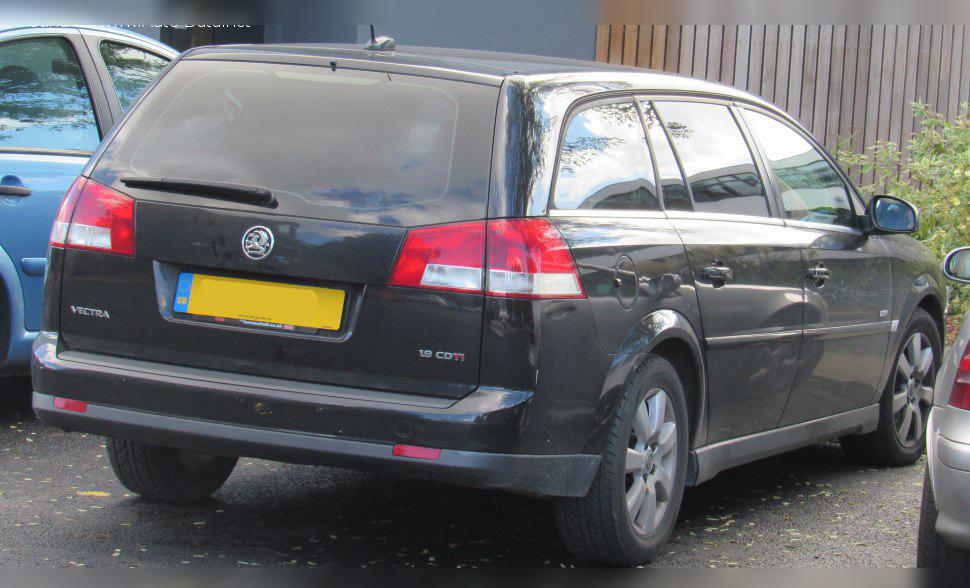
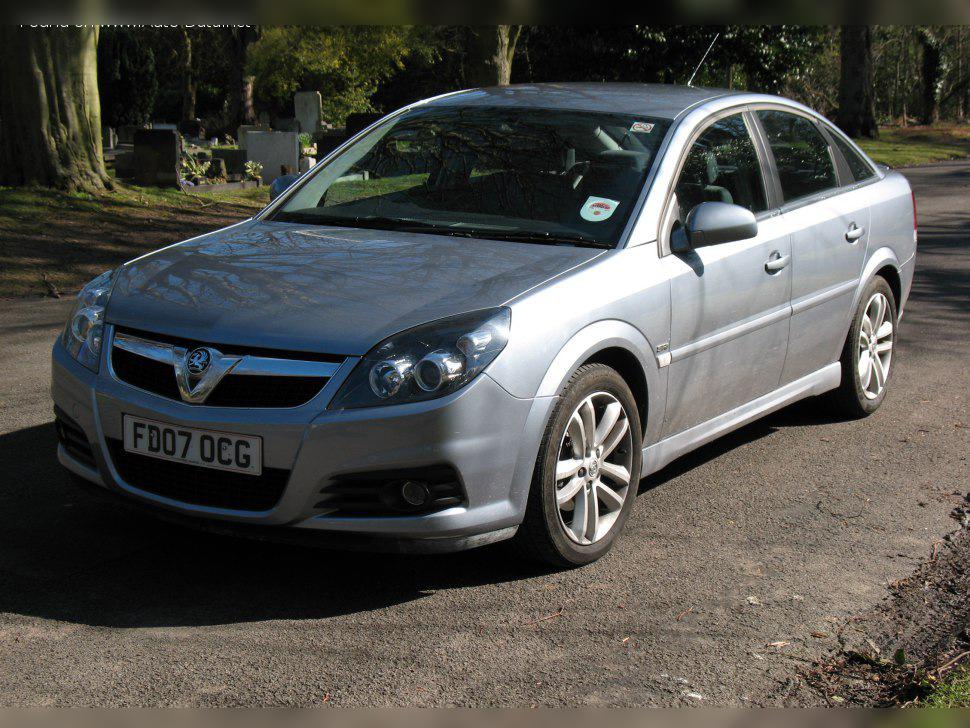
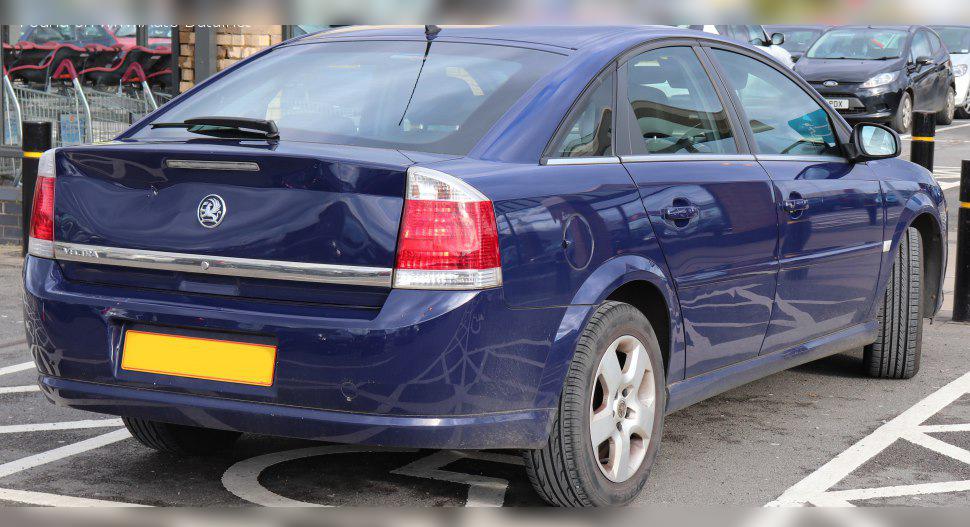
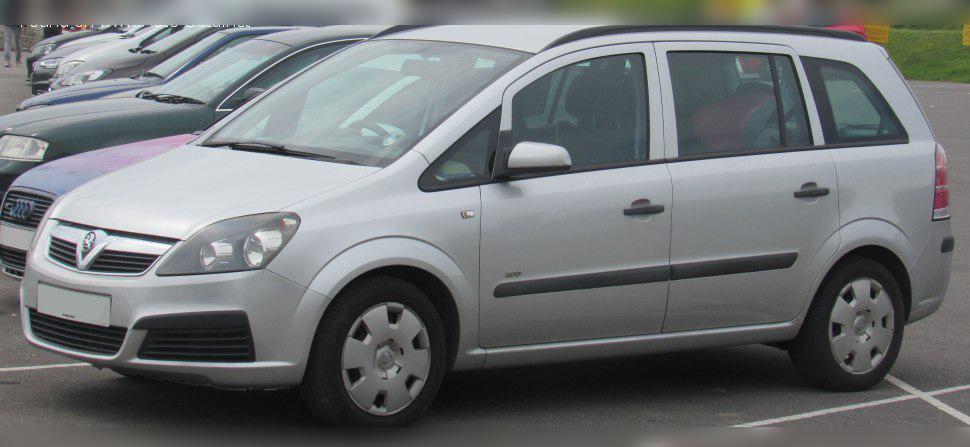
This unit was installed in a huge number of vehicles – from compact models such as the Opel Astra H, through family estates and MPVs (Zafira B, Vectra C), all the way to more premium-oriented models like the Saab 9-3. Thanks to its design without excessive and fragile technological experiments, the Z19DT is considered a “workhorse” that forgives somewhat harsher use, but that does not mean it is indestructible. Regular maintenance and avoiding exclusively city driving are crucial for its long life.
Technical specifications
| Specification | Data |
|---|---|
| Engine displacement | 1910 cc |
| Power | 88 kW (120 HP) |
| Torque | 280 Nm |
| Engine codes | Z19DT (Opel/Vauxhall/Saab) |
| Engine type | SOHC (8 valves) |
| Injection type | Common Rail (Bosch) |
| Turbo/Naturally aspirated | Turbocharger with variable geometry, intercooler |
Reliability and maintenance
Timing system and major service
The Z19DT engine uses a classic timing belt. Unlike some more modern chain-driven engines that are prone to stretching and breaking, this system is very reliable if you respect the replacement intervals. Mechanics recommend doing the major service at a maximum of 100,000 to 120,000 km, or every 5 years. A snapped belt leads to catastrophic valve damage, so this is not the place to save money. The complete kit should always be replaced: belt, tensioners, idler pulleys and the water pump.
Most common failures
The biggest advantage of this unit compared to the 16-valve Z19DTH (150 HP) is the absence of swirl flaps in the intake manifold. This means there is no risk of the intake manifold “swallowing” a metal flap and destroying the crankshaft or valves. However, the engine has other, mostly peripheral weak points:
- Alternator: Due to poor positioning and exposure to high temperatures from the engine and exhaust, the alternator’s diode plate often burns out. Symptoms: the red battery warning light comes on and the power steering cuts out.
- Thermostat: It often gets stuck in the open position. The engine warms up slowly and on the open road the temperature drops below 80 °C. Replacement is not expensive, but prolonged driving with a cold engine increases fuel consumption and destroys the DPF.
Oil and oil consumption
The Z19DT takes exactly 4.3 liters of engine oil. You must use full synthetic 5W-30 (ACEA C3 or GM Dexos 2 is recommended, especially if the vehicle has a DPF filter). Oil change intervals should not exceed 10,000 to 15,000 km, regardless of the factory “LongLife” recommendations. The engine block itself is excellently sealed and does not consume oil. Any loss greater than half a liter per 10,000 km indicates worn piston rings, oil loss on seals or, most commonly, oil leaking past the turbocharger bearings.
Specific parts and costs
Dual-mass flywheel
Yes, all cars equipped with this engine and a manual gearbox have a dual-mass flywheel. Its lifespan largely depends on driving style. On average it lasts between 150,000 and 200,000 km. The first signs of wear are knocking when starting and stopping the engine, rattling at idle that disappears when you press the clutch pedal, and jerking when pulling away from a standstill. Replacing the clutch kit together with the dual-mass flywheel is quite an expensive job (depends on the market).
Injection system and turbocharger
The Z19DT uses a Bosch Common Rail injection system known for its durability. Injectors rarely cause problems before 250,000 km. However, poor fuel quality can cause rough idling or increased smoke under acceleration. Injector overhaul is relatively affordable nowadays, but not often required. As for the turbo, it is a Garrett variable geometry turbocharger (VGT). Its lifespan is excellent provided you do not switch the engine off “hot” immediately after hard motorway driving. The first symptom of trouble is a pronounced whistling under load or the engine going into “safe mode” (loss of power) because the variable geometry has stuck due to soot build-up.
Emissions: EGR, DPF and AdBlue
This engine does not have an AdBlue system, which is great news as it saves you money on refills and potential pump and sensor repairs. However, the EGR valve and DPF filter (if factory-fitted, which depends on model year and market, most often after 2006) are its Achilles’ heel, especially if the car is driven mainly in the city.
The EGR valve quickly clogs with soot, resulting in jerking at low revs and warning lights on the dashboard. The DPF requires open-road driving at steady revs (around 2000–2500 rpm) to perform regeneration. If you frequently interrupt this process in city traffic, the filter will become permanently clogged. Solving these issues by cleaning is a temporary measure, and replacing the DPF with a new one is extremely expensive (depends on the market).
Fuel consumption and performance
Regarding urban fuel consumption, do not expect miracles. With its 1.9-liter displacement and heavy bodies, the Z19DT realistically uses between 7 and 8.5 l/100 km in the city, especially on short winter trips. On main roads, consumption easily drops to around 5 l/100 km.
Is this engine “lazy”? For lighter models such as the Astra H or Saab 9-3, 120 HP and a strong 280 Nm are more than enough for lively driving. Thanks to the 8-valve design, the engine delivers torque early and evenly. However, if you put it in a heavy Zafira B fully loaded or a Vectra C estate, overtaking uphill will require planning and frequent use of the gearbox. It is not ideal for “racing”, but it is a fantastic cruiser.
On the motorway at 130 km/h in 6th gear with the manual gearbox, the engine runs relaxed at about 2300–2400 rpm, providing calm and quiet driving without fatigue, with fuel consumption of around 6 l/100 km.
Additional options and modifications
Since this is a diesel, LPG conversion is not possible. However, when it comes to “chipping”, i.e. software power increase (Stage 1), the Z19DT responds very well. Thanks to its robust block, the engine can safely be taken to around 150 HP and 320 to 340 Nm of torque. The difference in driving is dramatic – turbo lag is reduced and the car carries its weight much more easily.
However, there is one major WARNING: Although the engine itself easily tolerates the extra power, the manual gearbox and dual-mass flywheel do not. Poorly executed tuning that raises torque too abruptly at low revs (below 2000 rpm) will inevitably “chew up” the gearbox gears and destroy the flywheel.
Gearbox
M32 manual gearbox: The weakest link
If you choose the version with a manual gearbox, you are almost certainly getting the 6-speed M32 gearbox. This gearbox is widely known in the automotive world as problematic due to its shaft bearings. The main symptoms are:
- Physical movement of the gear lever back and forth when applying and releasing the throttle (most often in 1st and 5th gear).
- Loud whining or howling from the gearbox when driving in 5th and 6th gear.
Overhauling this gearbox is very expensive (depends on the market). The best prevention is regular oil changes in the gearbox at a maximum of 60,000 km. A common mechanic’s trick is to fill 2.4 to 2.6 liters of quality oil (usually 75W-85) instead of the factory-specified 2.2 liters, so that the upper bearings in the gearbox are properly lubricated.
AF40 automatic gearbox
Automatic versions use the well-known and extremely durable Aisin AF40-6 (6-speed automatic gearbox with torque converter). This gearbox offers high comfort and reduces driver stress. Its failures almost always occur due to poor maintenance. If the previous owner never changed the oil, fine metal particles will destroy the valve body, resulting in harsh “thumps” when shifting from D to R or when changing gears while driving.
Repairing the automatic gearbox valve body is very expensive. The oil must be changed (ideally with a machine flush) every 60,000 km. Unlike the manual, the automatic gearbox does not have a dual-mass flywheel in the usual sense, but a torque converter.
Buying used and conclusion
Before you hand over your money for a used car with the Z19DT engine, make sure you do the following on the spot:
- Listen to the engine running from a completely cold start: If the car “stumbles” and emits blue or whitish smoke, there may be issues with the injectors or glow plugs. If you hear metallic knocking, the flywheel is near the end of its life.
- Test drive – listen to the gearbox: Accelerate to 80 km/h, shift into 5th or 6th gear and gently apply and release the throttle. The gear lever must not move by itself, and there should be no whining noise in the cabin.
- Diagnostics is a must: Check the DPF saturation level, injector corrections and EGR valve status. Visually inspect the hoses from the intercooler to the intake – they must not be oily, as that would indicate the turbo is “leaking”.
Conclusion
This is not an engine for someone who commutes three kilometers to work in stop-and-go city traffic. For that kind of use, the EGR, DPF and frequent warm-up cycles will drive you crazy, and maintenance will become a burden. The Z19DT engine was made for open roads and long-distance cruising.
Its 8-valve design eliminates the catastrophic intake manifold issues that plague its more powerful sibling. If you find a car where the M32 gearbox has already been overhauled (or you buy it cheaper and overhaul it preventively) and which has been run on quality oil, you get one of the most forgiving and long-lasting powertrain solutions of its era, easily capable of surpassing 400,000 kilometers.