Engine Z19DTH 1.9 CDTI/TiD (150 hp): Experiences, problems, fuel consumption and used-car buying tips
Key points in short (TL;DR)
- Engine base: This is a modified Fiat JTDm unit, one of the most durable diesel blocks of its generation.
- Intake manifold swirl flaps: The biggest design flaw of this engine. They often break and can fall into the engine, causing catastrophic failure. The recommendation is to remove them or replace the entire manifold.
- Gearbox: Paired with the manual M32 gearbox, notorious for bearing failure in 5th and 6th gear.
- City driving chokes it: The EGR valve and DPF filter (where fitted) get dirty quickly; this is an engine made for open-road driving.
- Performance: With 320 Nm of torque, it is very flexible, powerful and copes excellently with heavier bodies such as the Zafira or Signum.
- Maintenance: Requires regular servicing and quality oil. Spare parts are widely available and maintenance costs are average for the class.
Contents
- Introduction: Engine origin and importance
- Technical specifications
- Reliability and maintenance
- Specific parts and costs
- Fuel consumption and performance
- Additional options and remapping
- Gearbox, dual-mass flywheel and clutch
- Buying used and conclusion
Introduction: Engine origin and importance
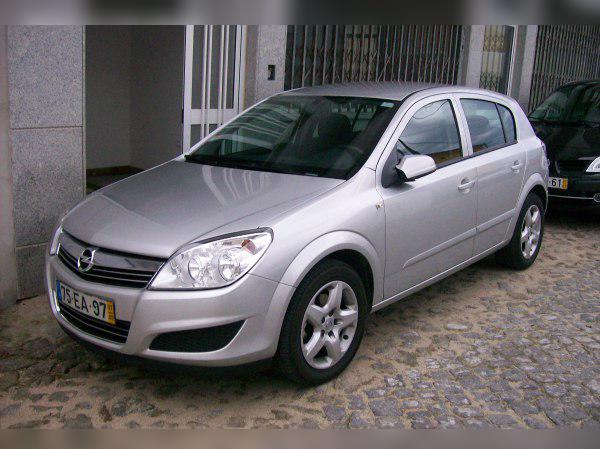
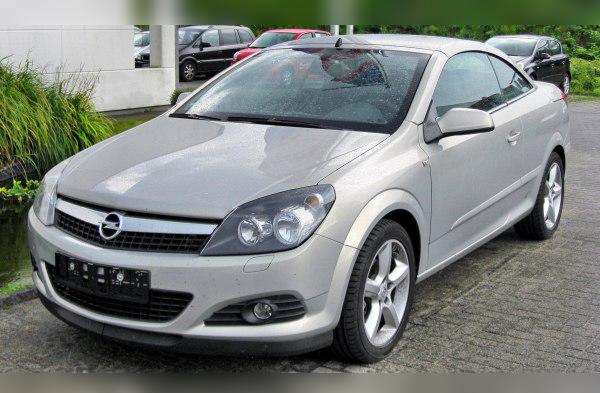
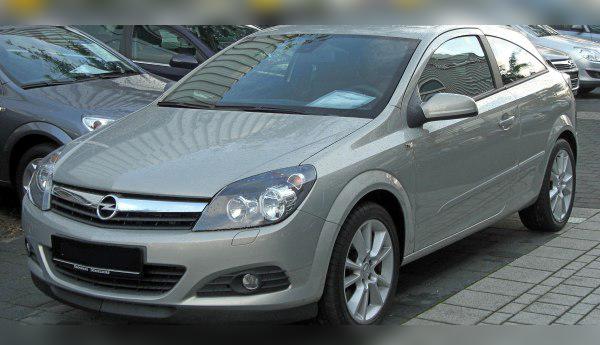
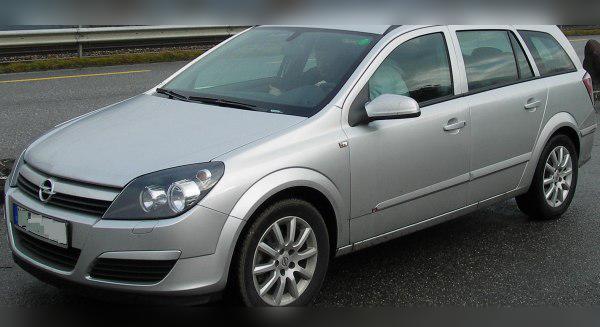
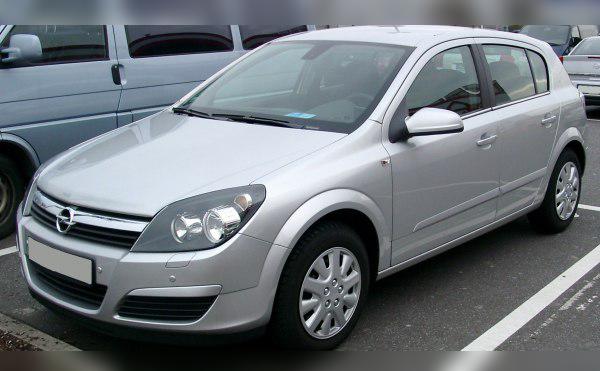
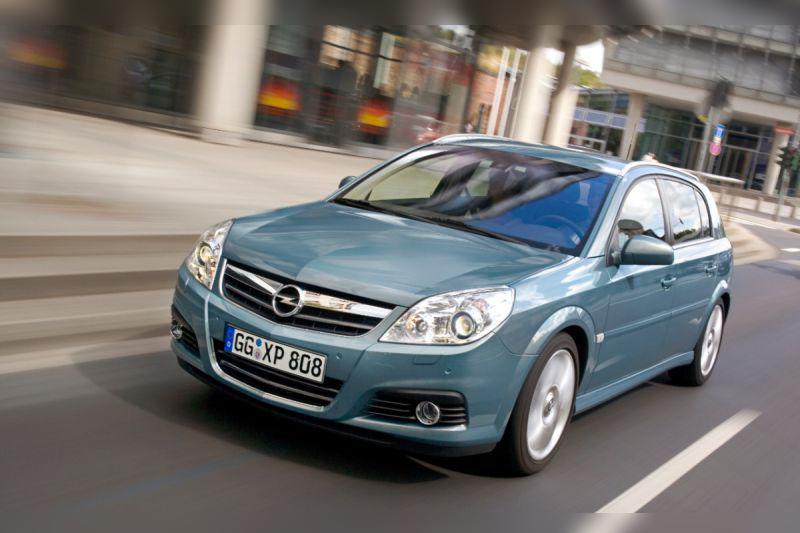
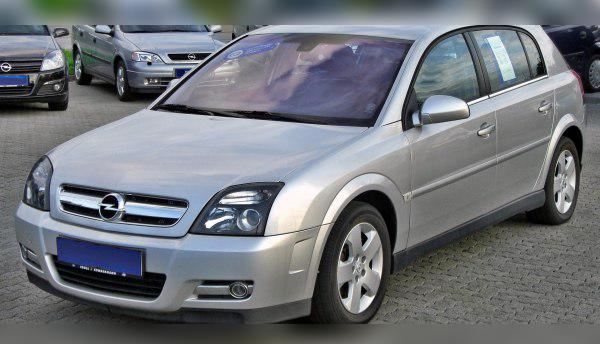
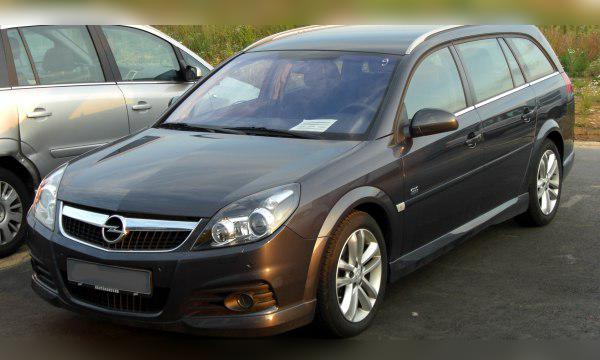
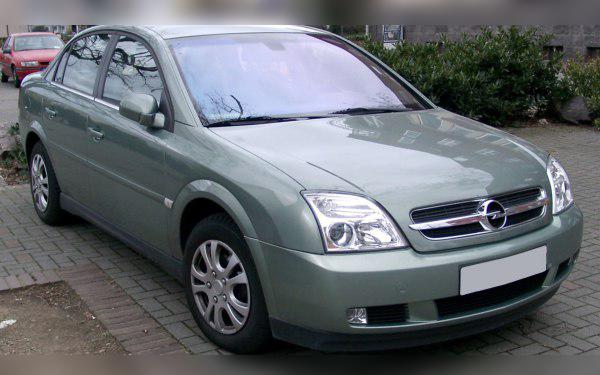
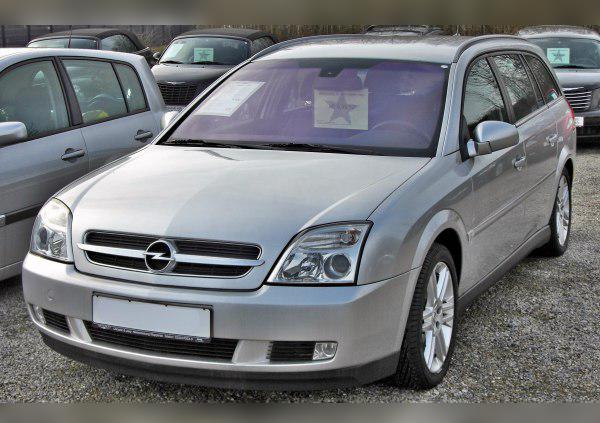
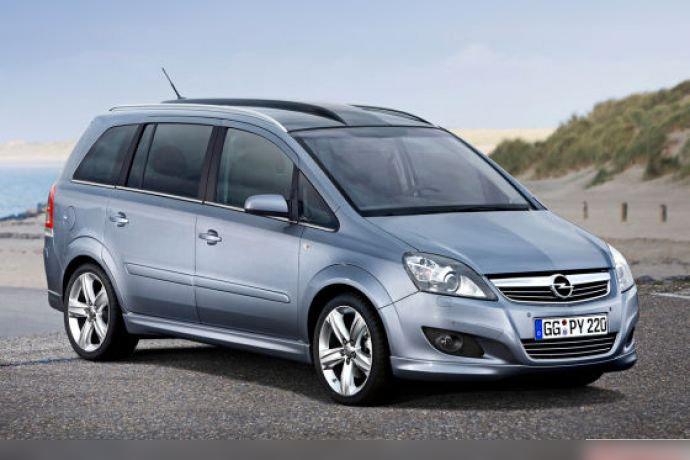
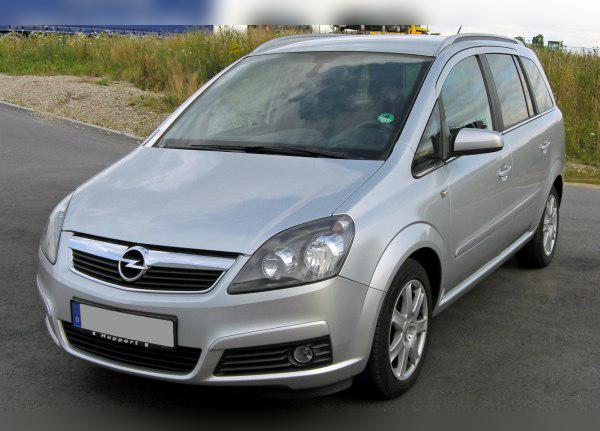
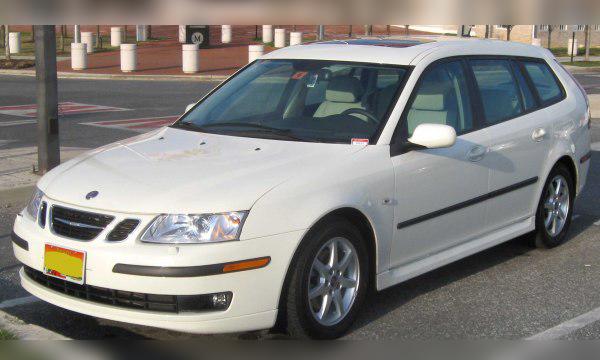
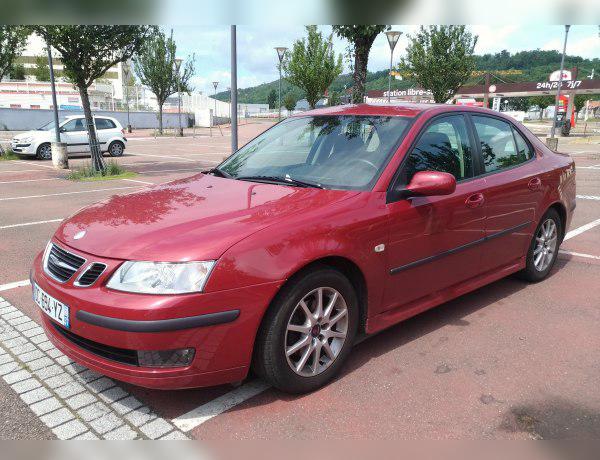
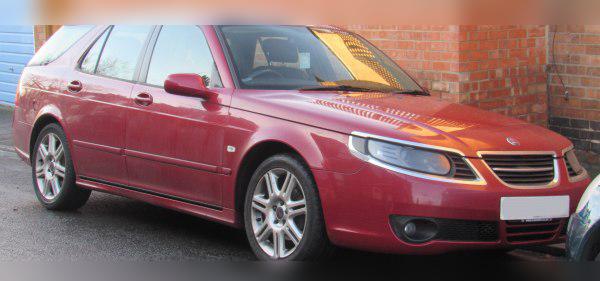
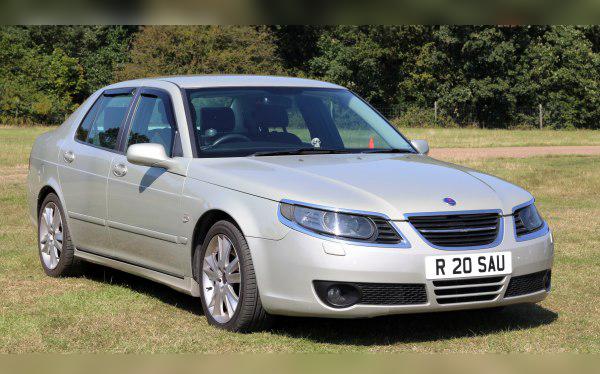
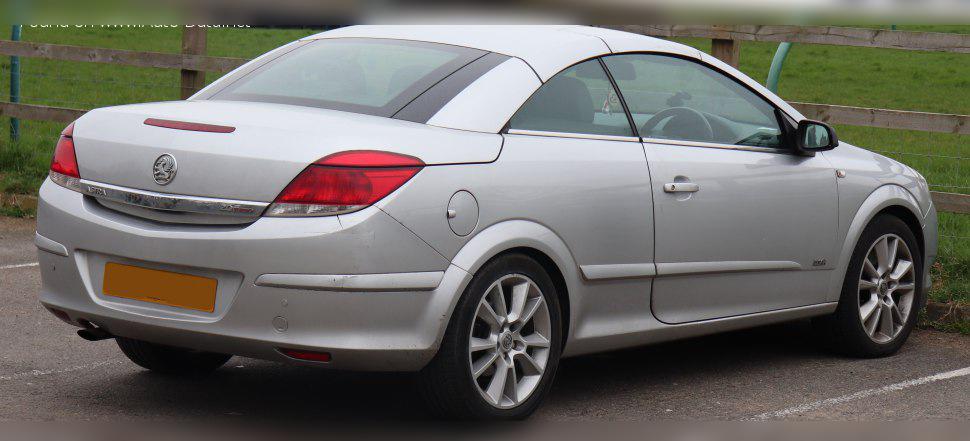
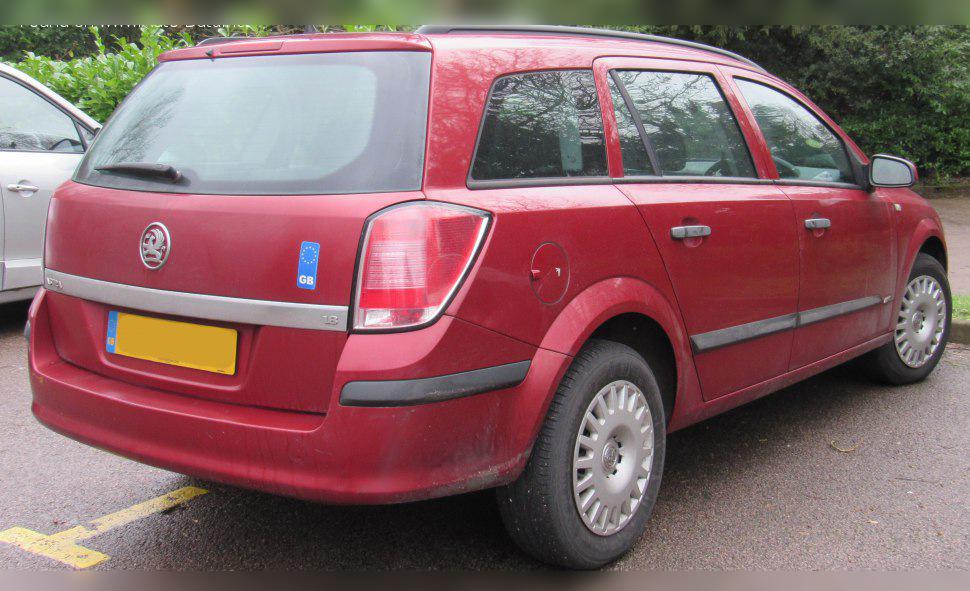
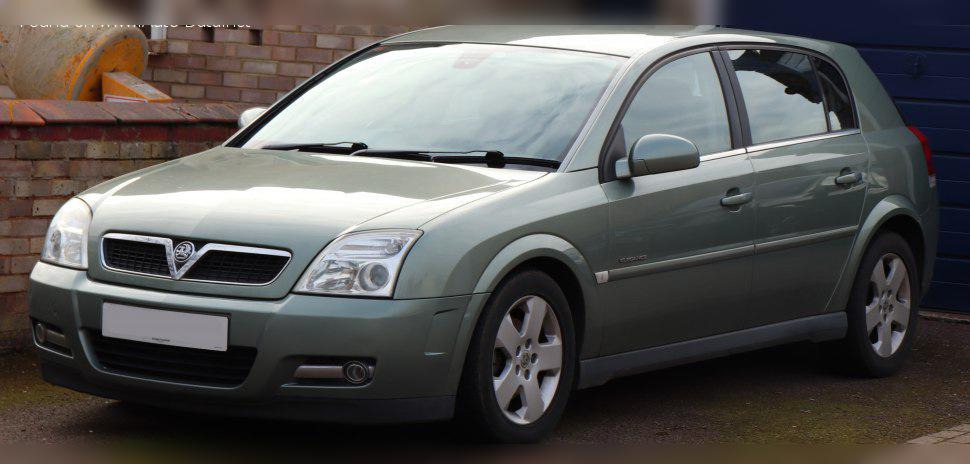
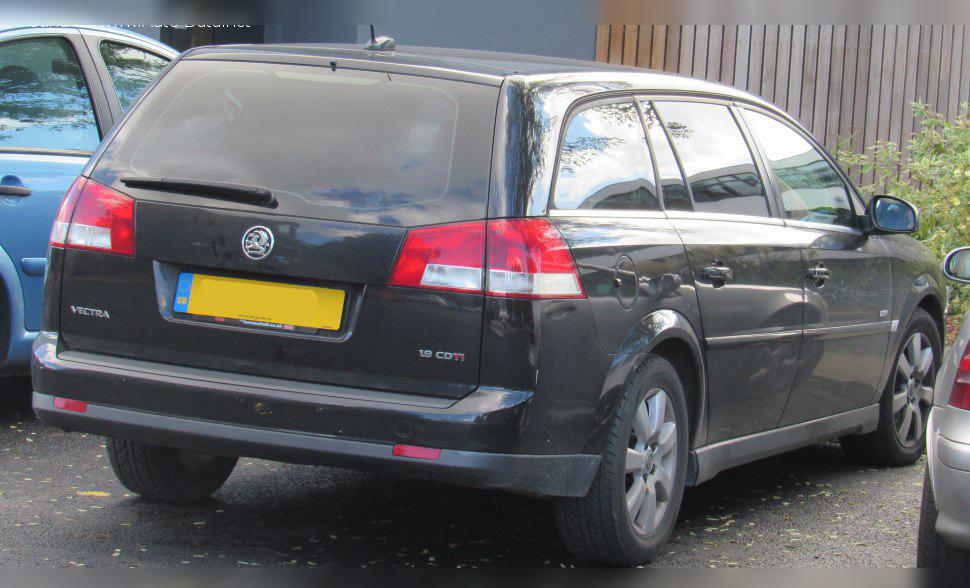
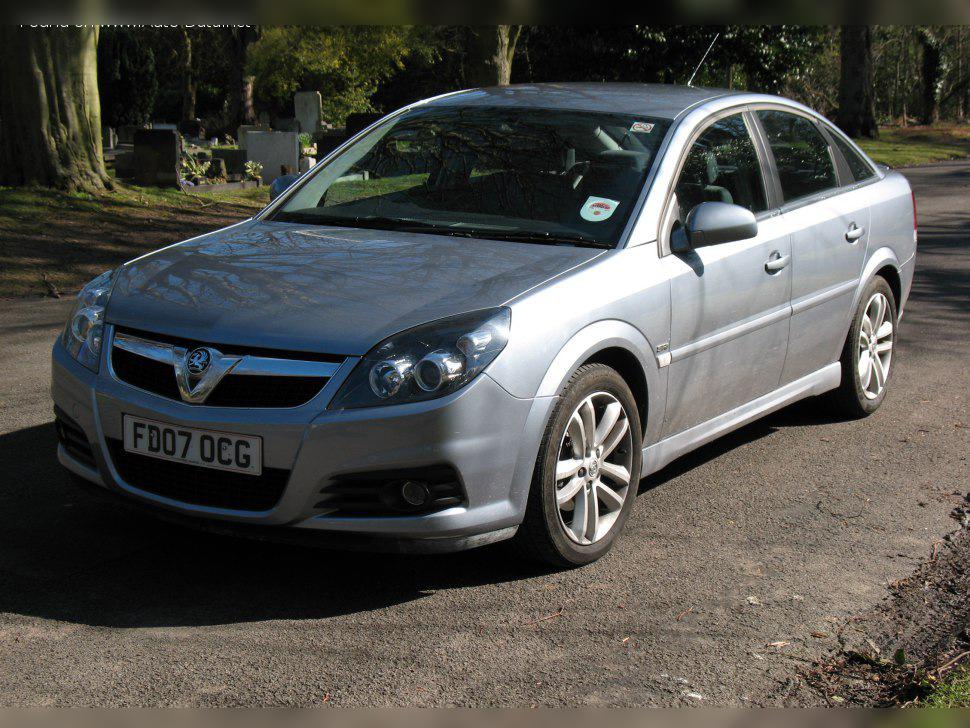
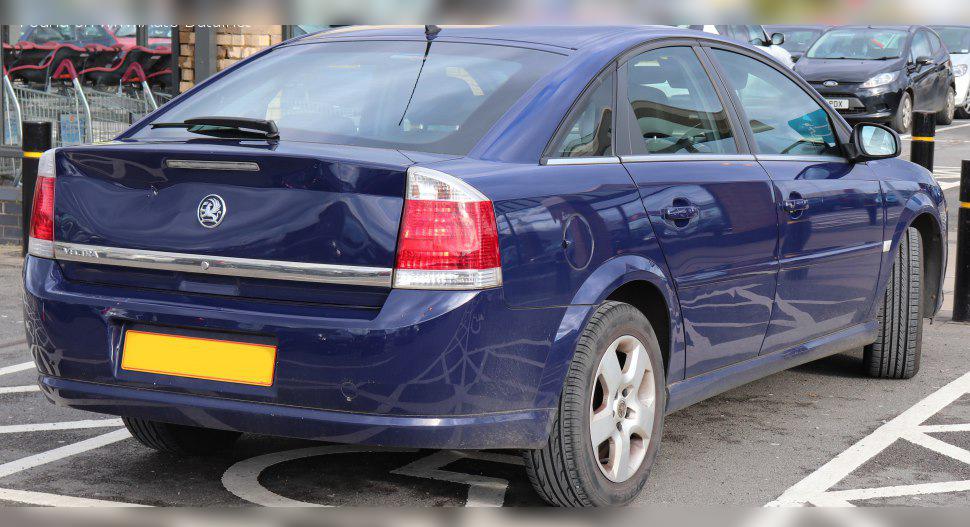
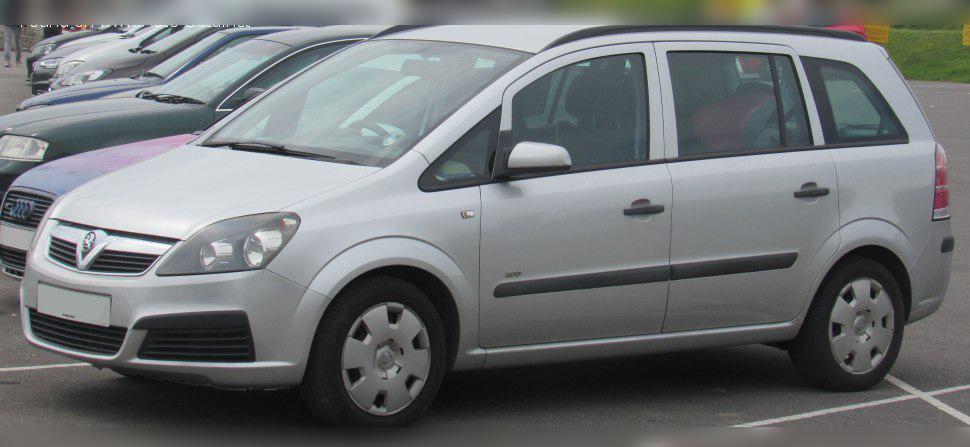
The engine with the code Z19DTH, better known as 1.9 CDTI (in Opel and Vauxhall) or 1.9 TiD (in Saab), is the result of the former cooperation between General Motors and the Fiat group. Essentially, under the plastic cover hides the famous Italian 1.9 JTDm with 16 valves. It was installed in a wide range of vehicles, from sporty Astra H GTC, through sedans such as Vectra C and Saab 9-3, to family cruisers like the Zafira B.
This unit offers a fantastic balance between power and efficiency, but as it is more than a decade and a half old, specific “ailments” appear that every potential buyer needs to be aware of.
Technical specifications
| Displacement: | 1910 cc |
| Power output: | 110 kW (150 hp) |
| Torque: | 320 Nm |
| Engine code: | Z19DTH |
| Injection type: | Bosch Common Rail (direct injection) |
| Aspiration: | Turbocharger (VGT - variable geometry) + intercooler |
Reliability and maintenance
Timing belt or chain?
The Z19DTH uses a timing belt to drive the camshaft. The system is quite reliable, but it does not tolerate extended service intervals. A snapped belt leads to serious damage to the valves and cylinder head, although on this block the rocker arms often break first, which can sometimes save the camshaft and valves from total destruction.
Most common failures and symptoms
The main problem with this engine is the intake manifold and its swirl flaps. The rod that connects the flaps often falls off due to wear. When that happens, the engine loses power at low revs, smokes more and runs roughly. In the worst-case scenario, the flap shaft can break and be sucked into the cylinder, destroying the piston, valves and turbo (very expensive, depends on the market). The solution is to replace the entire intake manifold or (more commonly in practice) to physically remove the flaps and disable them in the software.
Another common issue is the alternator. Due to its poor position close to the exhaust and heat, the diodes in the alternator often burn out. The driver will notice the battery warning light, dimming headlights or the car going into “safe mode”.
Major service, oil and viscosity
The major service (replacement of timing belt, tensioner, idler pulleys and water pump) is usually done every 100,000 to 120,000 km, or every 5 years. Always replace the water pump because its bearing can seize and snap the belt.
The engine takes about 4.3 liters of oil. The manufacturer recommends 5W-30 (with GM Dexos 2 specification, which is important for models with a DPF filter) or 5W-40. Oil consumption between services mostly depends on the condition of the turbo. If everything is in order, consumption of 0.2 to 0.5 liters per 10,000 km is considered normal. If it consumes more than a liter, check the play in the turbo shaft or the condition of the valve stem seals.
Injector condition
The Bosch Common Rail injectors on this engine are extremely robust. With good-quality fuel they can easily exceed 250,000 km. When they start to fail, the symptoms are difficult cold starts in the morning, “hammering” engine operation (a metallic noise similar to bad hydraulic lifters), jerking under acceleration and increased black smoke from the exhaust. Reconditioning is not excessively expensive (depends on the market).
Specific parts and costs
Dual-mass flywheel
Yes, all versions with a manual gearbox have a dual-mass flywheel. Replacing the complete clutch kit with flywheel is expensive (depends on the market). Symptoms of a bad flywheel are strong vibrations at idle, knocking or rattling when switching the engine off without pressing the clutch, and a hard or jerky clutch pedal.
Turbocharger
This unit uses a turbocharger with variable geometry (VGT). The turbo itself is durable (often lasts over 200,000 km), but the variable-geometry vanes can seize up from soot if the car is driven too much in the city at low revs. Symptom: the car pulls well up to 2500 rpm, then suddenly loses power and the “Check Engine” light comes on (overboost error). A characteristic whistling (“police siren sound”) can also be heard if the turbo bearings are worn.
EGR valve and DPF filter
The EGR valve on the Z19DTH is a nightmare for city driving. It quickly clogs with soot, gets stuck in the open position and then the car barely moves off the line, accompanied by clouds of smoke. As for the DPF filter, it is present on most newer versions (especially from Euro 4 standards onwards). If the car is used mainly in the city, regenerations are interrupted, the DPF clogs, and the engine oil level rises because the ECU injects too much fuel for regeneration (the fuel ends up in the sump). This can lead to engine runaway.
AdBlue system
The Z19DTH does not have an AdBlue system. It belongs to the generation of engines before the introduction of SCR catalysts, which significantly simplifies and reduces running costs, as you do not have to worry about AdBlue heaters or pumps.
Fuel consumption and performance
City driving: Real-world consumption in stop‑and‑go conditions is between 7.5 and 9.0 l/100 km, depending on vehicle weight (the Astra uses less, the Vectra estate or Zafira are closer to the upper limit).
Power-to-weight ratio: The engine is definitely not sluggish. With 150 hp and a strong 320 Nm of torque, it easily copes even with a heavy 7‑seater Zafira. In lighter models such as the Astra H GTC, it delivers almost “hot‑hatch” characteristics when you put your foot down.
Motorway driving: This is where the Z19DTH feels at home. It cruises smoothly and at 130 km/h in sixth gear the rev counter sits at a relaxed ~2200 to 2400 rpm (depending on the gearbox). Motorway fuel consumption is excellent, around 5.5 to 6.5 l/100 km.
Additional options and remapping
Although LPG conversion is not relevant here because this is a diesel, it is worth mentioning the tuning potential. The Z19DTH is incredibly suitable for a Stage 1 remap (chip tuning). Without changing any stock hardware, the power can safely be raised via software to 180 to 190 hp, and torque to an impressive 380 to 400 Nm.
However, before doing this you must be absolutely sure that the dual-mass flywheel and clutch are in perfect condition, because the sudden increase in torque can very quickly “kill” a worn clutch.
Gearbox: A major reason for caution
Types of gearboxes
The engine is most commonly paired with the 6‑speed manual gearbox designated M32, while for automatics the 6‑speed Aisin unit known as AF40‑6 was most frequently used.
M32 manual gearbox failures (very important!)
The M32 manual is probably the weakest link in this drivetrain. From the factory it suffers from poor lubrication and weak bearings (especially the 6th‑gear bearing). Symptoms: The driver will first hear whining or howling from the gearbox in 5th and 6th gear. Also, when you press or release the throttle in 1st or 5th gear, the gear lever will physically move forwards and backwards. If this is ignored, the bearing fails and punches a hole in the gearbox casing. Rebuilding the gearbox is expensive (depends on the market).
AF40 automatic gearbox failures
The Aisin AF40 is a conventional automatic with a torque converter (it does not use a classic dual-mass flywheel). It is very durable, but if previous owners did not change the oil, the valve body tends to fail. Symptoms are harsh and violent jolts when shifting from D to R, or rough shifts from 2nd to 3rd gear when the oil is hot.
Gearbox maintenance
Forget the myth that gearbox oil is “lifetime”. In the M32 gearbox, oil changes are mandatory every 60,000 km (mechanics recommend filling about 2.4 liters of quality oil instead of the factory 2.2 L for better cooling of the upper bearings). For the automatic gearbox, a partial oil change (drain & fill) is also done every 60,000 km.
Buying used and conclusion
What to check before buying?
- Intake swirl flaps: Remove the decorative engine cover and look at the rod that connects the four flaps on the intake manifold. If it is lying beside them, it has fallen off. That means the intake has to come off.
- Gearbox on a test drive: Put it in 5th and 6th gear at 80–100 km/h, turn the radio off and carefully listen for whining. If the gear lever moves when you apply or release the throttle, ask for a serious discount.
- Cold start: The first start in the morning must be without clouds of smoke and without flywheel rattling.
- DPF diagnostics: Always connect a diagnostic tool and read the “soot saturation” (DPF clogging level) and when the last regeneration was performed.
Final conclusion
Who is the Z19DTH for? This is an engine for people who cover higher mileages and drive mainly on main roads and motorways. If you need a car for everyday short city hops of 3 km, this engine will “punish” you with a clogged EGR valve and an overloaded DPF. The Z19DTH is a mechanical workhorse, but the intake manifold and gearbox (M32) require a meticulous mechanic and preventive attention. If you find a well‑maintained example and sort out the swirl flaps, you will get a reliable, fast and surprisingly economical car for long‑distance journeys.