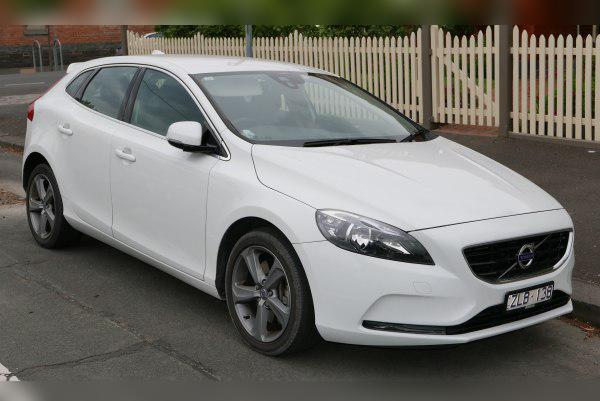
Volvo B4164T 1.6 T4 Engine (180 hp): Experiences, Issues, Fuel Consumption and Used-Buying Tips
Key points in short (TL;DR)
- Performance is excellent: With 180 hp and 320 Nm, this engine easily handles even the heaviest Volvo bodies.
- Direct injection: Great for power, but it means carbon buildup on intake valves over time.
- Sensitive cooling system: Coolant loss is the most dangerous issue with this engine; coolant level must be checked regularly.
- Timing belt: The engine uses a belt, not a chain, so regular major service is absolutely essential.
- Be careful with automatic gearboxes: Powershift dual-clutch gearboxes require strict oil changes every 60,000 km, otherwise you risk an extremely expensive failure.
- LPG is hardly worth it: Due to the specific injection system, LPG conversion is very expensive and technically demanding.
Contents
- Introduction: What’s behind the B4164T code?
- Technical specifications
- Reliability and maintenance
- Specific parts and failures
- Fuel consumption and performance
- Additional options and modifications (LPG and remapping)
- Gearboxes: Which to choose and how to maintain them?
- Buying used and conclusion
Introduction: What’s behind the B4164T code?
If you’re buying a modern Volvo from around 2011 to 2015 (models like the V40, S60, V60, or heavyweights such as the S80 and V70) and you see the T4 badge under the hood, there’s a good chance you’re looking at an engine with the code B4164T. To clear up a mechanic’s secret right away: this is actually the well-known Ford 1.6 EcoBoost engine, which Volvo adapted and installed in its models during the period when the two manufacturers were closely cooperating.
This is an engine from the “downsizing” era (reduced displacement with the addition of a turbocharger). The goal was clear: replace the old, thirsty five‑cylinders with a lighter engine that uses less fuel while still offering serious torque. The result is a power unit that puts a smile on the driver’s face with its speed and throttle response, but which demands a responsible owner because it does not forgive neglected servicing.
Technical specifications
| Specification | Value |
|---|---|
| Displacement | 1595 cc |
| Engine power | 132 kW (180 hp) |
| Torque | 320 Nm |
| Engine code | B4164T |
| Injection type | Direct gasoline injection (GDI) |
| Aspiration | Turbocharger with intercooler |
| Fuel type | Petrol (minimum 95 RON recommended, ideally 98) |
Reliability and maintenance
Timing belt or chain?
This engine uses a timing belt to drive the camshafts. The factory interval for the major service is usually 160,000 km or 8 years, but in practice it’s wiser to shorten that. Any experienced mechanic will recommend doing the major service at a maximum of 120,000 km or every 6 years. A snapped belt leads to direct contact between valves and pistons, which means catastrophic damage with very expensive repairs (depending on the market).
Most common issues: What to watch out for?
The biggest enemy of the B4164T engine is the cooling system. Coolant often leaks from plastic junctions, hoses or the expansion tank itself (which is known to crack). If the coolant level drops and the driver doesn’t notice (because the level sensor sometimes fails), the engine overheats. This leads to a blown head gasket or, even worse, a cracked engine block. Symptoms: coolant disappearing from the tank, white smoke from the exhaust, or oil and coolant mixing.
Also, due to direct injection, fuel does not wash the intake valves. Over time, carbon buildup forms on them. Symptoms include rough idle, loss of power and jerking under acceleration. Cleaning the valves (for example, with walnut shell blasting) is a common job after about 100,000 km.
Oil capacity, grade and consumption
The sump of this engine holds about 4.1 litres of oil. Because of the sensitive turbocharger and variable valve timing (VVT) system, you must use fully synthetic 5W‑30 oil that meets Ford (WSS‑M2C913‑C/D) or the specific Volvo standard. Oil must be changed strictly every 10,000 to 12,000 km, never at 20,000+ km as the factory optimistically suggests.
Does it burn oil? A healthy engine can use up to 0.5 litres between services, which is completely normal for a turbo petrol. However, if the engine consumes a litre of oil per 1,000 km, that points to a serious problem – most often stuck piston rings or worn valve stem seals, usually caused by infrequent oil changes.
Spark plug replacement
Since this is a petrol engine running high boost, spark plugs should be replaced every 60,000 km. If you feel the car hesitating or stumbling when you apply heavy throttle at low revs, that’s the first sign that the plugs are done or that an ignition coil is breaking down.
Specific parts and failures (Costs)
Dual-mass flywheel
Yes, versions with a manual gearbox have a dual‑mass flywheel (DMF). Due to the high torque of 320 Nm, the flywheel is under heavy load. Its lifespan is around 150,000 to 200,000 km. Replacing the complete clutch kit with the dual‑mass flywheel is expensive to very expensive (depending on the market).
Injection system and injectors
As mentioned, it uses high‑pressure direct injection. The high‑pressure fuel pump (HPFP) is driven by the camshaft. Sometimes the cam follower that links the pump to the camshaft wears out. The injectors themselves are reliable but extremely sensitive to poor‑quality fuel. Clogged injectors can cause a piston to melt due to a lean mixture. A new injector is anything but cheap.
Turbocharger
The engine is fitted with a single BorgWarner turbocharger. Its lifespan largely depends on oil quality and driving style (whether you let the turbo cool for a couple of minutes at idle after fast motorway driving). With proper maintenance, the turbo can easily exceed 200,000 km. If you hear a loud siren‑like whine or see bluish smoke from the exhaust under acceleration, the turbo is ready for a rebuild, which is relatively expensive (depending on the market).
Emissions (DPF, EGR, AdBlue)
Since this is a petrol engine, it DOES NOT have a DPF filter and does not use AdBlue. This is a huge relief for owners who mostly drive in the city. The engine also doesn’t have a classic EGR valve that constantly gets clogged; instead, exhaust gas recirculation is handled via the variable valve timing (VVT) system. The only potential troublemakers in the emissions system are the lambda sensors or the EVAP valve (fuel vapour valve).
Fuel consumption and performance
Real‑world city consumption
Don’t let the modest 1.6‑litre displacement fool you. In stop‑and‑go city driving, especially in heavier models like the Volvo V70 or S80, real‑world consumption ranges from 9 to 11 l/100 km. In the lighter V40, consumption is closer to the lower end, around 8.5 to 9.5 litres.
Is the engine “lazy”?
Absolutely not. With an impressive 320 Nm of torque available already at low revs (thanks to a small turbo that spools up quickly), this engine pulls like a modern diesel but with the wider rev range of a petrol. Even in the hefty V70 III estate, overtaking is safe and smooth. The engine is very flexible and lively.
Behaviour on the motorway
This is a great engine for cruising. At 130 km/h in sixth gear, the rev counter sits at a relaxed 2,600 to 2,800 rpm (depending on gearbox and model). Inside the cabin the engine is very quiet, and fuel consumption on the open road drops significantly to around 6.5 to 7.5 l/100 km.
Additional options and modifications
LPG conversion
Does this engine like LPG? Short answer: No. Because of the direct injection, a classic sequential LPG system cannot be installed. You need a special system that either injects liquid gas directly through the petrol injectors (extremely expensive), or a system that uses both LPG and petrol at the same time (to cool the petrol injectors so they don’t burn in the cylinder head). Installing such systems is very expensive (depending on the market) and only pays off in the long run for people who cover huge mileages.
Remapping (Stage 1)
Given that the engine already leaves the factory with a solid 180 hp from 1.6 litres, it’s already fairly stressed. Still, the turbo and software allow a safe Stage 1 remap to about 200–210 hp and a torque increase to around 350–360 Nm. Before any remap, you must thoroughly check the cooling system (water pump, hoses) and make sure the oil is fresh.
Gearbox: Manual or automatic?
Types of gearboxes and common failures
This engine comes paired with a conventional 6‑speed manual gearbox or a 6‑speed automatic gearbox. In most models (V40, S60, V60) that automatic is the well‑known Powershift (Ford 6DCT450) – a dual‑clutch gearbox running in an oil bath. In some later models and specific markets a conventional Geartronic (Aisin torque‑converter automatic) was used.
The manual gearbox is mechanically excellent. The only issues are wear items: the clutch kit and dual‑mass flywheel.
On the other hand, the Powershift automatic is a real weak spot if not maintained properly. Common problems include shuddering when moving off, harsh shifts from first to second, or complete loss of even or odd gears. The cause is dirty oil that destroys the mechatronics and clutch pack. Rebuilding this gearbox is very expensive (depending on the market).
Gearbox service intervals
For the manual gearbox, a preventive oil change at 100,000 km is recommended. However, for the Powershift automatic, oil and filter changes MUST be done strictly every 60,000 km. Not a kilometre later. When buying used, if the seller has no proof that the gearbox oil has been changed, that car is a huge risk.
Buying used and conclusion
What exactly should you check before buying?
- Coolant level: Open the bonnet and check the expansion tank. The coolant must be at the MAX mark and clean (usually red/pink). If fluid is missing or there are oily traces – walk away from that car.
- Cold start: Start a completely cold engine. Listen for rattling or knocking in the first 2–3 seconds. This can indicate a problem with the variable cam pulleys (VVT).
- Automatic test drive: Set off gently uphill without using the throttle. If the car shudders or the gearbox bangs when shifting, expect an expensive clutch and mechatronics overhaul.
- Diagnostics: Scan for fault codes. Because the engine is sensitive to misfires (caused by bad plugs or carbon on the valves), diagnostics must be completely clean.
Final verdict: Who is this engine for?
The Volvo B4164T engine (1.6 T4 / 180 hp) is ideal for drivers who want strong performance and an enjoyable drive, but don’t cover 30,000 km a year to justify a diesel. It is modern, quiet and very eager.
However, this is not an engine for careless owners. It is not one of those “just fill it up and drive” workhorses. It demands strict maintenance, top‑quality oil every 10,000 km and constant monitoring of the cooling system. If you find a well‑maintained example with a known service history (especially with an automatic), you’ll get a great car. If you buy a car with a dubious maintenance record, be prepared for deep pockets and expensive repairs.