Ford 2.0 EcoBlue BCCC (190 hp): Experiences, problems, fuel consumption and used car buying tips
- Key points (TL;DR):
- Excellent 400 Nm of torque makes this engine ideal for heavy vehicles such as the Ford Edge, Galaxy and S-MAX.
- The engine uses a timing belt running in oil (“wet belt”) – this is a critical maintenance point and requires strictly using the exactly specified oil.
- The AdBlue system is a common source of problems, from fluid crystallization to pump failure.
- 8-speed automatic gearboxes are comfortable, but regular oil changes every 60,000 km are mandatory.
- Great for long trips and highway driving, but not recommended for exclusively city driving due to the DPF filter and EGR valve.
Contents
- Reliability and Maintenance
- Specific Parts and Costs
- Fuel Consumption and Performance
- Additional Options and Modifications
- Transmissions and Drivetrain
- Buying Used and Conclusion
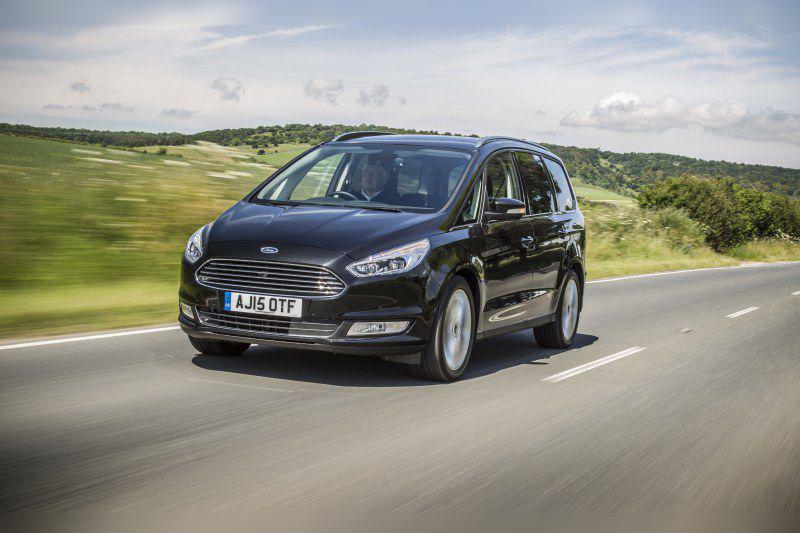
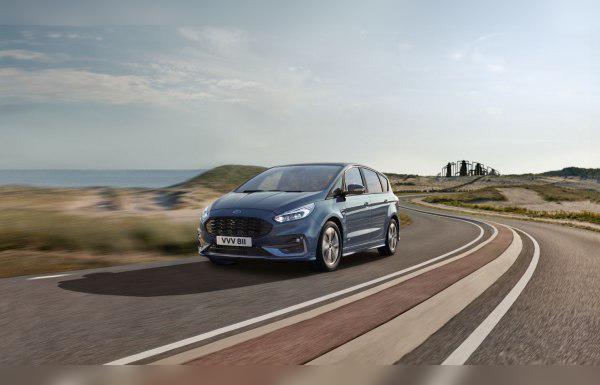
The engine with the code BCCC is part of Ford’s more modern “Panther” family of engines, commercially better known as the 2.0 EcoBlue. It appeared as a replacement for the older 2.0 TDCi engines (developed in cooperation with the PSA group), with the goal of meeting strict Euro 6 emission standards, reducing internal friction and improving power delivery. It is installed in heavier family and SUV vehicles such as the Ford Edge II (facelift), Galaxy III and S-MAX II, where it copes very well with the body mass, especially in all-wheel drive (AWD) versions and 7‑seat configurations.
Technical specifications
| Engine displacement | 1997 cc |
| Power | 140 kW (190 hp) |
| Torque | 400 Nm |
| Engine code | BCCC |
| Fuel type | Diesel (Euro 6) |
| Injection type | Common rail (piezo injectors) |
| Charging system | Turbocharger with variable geometry, intercooler |
Reliability and Maintenance
The biggest peculiarity and at the same time the potential “Achilles’ heel” of this engine is the timing system. The 2.0 EcoBlue does not use a classic chain or a dry belt, but a timing belt running in oil (“wet belt”). This design reduces friction and noise, but requires almost fanatical dedication to maintenance. If the wrong oil is used or the replacement interval is exceeded, the belt material starts to crumble. Those rubber particles fall into the oil pan and clog the oil pump strainer, which leads to a drop in oil pressure and a catastrophic failure (seizure of the crankshaft and bearings). Because of this, although the manufacturer often specifies a major service interval of 200,000 km or 10 years, in practice it is strongly recommended to do the major service (belt replacement) no later than at 100,000 to 120,000 km.
The oil pan of this engine holds about 6.1 to 6.5 liters of oil, and the grade must be exclusively 0W-30 that meets Ford specification WSS-M2C950-A. Any experimenting with cheaper oils directly destroys the belt. A healthy BCCC engine usually does not consume oil between services, and a loss of up to 0.5 liters per 10,000 km can be considered acceptable. Increased oil consumption generally indicates worn piston rings or an issue with oil leakage at the turbo shaft.
As for the injection system, the piezo common-rail injectors are very precise and have proven robust. On average, they cover over 200,000 km to 250,000 km without issues, provided that quality fuel is used and the fuel filter is changed regularly. Symptoms of injector wear include rough idling (clicking), increased black smoke under sudden acceleration and loss of power.
Specific Parts and Costs
Power transfer in manual, and some automatic versions as well (depending on gearbox design), is handled via a dual-mass flywheel. Its task is to smooth out the strong vibrations produced by the hefty 400 Nm of torque. Its service life is usually around 150,000 to 200,000 km, depending on driving style. Replacing the complete clutch kit with the dual-mass flywheel is considered expensive maintenance (depends on the market).
The engine is equipped with a single but very efficient turbocharger with variable geometry (VGT). Its lifespan is directly tied to oil quality. If you change the oil regularly every 10,000–15,000 km (ignore the factory “long life” intervals of 30,000 km), the turbo will last as long as the engine itself.
What really gives owners headaches is the emissions equipment. The engine is fitted with a DPF filter, EGR valve and AdBlue system (SCR catalyst). If an S-MAX or Galaxy is driven exclusively on short urban trips, the DPF will quickly clog and the EGR valve will get sooted up, which leads to power loss and the “Check Engine” light coming on. However, the AdBlue system is the most problematic. Failures of the module, pump or urea injection nozzle due to fluid crystallization, especially in winter, are common. Fixing an AdBlue system fault often requires replacing the entire tank with the integrated pump, which is very expensive (depends on the market). Prevention means using additives that protect AdBlue fluid from crystallization.
Fuel Consumption and Performance
One has to be realistic – the vehicles that use the BCCC engine are aerodynamic “bricks” weighing around 1.8 to 2 tons. Because of this, real-world consumption in stop‑and‑go city driving is between 8.5 and 10.5 l/100 km.
As for the question whether this engine is “lazy” for this body, the answer is definitely no. With 190 hp and 400 Nm (available already from low revs), the S-MAX and Edge accelerate with full confidence. They are not sports cars, but you will not have problems overtaking, even with a full trunk and seven passengers.
Where this engine really shines is on the highway. Thanks to modern 8‑speed automatic transmissions (which replaced the older 6‑speed units in these model years), at 130 km/h the engine cruises at very low revs (below 2,000 rpm). In such conditions, the cabin is quiet and fuel consumption drops to a very respectable 6.5 to 7.5 l/100 km.
Additional Options and Modifications
Many drivers want a bit more agility and therefore opt for software optimization of the engine (chiptuning). The BCCC unit has enough mechanical headroom. A standard Stage 1 remap can safely raise power from 190 hp to about 215 to 225 hp, while torque increases to an impressive 460 to 480 Nm. If the map is done properly and the DPF remains functional, the engine handles this very well. However, the significantly higher torque can shorten the lifespan of the dual-mass flywheel and the automatic transmission, so aggressive driving after chiptuning is not recommended.
Transmissions and Drivetrain
This engine is most commonly paired with an 8‑speed automatic transmission (with a torque converter, recognizable by the rotary gear selector on the center console), while in some configurations it can also be found with a classic 6‑speed manual gearbox.
The manual gearboxes are mechanically extremely robust and have no known weaknesses, apart from the expected wear of the clutch and dual-mass flywheel. On the other hand, the new 8‑speed automatic transmissions are far smoother and more reliable than the old Powershift (dual‑clutch) units, but they are not immune to problems. The most common automatic issues show up as harsh gear changes (especially from 2nd to 3rd) and jerks when setting off. The cause is usually worn-out oil or, in more serious cases, a problem with the valve body (mechatronics).
To avoid catastrophic automatic transmission failures, servicing the gearbox and changing the oil every 60,000 km is mandatory. Although some authorized dealers claim the oil is “lifetime fill”, workshop experience shows that this is a direct path to a very expensive transmission overhaul (depends on the market).
Buying Used and Conclusion
When buying a used Ford with the 2.0 EcoBlue BCCC engine, your first and main check must be related to the timing belt in oil. Ask the seller for proof of service history and the oil grade used. If you open the oil filler cap and smell a strong burnt rubber odor or see signs of damage inside the engine, walk away from the purchase. Also, on the instrument cluster check the range and status of the AdBlue system – emission-related errors (e.g. “AdBlue system fault – no restart in 800 km”) must be diagnosed with original Ford diagnostics before handing over any money. On the test drive, the automatic gearbox must shift imperceptibly, both when cold and when it reaches operating temperature.
Who is this engine for? The BCCC is a perfect choice for people who cover high mileage on open roads and highways and who need a strong, safe vehicle with plenty of space (Galaxy, S-MAX). With it you will tow a trailer or go on long family trips without fatigue. However, if you are looking for a car for a daily 3–4 km commute through city traffic, this engine will very quickly “punish” you with DPF issues and expensive AdBlue system failures.