Ford 1.8 TDCi (90 HP) Duratorq: Experiences, problems, fuel consumption and used-buying tips
Key points (TL;DR)
- Old, indestructible cast-iron engine block: Very robust bottom end that can cover hundreds of thousands of kilometers without issues.
- Watch the timing system: Versions after 2007 have a lower cassette belt running in oil (wet belt) instead of a chain. Irregular replacement leads to belt failure and catastrophic engine damage!
- No dual-mass flywheel (in most cases): The 90 HP version in the Transit Connect mostly uses a solid flywheel, which drastically reduces maintenance costs.
- Fuel injection system: Sensitive to poor-quality diesel; Delphi injectors tend to wear at higher mileage.
- EGR valve and DPF: Stop‑and‑go city driving quickly clogs the EGR, while the DPF (on post‑2009 models) needs regular regenerations on open roads. There is no AdBlue system.
- Practicality over speed: The 90 HP engine is no racer, especially when the van is loaded, and on the motorway it’s noisy due to the 5‑speed gearbox and the body’s poor aerodynamics.
Contents
- Introduction: Old-school diesel in work clothes
- Technical specifications
- Reliability and maintenance
- Specific parts and costs
- Fuel consumption and performance
- Additional options and modifications
- Gearbox and drivetrain
- Buying used and conclusion
Introduction: Old-school diesel in work clothes
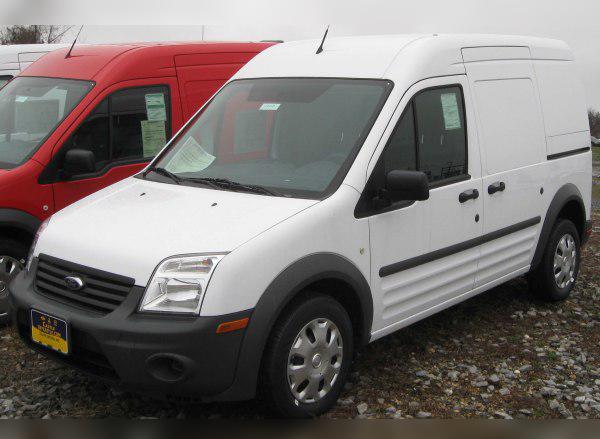
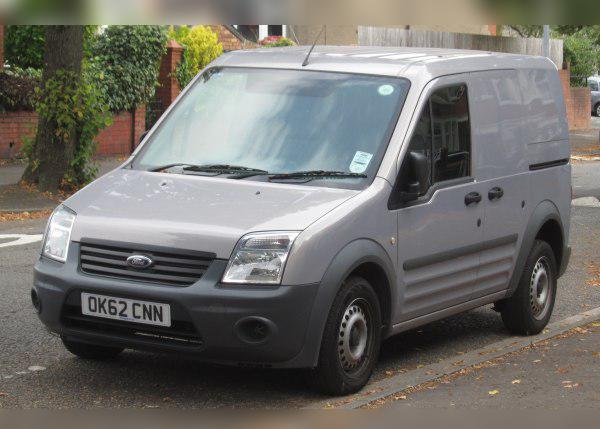
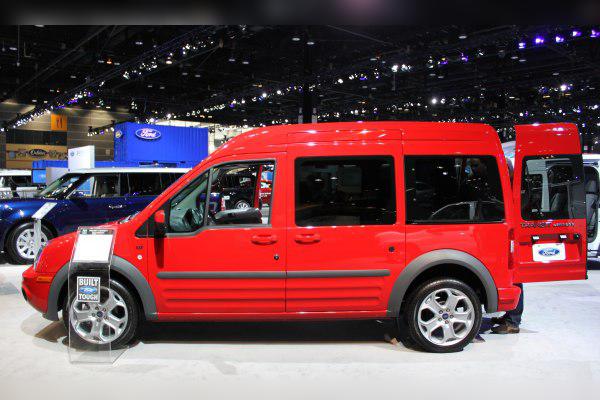
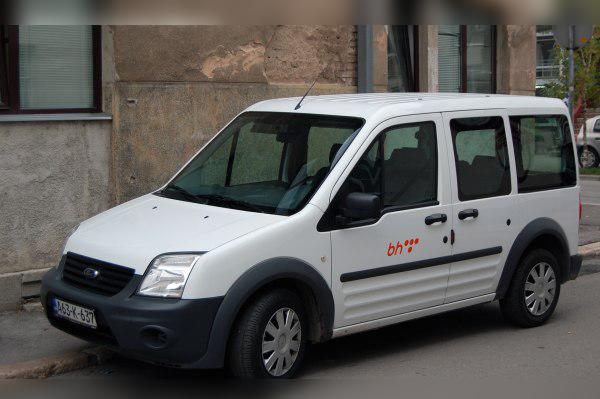
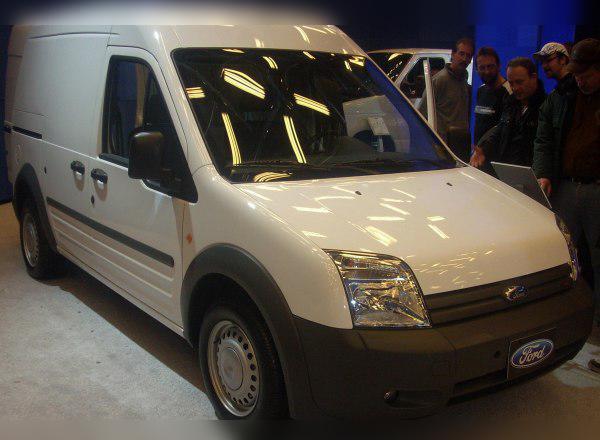
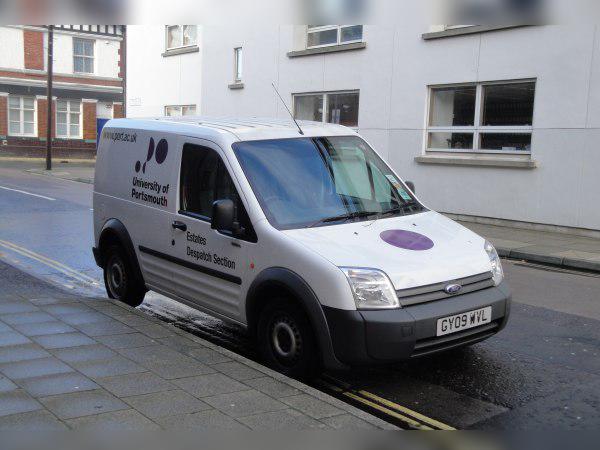
The 1.8 TDCi from Ford’s “Lynx” engine family is one of the oldest and toughest diesels the company has ever made. The version with 66 kW (90 HP) and engine codes HCPA, P9PA, R3PA saw its widest use in the light commercial vehicle Ford Transit Connect I (including the 2006 and 2009 facelifts). Built on an old cast‑iron block, this engine does not suffer from cooling issues and warping like some newer aluminum engines. Although technologically outdated in terms of refinement and noise, for tradespeople, delivery drivers and fleet users across Europe it has proven to be a reliable workhorse. However, the move to newer Euro emission standards and some engineering decisions brought a few specific weak points every owner needs to watch out for.
Technical specifications
| Engine displacement | 1753 cc |
| Power | 66 kW (90 HP) |
| Torque | 240 Nm |
| Engine codes | HCPA, P9PA, R3PA |
| Fuel type and injection | Diesel / Common Rail (TDCi) |
| Induction | Turbocharger with intercooler |
Reliability and maintenance
Timing system: Chain or belt?
This is the point where many owners get caught out. The Ford 1.8 TDCi has a dual timing system. The upper part (camshaft) is always driven by a toothed timing belt. However, the connection between the crankshaft and the high‑pressure pump on older versions was done with a robust chain. The problem appears around 2007/2008, when Ford, in pursuit of quieter operation and lower emissions, replaced that chain with a so‑called cassette belt running in oil (wet belt). Due to aging of the material and irregular oil changes, this lower belt can start to shed material, clog the oil pump strainer or snap, which leads to total engine failure (bent valves and damaged crankshaft). That’s why the recommendation is that if your engine has a wet belt, you must replace the entire timing system (upper toothed belt + lower cassette) as a complete kit.
Service intervals and engine oil
The major service is specified by the factory at 150,000 km, but any experienced mechanic will tell you to bring that down to 100,000 km or at most every 5 to 7 years, precisely because of wet‑belt degradation in oil. The price of the major service ranges from moderately expensive to expensive, mainly due to labor and the special tools required to replace the wet belt (varies by market).
This engine takes about 5.6 liters of oil. The factory strictly recommends a 5W‑30 grade (Ford WSS‑M2C913‑C or newer standard). As for oil consumption, a healthy 1.8 TDCi does not use much. A loss of about 0.3 to 0.5 liters between two minor services (which should be done every 10,000 to a maximum of 15,000 km) is considered normal. If the engine is burning a liter of oil every few thousand kilometers, the problem is usually a worn turbocharger or bad piston rings.
Injectors and fuel injection system
This model usually uses a Delphi common‑rail injection system. In real‑world use, the injectors perform decently and can cover 200,000 to 250,000 km without major issues if fed with good‑quality fuel. However, they are sensitive to water and dirt in the diesel. Symptoms of bad injectors include rough, hammer‑like idle, hard first cold start in the morning, and clouds of black smoke when you press the accelerator. Injector overhaul is a routine job nowadays, and the cost is moderate (varies by market).
Specific parts and costs
Dual-mass or solid flywheel?
Good news for buyers of the 90 HP Transit Connect! To make the vehicle more reliable and cheaper to maintain, Ford fitted solid (conventional) flywheels to most of these workhorses. However, since the Transit was sold worldwide in a million trim and payload variants (L1H1, L2H2, Crew Van), there is a small chance that some specific versions have a dual‑mass flywheel. Data varies, and you can get 100% accurate information only by checking the VIN in the official Ford system. If you have a solid flywheel, you only replace the clutch kit (pressure plate, disc, release bearing), which is absolutely not expensive (varies by market).
Turbo, EGR and DPF filter
On the 90 HP version the turbocharger is quite simple (usually without variable geometry or with a simpler control system). Its lifespan generally matches the engine’s; with regular oil changes it can easily go beyond 300,000 km. The first symptom of failure is a whistling noise under load and a loss of power accompanied by smoke.
The EGR valve causes far more headaches. Since these vans are mostly driven in stop‑and‑go city traffic (urban deliveries), the EGR quickly clogs with soot. The engine then loses low‑rpm power, jerks and smokes.
As for the DPF filter (diesel particulate filter), it was not fitted to older versions (2006 facelift). However, post‑2009 models (often marked with DPF in the spec sheet to meet Euro 4 and Euro 5 standards) do have it. If the vehicle never goes on open roads where it can maintain a constant speed and reach about 600 °C for regeneration, the DPF will clog, causing the oil level in the sump to rise (due to diesel dilution). Important detail: This is an older‑generation engine and does not have an AdBlue system (SCR catalyst), which saves owners from failures of AdBlue pumps and heaters.
Fuel consumption and performance
In the city and under load
The engine delivers its maximum 240 Nm of torque fairly early, which gives it a good shove when pulling away. However, the Transit Connect, especially in the long‑wheelbase and high‑roof versions (L2H2), weighs over 1,400 kg empty. Once you load it with tools or cargo, 90 HP simply runs out of breath. The engine is not extremely sluggish, but overtaking on country roads requires careful planning. Real‑world urban fuel consumption is between 7.5 and 8.5 l/100 km, depending on load and driving style. It’s not the most economical diesel in the world, but consumption is consistent.
Behavior on the motorway
On the motorway, the age of the design really shows. Because of the van’s boxy shape (high aerodynamic drag) and the short gear ratios of the 5‑speed gearbox, at 130 km/h the engine spins at around 2,800 to 3,000 rpm. The cabin then becomes very noisy, and fuel consumption shoots up to over 8 l/100 km. Its natural “cruising” speed is around 100 to 110 km/h.
Additional options and modifications
Since this is the same 1.8 TDCi block that produced 115 HP in other Fords (Focus, Mondeo), this engine is an excellent candidate for a Stage 1 remap. With software optimization, power can safely be raised to about 110 to 115 HP, while torque goes up to nearly 290 Nm. This makes driving under load much easier and, if driven sensibly, does not endanger the turbo or the injection system. The solid flywheel (if fitted) also has no problem handling this extra torque.
Gearbox and drivetrain
With this engine, the Transit Connect was fitted exclusively with a manual 5‑speed gearbox designated MTX75. An automatic gearbox was not an option for this commercial spec in Europe.
From a mechanic’s point of view, the MTX75 is a “tank” of a gearbox. It is extremely robust and reliable. The most common (and practically only) issues relate to the gear selector (the shift cables stretch over time or seize due to moisture from below, making the lever stiff) and the driveshaft oil seals, which can start to weep. Gearbox oil replacement (75W‑90) is officially not specified by Ford (the so‑called “lifetime” concept), but any mechanic will tell you to drain and replace it every 100,000 to 120,000 km. The process requires barely 2 liters of oil, yet significantly extends gearbox life and improves cold‑weather shifting.
Buying used and conclusion
What exactly should you check before buying?
- Cold start: Start the engine completely cold. Listen for rattling from the pump/crankshaft area (a sign of a failing wet belt) and watch the exhaust. Any bluish smoke points to worn rings or turbo, while black smoke when you blip the throttle screams injector or EGR problems.
- Timing service history: If the seller has no clear proof and invoice showing when the wet belt was replaced, immediately factor that cost (which is not small) into the vehicle price and do the job as soon as you register the van in your name!
- Pulling to one side while driving: Since these are commercial vehicles that have been climbing kerbs and carrying heavy loads, be sure to check the front suspension and rear bushings.
- Diagnostics: Read the injector correction values and check DPF saturation in percent (if fitted).
Conclusion
Ford’s 1.8 TDCi (90 HP) Duratorq is a piece of old‑school “iron” engineering that is slowly disappearing from the roads. Who is this engine for? It is ideal for tradespeople, small business owners and anyone who needs a simple vehicle for hauling cargo mainly on short, local routes, where the lack of a 6th gear and the noise level are not deal‑breakers. If you find an example with regularly replaced wet belt and one that hasn’t been tortured to death under a ton of plasterboard, it will serve you very faithfully. Thanks to the absence of a complex AdBlue system and, in most cases, the lack of a fragile dual‑mass flywheel, maintaining this workhorse should not drive you to bankruptcy.