Ford 1.8 TDCi 110 HP (Duratorq RWPA / RWPB): Experiences, issues, fuel consumption and used-buying tips
- The cast-iron engine block is extremely durable and can withstand heavy loads.
- The timing system is specific: it combines an upper dry timing belt and a lower drive (chain or “wet belt”), which requires a skilled mechanic.
- The dual-mass flywheel is exposed to high torque and is a common reason for more expensive repairs on delivery vehicles.
- Siemens/VDO injectors are sensitive to fuel quality and their refurbishment is often impossible or very expensive.
- Models with a DPF filter (mostly from 2009 onwards) do not cope well with constant city driving and stop‑and‑go conditions.
- Very good for towing loads in Transit Connect models, it offers an excellent 280 Nm, but runs out of breath at higher motorway speeds.
Contents
- Introduction: Old-school diesel in work clothes
- Technical specifications
- Reliability and maintenance
- Specific parts and failures
- Fuel consumption and performance
- Additional options and modifications
- Gearbox and drivetrain
- Buying used and conclusion
Introduction: Old-school diesel in work clothes
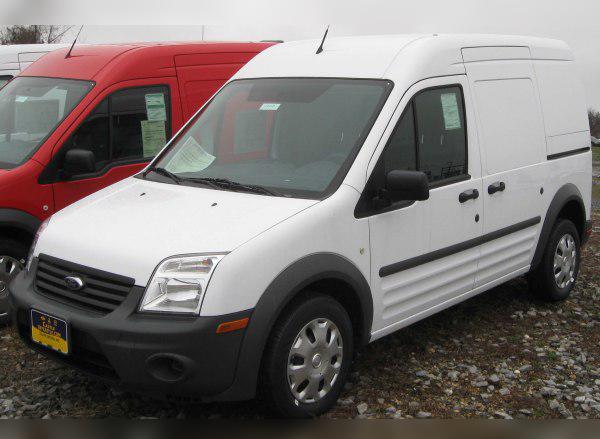
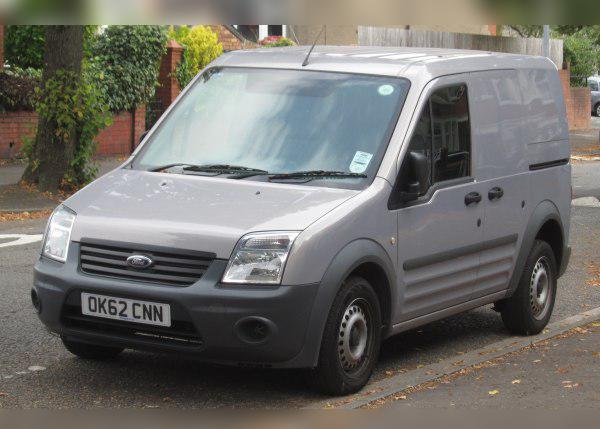
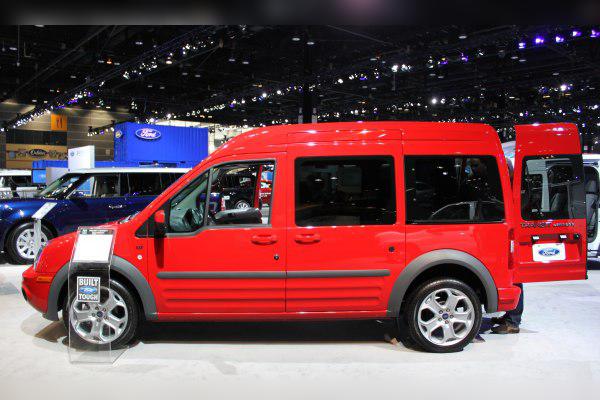
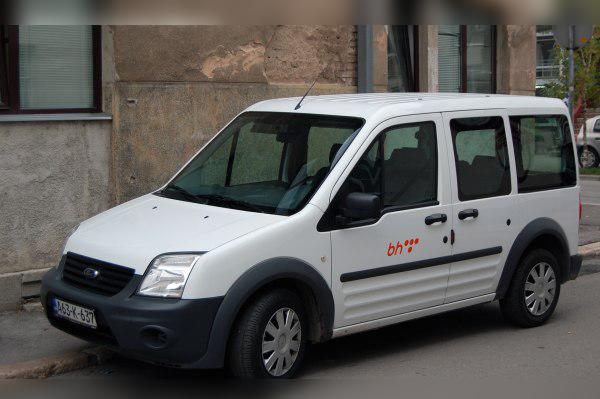
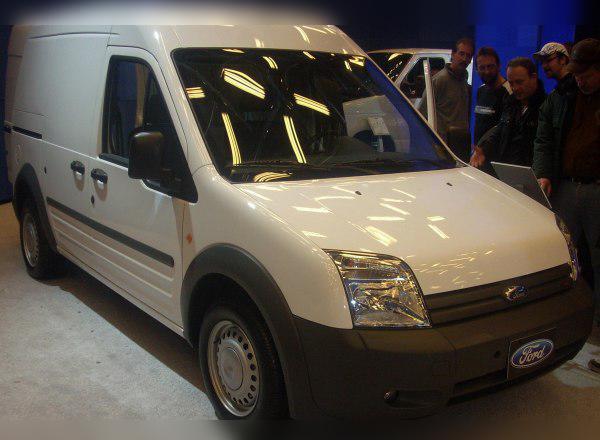
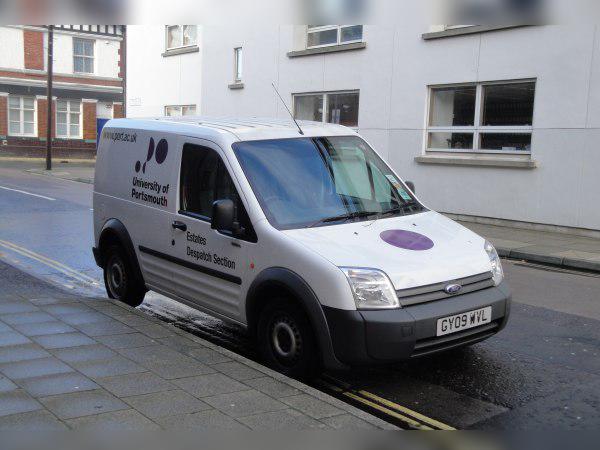
When we talk about engines designed to cover hundreds of thousands of kilometres under load, the 1.8 TDCi Duratorq (also known by the internal code Lynx) holds a special place. Unlike the smaller 1.6 TDCi developed in cooperation with the PSA group, the 1.8‑litre unit is Ford’s own child, an evolution of the old Endura‑D diesel. Installed in the Ford Transit Connect I (both before and after the 2009 facelift, in L1H1, L2H2, Panel Van and Crew Van versions), this engine in the 81 kW (110 HP) variant is the most powerful option for this chassis.
This unit, marked RWPA, RWPB, RWPC and RWPD, is known for its raw strength and extremely robust cast‑iron block. However, it also carries some engineering “quirks” that can give owners headaches if maintenance is neglected.
Technical specifications
| Specification | Data |
|---|---|
| Engine displacement | 1753 cc |
| Power | 81 kW (110 HP) |
| Torque | 280 Nm |
| Engine codes | RWPA, RWPB, RWPC, RWPD |
| Injection type | Common Rail (Siemens/VDO) |
| Intake type | Turbocharger with variable geometry, intercooler |
| Emission standard | Euro 4 / Euro 5 (depending on year and DPF) |
Reliability and maintenance
Timing: Chain, belt or “wet belt”?
The biggest peculiarity and potential landmine on this engine is the timing system. Does it have a belt or a chain? The answer is: It has both, but it depends on the engine’s production year. The system is split into two parts. The upper part (from the high‑pressure pump to the camshaft) is driven by a standard dry toothed belt. The lower part (from the crankshaft to the pump) was originally driven by a chain. However, in mid‑2007 and early 2008 Ford switched the lower timing to an “in‑oil belt” system (the so‑called wet belt or wet belt cassette system).
If the wet belt is not replaced on time, or if the wrong oil is used and it attacks the belt, it starts to crumble, clogs the oil pump strainer, oil pressure drops and eventually the belt snaps, leading to catastrophic engine failure (valves meeting pistons). The major timing service is officially scheduled at as much as 200,000 km, but any experienced mechanic will tell you to shorten that to 100,000 to 120,000 km at most. Always replace both the upper and lower systems at the same time.
Oil and regular servicing
This engine takes about 5.6 litres of engine oil. The strongly recommended grade is 5W‑30 that meets Ford’s specification (WSS‑M2C913‑C or D). Regular oil changes must be done at a maximum of every 15,000 km or once a year. A healthy 1.8 TDCi does not consume a significant amount of oil between services. Tolerance is up to 0.2–0.3 litres per 1,000 km due to heavy use and evaporation. If you notice that the engine consumes more than half a litre per 1,000 km, the problem usually lies in worn piston rings or leaks at the turbocharger oil seals.
Specific parts and failures
Injectors and fuel injection
The injection system on the 110 HP version relies on a Common Rail system equipped with Siemens (VDO) piezoelectric injectors. These injectors offer excellent performance, but are extremely sensitive to fuel contamination and the presence of water. Their typical lifespan is around 200,000 km. Symptoms of faulty injectors include rough and uneven idle (the engine shakes), hard first start in the morning, loss of power and pronounced black smoke from the exhaust under full throttle. The problem with Siemens injectors is that full refurbishment is difficult and often unsuccessful, so owners are faced with buying new or factory‑refurbished units. This is a very expensive job (cost depends on the market).
Dual-mass flywheel
Yes, the Transit Connect 1.8 TDCi with 110 HP is equipped with a dual‑mass flywheel (DMF). Since this is a commercial vehicle that often carries heavy loads in city traffic (stop‑and‑go driving), the flywheel is exposed to enormous shocks. Symptoms of wear include strong vibrations at idle, metallic rattling or “clattering” when switching the engine off, as well as clutch pedal shudder when taking off. Replacing the complete set (dual‑mass flywheel, pressure plate, clutch disc and hydraulic release bearing) is an expensive maintenance item (cost depends on the market).
Turbocharger, EGR and DPF
The engine is fitted with a single turbocharger with variable vane geometry (VGT). The turbo’s lifespan is good and it easily exceeds 250,000 km if oil and air filters are changed regularly. However, the variable vanes can get stuck due to soot build‑up from predominantly city driving, which leads to loss of power and the engine going into “safe mode”.
The EGR valve is another weak point. It gets dirty and sticks easily, causing the vehicle to lose power and smoke at lower revs. As for exhaust after‑treatment, early models (2006) often do not have a DPF, while models from 2009 onwards (especially in markets with strict Euro standards) are equipped with one (as stated in the L1H1 / L2H2 DPF specification). The DPF clogs very quickly if the van is used exclusively for short city deliveries, and replacement or cleaning is not cheap. Fortunately, given the generation, this engine does not use AdBlue fluid and does not have an SCR catalyst, which eliminates an entire range of potential issues with pumps, injectors and heaters built into AdBlue systems.
Fuel consumption and performance
Although in the passenger Focus this engine can be economical, the Transit Connect (especially the L2H2 with a high roof) is about as aerodynamic as a brick and is quite heavy. Real‑world city fuel consumption with load ranges between 7.5 and 9.0 l/100 km. On open roads without load it can drop to around 5.5–6.0 l/100 km.
With 110 HP and a healthy 280 Nm of torque available at low revs, the engine is anything but “lazy”. It carries the body very well and easily hauls heavy tools or pallets. The problem appears on the motorway. Due to the lack of a sixth gear in the gearbox, at 130 km/h the engine revs relatively high (close to 3,000 rpm). It then becomes quite loud and fuel consumption jumps above 8 l/100 km. This chassis is much happier cruising at speeds up to about 110 km/h.
Additional options and modifications
Since this is an old‑school heavy cast‑iron engine block, the 1.8 TDCi tolerates mild software tuning very well. A safe “Stage 1 remap” can raise power from 110 HP to about 135–140 HP, and torque to around 320–330 Nm. The engine itself will handle this without any issues. However, you must be careful: sudden torque spikes after the remap will significantly shorten the lifespan of the dual‑mass flywheel and clutch, as well as the CV joints on the front axle.
Gearbox and drivetrain
The Transit Connect with the 1.8 TDCi (110 HP) engine is most commonly equipped with Ford’s robust five‑speed manual gearbox (MTX75). There are no options for a conventional automatic gearbox in this specification with this diesel engine for the European market.
The MTX75 gearbox itself is a proven and very durable unit. The most common issues are related to the gear selector cables (which over time become stiff or develop play, making the gear lever imprecise) and occasional failure of the second‑gear synchro if the van is driven hard, which is often the case with company vehicles. The cost of replacing the clutch and dual‑mass flywheel includes a lot of labour, as the front subframe has to be dropped to separate the gearbox from the engine.
Although many manufacturers, including Ford, promote the term “lifetime fill” for manual gearbox oil, any serious mechanic will recommend changing the gearbox oil every 60,000 to 80,000 km. It takes about 1.9 litres of 75W‑90 synthetic, and this service is not expensive (cost depends on the market) and in the long run protects the synchros and bearings.
Buying used and conclusion
If you are buying a used Ford Transit Connect with the 1.8 TDCi (110 HP) engine, your focus must be on its maintenance history. Here is what you absolutely have to check before purchase:
- Noises on cold start: Let the vehicle sit overnight before you come. When starting it for the first time, pay attention to the idle. If revs fluctuate heavily, the engine shakes or emits bluish/black smoke, the injectors or glow plugs are likely due for replacement.
- Rattling from the bottom of the engine: Any unusual scraping or “hissing” noise around the oil pan and timing chain/belt cover may indicate a failing lower wet belt (or a stretched chain on the very early series). In that case you are immediately facing a major timing service, or you should simply walk away from that vehicle.
- Clutch test: With the engine off, gently press the clutch pedal – if you hear and feel rattling or pulsation, the dual‑mass flywheel is at the end of its life. Try hard acceleration in a higher gear at low revs (e.g. 4th gear at 1,500 rpm); if you hear metallic vibrations that disappear as you increase throttle, the flywheel needs to be replaced.
- Condition of EGR and DPF: A mandatory check via OBD diagnostics to see the level of DPF saturation (if fitted) and whether the system is registering any EGR valve issues.
Conclusion: Who is this engine for?
The Ford 1.8 TDCi with 110 HP in the Transit Connect is a true “workhorse”. It is intended for those who need a robust and strong delivery vehicle for heavier loads, mobile workshops or long‑distance runs on main roads. Its cast‑iron block can handle loads that would destroy more modern, downsized aluminium diesel engines.
However, it is not recommended for companies and couriers who drive in strict city centres in constant stop‑and‑go traffic. In such conditions the DPF (on 2009+ models) quickly gives up, the EGR fills with soot and the dual‑mass flywheel fails. If you find an example with proper documentation and a fully replaced timing set (including the notorious lower cassette), you will get a very loyal vehicle.