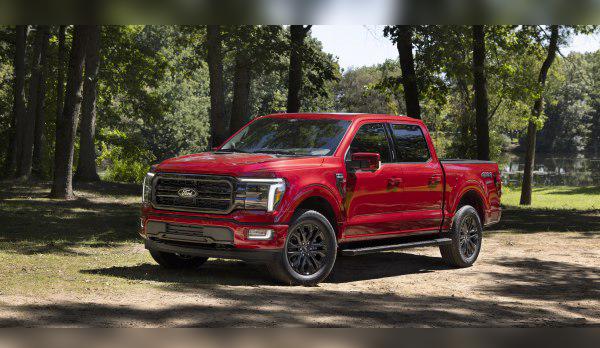
Ford 3.5 V6 EcoBoost (400 hp): Experiences, problems, fuel consumption and used-buying tips
- V8-level performance: Thanks to two turbochargers and an impressive 678 Nm, this V6 pulls heavy SUVs and trucks without any effort.
- Watch the timing chain: The most well-known weakness are the cam phasers and chain stretch, which require an expensive repair.
- Sensitive to spark plugs: Due to high boost pressure, regular spark plug replacement is absolutely critical for smooth operation.
- High city fuel consumption: Do not expect fuel efficiency; in urban stop‑and‑go traffic, consumption is extremely high.
- 10-speed transmission: The automatic gearbox is quick, but early versions can have harsh shifts due to software or valve issues.
- Tuning potential: The engine responds extremely well to a Stage 1 remap, but this carries risk for components if preventive maintenance is neglected.
Contents
- Introduction: Goodbye V8, hello twin-turbo V6
- Technical specifications
- Reliability and maintenance: Chain, oil and spark plugs
- Specific components: Turbos, injectors and flexplate
- Fuel consumption and performance: Can a V6 handle the “heavyweights”?
- Additional options and mods: LPG and chip tuning
- Transmission: Pros and cons of the 10-speed automatic
- Buying used and conclusion
Introduction: Goodbye V8, hello twin-turbo V6
When it comes to huge vehicles like the Ford Expedition, Explorer or the legendary F‑150 pickup, for decades the rule was that “there’s no replacement for displacement”. However, with its EcoBoost technology, Ford changed the rules of the game. Specifically, the mighty 3.5 V6 EcoBoost with 400 hp (and the similarly powerful 3.0 V6 in some Explorer versions) was designed to offer the torque of a strong diesel, the power of a classic V8 gasoline engine, all from a significantly smaller displacement. It is installed in the most demanding and heaviest vehicles, which means it is constantly under load, and that brings specific maintenance challenges.
Technical specifications
| Specification | Data |
|---|---|
| Engine displacement | 3497 cc (3.5L) / There is also a 3.0L variant in the Explorer |
| Power | 298 kW (400 hp) |
| Torque | 678 Nm |
| Injection type | Direct (GDI) / Gen 2 models use combined (Port + Direct) |
| Induction | Twin-turbo, intercooler |
| Fuel type | Gasoline |
Reliability and maintenance: Chain, oil and spark plugs
This EcoBoost engine uses a timing chain, not a timing belt. That is exactly where one of its best-known problems lies. The most common failures on this engine are related to the cam phasers and stretching of the chain itself. Drivers will notice this as a pronounced metallic rattling noise on cold start, which lasts a few seconds until oil pressure builds up. Ignoring this sound leads to engine damage.
Because of this, there is no strictly defined interval for a major timing service, but in practice replacement of the timing chain along with phasers, tensioners and guides is usually necessary between 150,000 and 200,000 km. This is a complex job and very expensive (cost depends on the market).
The engine takes about 5.7 to 6.0 liters of oil (depending on the oil pan and specific model). It is recommended to use only fully synthetic 5W‑30 oil that meets Ford’s strict specifications for turbo gasoline engines. Change the oil at a maximum of every 10,000 km, because the engine is exposed to enormous temperatures from the two turbos. As for oil consumption, it is normal for it to use between 0.5 and 1 liter between services, especially if you drive under higher loads or tow a trailer.
Since this is a high‑performance gasoline engine, spark plugs are extremely important. The recommendation is to replace them strictly every 60,000 km. The reason for such a short interval is that the twin‑turbo system creates huge pressure in the cylinders. If the spark plug gap increases even slightly due to wear, the boost literally blows out the spark, which the driver feels as hesitation, loss of power (misfire) and a Check Engine light when accelerating hard.
Specific components: Turbos, injectors and flexplate
Many buyers are afraid of potential failures on large SUVs and trucks. The first question is often does it have a dual‑mass flywheel? Since this engine is paired exclusively with automatic transmissions with a torque converter, it does not have a classic dual‑mass flywheel that gives manual‑diesel owners headaches. Instead, there is a flexplate and the aforementioned torque converter, which is an extremely robust solution.
The injection system on the first generations was direct only (GDI). Their main problem was carbon buildup on the intake valves, because fuel does not wash them. This was solved by mechanical cleaning (for example walnut blasting). Fortunately, models after 2017 (Gen 2 EcoBoost) received combined injection (one injector directly into the cylinder and one into the intake manifold per cylinder). This system is much more reliable, injectors are generally not problematic, and the intake valves stay clean. Of course, using poor‑quality fuel can clog the system.
The engine has two turbochargers (twin‑turbo). Their lifespan is closely tied to regular oil changes and proper cooldown after hard driving. On average, the turbos easily last 200,000+ km. A common but less serious issue is rattling of the wastegate arms due to mechanical wear of the bushings, which creates an annoying rattle when lifting off the throttle.
Since this is a gasoline engine, it does not have a DPF filter and does not require AdBlue. This means you are spared all the headaches related to regeneration and SCR systems. However, it does have EGR functions and a complex PCV (crankcase ventilation) system whose valves must be checked, because if they clog, crankcase pressure rises and forces oil out through the seals.
Fuel consumption and performance: Can a V6 handle the “heavyweights”?
If you are worried that this engine might be “lazy” for 2.5‑ton beasts like the F‑150 or Expedition, that concern is completely unfounded. With a massive 678 Nm of torque available at relatively low rpm, this engine pulls incredibly hard. Acceleration is on the level of sports cars, and the drive feels dynamic regardless of the load you are towing.
However, that power comes at a price. Real‑world city fuel consumption for such heavy vehicles ranges from 15 up to 20 l/100 km, depending on how heavy your right foot is and traffic conditions (stop‑and‑go). On open roads and highways, the situation changes drastically for the better. Thanks to the 10‑speed gearbox, at 130 km/h the engine cruises relaxed at only 1,800 to 2,000 rpm. In that case, consumption can drop to a more reasonable 10 to 12 l/100 km.
Additional options and modifications: LPG and chip tuning
Due to its specific design, installing LPG is absolutely not recommended on this engine. The direct‑injection system, high cylinder pressures, enormous temperatures from the two turbos and (on newer models) a system with as many as 12 injectors make LPG conversion a technological nightmare. Installation would be extremely expensive (cost depends on the market), there would be a constant risk of burnt valves, and the system would rarely run without hesitation and a Check Engine light.
On the other hand, for performance enthusiasts this is one of the best engines for a remap (Stage 1). From the factory, the engine is tuned quite conservatively. With a simple OBD upload of a quality map, the engine can safely gain an additional 50 to 80 hp and over 100 Nm of torque. However, if you decide to take this step, you must reduce the spark plug gap according to your tuner’s recommendation and shorten the oil change interval to a maximum of 8,000 km so that the crankshaft and bearings can withstand the extra torque.
Transmission: Pros and cons of the 10-speed automatic
With the 3.5 and 3.0 EcoBoost engines (400 hp) in the mentioned models, no manual transmission is available. The only option is the modern 10R80 10‑speed automatic, which Ford developed in cooperation with General Motors.
This transmission is excellent at keeping the engine in its optimal operating range and lowering fuel consumption on the highway, but it has a few specific drawbacks. The most common issues and driver complaints relate to harsh gear changes, especially between 1st and 3rd or 3rd and 5th gear (often at low speeds in city driving). Symptoms manifest as a jolt, bump or the transmission “hunting” for the right gear. The causes can be twofold: a software issue (resolved by updating the calibration at an authorized dealer) or a mechanical problem inside the mechatronics, i.e. sticking valves in the valve body.
As mentioned earlier, the system does not have a dual‑mass flywheel that would require a large sum of money to replace. Instead of a classic clutch set, you have clutch packs inside the automatic transmission and a hydrodynamic torque converter. To ensure long life and smooth shifting, it is absolutely essential to change the ATF fluid and transmission filter every 60,000 to a maximum of 80,000 km. Neglecting fluid changes leads to valve contamination with metal shavings and complete failure of the unit, which is a repair that falls into the “very expensive” category (cost depends on the market).
Buying used and conclusion
When buying a Ford vehicle with this 3.5 (or 3.0) EcoBoost engine, your biggest allies are a completely cold engine and good diagnostics. What exactly should you check?
- Cold start (sound check): Ask the seller to keep the engine completely cold (first start of the day). Listen around the front of the engine and under the hood during the first 5 seconds of operation. If you hear pronounced rattling as if the engine is crushing nuts, you should assume you will soon need to invest in a timing chain and cam phaser replacement.
- Exhaust and turbos (smoke): Let the car idle for about ten minutes until it warms up, then press the throttle hard. If a cloud of bluish or white smoke appears, the turbos are likely worn (letting oil through) or the piston rings are weak.
- Test drive (transmission test): Drive in the city with frequent stopping and starting. The transmission must shift smoothly from lower to higher gears. Any thump during shifting is a red flag and a potential valve body issue.
- Diagnostics: Scan for misfire codes (P0300 range), which indicate failed spark plugs, coils or injector problems.
Conclusion: Who is this engine for?
The Ford 3.5 V6 EcoBoost (400 hp) is an outstanding powerplant for drivers who need extreme pulling power for heavy loads or comfortable transport of many passengers (Expedition), at high highway speeds, and who are not overly concerned about high city fuel consumption. It is not an economical everyday city car. It is reliable if you provide meticulous maintenance with top‑quality synthetic oils, frequent spark plug changes and a willingness to invest in a timing chain replacement after around 150,000 km. If you give it that, you will enjoy incredible performance that confidently leaves many V8 engines in the dust.