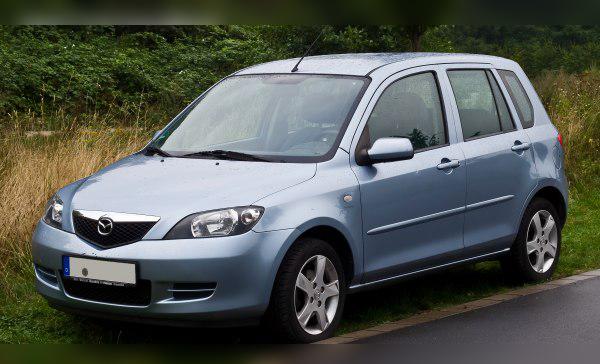
Engine 1.4 Duratec FXJA (80 HP): Experiences, problems, fuel consumption and used-car buying tips
- No dual-mass flywheel or expensive components such as a turbocharger.
- Driven by a timing belt whose regular replacement is absolutely mandatory.
- The Durashift EST automated gearbox is problematic; the manual is a much safer choice.
- The engine is sensitive to LPG installation due to soft valve seats.
- Fuel consumption in city driving can be higher than expected for this engine size.
- Maintenance is affordable and repairs rarely cause headaches (Depends on the market).
Contents
- Introduction: Old-school naturally aspirated petrol engine
- Technical specifications
- Reliability, maintenance and common failures
- Specific parts and costs
- Fuel consumption and real-world performance
- Extras: LPG and remapping
- Transmissions: Be careful with the automatic
- Buying used and final verdict
Introduction: Old-school naturally aspirated petrol engine
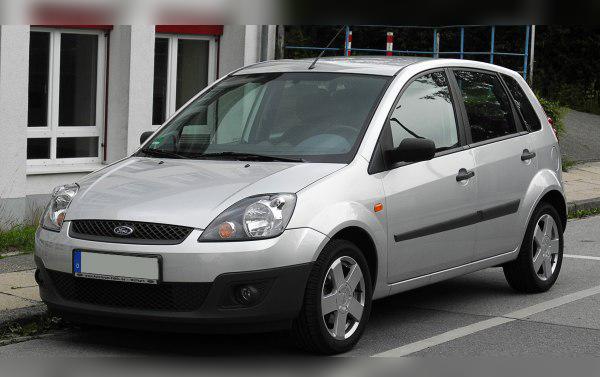
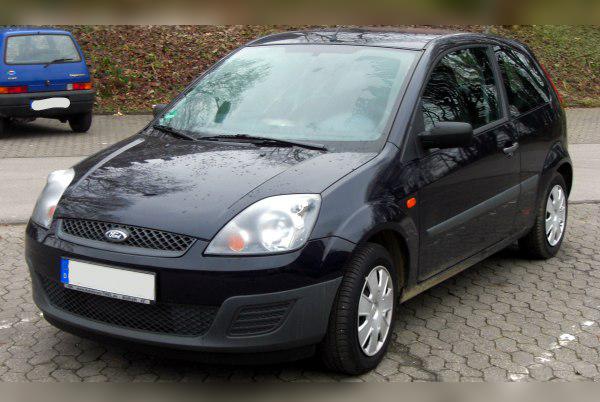
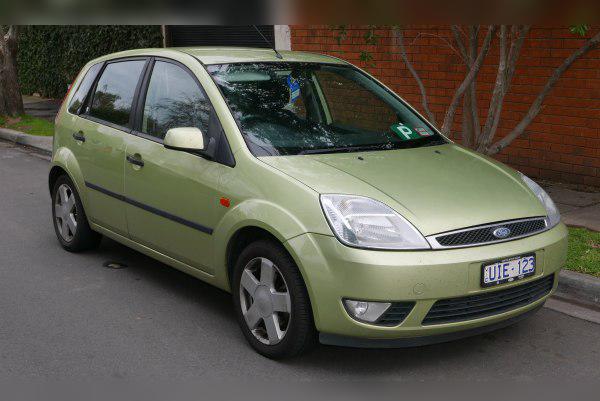
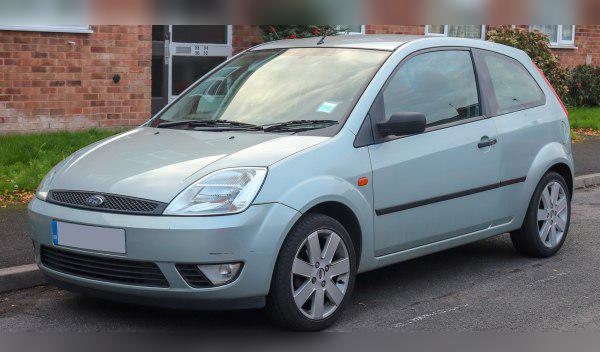
The engine with the code FXJA belongs to the popular 1.4 Duratec (formerly Zetec-SE) engine family that Ford developed in cooperation with Yamaha. It was mainly installed in the Ford Fiesta VI (Mk6) and Mazda 2 (DY) during the first decade of the 2000s. It is a classic naturally aspirated 1.4-litre petrol engine that relies on simplicity and durability. At a time when the roads were dominated by complicated diesels, this engine was and still is a real lifesaver for drivers looking for a cheap car for everyday city driving, without the fear of enormous maintenance costs.
Technical specifications
| Specification | Data |
|---|---|
| Engine displacement | 1388 cc |
| Power | 59 kW (80 HP) |
| Torque | 124 Nm |
| Engine code | FXJA |
| Injection type | Indirect (MPI - Multi-Point Injection) |
| Induction | Naturally aspirated (No turbo) |
Reliability, maintenance and common failures
Timing belt and major service
This engine uses a timing belt, not a chain. The major service includes replacement of the timing belt kit, tensioner, idler pulleys and water pump. It is recommended to do the major service at 100,000 to 120,000 km or at least every 8 years. If the belt snaps, the engine will suffer catastrophic damage and the valves will hit the pistons, which requires removing the cylinder head – a very expensive repair (Depends on the market).
Typical engine failures
The FXJA is generally reliable, but it suffers from a few known issues:
- Ignition system: Coils and spark plug leads are wear items. Symptoms of failure are jerking under acceleration, rough idle (engine running on three cylinders) and the yellow Check Engine light coming on.
- Oil leaks: Engine oil often leaks from the valve cover gasket. The oil can then run down into the spark plug wells, which further damages the leads.
- Throttle body: Due to dirt build-up, the engine can have an unstable idle or stall when you press the clutch. Cleaning the throttle body solves the problem and is not expensive (Depends on the market).
Engine oil and spark plugs
The engine takes exactly 3.8 litres of oil. The manufacturer recommends 5W-30 grade (with Ford’s fuel-saving specification). As for oil consumption, a healthy FXJA does not burn oil in worrying amounts. However, on examples with more than 200,000 km you may notice consumption of up to 0.5 litres per 10,000 km due to hardened valve stem seals, which is completely normal for that mileage. Spark plugs are very important on this engine and it is recommended to replace them every 40,000 to 60,000 km to protect the ignition coil.
Specific parts and costs
One of the biggest advantages of this engine is what it doesn’t have. It does not have a dual-mass flywheel but a simple, solid cast-iron flywheel. Also, as a classic old-generation petrol engine, it has no turbocharger, no DPF filter, and does not use AdBlue fluid.
It has conventional indirect petrol injection (MPI). Petrol injectors are extremely durable and rarely cause problems. If they get dirty due to poor-quality fuel, the symptoms will be harder cold starts in the morning or slight jerking, and the problem is effectively and cheaply solved by ultrasonic cleaning. The engine is equipped with an EGR valve which can get clogged with soot at higher mileages, but it is nowhere near as problematic as on diesel engines.
Fuel consumption and real-world performance
The engine delivers 80 HP and 124 Nm of torque, which on paper is quite sufficient for a B-segment body. However, in practice the engine can feel a bit “sluggish” at low revs. To get decent acceleration, you have to keep it in slightly higher rev ranges. When you turn on the air conditioning during the summer, you can feel a drastic drop in performance, especially when starting uphill.
Fuel consumption: Even though the engine is small, it is not particularly economical. In true stop-and-go city driving you should expect real-world consumption between 7.5 and 9 litres per 100 km. On country roads (speeds up to 90 km/h) consumption drops to about 5 to 5.5 l/100 km.
On the motorway, the downsides of a naturally aspirated engine with a five-speed gearbox become apparent. At 130 km/h, the engine is spinning at a fairly high 3500 to 4000 rpm. As a result, cabin noise is increased and fuel consumption jumps above 7.5 litres per 100 km. It was not designed for long “cruising” in the fast lane, but for city use and occasional trips on open roads.
Extras: LPG and remapping
LPG installation
This is something you need to pay close attention to. Ford/Yamaha engines from the Sigma series (including the FXJA) do not have hydraulic tappets, but mechanical bucket tappets. The valve seats are quite soft. If LPG is installed, the higher combustion temperatures of gas will over time “sink” the valves, which leads to loss of valve clearance and eventually burnt valves. To install LPG safely, it is absolutely mandatory to fit a valve lubrication system (so-called valve saver or Flashlube), as well as to check valve clearances every 40,000 km, which mechanics rarely and reluctantly do because it requires removing the camshafts. Repairing the cylinder head after bad LPG use is expensive (Depends on the market).
Remapping (Stage 1)
Remapping or chipping this naturally aspirated engine is basically a waste of money. There is no turbo whose boost pressure could be increased, so a Stage 1 map will give a real gain of 3 to 5 HP and a marginal improvement in throttle response. You will not feel the difference in practice.
Transmissions: Be careful with the automatic
Cars with the 1.4 engine can have a classic 5-speed manual gearbox (type IB5) or a robotised gearbox, which Ford calls Durashift EST (ASM on Mazda).
- Manual gearbox (IB5): Very precise, durable and requires minimal maintenance. The most common (though still rare) issues are oil leaks from the selector shaft seal or difficulty engaging reverse (because reverse has no synchro). Replacing the clutch kit (pressure plate, disc, release bearing) is not expensive (Depends on the market). The oil in the manual gearbox (75W-90) should be preventively changed at around 100,000 km.
- Durashift EST (robotised manual gearbox): This is not a conventional automatic, but a regular manual gearbox with electric motors and hydraulics that press the clutch and change gears instead of you. This is by far the most failure-prone part of the entire car! Actuators, hydraulic lines and the gearbox control module tend to fail. Symptoms include jerking, refusal to engage gears, dropping into neutral while driving, or a “Transmission Fault” warning on the dashboard. The clutch wears out much faster than on the manual. Repairing this system is very expensive and few mechanics are willing to deal with it. The recommendation is to avoid Durashift at all costs.
Buying used and final verdict
During the test drive and inspection, pay attention to the following:
- Idle behaviour: Start the engine when it is completely cold. Listen for uneven running or slight shaking – this may indicate bad leads and coil, or a problem with the throttle body.
- Noise from the engine bay: Let the engine warm up to operating temperature (around 90 °C). If you hear loud “ticking” from the top of the engine (like a sewing machine), the valve clearances are too large, which is very common on cars that have been run on LPG.
- Suspension and clutch: Test the gearbox. The clutch should be light. With Durashift gearboxes, be ruthless during the test – if it jerks even slightly when starting uphill or in a car park, walk away from the deal.
Conclusion: The 1.4 Duratec (FXJA) engine is a fantastic choice for beginner drivers, students, or as a second family car intended purely for city use. It is cheap to tax and insure, repairs are simple and used and new parts are widely available. If you choose a version with a manual gearbox and without LPG, you get a reliable and durable engine you can depend on.