Experiences, Issues and Buying Tips for Used Cars: Ford 1.5 TDCi (120 hp) – XWDA, XWDB, XWDC, XWDD, XWDE
Key points (TL;DR)
- Performance and efficiency: Great balance of power (120 hp / 300 Nm) and low fuel consumption, ideal for Focus and C-MAX models.
- Timing belt: The engine uses a timing belt only, which eliminates the camshaft chain problems seen in older generations.
- DPF filter: Requires regular open-road driving; city-only use leads to quick clogging.
- PowerShift gearbox: The dual-clutch automatic is comfortable, but prone to expensive failures if the oil is not strictly changed every 60,000 km.
- Flywheel and clutch: A dual-mass flywheel is fitted to all versions and replacement is expensive (Depends on market).
- Buying recommendation: An excellent choice for drivers who cover higher mileages and often drive outside the city.
Contents
- Introduction: About the engine and models
- Technical specifications
- Reliability and maintenance
- Specific parts and costs
- Fuel consumption and performance
- Additional options and modifications
- Gearbox and drivetrain
- Buying used and conclusion
Introduction: About the engine and models
The 1.5 TDCi with 120 hp (88 kW) and 300 Nm of torque, carrying the codes XWDA, XWDB, XWDC, XWDD and XWDE, is an evolution of the well-known but often criticized 1.6 TDCi unit. It was primarily designed to meet strict Euro 6 emission standards. Ford did a serious job here: the engine block was optimized, the cylinder head now uses 8 valves with a single camshaft, and the injection system has been improved.
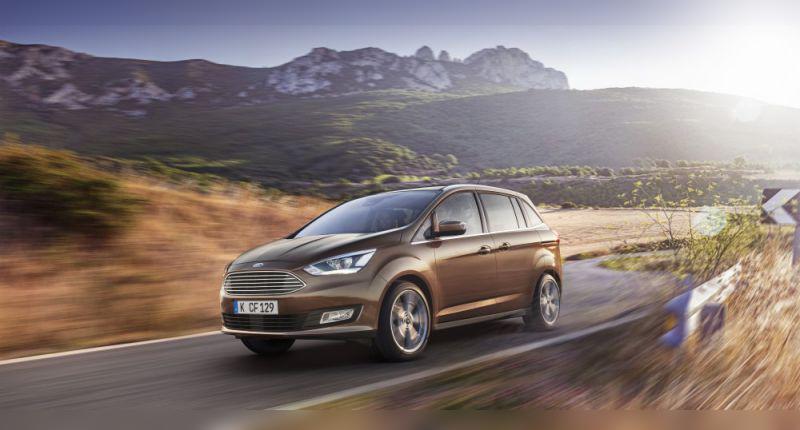
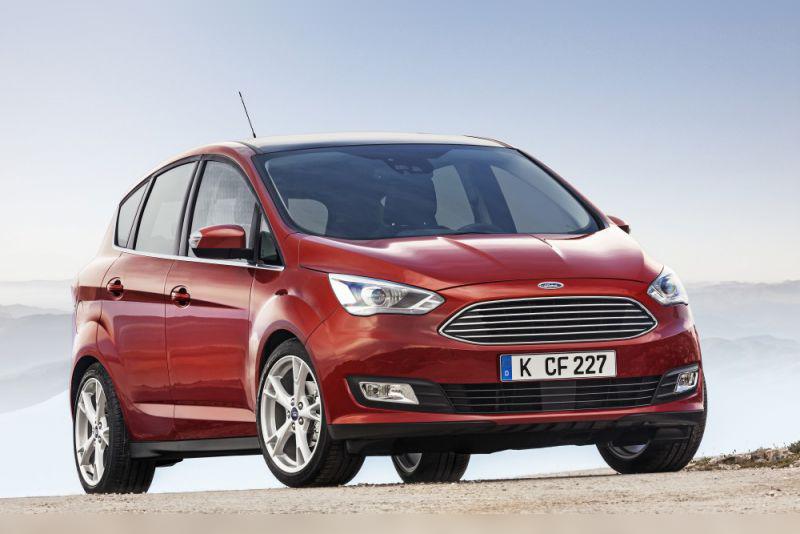
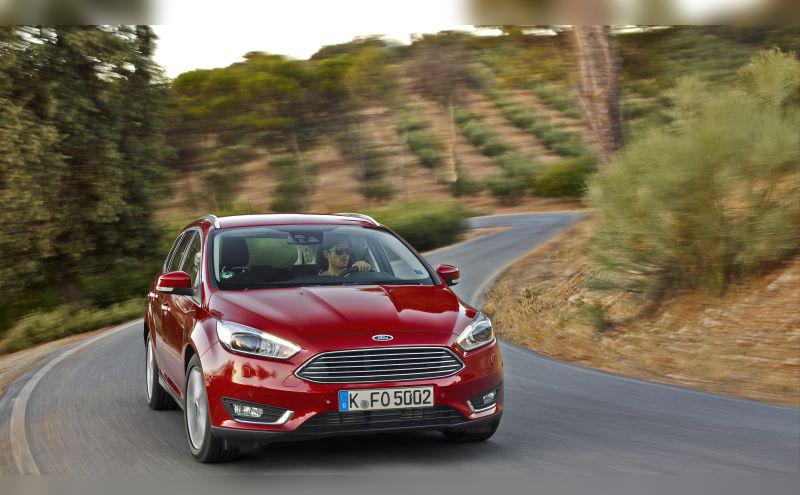
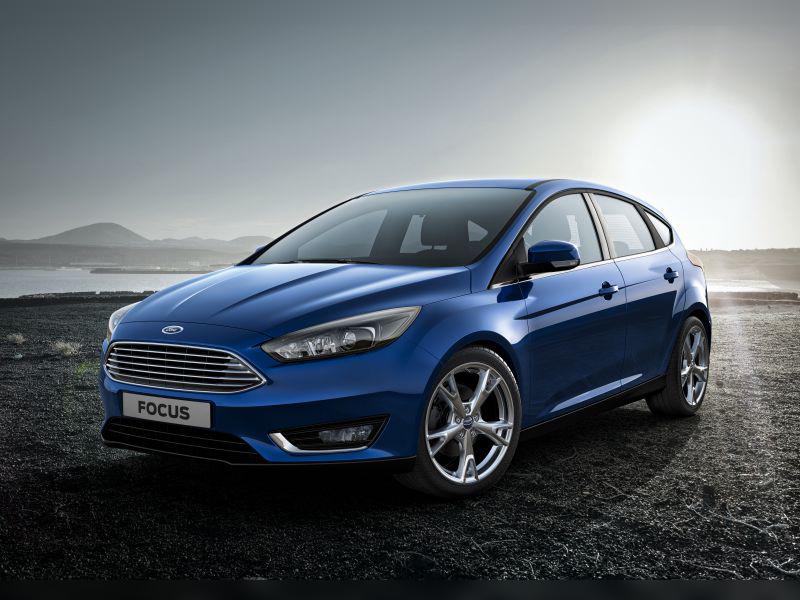
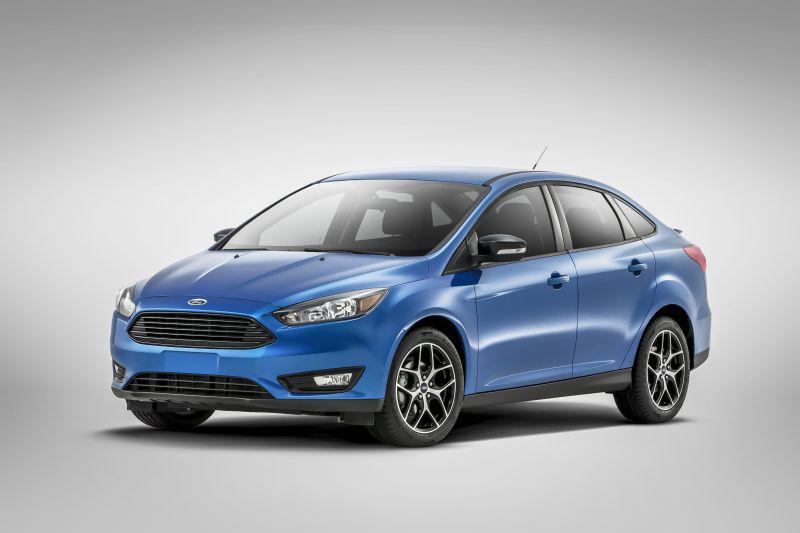
This unit was mostly installed in facelifted models starting from 2014 and 2015. You will find it under the hood of the Ford Focus III (Hatchback, Sedan and Wagon), as well as in family MPVs Ford C-MAX II and Grand C-MAX (including 7-seat versions). Thanks to its excellent torque, it established itself as a more rational and economical choice compared to the significantly heavier 2.0 TDCi, offering perfectly decent driving dynamics with drastically lower registration and day-to-day running costs.
Technical specifications
| Specification | Data |
|---|---|
| Engine displacement | 1499 cc |
| Engine power | 88 kW (120 hp) |
| Torque | 300 Nm |
| Engine codes | XWDA, XWDB, XWDC, XWDD, XWDE |
| Injection type | Common Rail direct injection |
| Charging system | Turbocharger (VGT) with intercooler |
| Fuel type | Diesel |
Reliability and maintenance
Timing belt or chain?
Unlike some earlier diesel iterations, this 1.5 TDCi unit uses a timing belt only. Due to the 8-valve architecture (single camshaft), there is no problematic small chain that used to connect the two camshafts on the old 16v engines and was a nightmare for owners. This drastically simplifies and reduces maintenance costs.
Most common failures
Overall, the 1.5 TDCi is more reliable than its predecessor, but it is not immune to the typical issues of modern diesel technology. The most common failures include coolant leaks at the thermostat housing or water pump. For drivers who mostly do city driving, the DPF differential pressure sensor often fails, as well as the EGR valve, which gets stuck due to soot buildup. Symptoms of EGR failure are engine jerking at low revs, black smoke from the exhaust (if the DPF is not working properly) and a noticeable loss of power (the engine goes into "limp mode" or protective operating mode).
Major service and oil change
The manufacturer specifies that the major service (replacement of timing belt, tensioner, idler pulleys and water pump) should be done at a very optimistic 180,000 km up to even 200,000 km. However, experienced mechanics recommend otherwise: it is advisable to do the major service at 140,000 to a maximum of 150,000 km or every 7 to 8 years, in order to prevent catastrophic damage caused by belt failure.
As for lubrication, this engine takes about 3.85 liters of engine oil (including the filter). It is MANDATORY to use fully synthetic oil with a 0W-30 grade that meets the strict Ford WSS-M2C950-A specification. Using unsuitable oil will quickly destroy the turbocharger and the DPF filter.
Oil consumption
A healthy 1.5 TDCi engine should not consume a dramatic amount of oil between two minor services (which should be done every 10,000 - 15,000 km). It is considered normal for the level to drop by about 0.3 to 0.5 liters per 10,000 km. If the engine requires more than 1 liter of top-up between services, the problem usually lies in worn turbocharger seals or worn piston rings due to past overheating.
Injector lifespan and injection system
The injection system is based on advanced Common Rail technology. The injectors (mostly Bosch) have proven to be quite durable. With quality Euro diesel and regular fuel filter replacement at every minor service, the injectors can easily last 200,000 to 250,000 km before showing the first signs of wear. When they do wear out, the driver will notice a rougher idle, "knocking" and a characteristic rattling noise under sudden load, as well as more difficult cold starts.
Specific parts and costs
Dual-mass flywheel
Yes, every 1.5 TDCi with 120 hp is equipped with a dual-mass flywheel, regardless of whether it is paired with a manual or automatic gearbox. Its typical lifespan is between 150,000 and 200,000 km. When the flywheel starts to fail, you will hear a metallic knocking noise at idle that calms down when you press the clutch pedal, and you will feel strong vibrations in the pedal and steering wheel when accelerating from low revs. Replacing the clutch kit and dual-mass flywheel is very expensive (Depends on market).
Turbocharger
This model uses a single turbocharger with variable geometry (VGT). Its lifespan is excellent, often exceeding 250,000 km, but under one key condition – regular oil changes. If you skimp on minor services or exceed the intervals, the variable-geometry vanes will get stuck due to soot, causing the car to "pull then hesitate", lose power and trigger a warning light on the instrument cluster.
DPF, EGR and AdBlue system
The engine is, of course, equipped with a DPF filter and an EGR valve. As with any modern diesel, frequent short city trips are their worst enemy. Due to low exhaust gas temperatures in city driving, the DPF cannot perform passive regeneration. If you ignore the warning light and do not take the car on the motorway, the filter will become completely clogged, and repair (cleaning or replacement) is expensive (Depends on market).
Regarding the AdBlue system (SCR technology), there is some confusion due to the transition period. The first series of 1.5 TDCi engines (from 2014 to 2017 under Euro 6b standard) mostly use "Lean NOx Trap" (LNT) catalysts and DO NOT have an AdBlue system, which is a huge relief for owners. However, some of the very latest versions produced towards the end of this generation’s life cycle may have an SCR system. It depends on the variant and model year – therefore always check by VIN before buying whether the car has an AdBlue filler cap next to the fuel cap, because AdBlue pumps and heaters are potentially very expensive to repair.
Fuel consumption and performance
Real-world city consumption
Thanks to the "mere" 1.5-liter displacement and efficient injection, fuel consumption is very reasonable. In heavy city traffic ("stop-and-go" conditions), real-world consumption ranges from 6.0 to 7.0 l/100 km. If you drive in a smaller town without serious congestion, that figure can drop to around 5.5 liters.
Is the engine "sluggish"?
Absolutely not. With its 300 Nm available from just 1750 rpm, this engine pulls the body very well. In the Ford Focus (Hatchback and Sedan) it feels agile and lively. In the larger and heavier Ford Grand C-MAX with 7 seats (fully loaded with passengers and luggage), performance is understandably more modest during hard overtakes on country roads, but the engine never feels anaemic; it is tuned to provide a solid reserve of power in the mid-range.
Motorway driving
This is its natural habitat. Sixth gear is designed specifically for economical cruising. At 130 km/h in sixth gear, the engine spins at an ideal and fairly quiet 2200 to 2400 rpm (depending on the specific gearbox ratios). In this mode, fuel consumption is around 5.0 to 5.5 l/100 km, and the cabin remains well insulated from engine noise.
Additional options and modifications
Potential for remapping (Stage 1)
Ford’s 1.5 TDCi unit is mechanically very robust and therefore highly suitable for software modifications. With a safe Stage 1 remap, power can be raised from the stock 120 hp to a respectable 140 to 150 hp, while torque increases to around 340 to 350 Nm. Drivers report a noticeably better throttle response. However, a warning for owners with the PowerShift automatic gearbox: torque should not exceed 350 Nm, as the clutches inside the gearbox are sensitive to excessive loads.
Gearbox and drivetrain
Types of gearboxes and common failures
Two basic transmissions were paired with the 1.5 TDCi:
- 6-speed manual gearbox: Ford’s traditional gearbox, very precise and robust. Failures are extremely rare, and the biggest expense with this system will be replacing the clutch kit and dual-mass flywheel once they wear out with mileage. The manufacturer does not specify oil changes for the manual gearbox, but mechanics recommend changing it every 100,000 km for longevity.
- 6-speed PowerShift automatic (dual-clutch gearbox): This is the system most discussed on forums. When new, it shifts quickly and smoothly, but it carries a big risk for used-car buyers. The most common failures include mechatronic (control unit/sensors) failure and premature wear of the internal clutch packs. Symptoms of failure are harsh jerks when shifting from 1st to 2nd gear, as well as loss of drive accompanied by a "Transmission Malfunction" message.
Servicing the PowerShift gearbox
Buying an automatic is advisable ONLY if the previous owner has a complete service history. The oil and filter in the PowerShift gearbox MUST be changed every 60,000 km. If this is neglected, microscopic particles from the clutch plates clog the hydraulic channels and irreversibly damage the gearbox. Repairing such damage (PowerShift overhaul) is extremely expensive (Depends on market).
Buying used and conclusion
What exactly to check before buying?
- Cold start: The engine should start immediately without clouds of grey/white smoke from the exhaust (which may indicate bad injectors or glow plug issues).
- Noise at idle: Listen carefully for knocking noises from the gearbox area. Rattling that disappears when you press the clutch is a clear sign of a worn dual-mass flywheel.
- Response and DPF diagnostics: The car should accelerate smoothly, without flat spots at 1800–2000 rpm. Always hook up diagnostics to check the DPF soot load and when the last regeneration was performed.
- Test drive with automatic: If you are buying a PowerShift, test hard braking, slow crawling in city traffic ("stop-and-go") and sudden acceleration. Jerking or a delay of several seconds before it changes gear means a huge financial risk for you.
Final conclusion
The 1.5 TDCi 120 hp engine is an excellent and reliable engineering achievement by Ford. It is intended for family drivers (Grand C-MAX) as well as for those who cover serious motorway mileages (Focus Wagon). It has solved most of the teething problems of the older 1.6 units. If you are buying a used example, the golden rule is: choose a version with a manual gearbox, avoid cars that were used as taxis, and make sure you have included the cost of the inevitable major service immediately after purchase in your budget.