Ford 1.5 EcoBlue (Z2GA) 100 HP – Experiences, problems, fuel consumption and used-buying tips
Key points in short (TL;DR)
- Timing belt in oil (Wet belt): This is the most critical point of the engine. It requires meticulous maintenance and strictly using the specified oil so that the belt does not crumble and clog the oil pan.
- Performance: With 100 HP and 240 Nm, the engine is economical, but it can feel “lazy” in heavier bodies such as the Ford Grand Tourneo Connect when fully loaded.
- Emissions (AdBlue, DPF, EGR): The system is complex due to Euro 6 standards. The AdBlue system is prone to failures if the vehicle is mostly driven on short city trips.
- Fuel consumption: Very economical. In the city it uses about 6.5 to 7.5 l/100 km, while on the open road it can drop below 5.5 l/100 km.
- Gearboxes: Available with a precise 6-speed manual and a comfortable 8-speed automatic. The automatic requires regular oil changes every 60,000 km.
- Remapping: It responds extremely well to a Stage 1 remap, which is highly recommended for drivers who often run a fully loaded van.
Contents
- Introduction: A new generation of Ford diesels
- Technical specifications
- Reliability and maintenance
- Specific components and emissions systems
- Fuel consumption and performance
- Additional options and modifications
- Gearbox and drivetrain
- Buying used and conclusion
Introduction: A new generation of Ford diesels
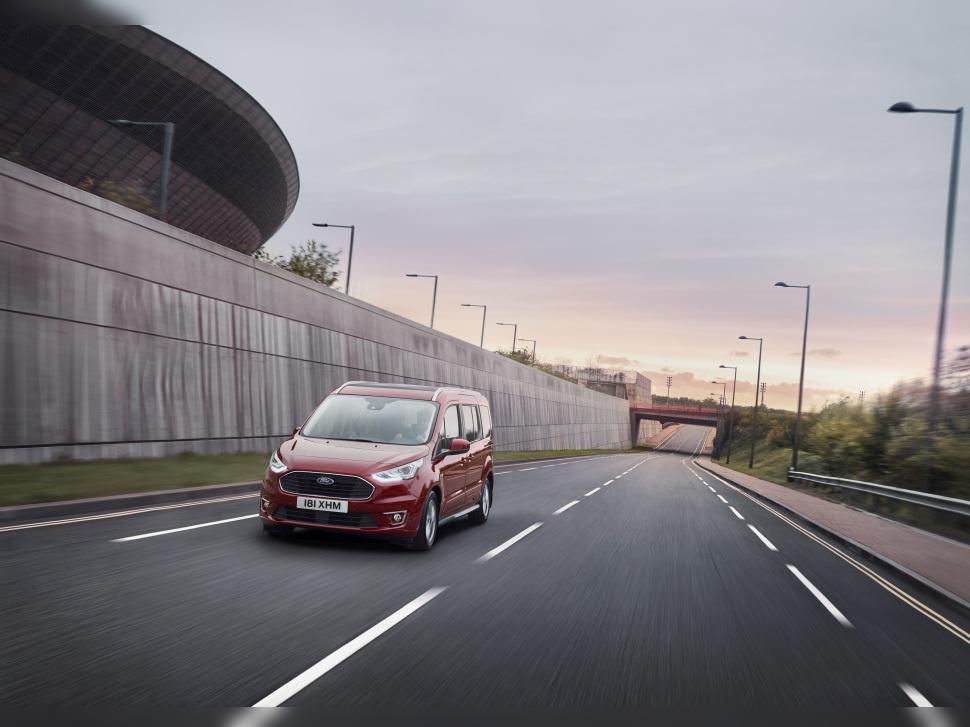
When Ford gave a facelift to its range of commercial and passenger vans in 2018 – primarily the Tourneo Connect and Transit Connect models – the good old 1.5 TDCi made way for a completely new engine. It was the 1.5 EcoBlue unit with the engine code Z2GA. This engine brought a more modern architecture aimed at meeting strict emissions standards while keeping fuel consumption low. Although the name “EcoBlue” suggests a cleaner exhaust and high efficiency, it also comes with certain technical solutions, such as a timing belt running in oil, which require a high level of responsibility from the owner when it comes to maintenance.
Technical specifications
| Specification | Data |
|---|---|
| Engine displacement | 1498 cc |
| Power | 74 kW (100 HP) |
| Torque | 240 Nm |
| Engine code | Z2GA |
| Fuel type and injection | Diesel, Common Rail direct injection |
| Aspiration | Variable-geometry turbocharger, intercooler |
Reliability and maintenance
Timing belt in oil – the Achilles’ heel of the engine
The answer to the most common question mechanics get is clear: this engine does not have a chain; it uses a timing belt that runs in engine oil (wet belt system). This solution reduces friction and engine noise but represents the biggest potential problem. The most common failure on 1.5 EcoBlue engines is the crumbling, i.e. degradation, of this belt. Micro rubber particles fall off the belt, accumulate in the oil pan and eventually clog the oil pump strainer. The symptom the driver may notice is the oil pressure warning light coming on. If the engine is not switched off immediately, it can lead to catastrophic damage to the crankshaft and bearings. Because of this, although the manufacturer often states optimistic intervals, real-world experience shows that the major service must be done at least every 100,000 km or every 5 years.
Engine oil and regular servicing
The oil pan of this engine holds about 4.3 liters of oil. The grade and specification are crucial – you must use only oil that meets the Ford WSS-M2C950-A specification (most often 0W-30). Any experimentation with other oils will inevitably accelerate the degradation of the timing belt. Oil changes should be done strictly every 10,000 to 15,000 km; forget about “LongLife” intervals of 30,000 km. As for oil consumption between services, the Z2GA engine is generally well sealed; consumption of about 0.2 to 0.5 liters per 10,000 km is considered completely normal. If it uses more, the problem usually lies in the turbocharger or oil control rings.
Injectors and fuel injection system
The injection system is an advanced Common Rail setup. The injectors are very precise but also sensitive to poor fuel quality and contamination. Their average lifespan is over 200,000 km, provided that the fuel filter is replaced at every minor service. Symptoms of injector wear include rough idling, increased black smoke under hard acceleration, and difficult cold starts in the morning. Overhauling modern piezo injectors is not always possible or is very expensive (depends on the market).
Specific components and emissions systems
Dual-mass flywheel and turbocharger
Ford did not skimp on vibration damping, so models with this engine (especially in heavy Tourneo bodies) are equipped with a dual-mass flywheel. Its lifespan is around 150,000 to 200,000 km, and symptoms of wear include vibrations in the clutch pedal, metallic noises when switching the engine off, and juddering when moving off from a standstill. Replacing the clutch kit and dual-mass flywheel is considered very expensive (depends on the market).
The engine has a single turbocharger with variable geometry (VGT). It is very reliable if the engine oil is changed on time, and its lifespan usually matches that of the engine itself (often exceeding 250,000 km without overhaul). Turbo whine or a drastic loss of power accompanied by thick smoke are indicators that the turbo is nearing the end of its life.
Emissions: DPF, EGR and AdBlue system
To meet strict Euro 6 standards, the Z2GA is equipped with a whole “refinery” on the exhaust side. The EGR valve and DPF (diesel particulate filter) are standard. If the van is driven exclusively in city traffic (stop-and-go driving), the EGR quickly gets clogged with soot, and the DPF does not get a chance to perform passive regeneration. This leads to frequent illumination of the “Check Engine” light.
In addition, this engine has an AdBlue system (SCR catalyst). The system injects urea into the exhaust, but it is quite problematic during winter months when urea can crystallize. Common failures include pump failure in the AdBlue tank or clogging of the AdBlue injector. These repairs can be very expensive (depends on the market). Prevention involves using high-quality AdBlue fluid and occasionally adding anti-crystallization additives.
Fuel consumption and performance
Real-world fuel consumption
The Z2GA is an extremely frugal engine. Real-world city fuel consumption ranges between 6.5 and 7.5 l/100 km, depending on vehicle weight (empty panel van vs. passenger Grand Tourneo with 7 seats). On regional roads, consumption easily drops to 4.5 to 5.5 l/100 km.
On-road behavior: Is the engine lazy?
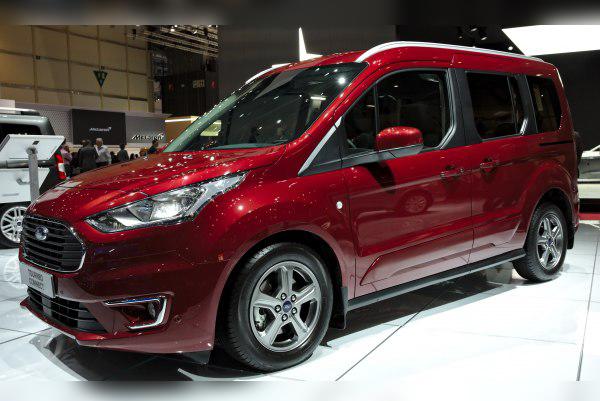
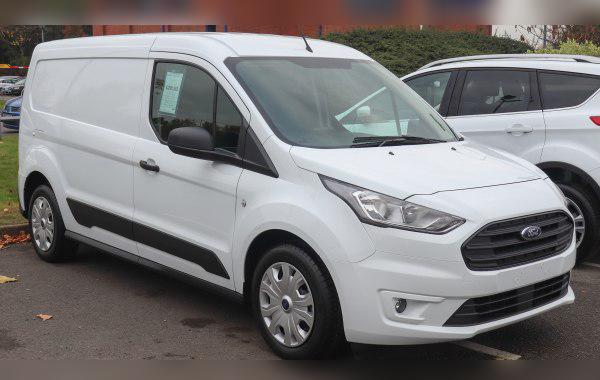
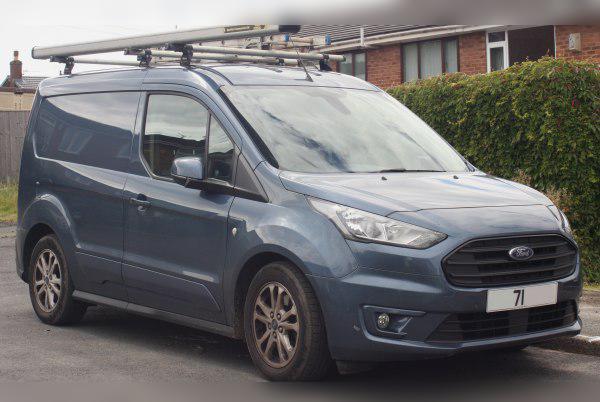
With its 100 HP and 240 Nm of torque, the engine is perfectly adequate for the short Transit Connect (L1 panel van) intended for urban deliveries. However, if you choose this engine in the long Grand Tourneo Connect L2 version and plan to carry 7 passengers with luggage, the engine proves to be quite “lazy”. In such situations, the lack of torque is noticeable on inclines and when overtaking, which requires frequent downshifting.
On the motorway, at 130 km/h, the engine usually cruises at around 2400 to 2600 rpm (depending on whether it is paired with the 6-speed manual or the 8-speed automatic). At these speeds, cabin noise insulation is decent, but fuel consumption rises to about 6.5 to 7 l/100 km due to the boxy body shape, which creates significant aerodynamic drag.
Additional options and modifications
Since this engine is structurally identical to the more powerful 120 HP version that Ford also offers in these models, the Z2GA is extremely suitable for chiptuning (Stage 1 remap). By unlocking its potential in software, power can safely be raised from 100 HP to about 125 to 130 HP, while torque increases to an impressive 300 Nm. This modification drastically changes the character of the vehicle, solves the “laziness” problem of the heavy body and makes overtaking easier, while not compromising the lifespan of the turbo and injectors if the extra power is used sensibly.
Gearbox and drivetrain
Types of gearboxes and maintenance
Two types of gearboxes were offered with the 1.5 EcoBlue Z2GA:
- 6-speed manual gearbox: Very precise and mechanically durable. It has no major weaknesses, apart from normal clutch wear on vehicles used for city deliveries. The oil in the manual gearbox should be preventively changed every 80,000 to 100,000 km to preserve the synchros.
- 8-speed automatic gearbox (traditional torque-converter automatic): It replaced the older dual-clutch Powershift gearboxes and brought a much smoother drive. It is very comfortable in stop-and-go city traffic. The most common issues (harsh shifts, “thumps” when shifting from P to D or R) arise solely due to neglected oil changes. Servicing the automatic gearbox and changing the oil MUST be done every 60,000 km.
Buying used and conclusion
What to check before buying?
Buying a used Ford with the 1.5 EcoBlue engine requires a cool head and a thorough inspection. Be sure to pay attention to the following:
- Cold start: Listen to the engine while it is completely cold. Any irregular rattling or the oil warning light staying on for too long after startup may indicate a problem with the oil pump and a disintegrating timing belt.
- Service history: This engine does not forgive poor maintenance. If there is no proof that the oil was changed on time (and which oil was used), it is better to skip that particular vehicle.
- Diagnostics: Check the DPF status (how many grams of soot it contains and when the last regeneration took place) and look for fault codes related to the AdBlue system (NOx sensor and urea pump).
- Test drive: Pay attention to the gearbox, especially if it is an automatic. Any jerking is a red flag. If the vehicle is a manual, test the clutch and listen for any knocking from the flywheel when switching the engine off.
Who is this engine for?
The Ford 1.5 EcoBlue Z2GA with 100 HP is an excellent choice for small business owners, families and courier services that put fuel economy first. It is ideal for flat regions, motorways and moderate loads. However, the buyer must be technically aware: this is not an old “indestructible” diesel into which you can pour any oil and drive it until it falls apart. It requires meticulous care, regular attention to the timing belt in oil and caution regarding the AdBlue system. If you find a car with a proper service history and plan to use it for moderate loads, it will reward you with outstanding fuel economy and reliable operation over hundreds of thousands of kilometers.