Ford 1.5 EcoBlue 120 HP (ZTGA): Experiences, problems, fuel consumption and used-buying tips
- Timing system in oil: The engine uses a timing belt immersed in oil (“wet belt”), which requires only the specified oil and drastically shortened replacement intervals compared to the factory recommendations.
- Adequate power: With 120 HP and 270 Nm, this is an optimal measure for the Ford Tourneo and Transit Connect, although under full load it can feel slightly sluggish.
- Sensitive emissions systems: EGR, DPF and AdBlue systems are prone to clogging and failures if the vehicle is used exclusively in urban stop‑and‑go conditions.
- Fuel consumption: A very economical engine considering the vehicle’s aerodynamics, with an urban average of around 6.5 to 8.0 l/100 km.
- Maintenance: Not the cheapest to maintain due to the complex timing system and dual‑mass flywheel; replacement costs for specific parts can be high.
- Recommendation: An excellent choice for longer trips and transport, but it requires a meticulous owner and regular servicing at a maximum of every 15,000 km.
Contents
- Introduction: Get to know the 1.5 EcoBlue (ZTGA)
- Technical specifications
- Reliability and maintenance
- Specific parts and costs
- Fuel consumption and performance
- Additional options and remapping
- Gearbox and drivetrain
- Buying used and conclusion
Introduction: Get to know the 1.5 EcoBlue (ZTGA)
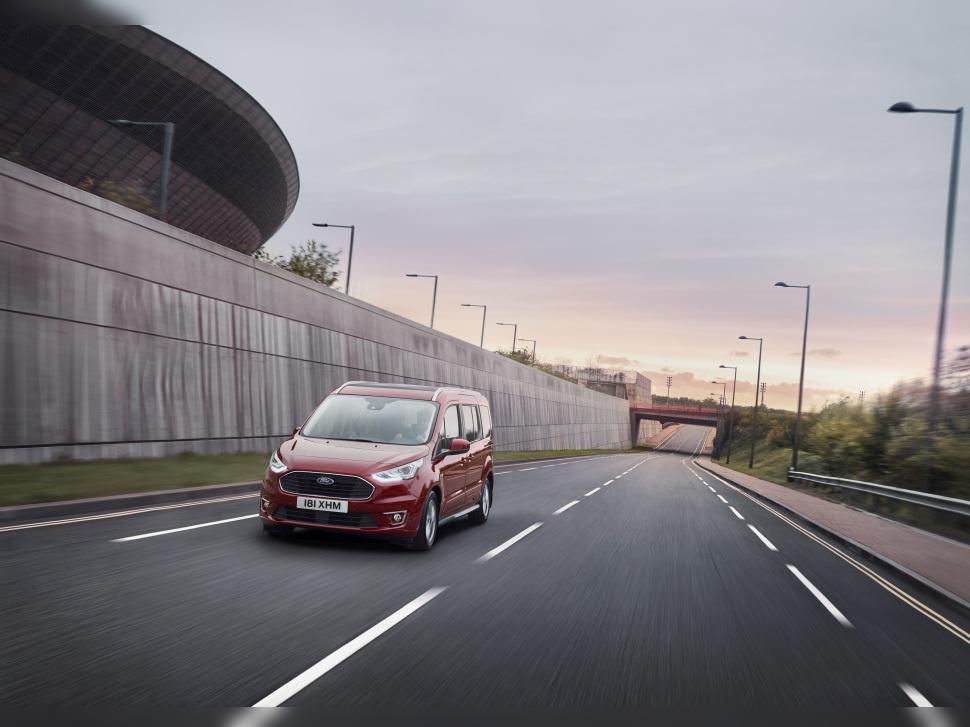
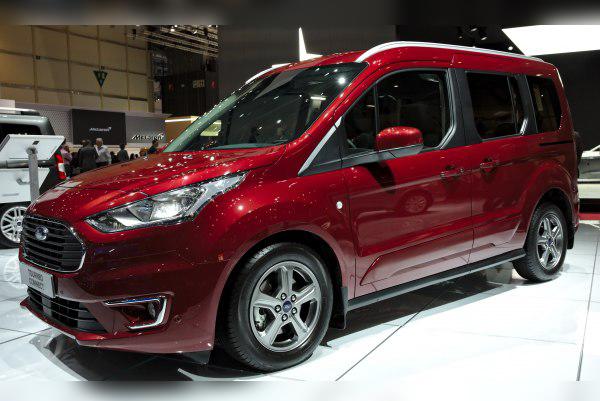
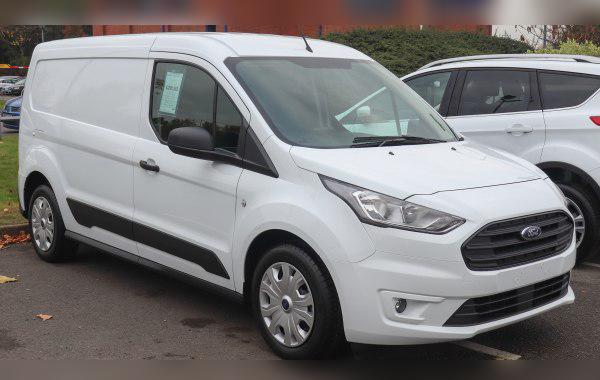
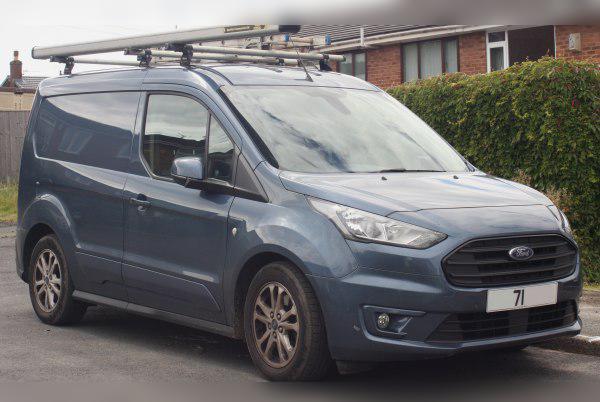
The engine with code ZTGA belongs to Ford’s newer EcoBlue generation of diesel units and brings significant improvements over the older 1.5 TDCi. It was mostly installed after the 2018 facelift in commercial and family vehicles such as the Ford Tourneo Connect II and Transit Connect II, covering a wide range of body styles (L1, L2, N1 panel vans and passenger versions with up to 7 seats). Because of its intended use, this engine was designed to offer durability under load while complying with strict Euro 6d‑TEMP standards. However, the implementation of some new technologies has also brought specific challenges for mechanics and owners.
Technical specifications
| Parameter | Specification |
|---|---|
| Displacement | 1498 cc |
| Power | 88 kW (120 HP) |
| Torque | 270 Nm |
| Engine code | ZTGA |
| Injection type | Common Rail direct injection |
| Charging | Turbocharger (VGT), intercooler |
Reliability and maintenance
Timing belt and major service
This is probably the most important point with the ZTGA engine. The 1.5 EcoBlue uses a timing belt that runs in oil (the so‑called wet belt system). Although the manufacturer optimistically specifies a major service at as much as 200,000 km or 10 years, in practice this is a recipe for disaster. The belt material gradually degrades under the influence of soot and fuel in the oil. Belt debris then clogs the oil pump pickup screen, which leads to a drop in oil pressure and potential seizure of the crankshaft. Experienced mechanics advise doing the major service (replacement of belt, tensioner, idlers and water pump) at a maximum of 100,000 to 120,000 km. The cost of this service is high (depends on the market), because the procedure requires special tools and a lot of labor hours.
Oil and regular servicing
The sump of this engine holds about 4.7 to 5.0 liters of oil (including the filter). Due to the sensitivity of the belt, it is absolutely mandatory to use only fully synthetic oil that meets the Ford WSS‑M2C950‑A specification (viscosity grade 0W‑30). Any experimenting with cheaper or unsuitable oils guarantees belt disintegration. Minor services must be done at a maximum of every 15,000 km or once a year. It is normal for the engine to consume up to 0.5 liters of oil between two services; anything above that requires inspection of the turbocharger and piston rings.
Injectors and common failures
The injection system is quite robust. Common Rail injectors usually easily exceed 200,000 km. Symptoms of worn injectors include uneven idle, increased black smoke under sudden throttle (if the DPF is unable to filter it) and harder cold starts at lower temperatures (below 5 °C). Replacing or refurbishing injectors is expensive (depends on the market), so it is recommended to use quality, additized diesel fuel. Besides issues with the oil pump pickup screen, the most common failures are related to the emissions systems.
Specific parts and costs
Turbocharger and dual‑mass flywheel
The ZTGA engine has a single turbocharger with variable geometry (VGT). Turbo lifespan is excellent, often over 250,000 km, provided the oil is changed regularly and the oil pump pickup screen is not clogged (which would cut off lubrication to the turbo shaft). On the other hand, versions with a manual gearbox (as well as some automatics) are equipped with a dual‑mass flywheel. Its task is to dampen vibrations, and it usually fails between 150,000 and 200,000 km. Symptoms of a bad flywheel are dull knocking when switching the engine off, judder when taking off and a heavy clutch pedal. A clutch kit with dual‑mass flywheel is expensive (depends on the market).
DPF, EGR and AdBlue system
To meet Euro 6 standards, this model is equipped with an EGR valve, a DPF filter and an SCR catalyst that uses AdBlue fluid.
- DPF and EGR: If the vehicle is mainly used for stop‑and‑go city deliveries, the EGR valve quickly gets clogged with soot and the DPF cannot complete regeneration. This leads to the Check Engine light coming on and the vehicle going into “Safe mode”.
- AdBlue: Often causes problems in winter, because the fluid crystallizes at low temperatures. AdBlue pumps and tank heaters are sensitive. A failure in the urea injection system will result in a message that the engine will not be able to start after a certain number of kilometers. Repairing these modules is very expensive (depends on the market).
Fuel consumption and performance
Although the Transit and Tourneo Connect have boxy aerodynamics, the 1498 cc engine is surprisingly efficient. Real‑world fuel consumption in urban driving ranges between 6.5 and 8.0 l/100 km, depending on traffic and load weight. On country roads, consumption drops to below 5.0 l/100 km.
Is the engine “lazy”? With 120 HP and 270 Nm of torque (available from around 1750 rpm), the engine handles an empty or moderately loaded body very well. However, if you load a Transit Connect up to its maximum payload with tools, or drive a fully loaded 7‑seat Tourneo uphill, you will feel it running out of breath at higher revs. On the motorway, at 130 km/h in sixth gear, the engine cruises at around 2400 rpm. It is not noisy, but due to the vehicle’s height, fuel consumption at that speed rises to around 7.5 l/100 km.
Additional options and remapping
Since the ZTGA unit comes from the factory quite “choked” by emissions controls, an electronic optimization (Stage 1 remap) gives excellent results. The engine can be safely raised to around 145 to 150 HP, while torque increases to approximately 320 to 340 Nm. This difference is very noticeable on heavier L2 bodies when overtaking. It is important to note that remapping must be done by a reputable tuner, because excessive increases in fuel pressure can shorten the lifespan of the injectors and the DPF filter.
Gearbox and drivetrain
With the 1.5 EcoBlue in this model, two transmission options are mostly offered:
1. Manual gearbox (6‑speed): Very reliable and precise. It rarely causes headaches, although minor leaks at the driveshaft seals are possible at higher mileage. The oil in the manual gearbox should be preventively changed every 80,000 to 100,000 km. The problem is the aforementioned dual‑mass flywheel and clutch, whose replacement is not cheap (depends on the market).
2. Automatic gearbox (8‑speed): This Ford conventional automatic (with torque converter) offers incomparable comfort in city driving. However, it requires regular maintenance. Failures manifest as harsh jolts when engaging “D” or “R”, as well as hesitation when shifting from second to third gear. To avoid this, the oil in the automatic gearbox must be changed using the proper flushing and refill method every 60,000 km. If the oil is not changed on time, the valve body and clutches in the gearbox fail, which is an extremely expensive repair (depends on the market).
Buying used and conclusion
What must be checked before buying?
- Oil service history: Because of the timing belt in oil, avoid vehicles that had oil changes every 30,000 km. Look only for examples with regular services at 15,000 km intervals.
- Oil pressure: If possible, connect a pressure gauge or a more advanced diagnostic tool. If the pickup screen is clogged with belt fibers, oil pressure at idle is dangerously low. An oil warning light flickering at idle is a sign that the engine may already have crankshaft damage.
- DPF condition: Wipe your finger inside the exhaust tip. It must be completely clean. If it is black and oily, the DPF has been removed or is cracked. Use diagnostics to check the amount of ash in the filter and when the last regeneration was performed.
- Cold start: The engine must start instantly without clouds of blue or black smoke. Uneven running in the first 30 seconds indicates bad glow plugs or worn injectors.
- Suspension and undercarriage: On Transit Connect models that carried heavy loads, the rear springs and shock absorbers are often sagged, while the front control arm bushings are prone to wear.
Who is this engine for?
The Ford 1.5 EcoBlue (ZTGA) with 120 HP is an ideal “workhorse” for companies, small business owners, but also as a family MPV in the Tourneo version. It offers a fantastic balance between power and low fuel consumption. However, this is not an engine for someone who mainly drives kids to school in the city on trips shorter than 5 kilometers – a modern diesel with DPF and AdBlue will drain your wallet in that usage pattern. If you plan to drive mostly on open roads and are ready to proactively replace the timing belt immediately after purchase, you will get a very reliable and comfortable vehicle.