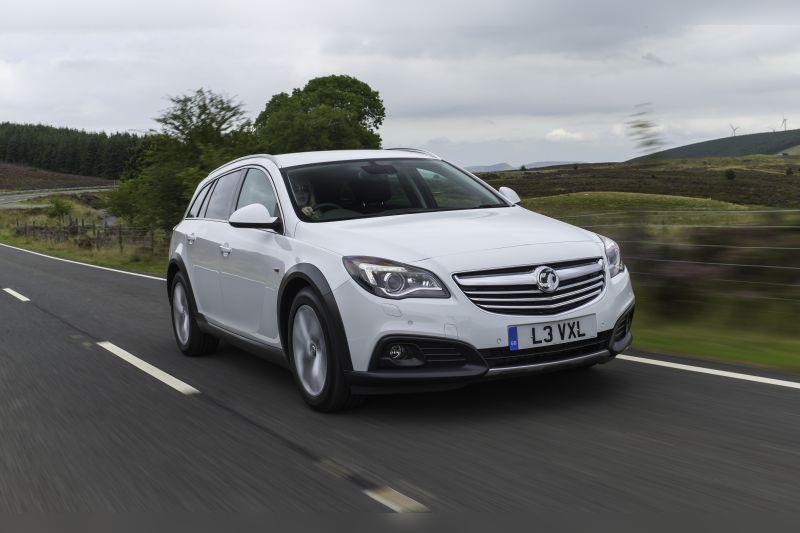
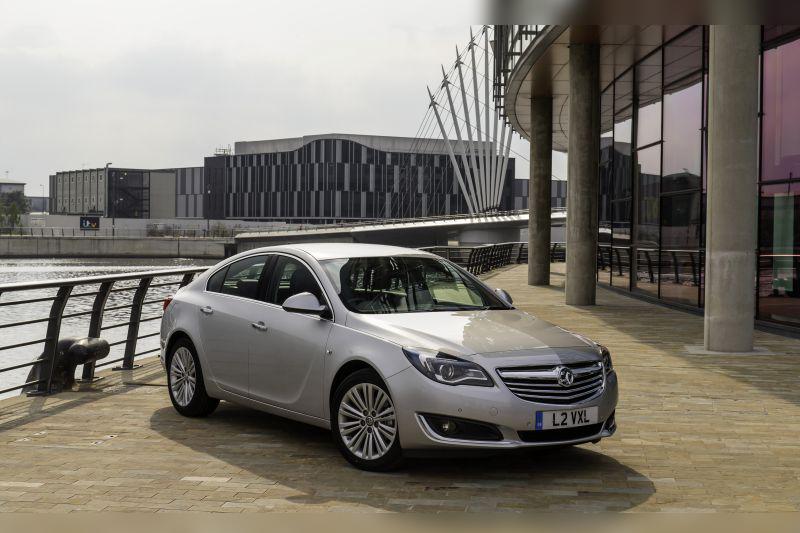
Opel A20DTR 2.0 BiTurbo CDTI (195 hp) – Experiences, problems, fuel consumption and used car buying tips
In short, the most important (TL;DR):
- Performance: The engine delivers an excellent 143 kW (195 hp) and 400 Nm, making it ideal for heavy bodies such as the Opel Insignia and Astra J.
- Biggest downside: The infamous oil pump seal. If not replaced preventively, it leads to loss of oil pressure and crankshaft seizure.
- BiTurbo system: Linear acceleration without turbo lag, but with higher maintenance costs due to a more complex system of hoses, vacuum valves and two turbochargers.
- Fuel consumption: Because of the vehicle’s weight, city consumption can be higher (over 8 l/100 km), while on the open road it is extremely economical.
- Transmission: The manual gearbox (F40) is virtually indestructible, while the automatic (Aisin AF40) requires regular oil changes to avoid jerking.
- Recommendation: This engine is intended for drivers who cover high motorway mileage; it is not ideal for short city trips.
Contents
- Introduction: What makes the A20DTR special?
- Technical specifications
- Reliability and maintenance
- Specific components (costs)
- Fuel consumption and performance
- Additional options and modifications
- Gearbox and drivetrain
- Buying used and conclusion
Introduction: What makes the A20DTR special?
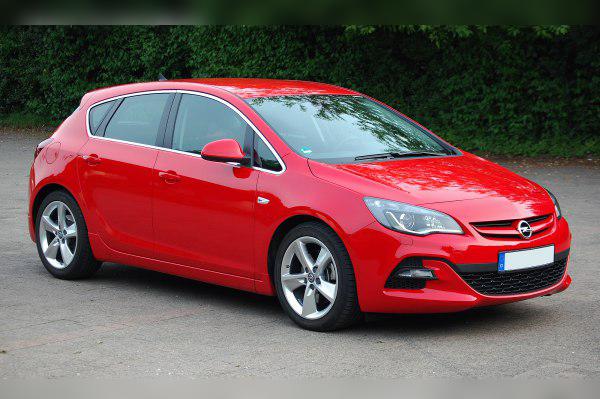
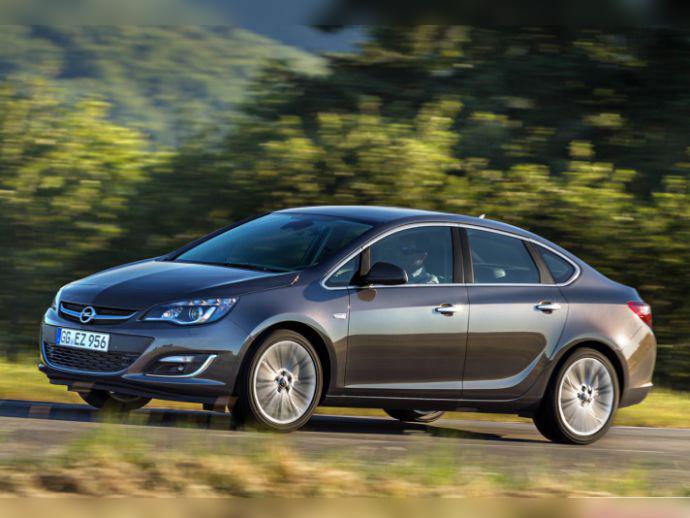
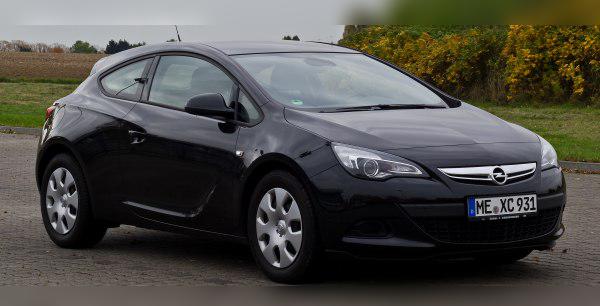
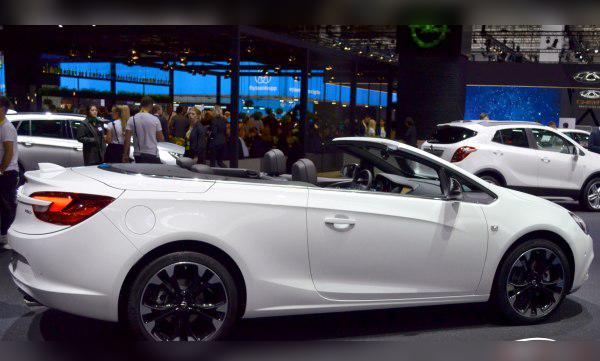
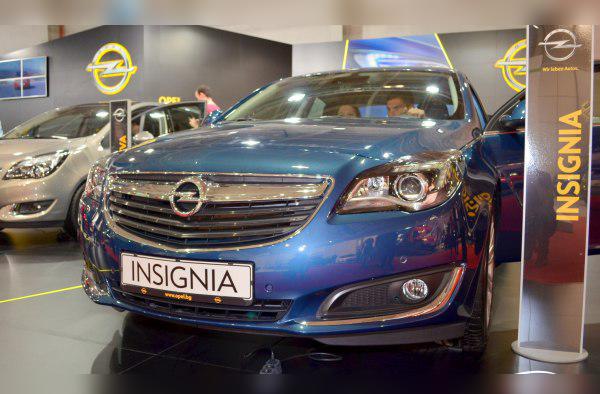
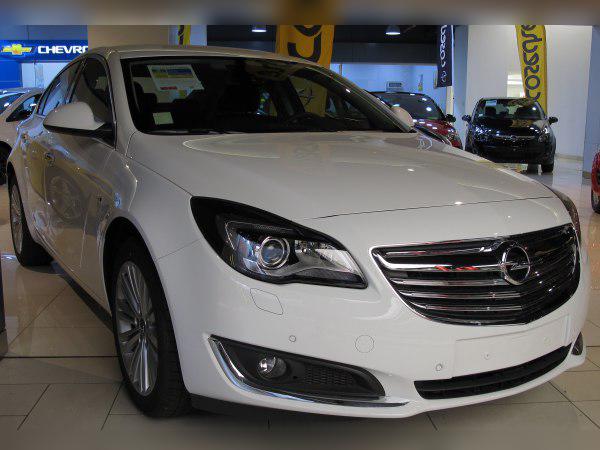
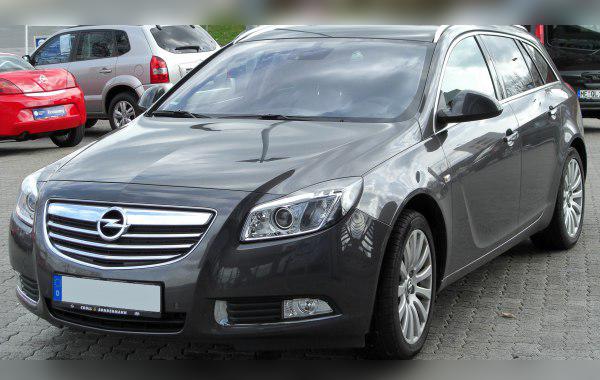
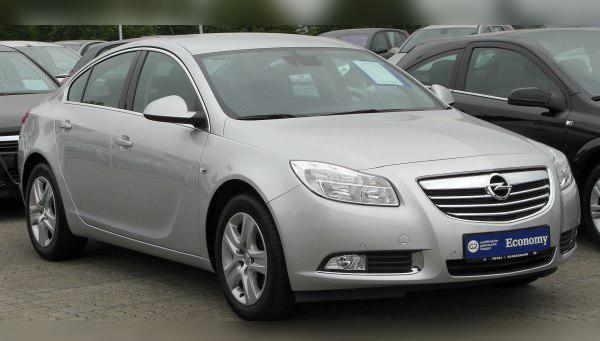
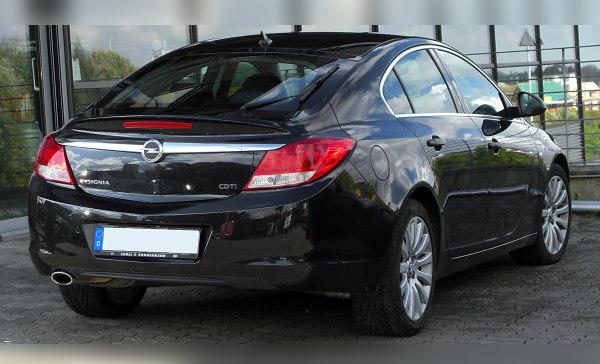
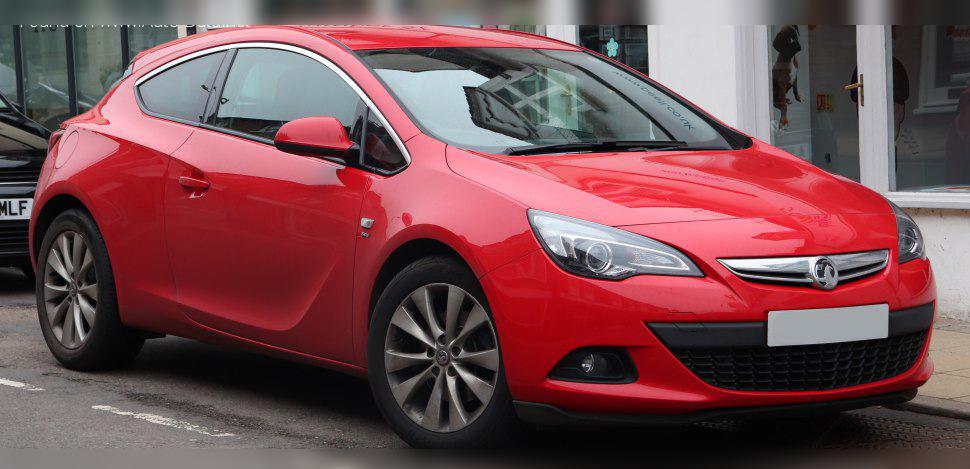
The A20DTR engine represented the very top of the diesel range for Opel’s mid-size and upper-class models. Developed in cooperation with Fiat, this 2.0 CDTI received a serious upgrade in the form of BiTurbo technology. It was installed in heavyweights such as the Astra J, Insignia A, Zafira C and Cascada. Since vehicles on GM’s Epsilon II and Delta II platforms were known for their above-average weight, standard diesel engines often struggled with a lack of pull at low revs. The A20DTR solves this problem by using a small turbocharger for low revs and a large one for high revs, resulting in a linear power delivery reminiscent of large-displacement naturally aspirated engines. However, this technology also brings specific maintenance requirements, so it is essential to be well aware of its weak points before buying.
Technical specifications
| Specification | Data |
|---|---|
| Engine code | A20DTR |
| Engine displacement | 1956 cc |
| Power | 143 kW (195 hp) |
| Torque | 400 Nm |
| Fuel type and injection | Diesel, Common Rail injection |
| Charging system | BiTurbo (two sequential turbochargers), intercooler |
Reliability and maintenance
One of the first questions any mechanic gets is whether the engine uses a timing belt or a chain. With the A20DTR the situation is mixed. The main timing drive uses a timing belt, while the camshafts inside the cylinder head are linked by a short chain. The manufacturer’s recommended interval for the major service was often an optimistic 150,000 km, but real-world experience is harsh – the major service must be done at 100,000 to 120,000 km. A snapped belt leads to complete engine failure. The service life of the small chain inside the head depends on oil quality, and the symptom of wear is a metallic rattling noise at cold start.
Speaking of oil, this engine takes just under 4.5 liters of oil, and the strict recommendation is a 5W-30 grade that meets the GM Dexos 2 specification. As for oil consumption between services, it is usually minimal. A healthy engine should not consume more than 0.5 liters per 10,000 km. If you notice bluish smoke and faster oil loss, the problem often lies in the turbocharger seals or the piston rings themselves.
The biggest boogeyman: Oil pump seal
This is the most critical failure that this engine shares with its less powerful brother (A20DTH). The seal (rubber ring) that connects the oil pickup pipe in the sump to the oil pump loses its elasticity over time. The symptom is a brief “Low Oil Pressure” warning on the instrument cluster, occurring only in the morning at first start, especially when outside temperatures are below 5 °C. If you ignore this warning, the crankshaft bearings run dry, the engine seizes and a full rebuild follows, which is very expensive (depends on the market). Recommendation: at every second or third minor service (or preventively as soon as you buy a used car), remove the oil pan and replace this seal. The seal itself is cheap, but it saves the engine.
Specific components (costs)
The injection system on the A20DTR uses a high-pressure Common Rail system. The injectors (mostly Bosch or Denso, depending on the exact series) are quite robust and durable. With regular fuel filter changes and avoiding suspicious fuel stations, the injectors can easily last over 250,000 km. However, when they do fail, refurbishment is complex and new ones are very expensive (depends on the market). Symptoms of bad injectors include rough idle, increased black smoke under full throttle and harder starting.
The main hallmark of this engine is its two turbochargers (BiTurbo system). A small one, responsible for up to about 1,500 rpm, and a larger one that takes over at higher revs. The transition between them is controlled by a complex system of vacuum valves and flaps. The turbochargers themselves rarely fail before 200,000 km if lubrication is good, but the intercooler hoses, vacuum hoses and electro-valves are prone to cracking and failure. Faults manifest as a sudden loss of power (“limp mode”) and a lit “check engine” light. Replacing or refurbishing the entire BiTurbo assembly is very expensive (depends on the market).
In terms of emissions, all A20DTR engines are equipped with a DPF filter and an EGR valve. The DPF is a classic victim of city driving. If you mostly drive in town, expect frequent regenerations and eventual clogging. The EGR valve with its cooler also collects soot, and the plastic cap of the EGR cooler tends to crack, causing the engine to lose coolant (antifreeze). Since the A20DTR complies with Euro 5 standards (transitioning towards Euro 6 in later production years), early models do not have an AdBlue system, which is one less thing to worry about. If you come across the last pre-facelift Insignia series with this engine that may have an SCR catalyst (AdBlue), problems with the pump and heater in the fluid tank are common and replacement of the entire module is expensive (depends on the market).
Fuel consumption and performance
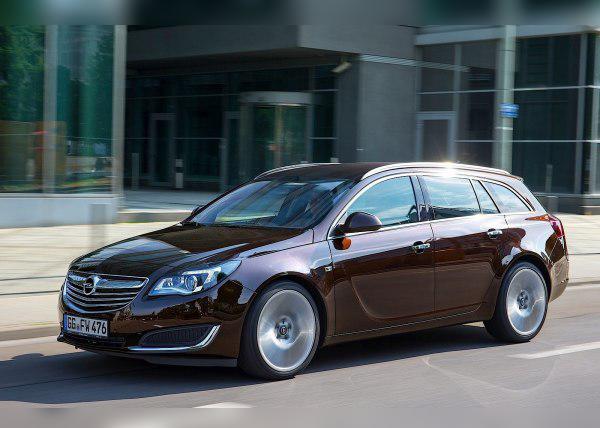
If you expect a diesel to “use five liters in the city”, the A20DTR will disappoint you. The vehicles it is fitted to (e.g. Insignia estate) often weigh over 1,700 kg. Because of this, real-world city consumption is between 8.0 and 9.5 l/100 km, depending on driving style and gearbox type. However, its true home is the motorway.
Thanks to its huge 400 Nm of torque, this engine is absolutely not sluggish. The feeling of body weight is completely masked by the immediate response of the small turbocharger, so there is no characteristic “diesel delay” (turbo lag) at traffic lights. On the motorway, at 130 km/h in sixth gear, the engine cruises at very low revs (around 2,100–2,200 rpm), quietly, with fuel consumption dropping to around 6.0 to 6.5 l/100 km. Overtaking is extremely safe even under full load and uphill.
Additional options and modifications
Owners often opt for “chipping” (remapping the ECU – Stage 1). The A20DTR engine responds extremely well to software tuning. With a quality map, it can safely be raised to about 225 to 235 hp and close to 460 Nm of torque. Internally, the engine can withstand this load, but the main limitations are the DPF filter (which will fill up faster if the map injects too much fuel) and the drivetrain.
Gearbox and drivetrain
The A20DTR comes paired either with a six-speed manual gearbox (the well-known F40) or a six-speed automatic (Aisin AF40). Some Insignia models also offer all-wheel drive (AWD) via a Haldex coupling.
Manual gearbox (F40)
The F40 is one of the most durable gearboxes on the European market, designed to handle high torque. Its only “downside” is a somewhat rough and stiff shift from first to second gear, especially while the oil is still cold. All models with a manual gearbox have a dual-mass flywheel. Due to the vehicle’s weight and the hefty 400 Nm, the clutch kit with dual-mass flywheel wears relatively quickly under a heavy right foot. Symptoms include vibrations in the clutch pedal when setting off, the whole body shaking when switching the engine off, and clutch slip during acceleration. The cost of a complete replacement (flywheel, disc, pressure plate, release bearing) is high (depends on the market).
Automatic gearbox (Aisin AF40)
This gearbox uses a classic torque converter, which means it does not have a conventional dual-mass flywheel and dry clutch like manuals or dual-clutch automatics (DSG). The gearbox is quite comfortable, but somewhat slower. The most common problems arise from lack of maintenance. The oil in the gearbox must be changed every 60,000 km. If this has not been done, the valve body becomes clogged with metal particles, resulting in harsh jerks when shifting from ‘D’ to ‘R’, or thumps when shifting from third to second gear during deceleration. Rebuilding the automatic gearbox is very expensive (depends on the market).
Buying used and conclusion
Before you hand over your money for an Insignia or Astra with the A20DTR engine, make sure you do the following:
- Insist on a cold start: The car must be completely cold. Start it and watch the dashboard. If the “Low Oil Pressure” message appears even for 2 seconds, assume the crankshaft is already suffering damage. Immediately arrange for the oil pan to be removed and the seal replaced if you are buying the car.
- Listen to the sounds under the bonnet: A whistling noise under throttle can indicate a cracked intercooler hose (a common and cheap fault), but also a worn small turbocharger (an expensive fault).
- Check the condition of the gearbox and clutch: With automatics, be sure to drive the car until it is fully warmed up (valve body faults are rarely noticeable when cold). With the manual gearbox, test hill starts without adding throttle to feel for dual-mass flywheel vibrations.
- Check the AWD system (if fitted): The Haldex pump regularly fails if the oil in the rear differential system has not been changed every 2–3 years.
Final conclusion
The Opel A20DTR 2.0 BiTurbo is an excellent, powerful and very flexible engine, fantastically engineered for long journeys on fast roads. It offers comfort and power reserves that smaller diesels simply do not have. However, this is not an engine for someone looking for minimal maintenance costs, nor for drivers who use the car solely for short trips to the shops and back. If you are ready for the initial investment (preventive replacement of the oil pump seal and inspection of the BiTurbo hoses) and you cover higher mileage, the A20DTR will serve you faithfully, with a high level of comfort on the road.