B16DTH 1.6 CDTI Engine (136 HP): Owner Experiences, Problems, Fuel Consumption and Used-Car Buying Tips
Key points in short (TL;DR)
- The engine is known as the “whispering diesel” because of its exceptionally smooth and quiet operation compared to older generations.
- It has a timing chain located at the back of the engine (next to the gearbox), which makes labor costs for replacement significantly higher.
- Dual-mass flywheel is standard, and it’s often replaced together with the chain to save on labor hours.
- Excellent on open roads, but the DPF, EGR and AdBlue systems cause headaches for drivers who mostly use the car in city traffic.
- In smaller models (Astra, Mokka) it offers excellent performance, while in heavier bodies (Insignia, Zafira) it feels slightly “lazy” under full load.
- Maintenance is expensive to very expensive (depends on the market) compared to older and simpler engines, primarily due to the complexity of chain replacement.
Contents
- Introduction: New-generation whispering diesel
- Technical specifications
- Reliability and maintenance
- Specific components and failures
- Fuel consumption and performance
- Additional options and modifications
- Gearbox and power delivery
- Buying used and conclusion
Introduction: New-generation whispering diesel
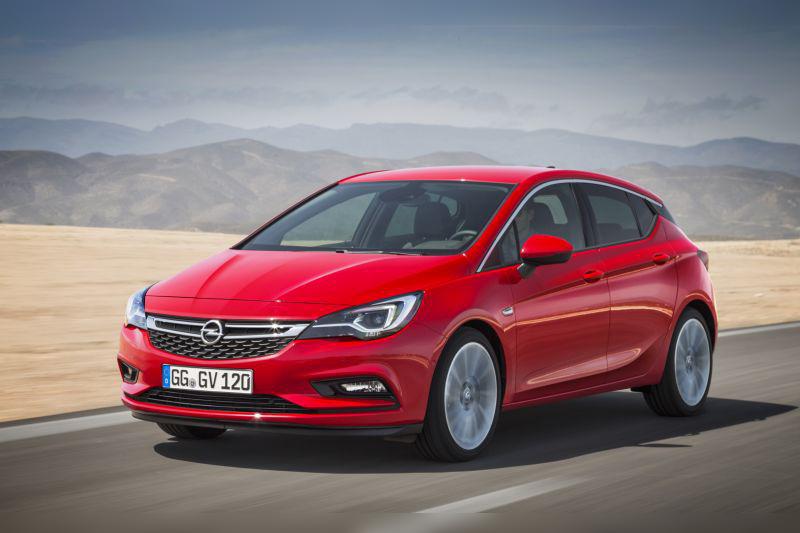
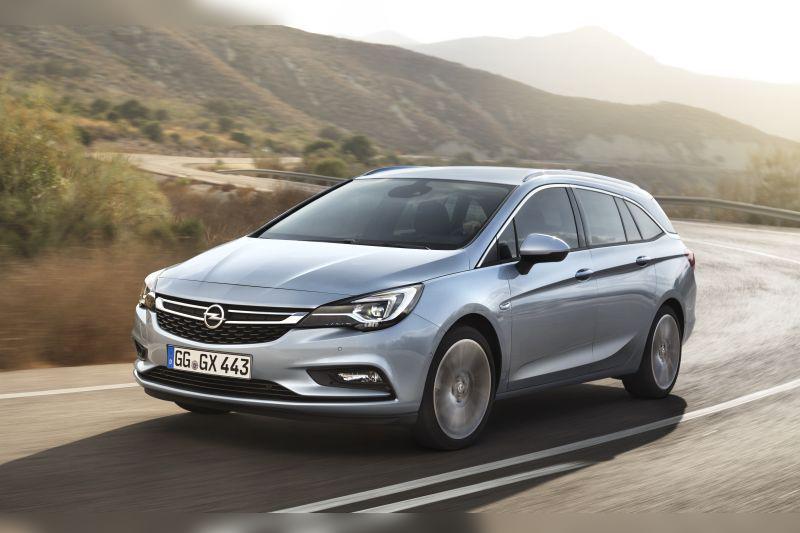
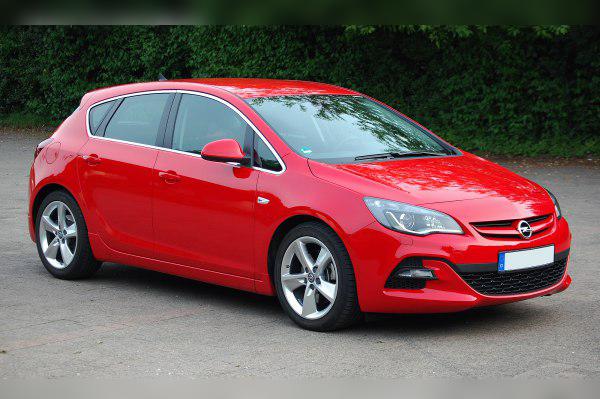
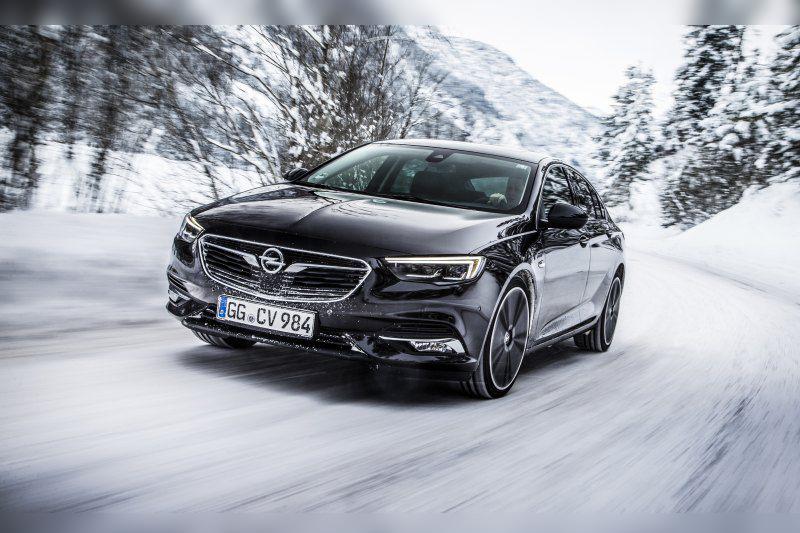
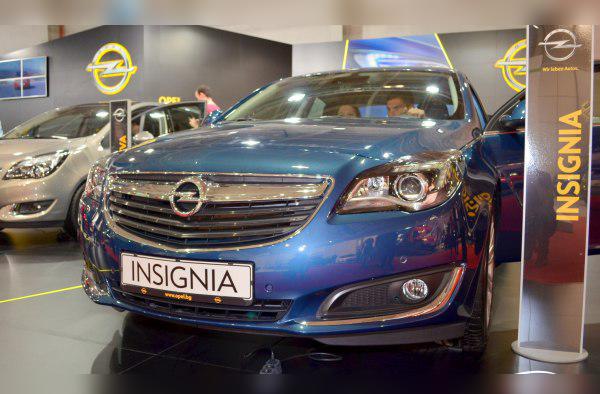
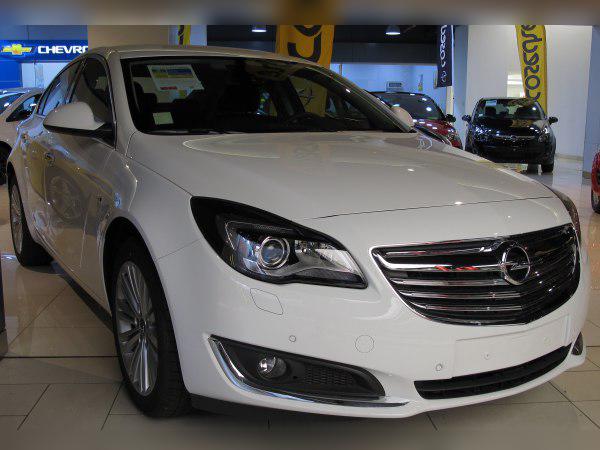
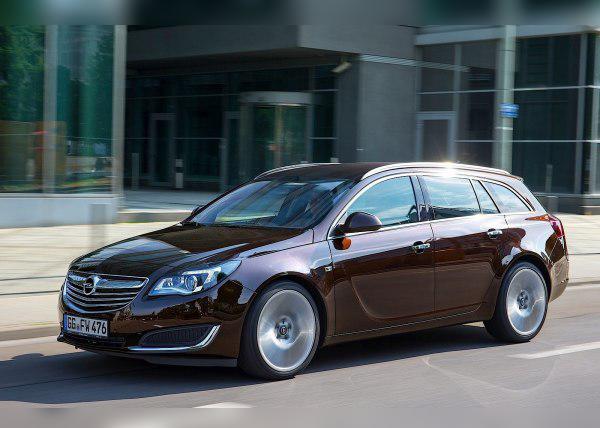
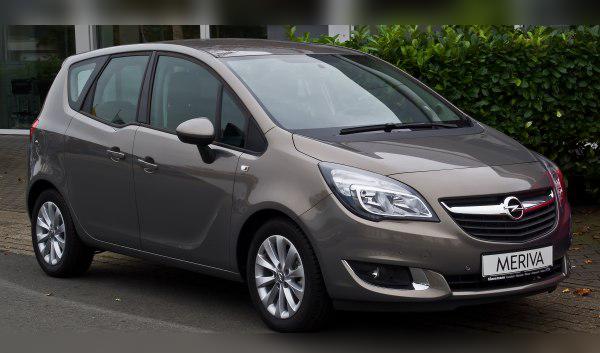
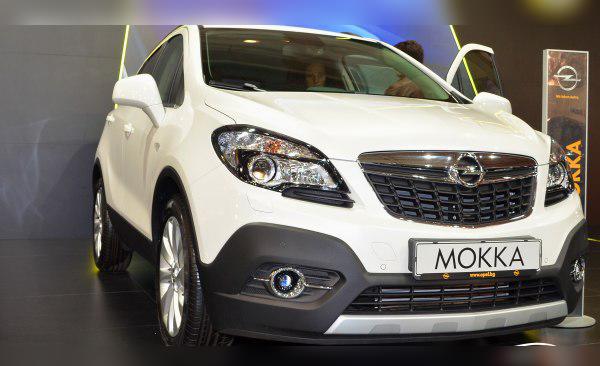
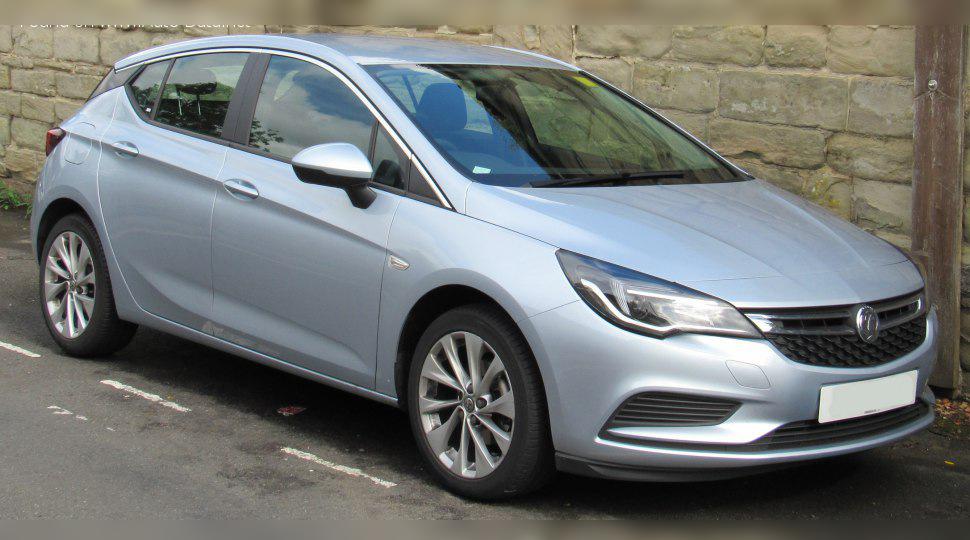
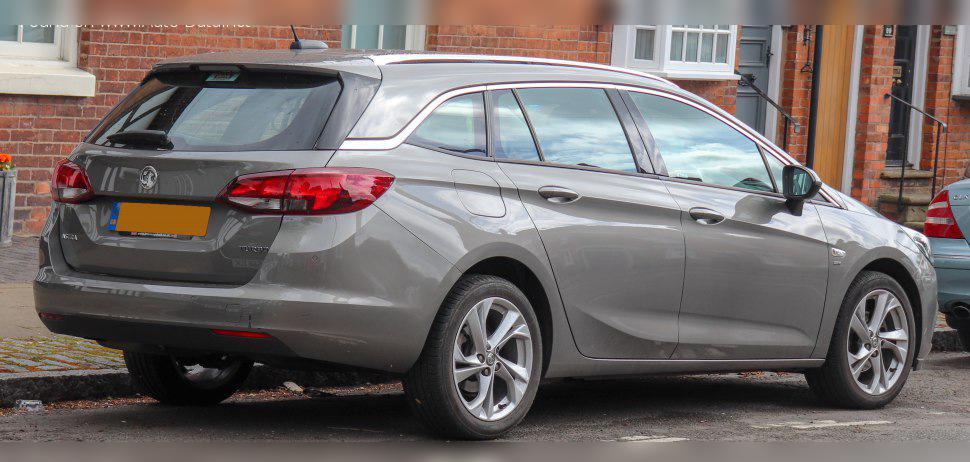
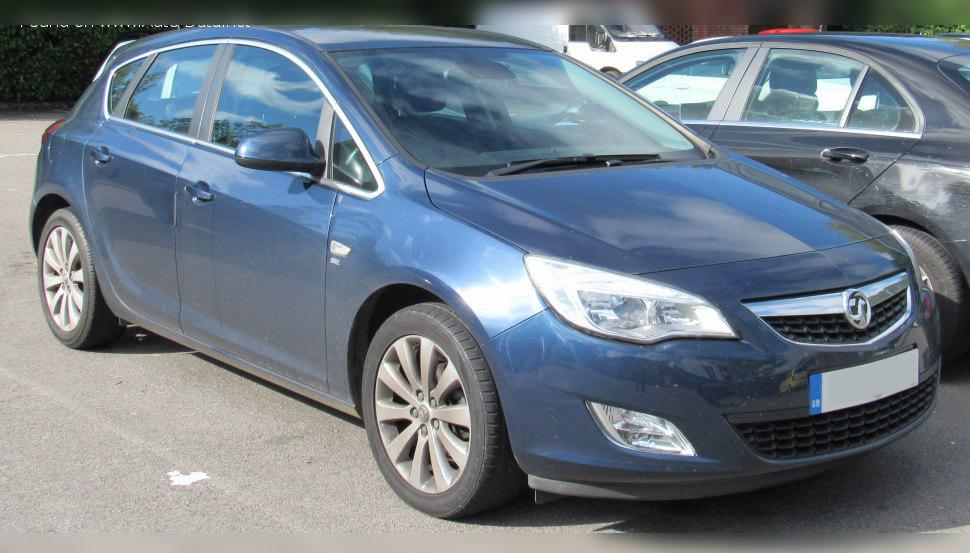
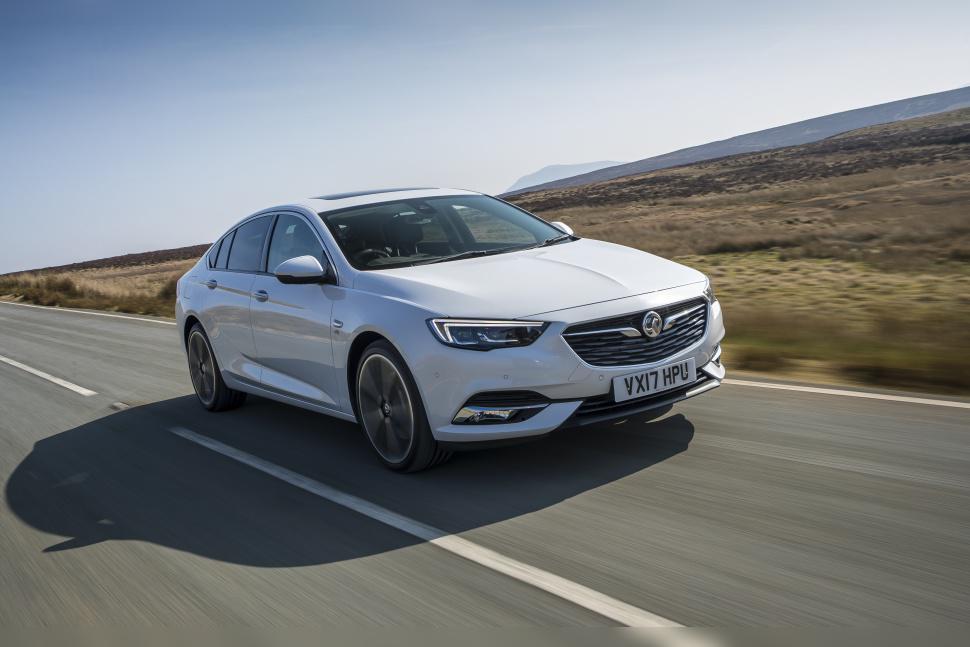
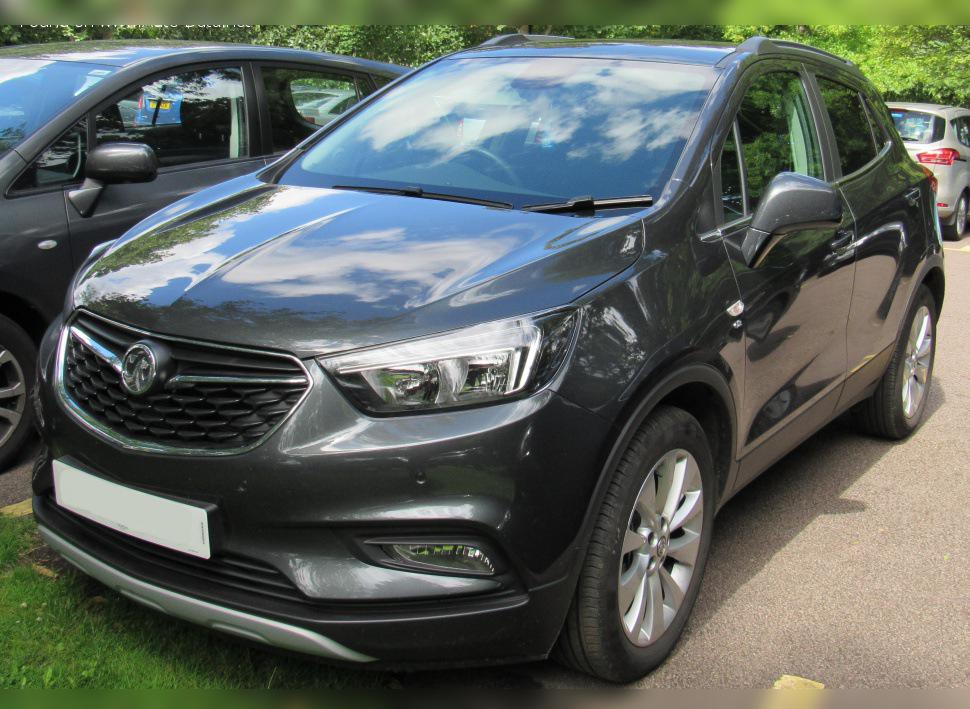
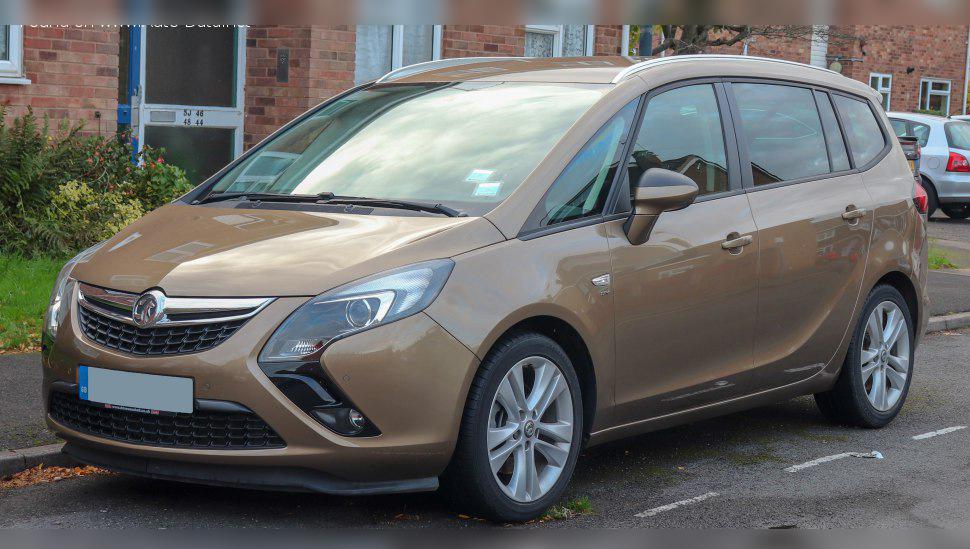
When it appeared, the B16DTH engine (1.6 CDTI with 136 HP) represented a major turning point for Opel/Vauxhall engineers. The task was clear: replace the noisy, rough, but durable Isuzu 1.7 and Fiat 1.9/2.0 diesels. The result is a fully aluminum unit that quickly earned the nickname “whispering diesel” thanks to its refinement. It was installed in a huge number of models, from compacts such as Astra J and K, through crossovers like Meriva and Mokka, all the way to heavyweights such as Zafira Tourer and Insignia. However, the modern design also brought modern, complex technical solutions that every potential buyer must be well informed about.
Technical specifications
| Specification | Data |
|---|---|
| Engine code | B16DTH (LVL) |
| Displacement | 1598 cc |
| Power | 100 kW (136 HP) |
| Torque | 320 Nm |
| Fuel type | Diesel (Common Rail - Denso) |
| Induction | Variable-geometry turbocharger (VGT) + intercooler |
Reliability and maintenance
Chain or belt? Major and minor service
This engine uses a timing chain to drive the camshafts. The design feature that causes the most headaches for mechanics and owners is that the chain is located at the back of the engine, right next to the gearbox housing. The major service does not have a strictly defined factory interval (“lifetime” in theory), but in practice the chain stretches and the tensioners weaken between 150,000 and 200,000 km. Replacement is very expensive (depends on the market), because it requires removing the engine or taking off the entire gearbox, clutch and flywheel.
As for the minor service, the sump holds 5 liters of oil, and the recommended grade is 5W-30 that meets the Dexos 2 specification (low-ash oil due to the DPF). Although the manufacturer allows intervals of up to 30,000 km, any experienced mechanic will tell you: change the oil at a maximum of 10,000 to 15,000 km. Dirty oil directly destroys the chain tensioner and hydraulic lifters. There is some oil consumption between services, but it is minimal – it is completely normal for the engine to “drink” around 0.3 to 0.5 liters per 10,000 km, which is considered healthy lubrication.
Fuel injection system: Injectors
The B16DTH uses a highly precise Denso Common Rail injection system. The injectors are very high quality and easily last over 250,000 km if you use clean fuel and regularly replace the fuel filter. However, when a failure does occur (most often due to dirt or water in the fuel), repairs are expensive. Symptoms of bad injectors include rough idle, engine “stumbling” under acceleration, black smoke from the exhaust (if the DPF fails to trap it), and increased fuel consumption.
Specific components and failures
Turbocharger
The engine has a single turbocharger with variable-geometry vanes (VGT). Its lifespan is solid; it easily covers over 200,000 km. The most common issues are not with the core of the turbo itself, but with the variable-geometry vanes, which can stick due to soot build-up if the car is mostly driven in the city (so-called “engine choking”). Symptoms of stuck geometry are loss of power, entering limp mode (safety mode), and whistling under load.
DPF filter, EGR valve and AdBlue system
These are weak points of every modern diesel, and the B16DTH is no exception. The engine is equipped with both an EGR valve and a DPF filter. The EGR valve tends to clog with soot, which causes jerking while driving and triggers the check engine light. The DPF filter is relatively easy to keep clean through automatic regenerations, provided that you regularly drive on open roads. Frequent city driving guarantees DPF clogging.
For models that meet stricter Euro 6 standards (e.g. Astra K, Insignia B), there is also an AdBlue system (SCR catalyst). This system is causing serious problems all over Europe. Crystallization of the fluid inside the tank often destroys the AdBlue pump or the heater in the tank itself. Repairs are very expensive (depends on the market). The symptom is a warning on the instrument cluster that counts down the remaining distance (e.g. “No engine start in 800 km”), after which the engine can no longer be started until the system is repaired.
Fuel consumption and performance
Real-world fuel consumption largely depends on the body style. In city driving (stop-and-go traffic), consumption is between 6.5 and 7.5 l/100 km. On country roads, with a light right foot, it can drop to an impressive 4.0 l/100 km.
As for motorway driving, this is the natural environment for the B16DTH engine. At a cruising speed of 130 km/h in sixth gear, the engine runs at a relaxed 2200 to 2400 rpm (depending on the gearbox ratios in the specific model). Fuel consumption is then around 5.0 to 5.5 l/100 km, and the sound insulation and lack of vibrations make long journeys very comfortable.
Is the engine “lazy”? In lighter models such as the Astra K or Mokka, 136 HP and a generous 320 Nm of torque make the car very lively and agile. However, if you put this engine into a heavy Insignia Grand Sport or a family Zafira loaded with passengers and luggage, you will feel a lack of breath during more spirited overtakes on uphill sections. For such heavy cars, the engine does the job properly, but without any sporting ambitions.
Additional options and modifications
As a turbo diesel, the B16DTH is very suitable for software power upgrades. A safe Stage 1 remap usually raises power from the stock 136 HP to 160 to 165 HP, while torque increases from 320 Nm to a serious 370 to 380 Nm.
Although the car “wakes up” and becomes noticeably more eager, the driver must be aware that this additional torque directly puts more stress on the dual-mass flywheel and clutch. If you regularly floor the throttle at low revs in a high gear, the lifespan of the flywheel will be drastically reduced.
Gearbox and power delivery
This engine is paired with 6-speed manual gearboxes (most often an improved version of the notorious M32 gearbox, or the more robust F40 in heavier vehicles), as well as Aisin automatic gearboxes with a torque converter (6 speeds).
Manual gearbox, clutch and dual-mass flywheel
The engine uses a dual-mass flywheel. The cost of replacing the clutch kit together with the dual-mass flywheel and hydraulic release bearing is expensive to very expensive (depends on the market). The most common issue with Opel manual gearboxes is bearing wear inside the gearbox itself. The symptom is a characteristic whining or howling noise while driving in fifth or sixth gear, as well as slight movement of the gear lever when you press and release the accelerator. To prevent this, make sure you change the oil in the manual gearbox every 60,000 km.
Automatic gearbox
The Aisin automatic is a classic torque-converter gearbox. It is not as fast as a DSG (dual-clutch gearbox), but it is generally very reliable. It does not have a conventional dual-mass flywheel that needs replacing (it uses a torque converter). Its most common “failure” is caused by owner neglect. The oil in the automatic MUST be changed (preferably with a machine flush) every 60,000 to 80,000 km. If you notice jerking when setting off, harsh shifts between second and third gear, or hesitation when downshifting, the gearbox is probably due for a major (and very expensive) overhaul.
Buying used and conclusion
What to check before buying?
- Cold start (very important!): Ask the seller to keep the car completely cold. Listen to the engine for the first 3 seconds after starting. Any chain rattling means that a major service is just “around the corner”, which seriously changes the price calculation.
- Condition of the dual-mass flywheel: Listen to the car at idle. Press the clutch halfway – if you feel strong vibrations on the pedal or hear a dull knocking noise when switching the engine off without pressing the clutch, the flywheel is at the end of its life.
- Diagnostics (DPF and injectors): Never buy this car without a proper diagnostic check. The mechanic should check turbo pressure values, injector corrections, as well as the level of clogging (ash content) in the DPF filter.
- Suspension (front axle): Due to the fairly heavy front end of the car (especially on the Insignia and Zafira), the front suspension (ball joints, bushings, stabilizer links) often takes a beating and is the first to show signs of wear.
Who is this engine for?
Opel’s 1.6 CDTI B16DTH (136 HP) is an excellent piece of engineering, built for the modern traveler. It is intended for drivers who cover more than 20,000 km per year and whose driving includes a lot of country roads and motorway mileage. Its smooth operation and low fuel consumption on open roads will impress anyone. On the other hand, if you plan to buy this engine for school runs, short trips to the shops and 90% city driving – avoid it at all costs. Problems with the DPF, EGR, AdBlue system and faster wear of the dual-mass flywheel due to stop-and-go traffic will quickly leave your wallet empty.