Saab B207E Engine (150 hp) – Experiences, Problems, Fuel Consumption and Used-Buying Tips
Key points (TL;DR)
- Not a 1.8 but a 2.0: Even though it says “1.8t” on the trunk lid, this is a full-blooded 2.0‑liter turbo petrol engine.
- Chain-driven timing: The timing is driven by a chain, which is generally reliable, but the balance shaft chain tends to fail at higher mileage.
- Trionic 8 electronics: The engine is known for its advanced management system, but the ECU is prone to heat-related failure.
- Excellent for LPG conversion: Thanks to port fuel injection, the B207E handles LPG (autogas) extremely well.
- Huge tuning potential: It can easily be “unlocked” to over 200 hp, as it is mechanically almost identical to the more powerful versions.
- Low-pressure turbocharger (LPT): The Garrett turbocharger used on this engine is known for its exceptional longevity.
- Dual-mass flywheel: Present on manual gearbox models, so this should be factored into potential running costs.
Contents
- Introduction: Swedish engineering on a GM base
- Technical specifications
- Reliability and maintenance
- Specific parts and costs
- Fuel consumption and performance
- Extras: LPG and chip tuning
- Gearboxes: Manual and automatic
- Buying used and conclusion
Introduction: Swedish engineering on a GM base
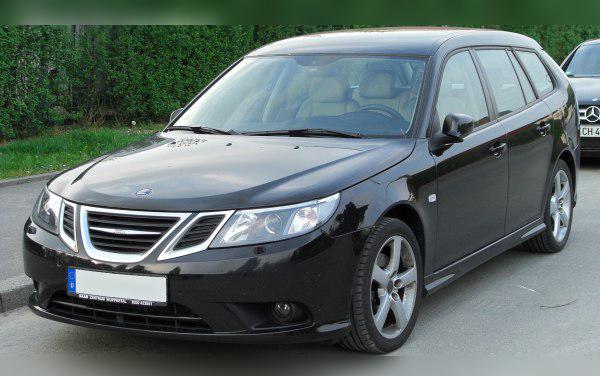
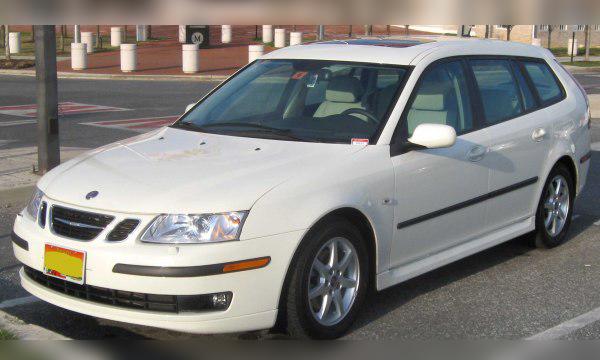
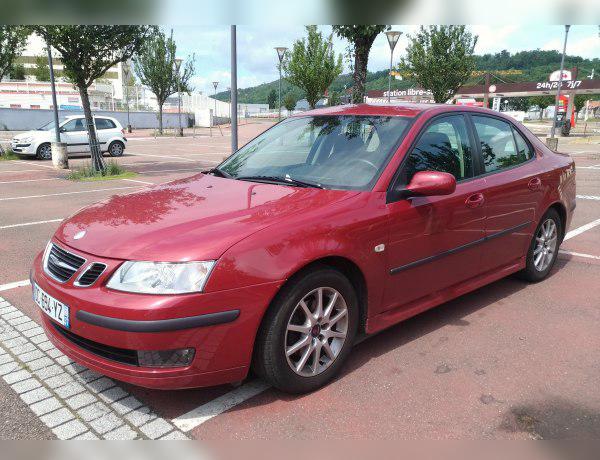
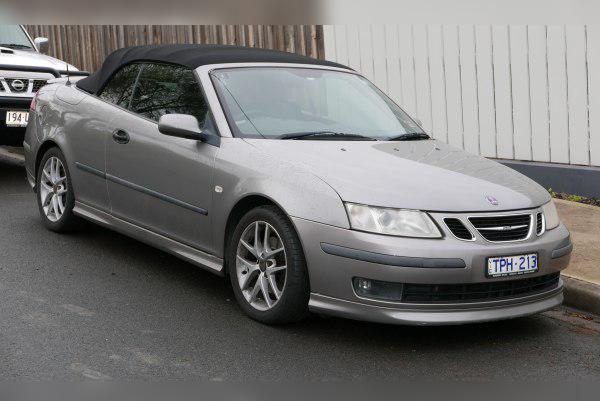
When it comes to second-generation Saab 9-3 models (whether sedan, Sport Combi wagon or convertible), the engine range can be confusing. The “1.8t” badge (with a small “t”) often misleads drivers into thinking there is a 1.8‑liter engine under the hood. In reality, this is the B207E engine – a 2.0‑liter turbo petrol with 1998 cc producing 110 kW (150 hp).
This block belongs to the well-known GM Ecotec L850 family, but Saab engineers designed their own cylinder head, added their own turbo system and the famous Trionic 8 engine management. This engine is a Low-Pressure Turbo (LPT) variant, designed more for cruising and smooth driving with linear power delivery than for drag racing from traffic light to traffic light.
Technical specifications
| Parameter | Value |
|---|---|
| Displacement | 1998 cc |
| Power | 110 kW (150 hp) |
| Torque | 240 Nm |
| Engine code | B207E |
| Injection type | Port fuel injection (multi-point) |
| Induction | Turbocharger (Garrett GT2052s), intercooler |
Reliability and maintenance
Mechanically, the B207E is a very strong and durable engine, but it requires a competent mechanic. Unlike belt-driven engines, Saab uses a chain on this unit. More precisely, there are two chains – the main timing chain for the camshafts and the balance shaft chain. In practice, the main chain is extremely long-lived, but the guides on the balance shaft chain tend to crack after 150,000 to 200,000 km. At that point a so‑called “major timing service” is done, which includes replacing the entire timing set (both chains, tensioners, guides and sprockets). The cost of this job can be high (depends on the market).
As for lubrication, the sump takes about 6 liters of oil (more precisely around 5.8–6.0 l when changed with the filter). Fully synthetic oil of grade 0W‑40 or 5W‑30 that meets GM‑LL‑A‑025 (or the newer Dexos 2) standard is recommended. A healthy B207E does not consume much oil. Consumption of around 0.3 to 0.5 liters per 10,000 km is completely normal. If the engine is losing a noticeable amount of oil, the problem is usually not worn piston rings but the PCV valve (crankcase ventilation) or worn valve stem seals and turbo seals.
The most important peculiarity of this petrol engine are the spark plugs and ignition coils. Because the Trionic 8 system uses current through the spark plugs to detect knock in the cylinders (ionization sensing), you may ONLY use spark plugs specified by the factory (most commonly NGK PFR6T‑10G). They are replaced every 60,000 km. If you install cheap aftermarket plugs, the engine will run rough and will very quickly destroy the coils, which are a known weak point on this engine and not cheap to replace.
One of the most expensive electronic failures is ECU failure itself. Since it is mounted directly on the intake manifold, it is exposed for years to high engine temperatures (°C) and vibrations, which cause micro-solder joints to crack. Symptoms include the car stalling while driving and refusing to restart until the engine cools down.
Specific parts and costs
The fuel system on the B207E is port injection (MPI). The injectors spray fuel into the intake manifold, not directly into the cylinder. This means that the injectors are very reliable, they rarely fail, and the issue of carbon buildup on intake valves (a common problem on modern GDI engines) is virtually non-existent here.
The turbocharger on this “1.8t” version is a small Garrett GT2052s running low boost. The life span of this turbo is fantastic. With regular oil changes every 10,000 km, the turbo will easily cover 250,000 to 300,000 km before showing any play in the shaft or starting to leak oil.
Modern emissions systems often confuse buyers. Since the B207E is a conventional petrol engine, it DOES NOT have a DPF filter, DOES NOT have a problematic diesel EGR valve and DOES NOT use AdBlue. As a result, maintenance in this area is incomparably cheaper than on modern turbo diesels (such as the 1.9 TiD engines fitted to the same car).
However, even though it is a petrol engine, models equipped with a manual gearbox do have a dual-mass flywheel. We will cover this in more detail in the gearbox section.
Fuel consumption and performance
The second-generation Saab 9-3 is a heavy car (over 1.5 tons, especially the Sport Combi and Cabriolet). In city driving, you should expect fuel consumption between 11 and 13 l/100 km. The laws of physics cannot be cheated; a heavy body in stop‑and‑go traffic takes its toll.
Is the engine “sluggish”? With 150 hp and 240 Nm of torque available from low revs thanks to the LPT turbo, the car is very pleasant to drive. It is not a sports car and it will not pin you to the seat, but it is by no means sluggish. Turbo lag is minimal. There is more than enough power for safe overtaking. For those seeking outright sporty performance, this engine will feel a bit tame in stock form.
The B207E’s real home is the motorway. The engine is very well insulated and cruises smoothly and quietly. At 130 km/h, depending on whether you have a 5‑speed or 6‑speed gearbox, the revs sit at around 2500 to 2800 rpm. Highway fuel consumption drops to a very reasonable 7 to 8 l/100 km.
Extras: LPG and chip tuning
For drivers who want to cut running costs, there is very good news: the B207E is ideal for LPG (autogas) conversion. Thanks to strong valves, port injection and the absence of complications associated with direct injection, an LPG system is easy to install. The only important thing is to choose a quality vaporizer capable of handling the turbocharger and fast LPG injectors that can keep up with the Trionic 8 ECU’s commands.
As for “chipping” (remap/Stage 1), this is probably one of the best engines on the market. Since the B207E is hardware‑wise (block, crankshaft, pistons) practically identical to the B207L version with 175 hp, its potential is huge. With a simple software change (Stage 1), power can be safely raised from 150 hp to around 210–220 hp, and torque goes beyond 320 Nm. The car literally turns into a completely different animal, but keep in mind that this will wear out the clutch and dual-mass flywheel on manual gearboxes much faster.
Gearboxes: Manual and automatic
The B207E was paired with two types of manual gearboxes (5‑ and 6‑speed) and the well-known Aisin automatic, marketed as “Sentronic” in Saab terminology.
Manual gearboxes and dual-mass flywheel
The manual gearboxes are mechanically very robust and rarely fail. The oil in them should be refreshed every 100,000 km to maintain smooth shifting. However, the biggest cost here is the clutch kit. All models with this engine and a manual gearbox have a dual-mass flywheel. Due to the high torque delivered by the turbo at low revs, the flywheel is under heavy load. Symptoms of a worn flywheel include judder when pulling away, vibrations at idle and a dull metallic thud when switching the engine off. Replacing the complete set (flywheel, clutch disc, pressure plate, concentric slave cylinder) is expensive (depends on the market).
Automatic gearbox (Sentronic)
The automatic gearboxes mated to this engine are traditional Aisin torque-converter units (usually the 5‑speed Aisin AW55‑50). These are fantastic and extremely reliable transmissions that perfectly suit the LPT character of the engine, providing smooth, almost imperceptible shifts. However, their longevity depends entirely on maintenance.
The oil in the automatic MUST be changed every 60,000 km. If this is neglected, debris will clog the valve body. Symptoms of a failing automatic include harsh engagement when shifting from “P” to “R” or “D”, as well as jerks when shifting from second to third gear once the oil is hot. Rebuilding the valve body is very expensive (depends on the market).
Buying used and conclusion
Before you buy a Saab 9-3 with the B207E engine, make sure you pay attention to the following:
- Noise on cold start: Let the car sit overnight. When you start it, listen carefully to the right side of the engine. If you hear chain rattling that lasts longer than a second or two until oil pressure builds up, prepare for the cost of a timing overhaul.
- Exhaust smoke: Bluish smoke after the car has idled for a few minutes and you then blip the throttle points to failed turbo seals or worn valve stem seals.
- Electronics condition: A proper diagnostic scan with the original tool (Tech2) is a must. Check the fault history and ECU operation.
- Gearbox check: On automatics, test hard deceleration and acceleration once the car is warm; shifts must remain smooth. On manuals, select a high gear at low revs and floor the throttle – if the revs rise disproportionately to road speed, the clutch is slipping.
Conclusion: Who is this engine for?
The Saab 9-3 2.0t (150 hp) with the B207E engine is a fantastic choice for drivers who value reliability, enjoy refined and safe motorway cruising, and want a safe entry into the world of turbo petrol engines. The absence of a DPF, EGR and direct injection makes it a much smarter used‑car choice compared to modern diesels of the same vintage. If you find a car whose owner has changed the oil regularly, installed a quality LPG system and taken care of timely chain replacement, you will get an excellent‑quality vehicle that can easily cover hundreds of thousands of kilometers without trouble.