B20DTH 2.0 CDTI (170 hp): Owner experiences, common issues, fuel consumption and used-car buying tips
Key points in short (TL;DR)
- Significantly improved: Unlike its predecessor (A20DTH), the infamous “oil pump seal” issue that led to crankshaft failure has been resolved here by design.
- Timing system: The engine uses a timing belt for the main drive, but also a small chain between the camshafts whose stretching is the most serious weak point of this engine.
- Emissions as a problem: The AdBlue (BlueInjection) system is very sensitive; pump and NOx sensor failures are common and quite expensive.
- Performance: With 170 hp and 400 Nm, the engine easily handles heavy bodies such as the Opel Insignia and Zafira, providing excellent acceleration.
- Gearboxes: The manual F40 is extremely durable, while the Aisin automatics are reliable only if regularly maintained (oil change every 60,000 km).
- Who it’s for: Perfect for long trips and highway driving, less suitable for exclusive city use due to the DPF and EGR systems.
Contents
- Introduction: About the B20DTH engine
- Technical specifications
- Reliability and maintenance
- Specific components and costs
- Fuel consumption and performance
- Additional options and modifications
- Transmissions and drivetrains
- Buying used and conclusion
Introduction: About the B20DTH engine
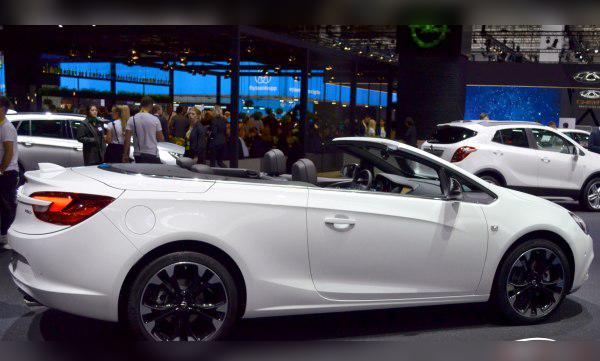
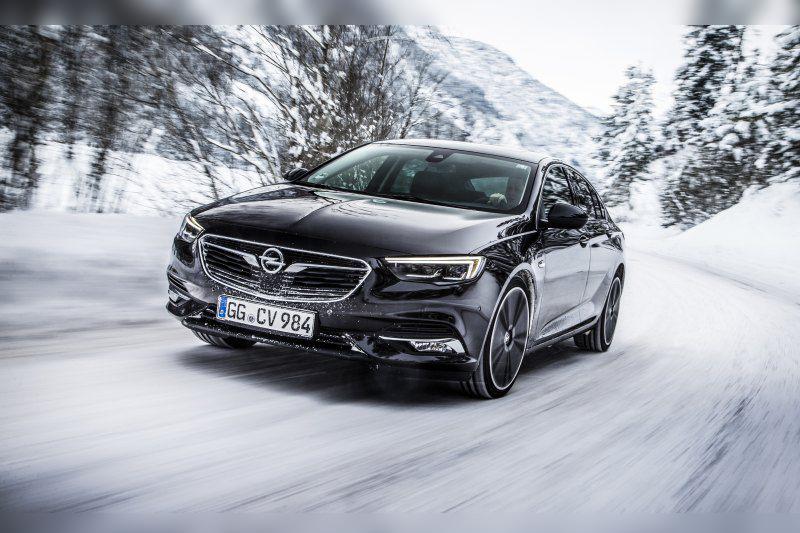
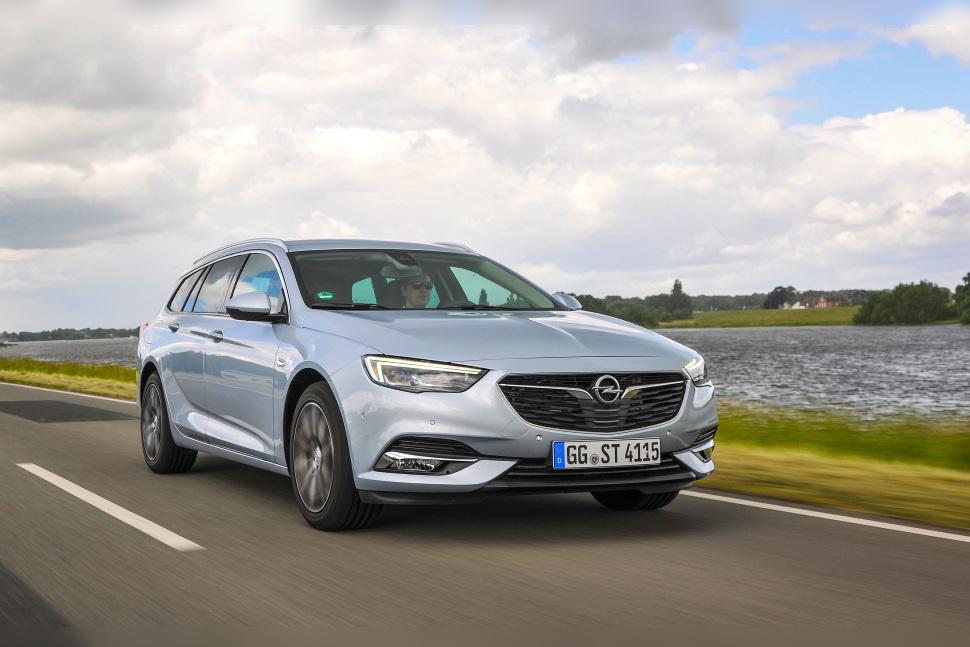
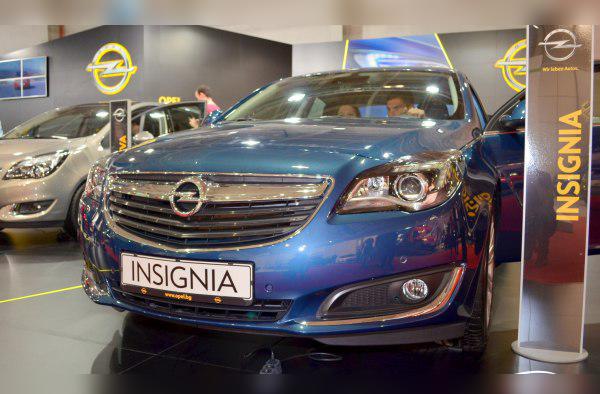
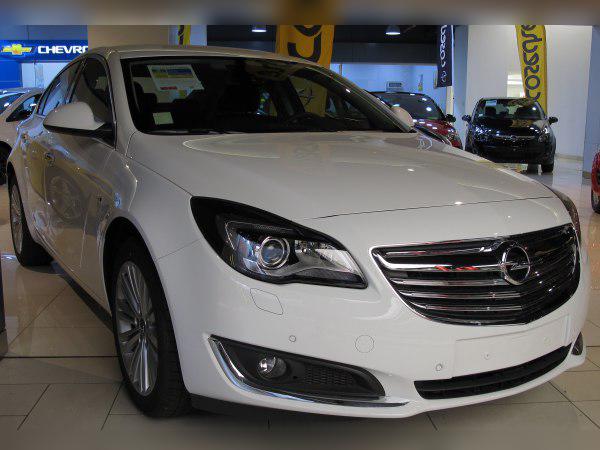
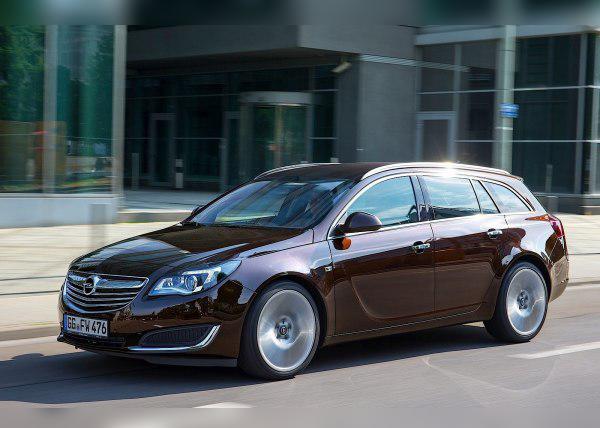
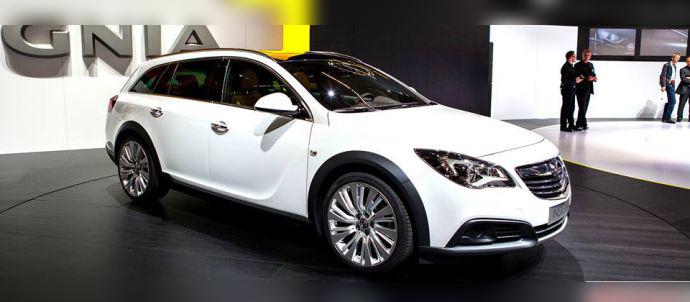
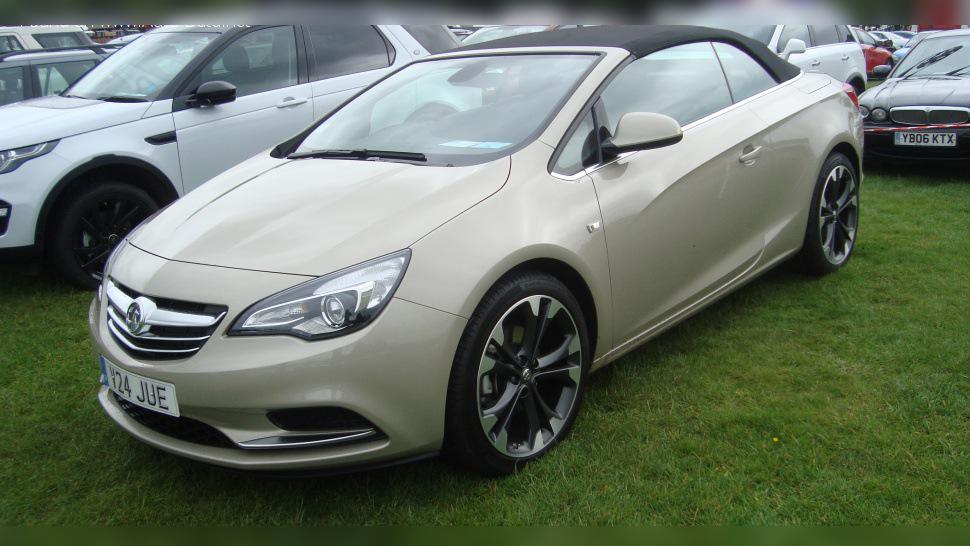
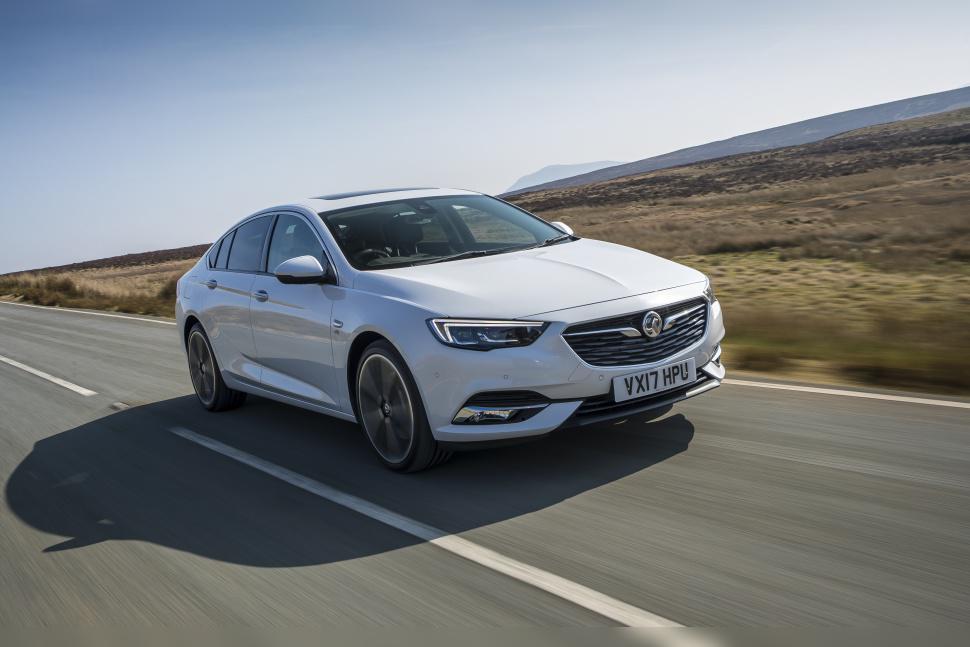
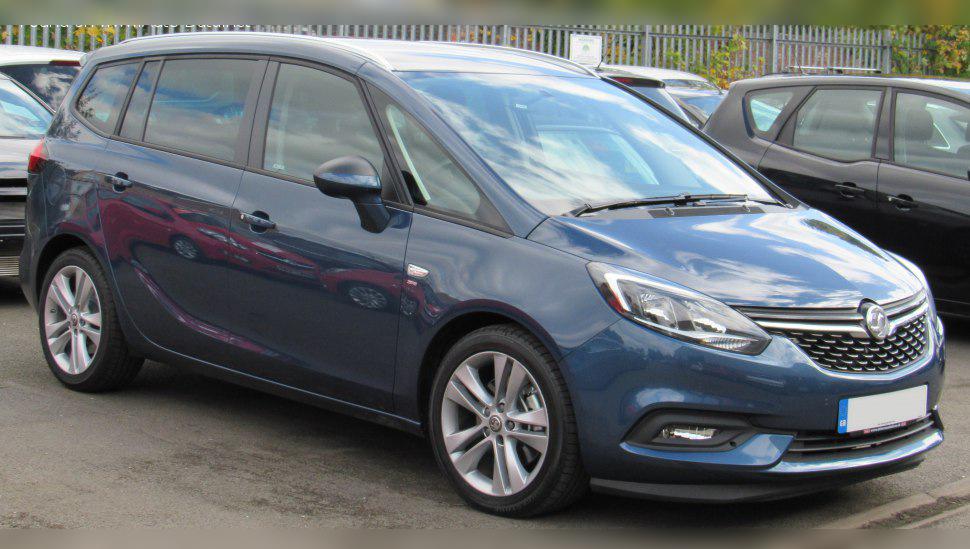
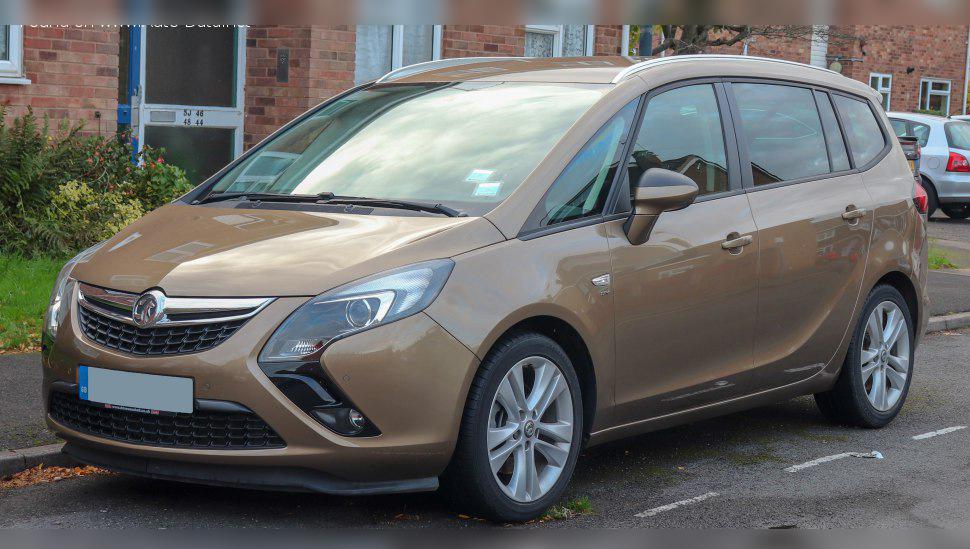
The engine designated as B20DTH is Opel’s answer to strict Euro 6 emission standards and a direct successor to the older A20DTH unit. It was primarily installed in the Opel Insignia (facelift of the first generation and Grand Sport/Sports Tourer of the second generation), Zafira C Tourer, as well as the Cascada. What every mechanic and driver notices first is that this unit is significantly quieter and more refined than its notoriously “tractor‑loud” predecessor.
This engine is very important because the engineers finally redesigned the lubrication system and eliminated the factory flaw with the oil pump seal (rubber ring) that used to kill the previous generation engines due to oil pressure loss. However, Euro 6 standards brought new components such as the AdBlue system, which means that one major mechanical problem has been solved, but new electronic and emissions‑related challenges have appeared.
Technical specifications
| Parameter | Specification |
|---|---|
| Engine displacement | 1956 cc |
| Power output | 125 kW (170 hp) |
| Torque | 400 Nm |
| Engine codes | B20DTH, D20DTH (newer Euro 6d iterations) |
| Fuel type | Diesel |
| Injection type | Common Rail (Denso) |
| Induction | VGT turbocharger with intercooler |
Reliability and maintenance
Timing belt or chain?
This is a question that causes a lot of confusion, because the B20DTH has both systems. The main drive for the crankshaft and water pump is via a timing belt. However, inside the cylinder head there is a small timing chain that connects the two camshafts. The belt is reliable, but that small camshaft chain is a known weak spot. Over time it loses tension, stretches and starts rubbing against the housing, producing a distinct metallic rattling noise. If it snaps, it results in total engine failure.
Most common issues
The biggest headaches for owners come from the AdBlue system (more on that in the section on specific components) and the aforementioned camshaft chain. In addition, there are the usual diesel issues with a clogged EGR valve if the car is driven exclusively in city conditions on short trips, as well as potential problems with exhaust gas temperature sensors.
Major and minor services
The major service (replacement of timing belt, tensioner, idler pulleys and water pump) is recommended every 120,000 to 150,000 km or at the latest every 5 to 6 years, depending on driving conditions. During the major service, it is strongly recommended to check the condition of the small camshaft chain and replace it if it shows signs of wear. The minor service should be done every 10,000 to a maximum of 15,000 km.
Engine oil
The B20DTH takes about 5.0 to 5.2 litres of oil. Due to the DPF filter, it is extremely important to use fully synthetic low‑ash (Low SAPS) oil, viscosity grade 5W‑30, that meets the GM Dexos 2 specification. On newer versions of this engine from later production years, even thinner 0W‑20 oil is used, so always check the exact recommendation by VIN. Oil consumption is usually minimal; topping up up to 0.5 litres between services is considered completely normal. If the engine consumes noticeably more, it usually indicates worn piston rings or a leak at the turbocharger shaft.
Injector condition and longevity
The B20DTH uses advanced Denso Common Rail injectors. They have proven to be very reliable and durable. With quality diesel fuel with additives and regular fuel filter changes, the injectors easily last 250,000 to 300,000 km. Symptoms of dirty or failing injectors include uneven idle, increased smoke under hard acceleration and a “harsher” engine sound during cold starts.
Specific components and costs
Dual mass flywheel
All models with a manual gearbox have a dual mass flywheel (DMF). Given the hefty 400 Nm of torque, the flywheel is under huge stress, especially with drivers who tend to accelerate hard from low revs (below 1,800 rpm). Average lifespan is around 180,000 to 220,000 km. Replacing the complete set (flywheel, clutch disc, pressure plate, concentric slave cylinder) is among the more expensive repairs (depends on market).
Turbocharger
The engine has a single variable geometry turbocharger (VGT). The turbo mechanism itself is robust, but soot can build up on the variable vane assembly, causing overboost and triggering “limp mode” (safety mode). Cleaning, repairs and potential turbo overhauls are available and reasonably priced (depends on market).
DPF and EGR systems
The DPF filter does its job very well and does not cause problems as long as the car regularly sees open roads. Automatic regenerations are carried out imperceptibly. However, the EGR valve often gets dirty and sticks due to carbon deposits, especially if the car is stuck in stop‑and‑go city traffic. Replacement of the EGR cooler may also be required due to cracks and slight coolant loss.
AdBlue system (BlueInjection)
This is the Achilles’ heel of this engine. The system works by injecting AdBlue fluid into the exhaust to reduce NOx emissions. The most common problems are failure of the heater in the AdBlue tank, failure of the pump that pushes the fluid (which often has to be replaced together with the entire tank) and failure of NOx sensors. The symptoms are clear: the instrument cluster displays a warning “Engine will not start in XXX km”. Repairing these components is very expensive (depends on market), so some owners resort to software deletion of the system, which is legally questionable.
Fuel consumption and performance
City driving
The weight of the Opel Insignia (often over 1,600 kg) and Zafira takes its toll. In real city conditions, the B20DTH consumes between 7.5 and 8.5 l/100 km. With an automatic gearbox and all‑wheel drive (AWD), that figure easily goes above 9 litres.
Is the engine sluggish?
Absolutely not. With 170 hp and a massive 400 Nm available from as low as 1,750 to 2,500 rpm, the B20DTH is extremely flexible. There is no pronounced “turbo lag” like on older generations. Acceleration and overtaking are carried out with incredible ease, despite the heavy chassis.
Highway behaviour
This engine is designed for devouring kilometres on open roads. At a cruising speed of 130 km/h on the motorway in 6th gear, the engine spins at a very relaxed ~2,000 to 2,200 rpm (depending on gearbox). In such driving conditions, fuel consumption drops to around 5.5 to 6.0 l/100 km. The cabin is very well sound‑insulated and diesel noise is barely noticeable.
Additional options and modifications
Remapping (Stage 1)
The B20DTH responds very well to a Stage 1 software remap. Without any mechanical modifications, you can safely gain an additional 30–40 hp, bringing power up to about 200–210 hp and torque to a hefty 450–480 Nm.
Warning: It is not recommended to go beyond these figures, because the manual clutch and F40 gearbox, as well as the Aisin automatic, have factory torque limits. An overly aggressive map drastically shortens the lifespan of the flywheel and turbo.
Transmissions and drivetrains
Types of gearboxes
Three basic transmission options were available with this engine:
- 6‑speed manual (F40): An extremely robust and mechanically strong gearbox. Its biggest “flaw” is the notchy shift into first and second gear while the gearbox oil is still cold in winter. This is not a fault, but a characteristic.
- Aisin 6‑speed automatic (Insignia A / Zafira C): A classic hydraulic torque‑converter automatic. It does not use a conventional dual mass flywheel.
- Aisin 8‑speed automatic (Insignia B): A much smoother gearbox, shifts faster and keeps revs lower than the older 6‑speed version.
Gearbox issues and maintenance
With manual gearboxes, apart from clutch set replacement at higher mileage, there are no major issues. With Aisin automatic gearboxes, prevention is crucial. The car manufacturer often states that the oil is “lifetime fill”, but the gearbox manufacturer (Aisin) strictly requires ATF oil changes every 60,000 km. If the oil is not changed, metal particles damage the valve body (solenoids), which manifests as strong jerks during shifting (most often from 2nd to 3rd or from 3rd to 4th gear) and when engaging “D” or “R”. Valve body repair is expensive (depends on market).
Buying used and conclusion
What you must check before buying?
- Cold start (timing noise): Insist that the seller leaves the car completely cold before you arrive. During the first crank, listen carefully to the top of the engine. If you hear a loud metallic rattle or scraping that disappears after a few seconds (or continues in the background), it is a sign that the small camshaft chain has stretched and urgently needs replacing.
- AdBlue and diagnostics: Connecting the car to a good diagnostic tool is mandatory. Check the DPF saturation level and stored fault codes related to the AdBlue pump and NOx sensors. If the codes were only cleared before sale, they will reappear within the first 100 kilometres.
- Testing the automatic: The gearbox must be tested when it reaches operating temperature (at least 20 minutes of driving). Jerks when hot indicate a worn valve body.
- Idle vibrations: On versions with a manual gearbox, strong vibrations in the clutch pedal or rattling when switching the engine off indicate a worn dual mass flywheel.
Conclusion: Who is the B20DTH for?
The 170 hp B20DTH is generally an excellent, strong and reliable power unit that has “cured” the most fatal flaw of its predecessor (crankshaft failure). Its only real drawbacks in practice are the sensitive and expensive AdBlue system, and the need for occasional careful replacement of the camshaft timing chain.
This engine is a perfect choice for drivers who travel a lot, drive on motorways and need a comfortable car that overtakes easily under load. On the other hand, if you need a car exclusively for short city hops from one traffic light to another in the city centre, you should rather consider a petrol engine, because with a diesel you will be facing DPF issues and heavy soot build‑up in the EGR system.