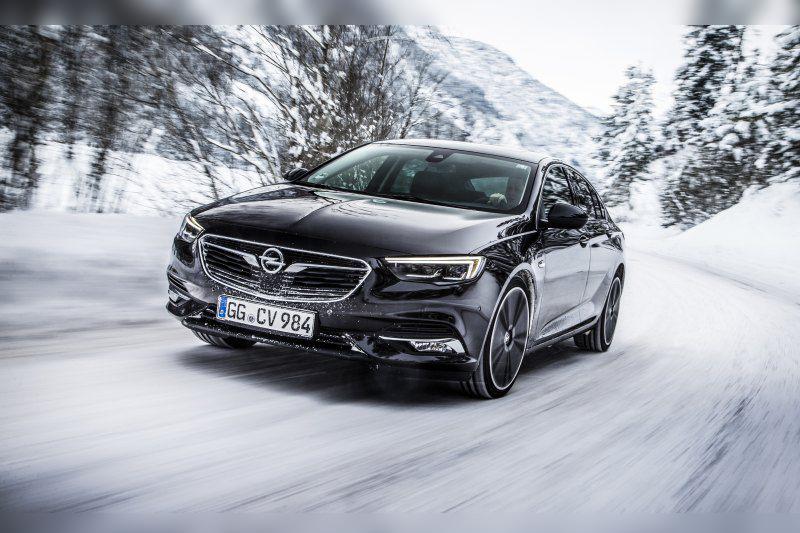
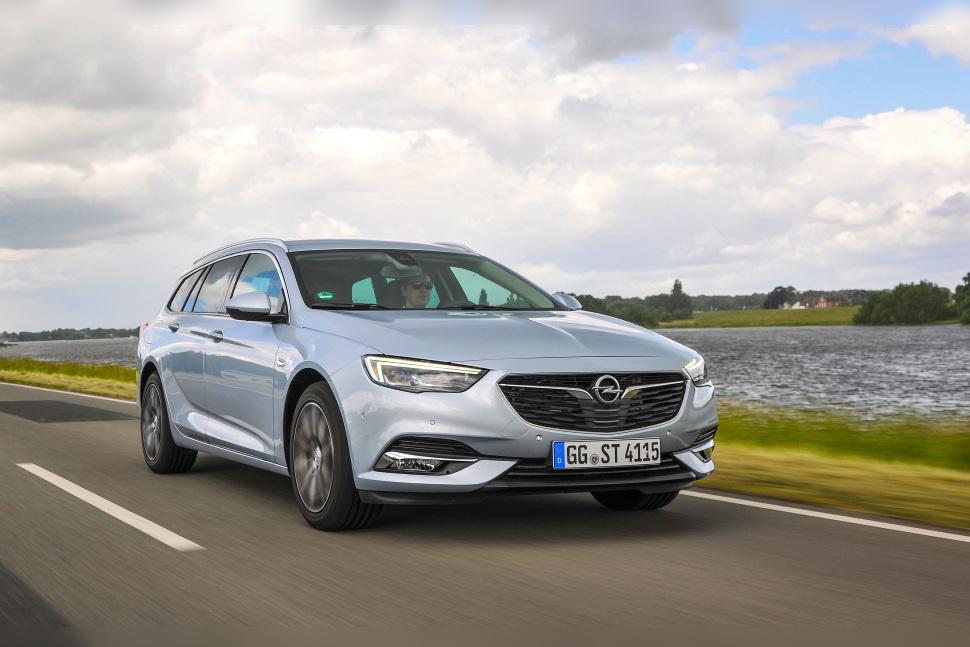
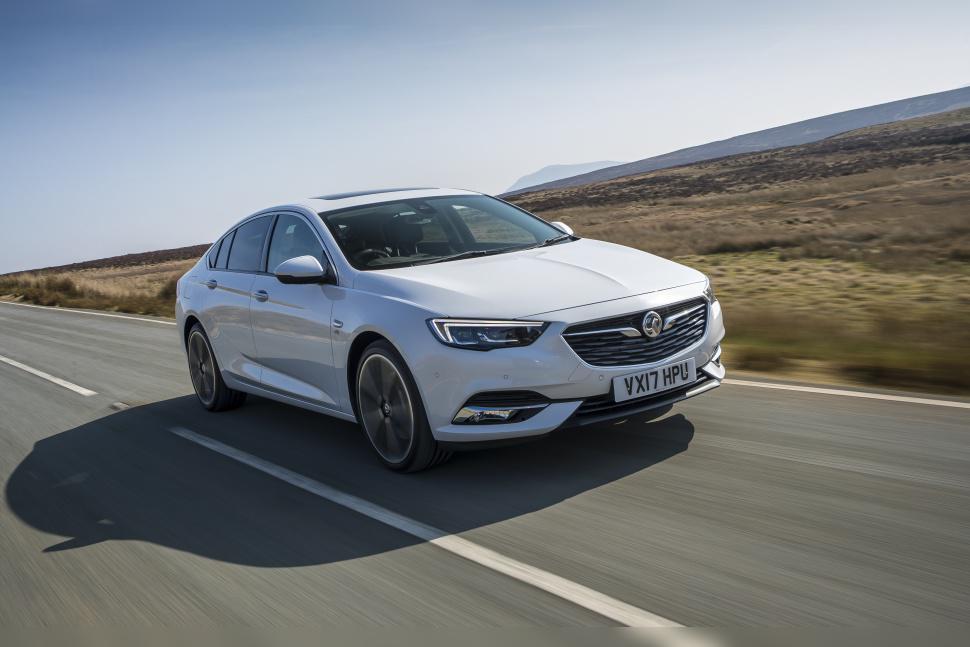
Opel 2.0 CDTI D20DTH (170 hp): Experiences, problems, fuel consumption and used-car buying tips
In short (TL;DR)
- This engine offers an excellent balance of power (170 hp) and high torque (400 Nm), which makes it ideal for heavier bodies such as the Insignia and Zafira.
- The main drive is via a timing belt, but the camshafts are connected by a chain that needs attention during the major service.
- The most common headache for owners is the AdBlue (SCR) system – pump, heater or NOx sensor failures are frequent and repairs are not cheap.
- The DPF filter and EGR valve are prone to clogging if the car is driven mostly in city conditions.
- The Aisin automatic gearbox is very reliable provided the oil is changed every 60,000 km, while the manual gearbox combines durable mechanics with a dual-mass flywheel that has a limited lifespan.
- An excellent highway cruiser with moderate fuel consumption, but city consumption can be noticeably higher due to the vehicle’s weight.
Contents
- Introduction: D20DTH engine overview
- Technical specifications
- Reliability and maintenance
- Specific parts and issues
- Fuel consumption and performance
- Additional options and modifications
- Gearbox and drivetrain
- Buying used and conclusion
Introduction: D20DTH engine overview
When Opel was introducing the new generation of its flagships, especially the Insignia Grand Sport (B) and the refreshed Zafira Tourer, it needed an engine that could cope with strict Euro 6 standards while remaining robust and eliminating the teething problems of its predecessor (such as the infamous oil pump seal on the A20DTH engine). The result is the D20DTH 2.0‑liter engine with 170 hp. This unit is designed for long‑distance highway drivers, offering a high level of comfort, plenty of power in overtaking, and smoother operation compared to older generations of CDTI engines.
Technical specifications
| Parameter | Value |
|---|---|
| Engine displacement | 1956 cc |
| Power | 125 kW (170 hp) |
| Torque | 400 Nm |
| Engine code | D20DTH (often also marked as LFS) |
| Injection type | Common Rail direct injection |
| Charging system | Turbocharger (VGT - variable geometry), intercooler |
Reliability and maintenance
One of the first questions every buyer asks is what drives the timing system. The D20DTH engine uses a combined setup: the main drive from the crankshaft is via a timing belt, while the two camshafts in the cylinder head are connected by a chain. This means that during a major service it is not enough to replace only the belt – a good mechanic must also check the condition of the chain and its tensioner. Rattling on a cold start is a clear symptom of a stretched chain.
According to factory recommendations, the major service is done at around 120,000 to 150,000 kilometers, but in practice (especially because of the chain and harsher driving conditions) it is safest to do it at 100,000 km or at 5 to 6 years of age. This engine takes approximately 5.0 liters of engine oil. A 5W‑30 grade that meets the Dexos 2 specification is strongly recommended (low‑ash oils, crucial for DPF filter longevity).
As for oil consumption, the D20DTH is not known as an “oil burner” like some older petrol engines. Between two minor services (which should be done at a maximum of 15,000 km), it is normal for the level to drop by about 0.2 to 0.5 liters. If you notice that the engine consumes more than a liter of oil from service to service, the problem usually lies in worn piston rings or, more likely, oil leaking past the shaft of the turbocharger.
When it comes to injectors, the Common Rail system in this engine is extremely precise. The injectors show impressive durability and often easily exceed 250,000 km. However, they are very sensitive to poor‑quality diesel fuel. Symptoms of worn injectors include rough idling, increased exhaust smoke and harder starting in winter conditions.
Specific parts, costs and emissions systems
The notorious bottleneck of modern diesels is emissions control, and unfortunately the D20DTH is a textbook example. This engine is equipped with a DPF filter and an EGR valve. If the car is mostly driven in city conditions (short trips where the engine does not reach its operating temperature of 90 °C), the EGR valve will quickly fill with soot and stick, while the DPF will frequently attempt regeneration. Symptoms of a clogged DPF include loss of power, rising oil level in the sump (due to unburned fuel mixing with the oil) and frequent radiator fan operation.
AdBlue system – the engine’s Achilles’ heel
To meet Euro 6 standards, the D20DTH uses an SCR system for reducing nitrogen oxides that relies on AdBlue fluid. This is without doubt the biggest problem with this engine. The pump in the AdBlue tank often fails, as do the heater or the NOx sensors in the exhaust. When the system detects a fault, a message appears on the instrument cluster stating that the engine will not be able to start after a certain number of kilometers (e.g. 800 km). Repair or replacement of AdBlue system components ranges from expensive to very expensive (depending on the market).
The engine has a single turbocharger with variable vane geometry. Its lifespan is excellent if you change the oil regularly and if you have the habit, after more spirited driving, of letting the engine idle for a minute or two so the turbo can cool down. Injection operates at enormous pressure, so replacement of the high‑pressure pump or a full set of injectors, if a failure occurs due to poor fuel, falls into the category of very costly repairs (depending on the market).
Fuel consumption and performance
With its 400 Nm of torque available from around 1750 rpm, this engine is anything but “lazy”. On the contrary, the Insignia and Zafira, although heavy, accelerate smoothly and effortlessly. Unlike the weaker 1.6 CDTI versions, the 170 hp unit does not struggle on uphill stretches under full load.
Real‑world consumption in stop‑and‑go city driving ranges between 7.5 and 9.0 l/100 km, which is understandable given the vehicle mass of over 1.5 tons. However, its true purpose is highway driving. At 130 km/h in top gear, the engine cruises at a very low ~2000 rpm. Cabin noise is very low at that point, and fuel consumption drops to an excellent 5.5 to 6.5 l/100 km.
Additional options and modifications
The D20DTH responds very well to software tuning (chiptuning). A quality Stage 1 remap can safely raise power from 170 hp to around 200–210 hp, and torque to a massive 460–480 Nm. The engine and block can easily handle this, but before remapping you must check the condition of the DPF filter, injectors and clutch (or automatic gearbox), because a sudden increase in torque can shorten the life of a worn dual‑mass flywheel.
Gearbox and drivetrain
Depending on model year and trim level, this engine is paired with a proven 6‑speed manual gearbox or automatic transmissions (in older Zafira versions a 6‑speed, while newer Insignia B models use an excellent 8‑speed Aisin automatic).
Manual gearbox
The manual gearbox (most often the F40 series) is mechanically very robust. However, it comes with a dual‑mass flywheel. The vehicle’s weight and 400 Nm of torque slowly take their toll. The most common symptoms of a worn dual‑mass flywheel are: strong vibrations in the cabin at idle, “thumping” or rattling when switching off the engine without pressing the clutch, and jerking when moving off from a standstill. Replacing the clutch kit together with the dual‑mass flywheel falls into the “very expensive” category (depending on the market).
Automatic gearbox
The 8‑speed Aisin automatic is a real pleasure to drive, being both quick and smooth. The most common failures on automatics arise solely from poor maintenance. Manufacturers often claim that the oil in the gearbox is “lifetime”, which every experienced mechanic knows is a myth. If the oil in the automatic gearbox is not changed regularly, accumulated metal particles destroy the valve body, leading to harsh jolts when shifting from D to R or during gear changes while driving. Gearbox servicing and oil changes must be done every 60,000 km, while in the manual gearbox the oil should be changed at least every 100,000 km to preserve the synchronizers.
Buying used and conclusion
When buying a used car with the D20DTH engine, a “blind” test drive is not enough. What exactly do you need to check?
- Cold start: Ask the seller not to start the car before you arrive. Listen carefully during the first few seconds of operation – any rattling from the engine area indicates a stretched camshaft chain.
- Exhaust and DPF: A finger in the exhaust (when it is cold) should not come out covered in thick, black soot. Soot means that the DPF filter has been smashed, removed or permanently damaged.
- Diagnostics (MANDATORY): Plugging into OBD diagnostics is a must. Check DPF saturation in percent, injector correction values and the fault history related to the AdBlue system (sellers often clear the errors right before the buyer arrives, so they need to be looked for in the deeper memory).
- Flywheel and gearbox: On automatics, pay attention to how smoothly it shifts on an uphill; on manuals, be sure to listen for noises when pressing and releasing the clutch pedal.
Conclusion: Opel’s 2.0 CDTI (D20DTH) with 170 hp is a serious workhorse, designed to effortlessly pull large and heavy vehicles across continents. It is intended for drivers who cover high annual mileages and whose driving is mostly on open roads and highways. If you need a car mainly for commuting through morning city traffic, avoid this engine – the DPF, EGR and AdBlue systems will very quickly punish you with high repair bills due to the inability to perform proper regeneration.