Engine 1.6 CRDi D4FB (128 hp): Experiences, problems, fuel consumption and used-car buying tips
Key points in short (TL;DR)
- Timing system: Uses a reliable chain, so there is no classic “major service” at fixed intervals.
- Injection system: Bosch injectors are extremely durable and rarely cause issues if quality fuel is used.
- Weak spots: The EGR valve and DPF filter are prone to clogging if the car is driven exclusively on short city trips.
- Maintenance: Requires high-quality synthetic oil (5W-30 ACEA C3) due to the DPF filter and sensitive turbocharger.
- Dual-mass flywheel: Present in most 128 hp models; replacement cost ranges from moderate to high (depends on the market).
- Performance: Optimal balance between power and fuel consumption; it’s not “lazy” even in heavier body styles like the i30 wagon or Cee’d SW.
Contents
- Introduction: A Korean diesel tailored for the European driver
- Technical specifications
- Reliability and maintenance
- Specific parts and costs
- Fuel consumption and performance
- Additional options and modifications
- Gearbox and power delivery
- Buying used and conclusion
Introduction: A Korean diesel tailored for the European driver
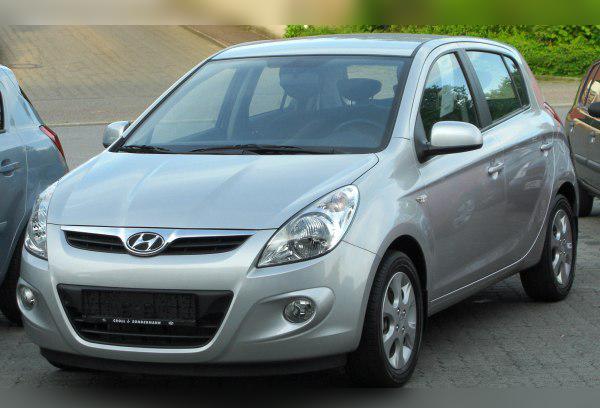
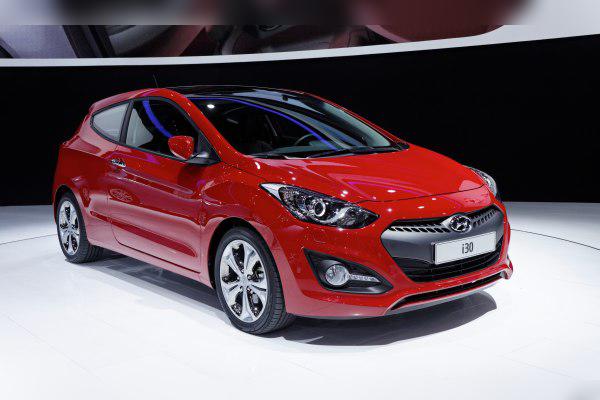
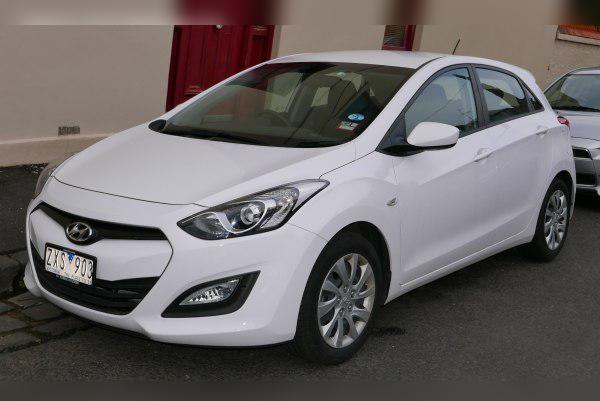
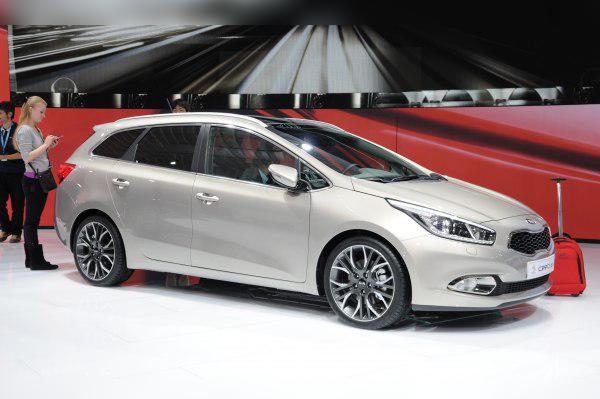
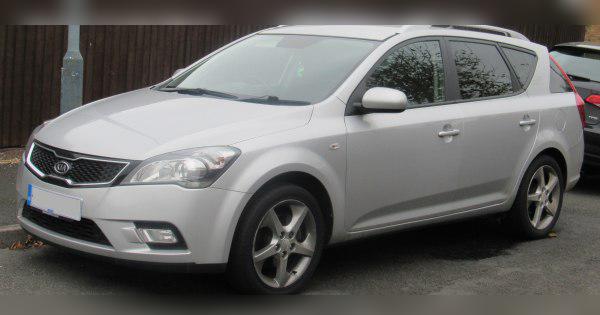
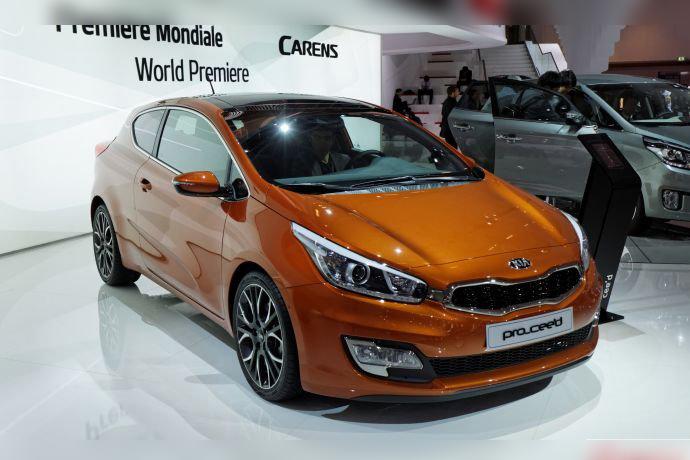
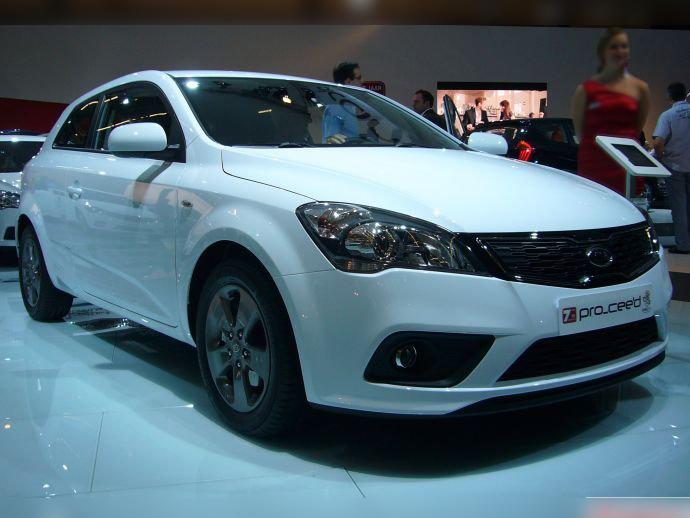
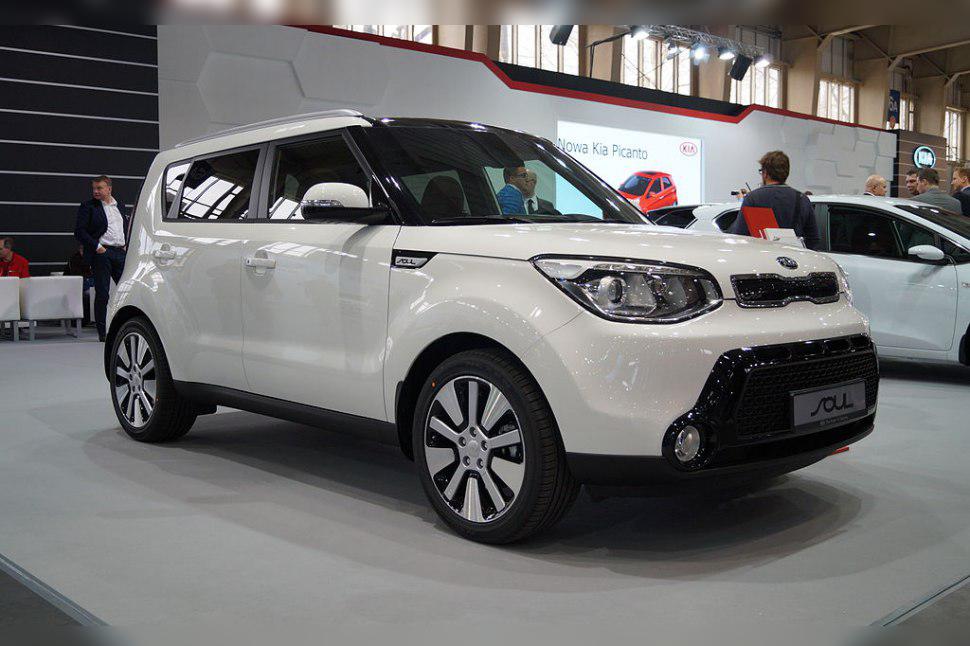
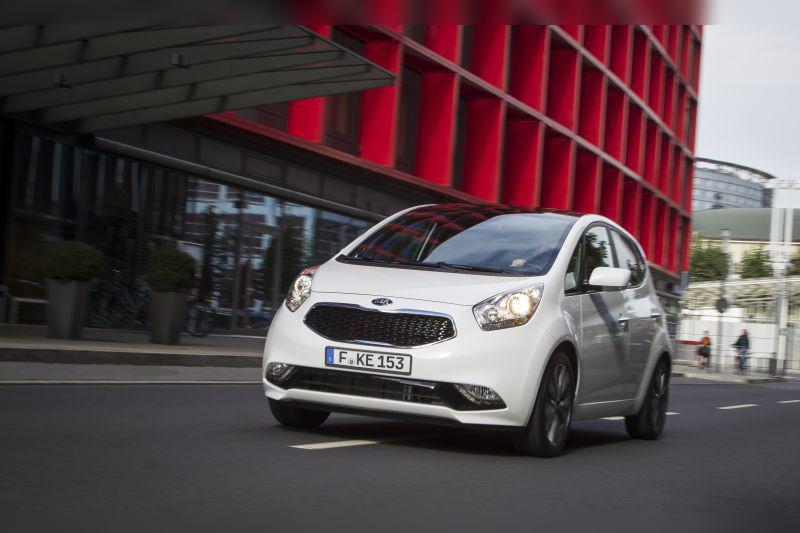
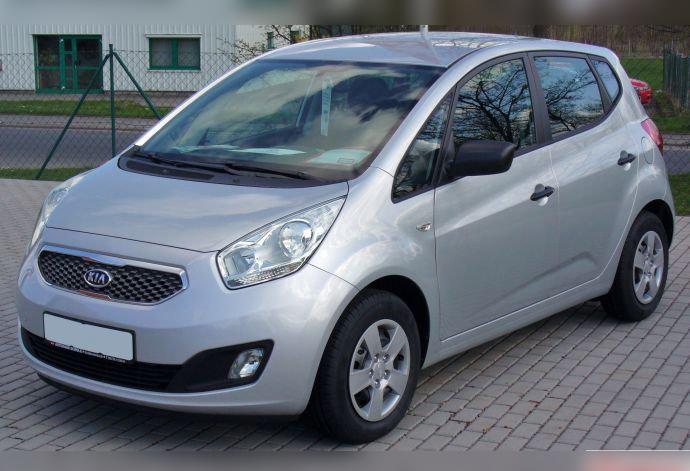
The 1.6 CRDi engine with code D4FB and 128 hp is one of the most important powerplants in the history of the Hyundai and Kia group. Developed at the R&D center in Germany, this engine was designed with a clear goal: to win over buyers from the dominant European diesels. It was installed in a wide range of vehicles, from the city Hyundai i20, through popular compacts like the i30 and Kia Cee’d, all the way to more specific models such as the Kia Soul and Venga. Over years of use, this engine has earned a reputation as a “workhorse” – an engine that, with regular maintenance, can easily cover huge mileages.
Technical specifications
| Parameter | Specification |
|---|---|
| Engine displacement | 1582 cc |
| Engine power | 94 kW (128 hp) |
| Torque | 260 Nm |
| Engine code | D4FB |
| Injection type | Common Rail (Bosch) |
| Charging system | Turbocharger (VGT with variable geometry), intercooler |
Reliability and maintenance
Timing chain or belt?
This engine uses a timing chain for the valve timing system. This is great news for owners, as the chain significantly reduces maintenance costs over the first few hundred thousand kilometers. Unlike a timing belt that can snap without warning, the chain on the D4FB engine usually first “stretches” and starts rattling (most often on cold start) before it causes any serious damage. In practice, the chain easily lasts over 200,000 km, and often much more, provided the oil has been changed regularly.
Most common failures
The D4FB engine is mechanically very robust, and failures of the crankshaft or cracking of the cylinder head are extremely rare. The most common problems come from the emission-control systems and peripherals. The EGR valve tends to accumulate soot, which results in jerking under acceleration and a loss of power (the Check Engine light comes on). Also, due to dirt build-up in the intake manifold, the engine can lose some of its elasticity. Occasionally, issues occur with the fuel pressure sensor on the common rail, which can cause the engine to stall while driving or make starting difficult.
Major service
Since the engine has a chain, there is no classic “major service” at a set mileage (e.g. at 100,000 km). However, it is recommended to replace the auxiliary (serpentine) belt, tensioner, idler pulleys and water pump every 100,000 to 120,000 km. The condition of the chain should be checked via diagnostics (camshaft-to-crankshaft angle) and by listening for noise after around 200,000 km.
Engine oil and oil consumption
The oil sump of this engine holds exactly 5.3 liters of oil. It is mandatory to use fully synthetic oil of grade 5W-30 that meets the ACEA C3 standard. This standard is critical because it denotes “Low SAPS” oil with reduced ash content, which does not clog the DPF filter. A healthy D4FB engine should not consume a significant amount of oil between changes (every 10,000–15,000 km). Consumption of 200 to 500 ml from service to service is normal, mainly due to evaporation and lubrication of the turbo shaft. If the engine suddenly starts using more than 1 liter per 10,000 km, suspicion falls on the piston rings or worn valve stem seals, although a failing turbo is the more common cause.
Injector longevity
The injection system is supplied by the renowned manufacturer Bosch. The injectors on this engine have proven to be excellent. With proper diesel fuel and regular fuel filter changes, the injectors can last over 250,000 km. When they start to fail, the driver will notice rough idling, an increased “knocking” sound from a cold engine, black smoke when pressing the accelerator (due to excessive fuel) and higher fuel consumption.
Specific parts and costs
Dual-mass flywheel
Yes, the 128 hp version, thanks to its solid 260 Nm of torque, is equipped with a dual-mass flywheel (especially when paired with the 6-speed manual gearbox). Its job is to dampen diesel engine vibrations and protect the gearbox. Replacing the clutch kit and dual-mass flywheel is inevitable on used cars and usually comes due between 150,000 and 200,000 km. The cost of this job ranges from moderate to high (depends on the market), but is in line with the class average.
Turbocharger
The engine uses a variable geometry turbocharger (VGT). The vanes in the turbo adjust so that the engine pulls well from low revs. The typical lifespan of the turbo is over 200,000 km. Its biggest enemies are poor-quality oil and shutting off a very hot engine immediately after hard driving on the motorway (the oil in the turbo then burns and forms coke deposits). Turbocharger overhaul prices are now quite reasonable and are considered routine maintenance – not particularly expensive (depends on the market).
DPF filter and EGR valve
All 128 hp models meet the Euro 5 standard (some even higher), which means they have a DPF (diesel particulate filter) and an EGR valve. The DPF requires specific conditions for regeneration: driving at constant revs (around 2500 rpm) for at least 20 minutes. Stop-and-go city traffic interrupts these processes, which leads to a rise in oil level in the sump (due to unburned fuel running down the cylinder walls) and complete clogging of the filter. Cleaning the DPF at specialized workshops solves the problem and is not overly expensive (depends on the market).
AdBlue system
Versions of the D4FB engine with 128 hp (mostly Euro 5 compliant) do not have an AdBlue system (SCR technology). This is a big relief for owners, as AdBlue pumps, injectors and tanks on newer Euro 6 vehicles often cause serious headaches and extremely high repair costs. The absence of this system makes this engine much cheaper to maintain in the long run.
Fuel consumption and performance
City driving
In heavy city traffic, with constant stopping and cold starts, real-world fuel consumption is between 6.5 and 7.5 l/100 km. Installing this engine in heavier vehicles (e.g. Kia Carens, Venga or i30 wagon) combined with an automatic gearbox can push this figure towards 8.5 liters, which is still acceptable.
Performance relative to body style
With its 128 hp and 260 Nm, this engine delivers excellent performance and can by no means be called “lazy”. In the Hyundai i20, it turns the car into a real pocket rocket. In compact models (Cee’d, i30) it provides confident overtaking even when fully loaded. Only in “boxier” models like the Kia Soul, at higher speeds, does aerodynamics take its toll, so the engine feels slightly more strained due to the increased air resistance.
Motorway behavior
This powerplant really shines on the open road. Thanks to the well-geared six-speed gearbox, at 130 km/h the engine cruises at a very relaxed 2500 to 2600 rpm. At this speed, cabin noise is minimal and fuel consumption is around a modest 5.5 l/100 km.
Additional options and modifications
Remapping (Stage 1)
This engine responds very well to mild software tuning (chiptuning / Stage 1). Thanks to the strong factory reserve, it can safely be taken to around 155–160 hp and about 320 Nm of torque. The limiting factor here is not the engine internals (pistons and crankshaft), but the clutch and dual-mass flywheel. Tuners usually “smooth out” the map so that torque does not hit too hard at low revs in order to protect the flywheel. After a Stage 1 remap, drivers report a noticeably better throttle response and easier overtaking, while fuel consumption in normal driving remains the same or even drops slightly.
Gearbox and power delivery
Types of gearboxes and failures
With the 1.6 CRDi 128 hp engine, the following were fitted:
1. Six-speed manual gearbox: Extremely reliable and precise. Failures are rare, and if the gearbox is stiff when engaging first or second gear, the problem is usually worn synchros due to rough handling by a previous owner or a worn clutch that no longer fully disengages.
2. Conventional automatic gearbox (torque converter): These torque-converter automatics (usually 6-speed) are very durable if maintained properly. If a fault does occur, it usually shows up as jerks during shifting (harsh engagement), caused by a clogged valve body (solenoids) due to old oil full of metal particles.
Gearbox servicing
Although the manufacturer often states that the oil in the manual gearbox is “lifetime”, any experienced mechanic will tell you to replace it every 100,000 km. The cost of the oil is negligible, and it protects the bearings and synchros. For the automatic gearbox, things are much more serious: oil changes are mandatory every 60,000 km. Only a so-called “dynamic” oil change should be done, where a machine flushes all the old oil out of the torque converter and cooler under pressure, after which the filter is replaced. If this is neglected, a full automatic gearbox overhaul becomes very expensive (depends on the market).
Buying used and conclusion
What to check before buying?
When buying a car with the D4FB engine, pay attention to the following:
- Cold start: Ask the seller not to start the car before you arrive. On the first start, listen carefully to the right side of the engine. If you hear a metallic rattling sound that lasts a few seconds and then disappears, the chain and tensioner are due for replacement.
- Clutch condition: On a manual gearbox, if the clutch pedal bites very high, is stiff, or you feel strong vibrations at idle that disappear when you press the clutch – the dual-mass flywheel and clutch kit are near the end of their life.
- Exhaust smoke: Any blue or thick black smoke when pressing the accelerator is a red flag (turbo, injectors). Due to the DPF filter, the inside of the exhaust should be fairly clean and free of black soot.
- Diagnostics: ALWAYS connect the car to diagnostics and check the DPF saturation (ash mass value), as well as injector correction values.
Final verdict
The 1.6 CRDi D4FB (128 hp) engine is one of the smartest choices in the used diesel segment. In terms of reliability, it can stand shoulder to shoulder with the famous European 1.6 TDI or 1.6 HDi engines, and often surpasses them when it comes to timing chain and injection system longevity. This engine is intended for drivers who cover serious mileage, often travel on open roads and want a long-lasting car with reasonable maintenance costs. If your driving consists exclusively of trips up to 3 kilometers in the city, avoid this (and any other) modern diesel, as you will suffer from EGR valve and DPF filter issues. In every other scenario, this Korean diesel fully deserves a strong recommendation.