Hyundai and Kia 1.4 CRDi (D4FC) engine: Experiences, issues, fuel consumption and used-car buying tips
Key points in short (TL;DR):
- No dual-mass flywheel: Most 90 hp versions are fitted with a simple, solid flywheel, which drastically reduces maintenance costs.
- Timing chain instead of belt: The engine uses a timing chain which is generally long-lasting, but should be checked after 200,000 km.
- Reliable injection system: Bosch injectors and pump have proven to be very durable, covering serious mileage without major issues.
- Sensitive EGR and DPF: Like any modern diesel, it “chokes” in exclusively city driving, which leads to clogging of the EGR valve and DPF filter.
- No AdBlue system: You are spared from potentially expensive failures of the exhaust aftertreatment system.
- Performance depends on body style: Excellent for the i20 or Rio, but rather “sluggish” in heavier models such as the i30 wagon or Cee'd SW.
Contents
- Introduction: Why is the D4FC important?
- Technical specifications
- Engine reliability and maintenance
- Specific parts and costs
- Fuel consumption and driving performance
- Additional options and chip tuning
- Gearbox and clutch
- Buying used and conclusion
Introduction: Why is the D4FC important?
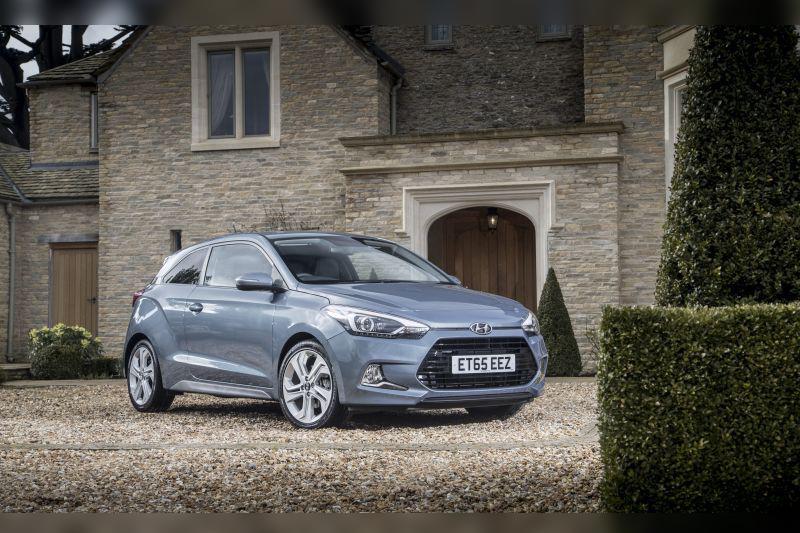
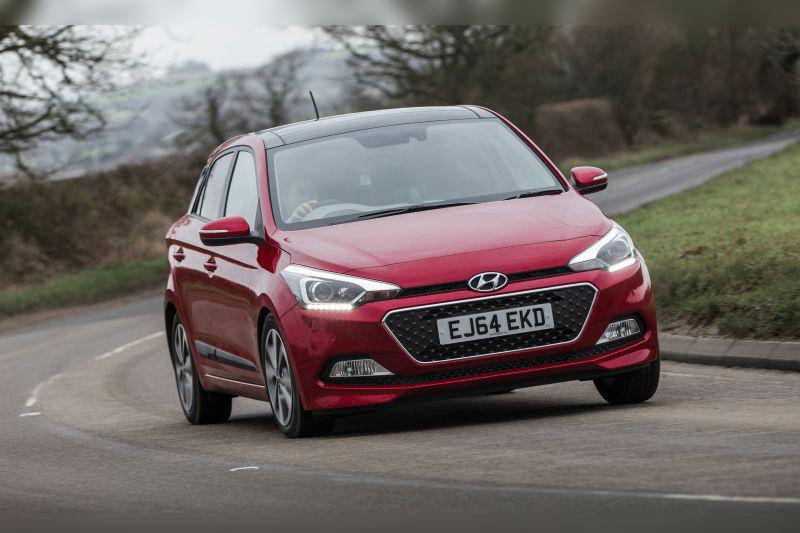
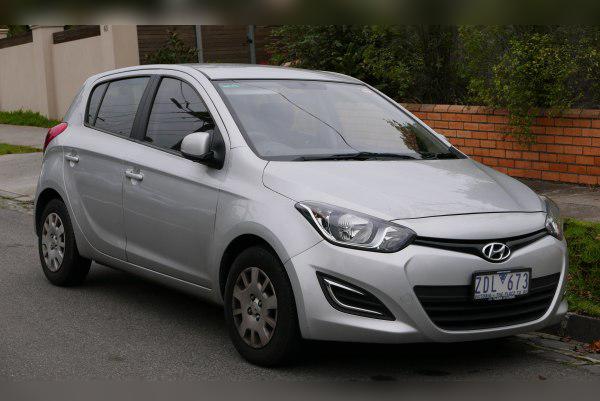
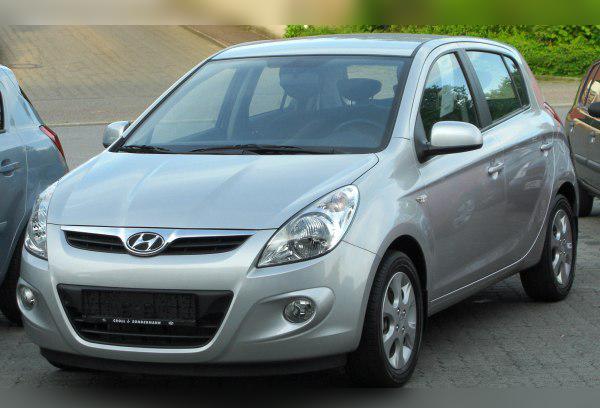
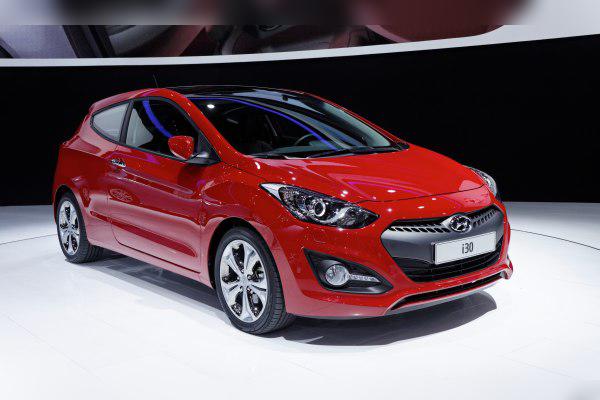
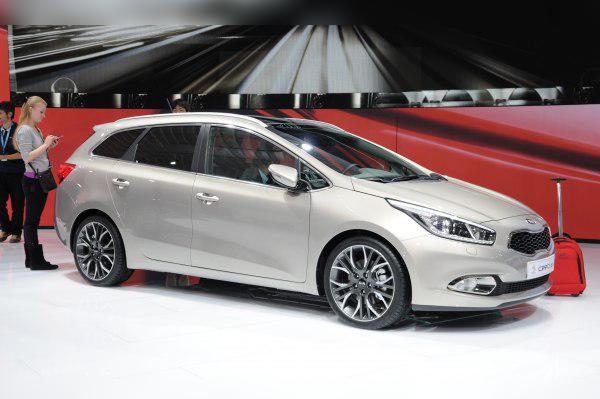
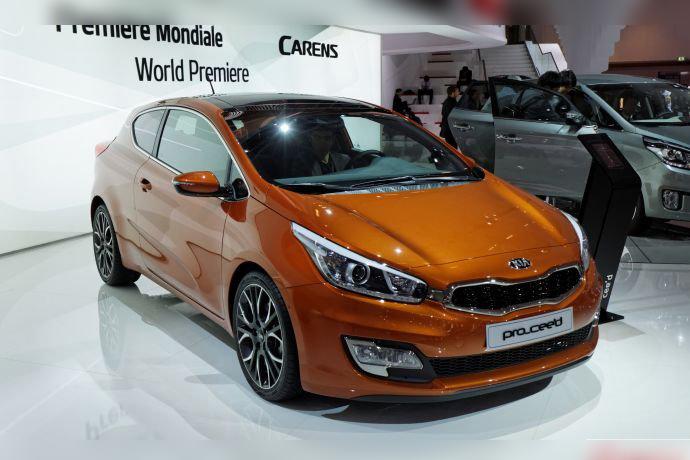
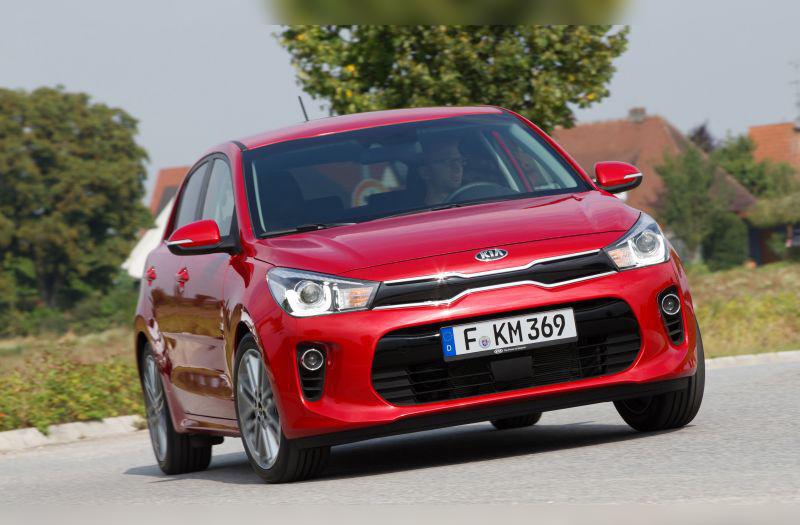
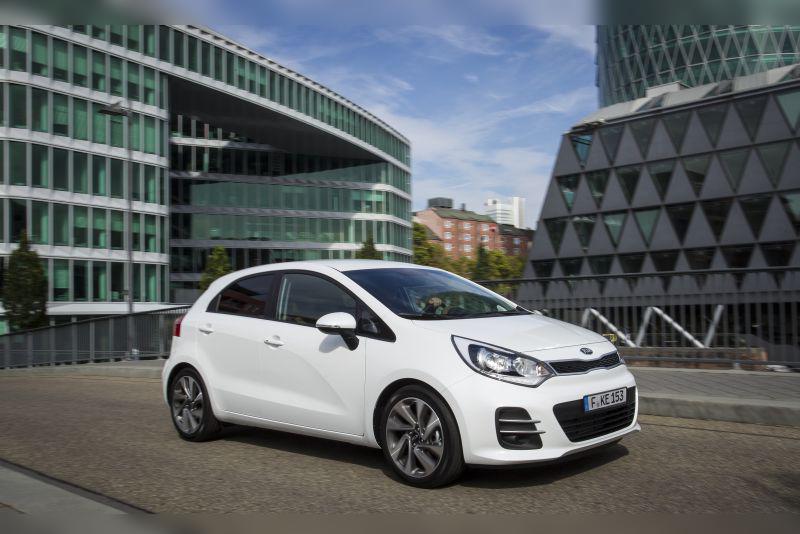
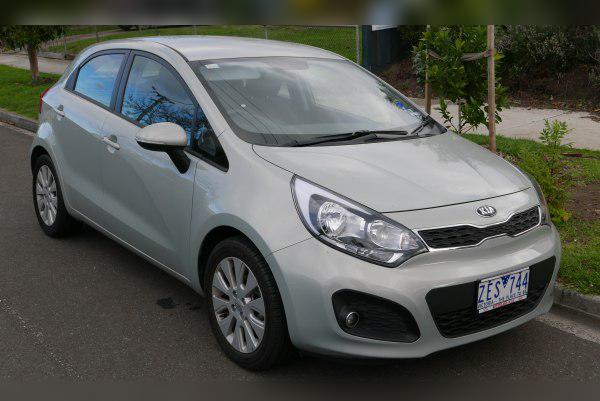
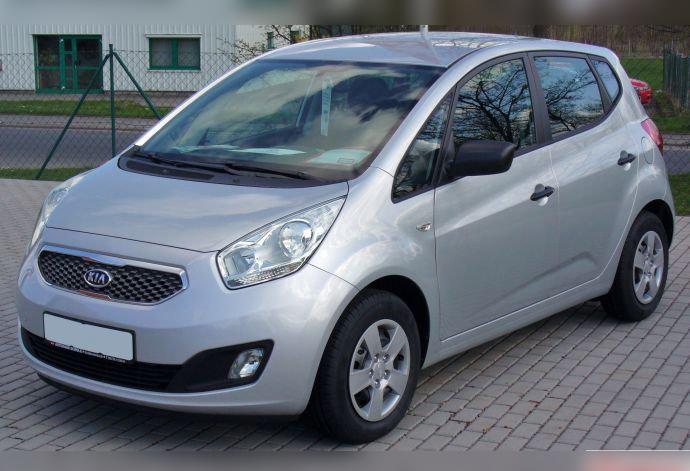
The engine designated as D4FC is part of Hyundai/Kia’s U2 generation of diesel engines. Its 1.4-liter displacement and 90 hp output (with 220 Nm of torque) made it an ideal solution for a wide range of vehicles – from city cars such as the Hyundai i20 and Kia Rio, through the practical Venga, all the way to family hatchbacks and wagons like the Hyundai i30 and Kia Cee'd.
Why is this engine so highly regarded among mechanics? Above all, the engineers managed to create a compact unit that delivers solid torque while demanding very modest maintenance. If you are looking for a diesel that will not leave you stranded and will not bankrupt you when service time comes, the D4FC is one of the best candidates on the used-car market.
Technical specifications
| Specification | Data |
|---|---|
| Engine displacement | 1396 cc |
| Power | 66 kW (90 hp) |
| Torque | 220 Nm |
| Engine code | D4FC (U2 generation) |
| Fuel type | Diesel (Common Rail) |
| Induction type | Turbocharger with intercooler |
Engine reliability and maintenance
Timing belt or chain?
This engine uses a timing chain. Unlike engines with a timing belt, where replacement intervals are strictly defined by years or mileage, the chain on the D4FC is designed to last a very long time. However, in practice the chain can stretch slightly after 200,000 to 250,000 km, which is noticeable as rattling on a cold start (for the first few seconds until the tensioner gets oil pressure).
Major service and common failures
Since the engine uses a chain, there is no classic “major service” in the traditional sense. However, the auxiliary (micro) belt set, with rollers, tensioner and water pump, is usually replaced preventively at around 120,000 to 150,000 km. The timing chain itself is replaced only when it starts to make noise, and that job is priced in the mid-range (depends on the market).
As for the most common failures on the block and cylinder head themselves, the D4FC is very reliable. The only thing that can cause trouble are the glow plugs, which tend to seize in the head over time. If they are not replaced carefully, they can break while being unscrewed. Also, minor oil sweating is noticeable on the valve cover gasket after higher mileage, but this is an aesthetic rather than a mechanical problem.
Oil and oil consumption
This unit takes exactly 5.3 liters of engine oil. The manufacturer recommends fully synthetic oil of 5W-30 with ACEA C3 specification (mandatory because of the DPF filter). Oil must be changed every 10,000 to a maximum of 15,000 km. As for oil consumption, this engine is not known for “drinking” oil. It is normal for it to consume up to 0.5 liters between services. If it uses more than one liter per 10,000 km, it is time to check the piston rings, valve stem seals or the condition of the turbocharger.
Specific parts and costs
Dual-mass flywheel and clutch
Here we come to one of this engine’s biggest advantages. The vast majority of 90 hp D4FC engines (unlike the more powerful 1.6 CRDi variants) left the factory paired with a solid (conventional) flywheel. This means no risk of the notorious dual-mass flywheel knocking at idle and no expensive repairs. Replacing a standard clutch kit (pressure plate, disc, release bearing) is not expensive (depends on the market), which makes this car a fantastic choice for drivers on a tight budget. Note: Some specific versions on certain markets or with Start-Stop systems (ISG) may have a dual-mass flywheel, so checking via the VIN is always good practice.
Injectors, fuel system and turbocharger
The injection system is Bosch Common Rail. The injectors are extremely high quality and, provided you use clean fuel and change the fuel filter regularly, they can easily exceed 250,000 km. When the injectors wear out, symptoms include rough idle (the engine “stumbles” or shakes), harder starting and black smoke from the exhaust. Fortunately, Bosch injectors can be overhauled successfully and at a reasonable cost (depends on the market).
The turbocharger on these engines is of simpler design (often with fixed geometry and a wastegate valve on lower-output versions, while newer U2 generations use VGT). The turbine’s lifespan exceeds 200,000 km if oil is changed on time and if the driver does not switch off a hot engine immediately after aggressive driving (it should be left idling for a few dozen seconds so the turbo can cool down).
DPF, EGR and AdBlue system
The engine is equipped with a DPF filter (diesel particulate filter) and an EGR valve. If you drive the car 90% of the time in city traffic, you can be sure that problems will arise. The EGR valve becomes clogged with soot, resulting in loss of power and jerking at low revs. The DPF filter requires driving on open roads (over 2500 rpm for at least about 20 minutes) to perform passive regeneration. If the DPF warning light comes on, you must take the car out on the highway.
The great news is that this engine DOES NOT have an AdBlue system, so you do not have to worry about failing pumps, heaters and urea tanks, which are a plague on many newer diesels.
Fuel consumption and driving performance
This is not a sporty engine, and you need to know that before buying. In city driving, fuel consumption ranges from 5.5 to 6.5 l/100 km, depending on how heavy your right foot is and how bad the traffic is.
In B-segment models (Hyundai i20, Kia Rio), 90 hp and 220 Nm perform quite well. The engine feels lively in the city and pulls easily. However, in C-segment bodies (Hyundai i30, Kia Cee'd, especially SW/CW wagons), the engine can be distinctly “sluggish”. When overtaking on country roads, you will need to shift down and carefully judge the available space, especially if the car is fully loaded with passengers and luggage.
On the motorway: Thanks to the 6-speed gearbox, cruising at 130 km/h usually happens at around 2500 to 2600 rpm. Fuel consumption then rises slightly (because the small engine is fighting aerodynamic drag) and is around 6.0 l/100 km. Sound insulation is decent, but above 130 km/h the engine is clearly audible in the cabin.
Additional options and modifications
Since the engine is “detuned” in stock form for the sake of reliability and emissions, chip tuning (Stage 1) is very popular. Power can safely be raised from 90 hp to about 115 to 120 hp, and torque from 220 Nm to 250–260 Nm.
Such remapping noticeably improves throttle response and eliminates that feeling of “sluggishness” in heavier body styles, while fuel consumption under moderate driving remains the same or can even drop slightly. Of course, increasing power is recommended only if the turbo, clutch and DPF are in perfect condition.
Gearbox: Maintenance and failures
This engine was most commonly paired with a six-speed manual gearbox (code M6CF1). Less often, mainly in older versions or specific trim levels, you may find an older 4-speed automatic, while the more advanced 7DCT gearboxes are reserved for the more powerful 1.6 units.
Manual gearbox failures: The mechanicals are very reliable. Drivers sometimes report slight resistance when engaging first gear or reverse. This is most often caused by a worn clutch kit that does not fully disengage, or by old oil in the gearbox, and less frequently by worn synchros.
Gearbox service: Although the manufacturer often claims that the oil in the manual gearbox is “lifetime”, experienced mechanics know this is not true. The oil in the manual gearbox should be changed every 60,000 to 80,000 km. High-quality synthetic oil with 75W-85 GL-4 specification is used. If you find a car with a conventional automatic, changing the oil in it is absolutely mandatory every 60,000 km; otherwise, expensive valve body failures will follow.
Buying used and conclusion
What to check before buying?
- Cold start: Ask the seller not to start the car before you arrive. Stand by the bonnet and have them start it. If you hear metallic rattling or scraping from the front of the engine that lasts longer than a few seconds, the chain is due for replacement.
- Exhaust and DPF: Wipe the inside of the exhaust tip with your finger. If the exhaust is completely black and sooty (like on old diesels), it means the DPF filter has been punctured, removed or its ceramic core is damaged. With a healthy DPF, the exhaust tip should be almost completely clean.
- Diagnostics: Always connect an OBD scanner and check the DPF soot/ash load (ash volume) and injector correction values at idle.
- Engine sweating: Check the joint between the valve cover and the head, and the area around the injectors. The so-called “black death” (coking around injectors due to leaking sealing washers) happens here less often than on some European diesels, but it is still possible.
Conclusion
The Hyundai/Kia 1.4 CRDi (D4FC) is an old-school engine wrapped in modern packaging. Who is it for? It is aimed at drivers who want a rational, durable and economical daily car, without having to worry about extremely expensive parts such as a dual-mass flywheel or AdBlue system sensors.
If motorway performance is not your top priority and you cover a decent annual mileage in a mix of city and open-road driving, this small U2 diesel is one of the safest choices you can make on the used-car market.