Engine 1.6 CRDi D4FE (115 HP): Experiences, problems, fuel consumption and used-car buying tips
Key points in short (TL;DR)
- Major change: Unlike older generations of 1.6 CRDi engines, this “Smartstream” (D4FE) uses a timing belt, not a chain.
- Efficiency: Extremely low fuel consumption, on average around 5.5 l/100 km, excellent for motorway driving.
- AdBlue system: Equipped with an SCR catalyst (AdBlue) that can cause headaches with sensors and the pump.
- Dual-mass flywheel: Present in most versions, and its replacement is a serious expense, especially with DCT automatic gearboxes.
- City driving: DPF and EGR valves are sensitive to short trips; this is not an engine for exclusively stop-and-go traffic.
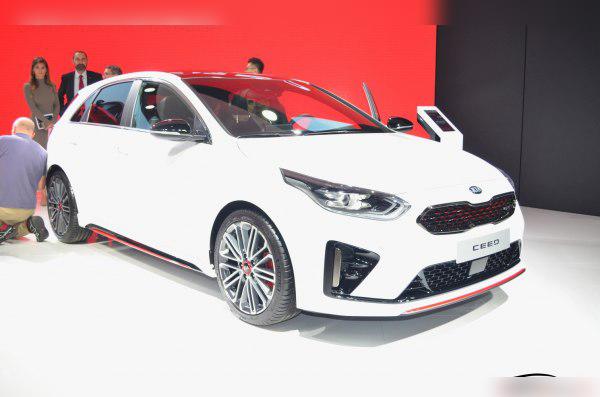
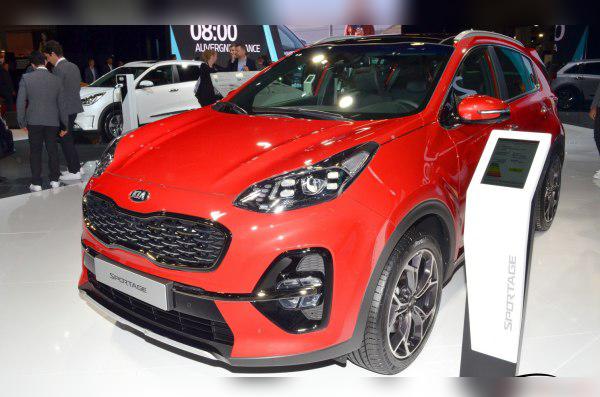
- Performance: Excellent and agile in smaller models (i30, Ceed), but may feel slightly “sluggish” in heavier SUVs like Tucson and Sportage before the turbo spools up.
Contents
- Introduction: Meet the Smartstream D4FE
- Technical specifications
- Reliability and maintenance
- Specific components and systems
- Fuel consumption and performance
- Additional options and modifications
- Gearbox and power delivery
- Buying used and conclusion
Introduction: Meet the Smartstream D4FE
When you hear 1.6 CRDi, you probably immediately think of the old “U2” engine generation that has covered hundreds of thousands of kilometres in taxis all over Europe, with that distinctive timing chain sound. However, the code D4FE marks a completely new era – the so‑called Smartstream family. Installed from 2018 onwards (through various facelifts), this engine was designed with one goal: to meet strict Euro 6d‑Temp and Euro 6d standards. To achieve this, engineers lightened the block, changed the timing drive and added advanced exhaust after‑treatment systems. The result is a smoother, quieter, but also mechanically more complex unit.
Technical specifications
| Parameter | Specification |
|---|---|
| Displacement | 1598 cc |
| Power | 85 kW (115 HP) |
| Torque | 280 Nm (at 1500 – 2750 rpm) |
| Engine code | D4FE (Smartstream D 1.6) |
| Injection type | Direct (Common Rail) |
| Charging | Turbocharger (VGT), intercooler |
Reliability and maintenance
Does this engine have a timing belt or a chain?
As already mentioned, this is a shock for many Korean‑car enthusiasts: the D4FE uses a timing belt. Engineers ditched the chain to reduce friction and engine noise. This is a modern, highly durable belt, but unlike a chain which (theoretically) lasts until it stretches and starts rattling, the belt requires strict adherence to replacement intervals to avoid snapping and catastrophic damage when valves and pistons collide.
At what mileage should the major service be done?
Although the manufacturer in some conditions lists extremely long intervals, real‑world workshop practice says otherwise. The major service (replacement of timing belt, tensioner, idler pulleys and water pump) should be done at 120,000 to a maximum of 150,000 km or every 5 to 6 years, whichever comes first. The cost of the major service is average for this class – not cheap, but not extremely expensive either (depends on the market).
Oil: quantity, grade and consumption
The sump of this engine takes exactly 4.4 to 4.7 litres of oil (depending on the filter and line capacity). The manufacturer primarily recommends 0W‑20 ACEA C5 synthetic oil to minimise fuel consumption (for emissions). If the vehicle has higher mileage, many mechanics switch to 5W‑30 ACEA C3 (C3 is mandatory because of the DPF filter!).
As for oil consumption, the D4FE is very well sealed. From service to service (every 15,000 km or once a year), the drop in oil level on the dipstick is minimal. Consumption of about 0.2 to 0.5 litres per 10,000 km is considered completely normal. If the engine uses more than a litre between services, the problem is usually valve stem seals or leakage in the turbo.
How long do the injectors last and how do they hold up?
The injection system on this engine is very refined. Injectors last a long time, often over 200,000 to 250,000 km with good‑quality fuel and regular fuel filter changes. When injectors start to fail, symptoms include hard cold starts, rough idle (the engine “stumbles”), black smoke under full throttle (if the DPF can’t catch everything) or a characteristic clicking sound (like a sewing machine) under acceleration.
Specific components and systems (costs)
Does this engine have a dual‑mass flywheel?
Yes, the D4FE engine has a dual‑mass flywheel, regardless of whether it is paired with a manual or an automatic gearbox. Its purpose is to dampen torsional vibrations, which this diesel has in abundance at low revs. Replacement (clutch kit + flywheel) is expensive to very expensive (depends on the market), so when buying used you should always listen for “knocking” when switching the engine off or harsh shuddering when moving off from a standstill.
Turbocharger and injection
It is equipped with a single VGT turbocharger (variable geometry turbo). The turbo’s lifespan follows that of the engine (easily over 200,000 km) if you change the oil on time and don’t switch off a hot engine immediately after hard motorway driving. Oil leaking into the intake is the most common sign that the turbo is ready for overhaul.
Emissions: DPF, EGR and AdBlue – the Achilles’ heel of modern diesels
This is where we come to the most sensitive points:
- EGR valve: Often clogs with soot if the car is constantly choked in city traffic. Symptoms are jerking and loss of power, along with a “Check Engine” light.
- DPF filter: If you keep interrupting regenerations (short‑distance driving), fuel can end up in the sump and raise the oil level. That destroys the crankshaft bearings.
- AdBlue system (SCR): To meet the standards, the engine uses AdBlue. The system is extremely prone to failures – level sensors in the tank or the urea pump often fail. When that happens, a warning appears on the dash that, for example, in 800 km you won’t be able to start the car. The repair (often involving replacement of the entire tank) is very expensive (depends on the market).
Fuel consumption and performance
Real‑world city consumption
This is the real trump card of the Smartstream engine. In city driving conditions (in i30 or Ceed models), real‑world consumption is around 5.5 to 6.5 l/100 km. In SUV models (Tucson/Sportage) add about 1 litre more due to higher weight and poorer aerodynamics.
Is it “sluggish”?
It depends on which vehicle it is in. With 115 HP and 280 Nm, in an i30 or Kia Ceed the engine is very agile, easily pulls uphill and you won’t feel a lack of power in everyday driving. However, if you’re buying this unit in a Tucson or Sportage, expect slight “sluggishness”, especially when overtaking on country roads with a fully loaded car and cabin full of passengers.
Behaviour on the motorway
This is an engine born for cruising. At 130 km/h, depending on the gearbox, it spins at a comfortable 2,200 to 2,400 rpm. The cabin is very quiet, and at that speed fuel consumption rarely exceeds 6 l/100 km.
Additional options and modifications
Remapping (Stage 1)
Because the engine block and turbo have a good power reserve, this engine is often and safely remapped (chipped). A Stage 1 software tune usually raises it from 115 HP to about 140–150 HP, and torque increases to an impressive 330–340 Nm. The car becomes noticeably quicker off the line and copes more easily with body weight in SUV versions. Note: This modification must be done by a reputable tuner, because excessive enrichment of the mixture leads to rapid DPF clogging.
Gearbox: manual and DCT
Types of gearboxes and common failures
This engine is paired with a 6‑speed manual gearbox or a 7‑speed DCT automatic dual‑clutch gearbox (DCT – Dual Clutch Transmission).
- Manual gearbox: Very reliable and precise. Failures are rare and mostly come down to normal wear of the clutch disc and release bearing.
- 7‑speed DCT: Unlike more powerful engines that use wet clutches, here the clutches are dry. The most common issue is juddering when moving off from a standstill or when shifting between first and second gear (frequent stop‑and‑go driving in traffic jams accelerates clutch wear and overheating). Mechatronic failures are possible, and replacing the set of dry clutches is an expensive job (depends on the market).
Servicing the gearbox
On the manual gearbox, the oil should be preventively changed every 80,000 to 100,000 km. On the 7‑speed DCT, although many claim it is “sealed for life”, in practice the oil in the gear section should be changed every 60,000 km to preserve the bearings, and it is also necessary to periodically perform software clutch calibration via diagnostics.
Buying used and conclusion
What to check before buying?
- Cold start: Start a completely cold car. Listen for a chain (if the seller has incorrectly advertised an older model) or the sound of the dual‑mass flywheel (metallic knocking from the gearbox side).
- DCT gearbox test: Put it in D, release the brake on a slight incline without pressing the accelerator. The car should move off smoothly, without jerking or vibrations.
- AdBlue and DPF: Always connect the car to the original diagnostic tool. Check DPF saturation in percent and whether there are any stored “AdBlue / Urea” faults that someone has simply cleared without actually fixing the problem.
- Service history: Check when (and if) the major service was done, because the belt changes the rules of the game on this engine.
Final verdict: Who is it for?
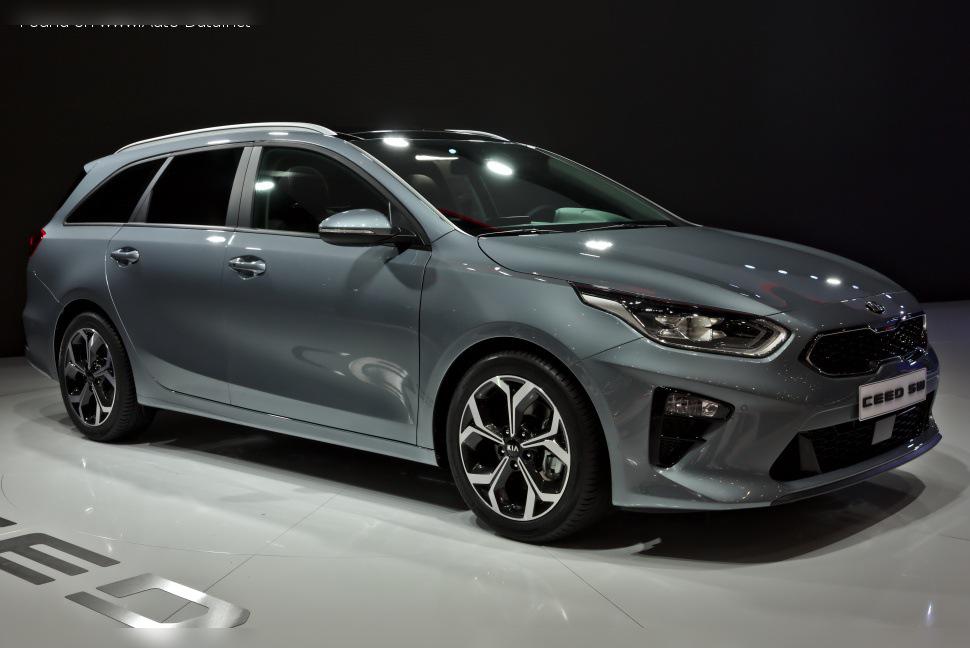
The 1.6 CRDi D4FE (115 HP) engine is an ideal choice for drivers who cover more than 20,000 kilometres per year, most of it on open roads and highways. In i30 and Ceed estates it offers the perfect balance between economy and performance. However, if you live in a big city and only drive short trips to work and back, this engine will “punish” you with DPF, EGR and AdBlue issues. In that case, turbo‑petrol engines from the same group are a better choice.