Hyundai and Kia 1.6 GDI Smartstream (G4LE) – Experiences, issues, fuel consumption and used-car buying tips
- Low city fuel consumption: The hybrid system drastically reduces consumption in stop‑and‑go traffic.
- Naturally aspirated design: The absence of a turbocharger reduces the number of potentially expensive failures in the long run.
- Reliable timing: It uses a chain that has proven to be very durable and rarely needs replacement before 200,000 km.
- Direct injection (GDI): Prone to carbon buildup on intake valves, which makes decarbonization necessary at higher mileage.
- Gearbox as a weak point: It is paired exclusively with dual‑clutch automatic transmissions (DCT), and replacing the clutch packs can be a major hit to your budget.
- Not for racers: With 105 hp from the ICE (assisted by the electric motor), the focus is on economy rather than performance.
Contents
- Introduction: More than just a regular petrol engine
- Technical specifications
- Reliability and maintenance
- Specific components and costs
- Fuel consumption and performance
- Extras, LPG and modifications
- Gearbox: DCT and its issues
- Buying used and conclusion
Introduction: More than just a regular petrol engine
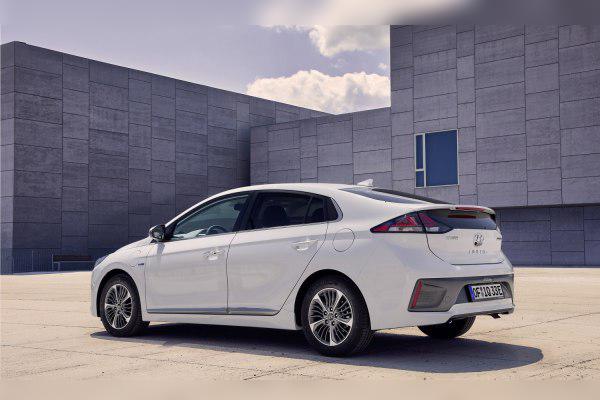
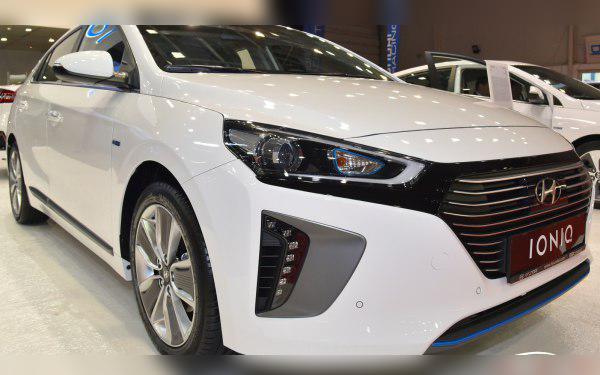
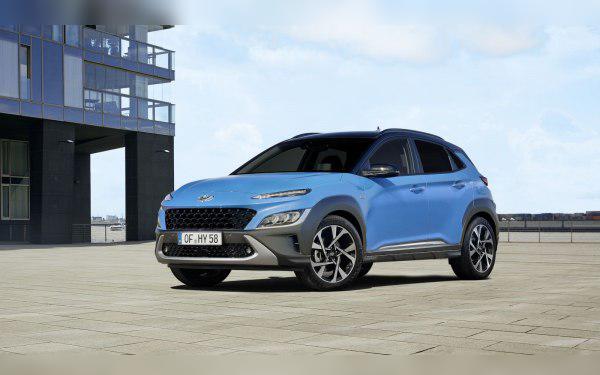
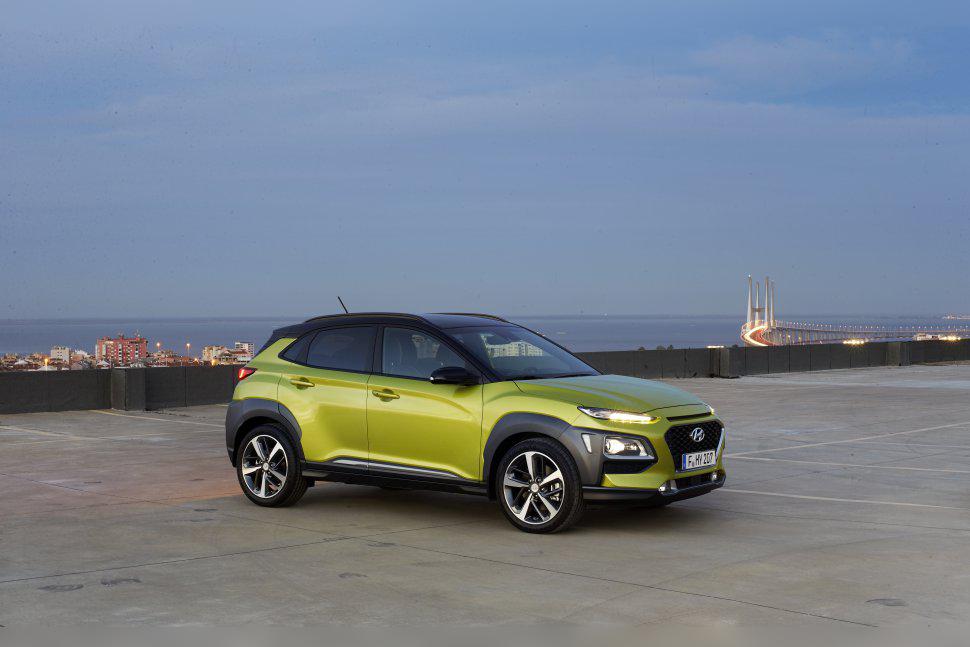
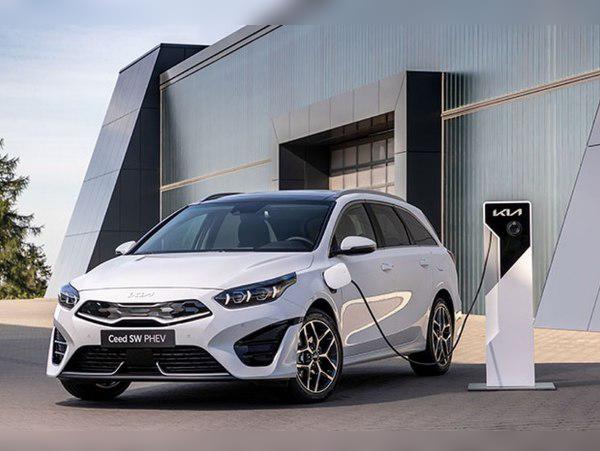
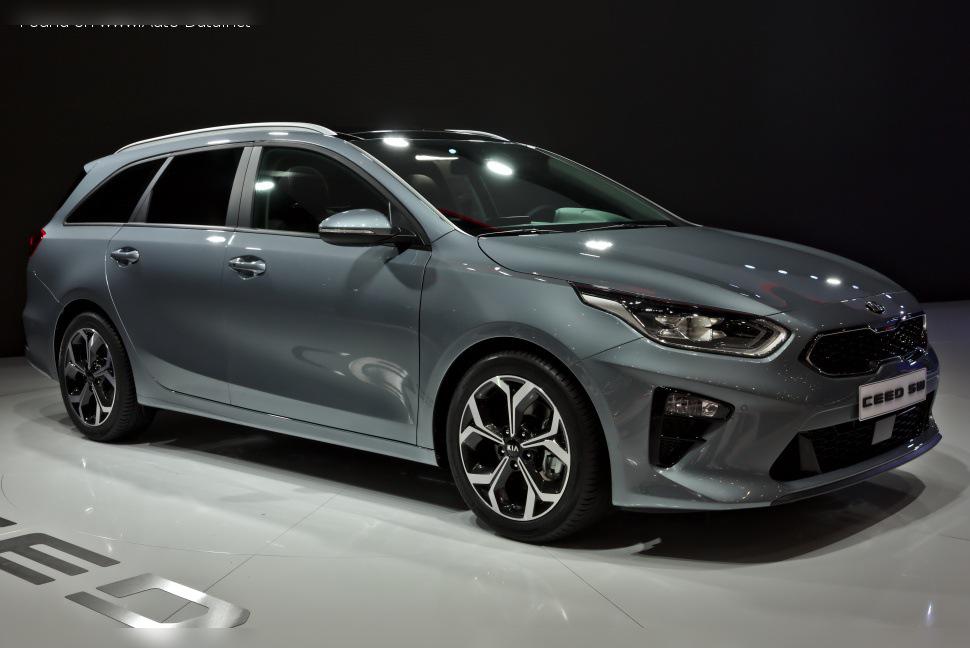
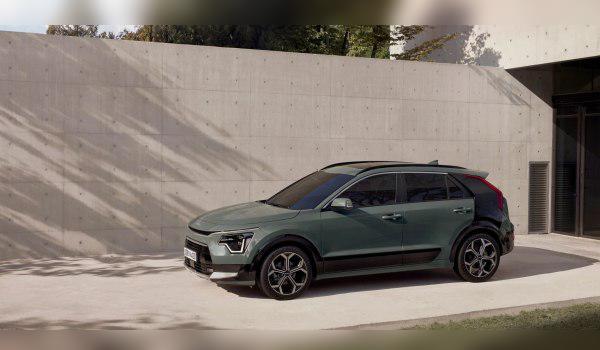
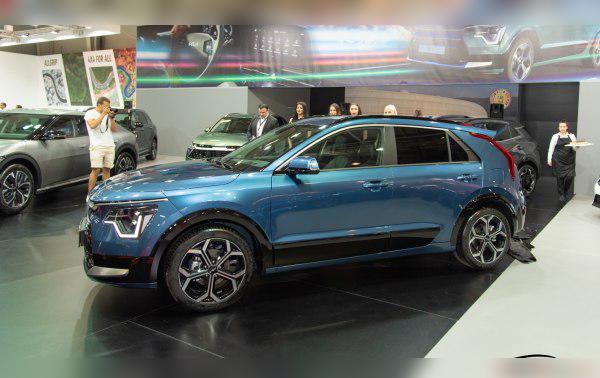
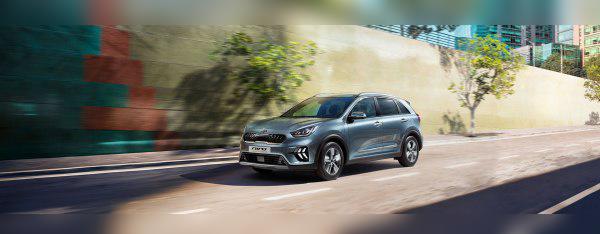
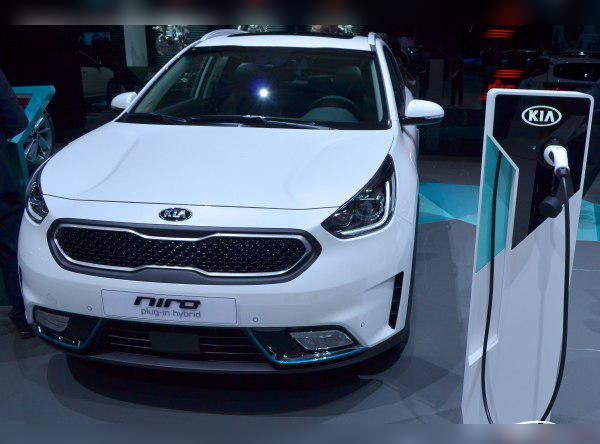
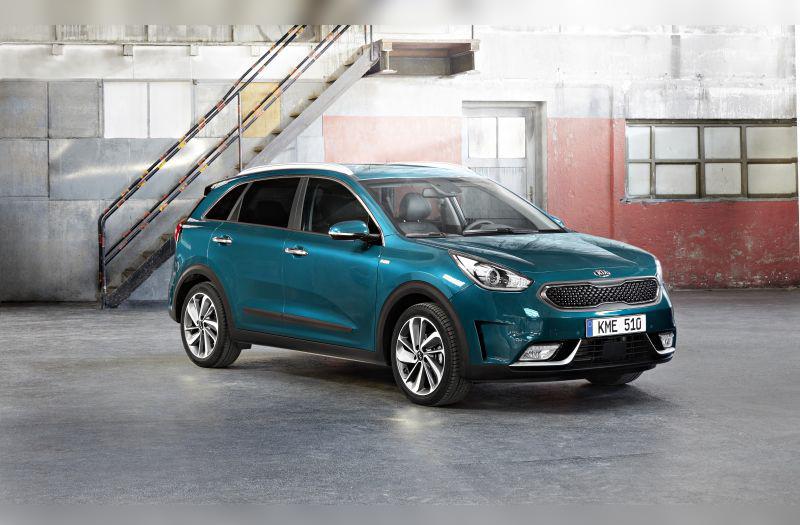
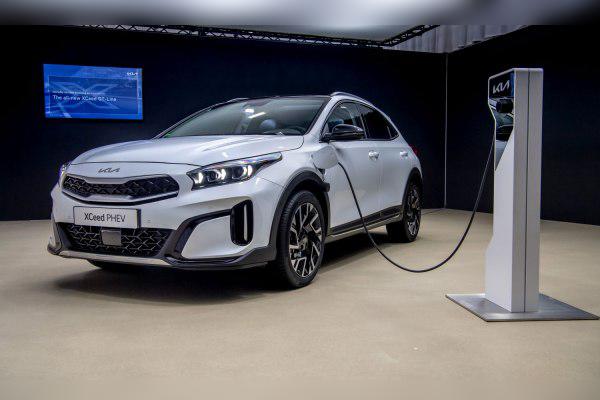
The engine designated G4LE, also known as part of the Smartstream family, is the backbone of the hybrid (HEV) and plug‑in hybrid (PHEV) lineup in Hyundai and Kia vehicles. You’ll find it in popular models such as the Hyundai IONIQ, Hyundai Kona, Kia Niro, Ceed and XCeed. It is a 1.6‑liter four‑cylinder petrol engine with direct injection (GDI), operating in the so‑called Atkinson cycle. This cycle sacrifices some raw power in favor of maximum thermal efficiency. The ICE (internal combustion engine) alone delivers a rather modest 105 hp and 147 Nm of torque, but it shows its true character only in synergy with the electric motor, bringing total system output to a respectable 141 hp to 183 hp (depending on version and battery).
Technical specifications
| Parameter | Value |
|---|---|
| Displacement | 1580 cc |
| Power (ICE) | 77 kW (105 hp) |
| Torque | 147 Nm |
| Engine codes | G4LE (Smartstream G1.6 Hybrid) |
| Injection type | Direct injection (GDI) |
| Induction type | Naturally aspirated (no turbo) |
Reliability and maintenance
Timing chain and major service
To drive the camshafts this engine uses a timing chain. The good news is that it’s a fairly reliable solution. Unlike some European competitors, the G4LE rarely suffers from chain stretch at low mileage. A traditional “major service” (where you replace the timing belt kit at 100,000 km) does not exist here. The chain is checked visually and by sound, and preventive replacement is usually done only between 200,000 and 250,000 km. However, accessory belts and the water pump need to be inspected and are most often replaced around 120,000 km.
Oil and regular servicing
The sump of this engine holds about 3.8 liters of engine oil. Due to the specific operating pattern of a hybrid (the engine frequently stops and starts and often runs cold), it is recommended to use very high‑quality, low‑viscosity oil of grade 0W‑20 (or 5W‑30 if needed), meeting API SN Plus or SP standards. Regular oil services must be done every 10,000 to 15,000 km. As for oil consumption, the naturally aspirated G4LE is not known as an “oil burner”. Consumption of 0.1 to 0.2 liters per 10,000 km is completely normal. However, if the rings have stuck due to infrequent oil changes or excessive carbon buildup, consumption can increase. Anything over 0.5 liters per 1,000 km is alarming and calls for opening the engine.
Spark plugs and typical GDI issues
Since this is a petrol engine with direct injection, a strong, clean spark is crucial. Spark plugs are replaced every 60,000 km, and the factory fits iridium plugs, which are more expensive but necessary for optimal operation. The most common problem with this engine is carbon buildup on the intake valves. Because the fuel does not wash the valves (it is injected directly into the cylinder), oil vapors from the crankcase ventilation bake onto the valves. Symptoms include rough idle, loss of power and increased fuel consumption. It is advisable to perform so‑called “walnut blasting” every 80,000 to 100,000 km.
Specific components and costs
Injection system and particulate filters
Although it has no turbo, the G4LE is far from simple technologically. The high‑pressure injectors are robust but sensitive to poor‑quality fuel. Replacing them is expensive, although they rarely fail before 200,000 km if you use good petrol. To comply with Euro 6d standards, this petrol engine (especially from 2019/2020 onwards) is equipped with a GPF (Gasoline Particulate Filter), the petrol counterpart to a diesel DPF, as well as an EGR valve. The EGR valve can clog due to the aforementioned carbon deposits, causing jerking when you press the accelerator and triggering the “Check Engine” light. The GPF regenerates much more easily than a diesel DPF because exhaust temperatures in petrol engines are higher, so it rarely causes serious headaches. Being a petrol engine, it naturally does not use AdBlue fluid.
Dual‑mass flywheel
This is the item that surprises many people: Yes, this system does have a dual‑mass flywheel. Due to the integration of the electric motor and the dual‑clutch gearbox, engineers had to fit a dual‑mass flywheel to tame strong torsional vibrations caused by the petrol engine constantly starting and stopping while driving. Replacing this part is very expensive and represents a serious financial outlay (depending on the market).
Fuel consumption and performance
On‑road behavior and fuel consumption
This engine was born for city driving. Thanks to the electric motor, which takes on most of the load when setting off, real‑world city consumption is an excellent 4.0 to 5.5 l/100 km. In plug‑in hybrids (PHEV), if you regularly charge the battery, this figure can be zero liters for days.
Many people wonder whether 105 hp is too little for SUVs like the Kia Niro or Kona. The engine itself is indeed “lazy”, but that’s where the electric motor with instant torque from zero rpm comes into play. Because of this, the car feels very lively and responsive in town. On the motorway it’s a different story. The electric motor provides little assistance at high speeds, so the G4LE has to rely on its naturally aspirated muscles. At a cruising speed of 130 km/h, the gearbox usually keeps it at around 2,600–2,800 rpm. Consumption then rises to about 6.5 to 7.5 l/100 km, and on long motorway climbs you may feel it running out of breath once the battery is depleted.
Extras, LPG and modifications
LPG conversion
In theory, converting a GDI engine to run on LPG is possible (it requires a liquid‑phase system or one that injects petrol and gas simultaneously to cool the injectors). In practice, however, installing LPG on this hybrid setup is pure madness. Due to space constraints (the battery already takes up room in the boot) there is no space for a tank, installation is very expensive (often over EUR 1,000), and given that the car already uses around 4.5 liters of petrol, the payback period would be measured in decades. Not recommended.
Remapping (Stage 1)
The short answer: Forget about remapping. The G4LE is a naturally aspirated engine, so a software tune can bring at most 5 to 8 hp, which you won’t feel in real life. On top of that, tinkering with the software in a hybrid system can disrupt communication between the inverter, electric motor and gearbox, potentially leading to catastrophic failures.
Gearbox: DCT and its issues
You won’t find this engine paired with a manual gearbox. It is fitted exclusively with a 6‑speed dry dual‑clutch automatic transmission (code 6DCT). Although the DCT offers very fast and smooth gear changes, it has its downsides.
The most common failures are related to wear of the clutches themselves (symptoms: shuddering, jerking when moving off, especially uphill) and problems with the actuators (the “robot” that shifts gears). Since it uses dry clutches, it does not tolerate creeping in traffic well. Replacing the clutch pack and dual‑mass flywheel is very expensive, with repair costs ranging from EUR 1,200 to over EUR 2,000 (depending on the market).
To make the gearbox last, it is crucial to perform gearbox servicing. Although it is a “dry” DCT, the gearset section still contains transmission oil. Changing this oil is strongly recommended every 60,000 km to reduce wear and extend the life of bearings and synchros.
Buying used and conclusion
What to look out for during inspection?
Buying a used hybrid requires more than just listening to the engine. Here’s what you absolutely must check:
- Jerking when moving off: Test the car on a slight incline. If it jerks when you gently release the brake and apply the throttle, the clutch pack is due for replacement.
- Transition from electric to petrol: At low speeds, the transition from the electric motor to the petrol engine should be almost imperceptible. Strong jolts indicate issues with engine mounts or software.
- Diagnostics are a must: Don’t buy blind. You need to read the state of health (SOH) of the high‑voltage battery using specialized diagnostics, as well as the fault history for the gearbox and inverter.
- Oil condition: Pull out the dipstick. If you notice a strong smell of petrol in the oil, this may indicate injector problems or very frequent short trips with a cold engine.
Conclusion: Who is the G4LE for?
The 1.6 GDI Smartstream hybrid engine is a perfect choice for families, taxi drivers and anyone who covers more than 70% of their mileage in city traffic or suburban areas. Its fuel efficiency is undeniable, and the naturally aspirated design lets you sleep peacefully when it comes to the engine block itself. On the other hand, if you are a driver who regularly devours hundreds of motorway kilometers in the fast lane, this engine will disappoint you with its agility at high speeds and increased fuel consumption. The main factor you must account for when buying used is the condition of the DCT gearbox – if the gearbox has been serviced and is in good shape, you’ll have a long‑lasting and very reliable car.