Opel 1.7 CDTI (A17DTC) 110 HP: Experiences, Problems, Fuel Consumption and Buying Used
- Old school in a new suit: The base of this engine comes from the legendary Isuzu block, known for its incredible mechanical durability.
- Drive: It uses a timing belt, whose replacement interval is crucial to avoid engine failure.
- Most common issue: Frequent problems with the SCV valve (suction control valve on the high-pressure pump), which causes fluctuating idle speed.
- Gearbox requires attention: It is often paired with the infamous M32 manual gearbox, which suffers from bearing failure.
- Emissions systems: Equipped with a DPF filter and EGR valve (Euro 5 standard), which require regular highway driving to allow proper regeneration.
- Fuel consumption: Very economical on the highway, while in the city consumption rises due to the heavy body of the models it is installed in (e.g. Astra J).
Contents
- Introduction to the A17DTC engine
- Technical specifications
- Reliability and maintenance
- Specific parts and costs
- Fuel consumption and performance
- Additional options and modifications
- Gearbox and drivetrain
- Buying used and conclusion
Introduction to the A17DTC engine
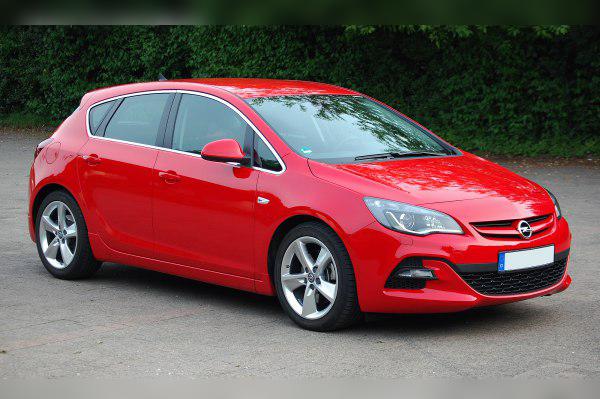
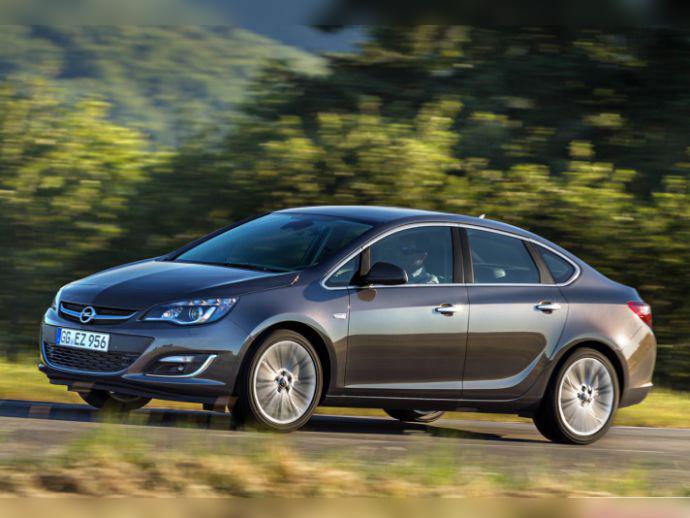
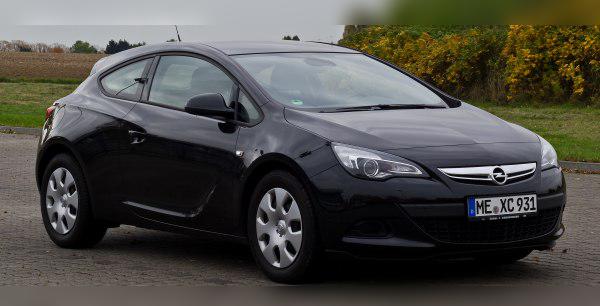
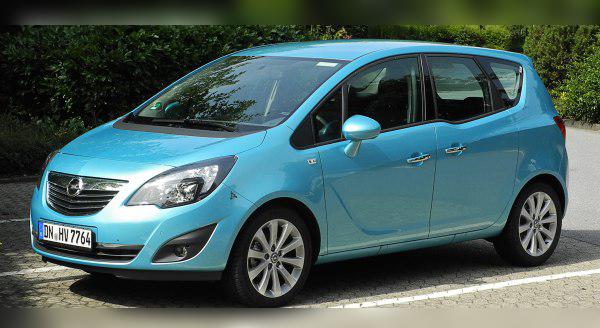
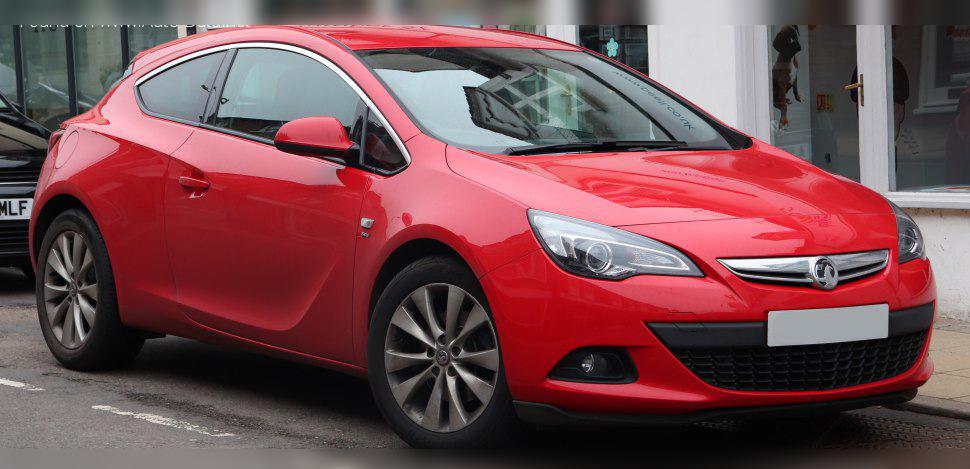
The engine with the code A17DTC is one of the last iterations of the well-known 1.7‑liter diesel developed in cooperation with Japanese manufacturer Isuzu. With 110 HP and 281 Nm of torque, it was designed to meet Euro 5 emissions standards. It was installed in heavier cars from the C and B-MPV segments, primarily in the Opel Astra J (including Sports Tourer estate, Sedan and GTC versions), as well as in the Opel Meriva B. Although it was eventually replaced by more modern 1.6 CDTI units (“whisperers”), the A17DTC remained remembered as a workhorse capable of covering huge mileages, but one that requires a mechanic familiar with its specific “quirks”.
Technical specifications
| Specification | Data |
|---|---|
| Displacement | 1686 cc |
| Power | 81 kW (110 HP) |
| Torque | 281 Nm |
| Engine code | A17DTC |
| Injection type | Common Rail (Denso) |
| Turbo/Naturally aspirated | Turbocharger with intercooler |
Reliability and maintenance
Unlike some competing engines from the same period that use a chain, the A17DTC uses a timing belt to drive the camshaft. The factory interval for the major service was often an optimistic 150,000 km, but any experienced mechanic will tell you that the major service (replacement of timing belt, tensioner, idler pulleys and water pump) must be done at 90,000 to 100,000 km or every 5 years. A snapped belt leads to serious engine damage, so this is not something to gamble with.
As for the minor service, the engine takes about 5.4 liters of engine oil. Only fully synthetic oil of 5W-30 grade that meets the Dexos 2 specification is recommended (important because of the DPF filter). The engine is generally not known as an “oil burner”. A loss of 0.2 to 0.5 liters between services (every 10,000 to 15,000 km) is considered completely normal, but if you have to top up more than a liter, the problem usually lies in a worn turbocharger or leaks on the crankshaft seals, which is a known but cheaply solvable weakness of this block.
Among the most common specific failures is the issue with the SCV valve (Suction Control Valve – fuel pressure control valve). The symptoms are clear: the engine runs roughly at idle, revs “hunt” up and down (the needle on the instrument cluster shakes), and in extreme cases the car can even stall when stopping at traffic lights. Replacing this valve is not excessively expensive, but it solves a major headache for owners.
Specific parts and costs
When it comes to power transfer, this engine is paired with a dual-mass flywheel. The lifespan of the flywheel largely depends on driving style; if the car is driven aggressively from low revs, the flywheel can show signs of wear (metallic knocks when starting and shutting off, vibrations in the clutch pedal) already after 150,000 km. Replacing the complete clutch kit with the dual-mass flywheel is expensive (depends on the market) and represents one of the biggest expenses.
The injection system relies on the Japanese Denso Common Rail. These injectors have proven to be extremely durable in practice, often exceeding 250,000 km without any issues, provided that quality diesel is used and the fuel filter is changed regularly. However, when the time comes for replacement or refurbishment, the Denso system is traditionally more expensive to repair compared to the more common Bosch system (market-dependent).
The turbocharger is a standard unit with variable geometry. Its service life is long, but it is sensitive to dirty oil and city driving. Frequent stop‑and‑go city driving leads to soot build‑up on the variable geometry vanes, resulting in loss of power (the so‑called “overboost” fault). Symptoms of a worn turbo are loud whistling under acceleration and increased black or bluish smoke from the exhaust.
Emission systems: DPF, EGR and AdBlue
Since it meets Euro 5 standards, the A17DTC engine is equipped with an EGR valve and a DPF filter (diesel particulate filter). The EGR valve tends to get clogged with soot, which leads to jerking while driving and engine bogging. The DPF filter requires regular highway driving. If the car is used exclusively in the city on short trips, the DPF regeneration process is interrupted, the oil level in the sump can start to rise (due to unburned diesel mixing with the oil), which directly destroys the engine. The good news for owners is that the A17DTC belongs to an older generation of Euro 5 engines and does not have an SCR catalyst or AdBlue system, sparing it from potentially very expensive failures of AdBlue pumps and heaters.
Fuel consumption and performance
Realistic city fuel consumption varies between 6.5 and 7.5 l/100 km. The Opel Astra J is a fairly heavy car (often over 1.4 tons empty), so this engine really has to work hard to get it moving from a standstill. In that sense, many drivers perceive this engine as “lazy” below 1800 rpm. There is a pronounced “turbo lag”, but once the turbo reaches the required boost, the 281 Nm of torque push the car along quite adequately.
This unit shows its true character on country roads and the motorway. In sixth gear at 130 km/h, the revs sit at around 2200–2400 rpm (depending on the gearbox fitted). Under these conditions the engine is relatively quiet, not “stressed”, and fuel consumption is around a very decent 5.0 to 5.5 l/100 km. This makes it an excellent choice for long journeys and commercial use.
Additional options and modifications
When it comes to extracting more power, the Isuzu/Opel engine block is quite over‑engineered and handles tuning very well. A safe Stage 1 remap can raise power from 110 HP to around 135 to 140 HP, while torque goes beyond 320 Nm. This significantly reduces the mentioned “turbo lag” and makes overtaking easier. However, caution is needed: the increase in torque puts more stress on the dual‑mass flywheel and clutch, so if they are already near the end of their life, the remap will only “bury” them faster. You should also keep in mind the limitations and sensitivity of the gearbox itself to additional torque.
Gearbox and drivetrain
With this engine Opel mostly supplied a 6‑speed manual gearbox (code M32), while the 6‑speed automatic gearbox (made by Aisin) is most commonly found in the Meriva B, and less often in the Astra.
A special warning must be given about the manual M32 gearbox. This gearbox is notorious for poor cooling and lubrication of the upper set of bearings. The most common failures manifest as humming or whining from the gearbox in 5th and 6th gear, as well as visible fore‑and‑aft movement of the gear lever when applying and releasing the throttle in first gear. Overhauling the gearbox (bearing replacement) is very expensive (market‑dependent). To prevent this, expert mechanics recommend changing the oil in the manual gearbox every 60,000 km and filling about 200 to 300 ml more oil than the factory maximum so that the upper bearings remain in the “oil bath”.
As for the automatic, it has generally proven to be a fairly reliable long‑distance runner, but it is not immune to jerking during shifts if the previous owner ignored maintenance. It is recommended to change the oil in the automatic gearbox every 60,000 to 80,000 km as well, preferably using the dynamic oil change method.
Buying used and conclusion
When you go to inspect a used car with the A17DTC engine, you MUST pay attention to the following:
- Cold start: Listen to how the engine starts when completely cold. Rattling may indicate a worn flywheel, while uneven running or a fluctuating rev counter needle point to a dirty SCV valve.
- Gearbox test: On an open road, accelerate in 5th and 6th gear and listen for whining, and in first gear pay attention to whether the gear lever moves by itself when you apply the throttle (a sign of M32 gearbox failure).
- Whistling: A slight turbo whistle is normal, but a sound reminiscent of an ambulance siren clearly signals worn turbocharger bearings.
- Diagnostics: You MUST read the DPF filter parameters (soot loading) and check injector corrections.
Final verdict: Who is this engine for? The A17DTC is neither the quietest nor the most sophisticated diesel on the market – its operation is rougher compared, for example, to French HDI engines. However, it is an extremely robust machine. If you are looking for a reliable car for motorway cruising, country roads and intercity driving, and if you find an example whose gearbox is in good condition or has already been overhauled, an Opel with the 1.7 CDTI engine can serve you for hundreds of thousands of kilometers without opening the block. On the other hand, if you need a car exclusively for 3‑kilometer commutes to work in the very city center – look for a naturally aspirated petrol.