Opel 1.7 CDTI A17DTS (130 hp): Experiences, problems, fuel consumption and buying used
- Old-school Isuzu: The base of the engine is the indestructible Isuzu block, but its operation is noticeably rougher and noisier compared to newer diesels.
- Achilles' heel – gearbox: The notorious manual M32 gearbox is the biggest weak point of this powertrain due to frequent bearing failures.
- City driving doesn’t suit it: The EGR valve and DPF filter clog quickly if the car is driven mostly in urban conditions.
- Expensive injection repair: Denso injectors are durable, but when the time comes for replacement or overhaul, the costs are high.
- No AdBlue: Since it meets the Euro 5 standard, this engine has no AdBlue system, which means one less worry for the owner.
- Heavy body: In models such as the Astra J and Mokka, the engine struggles with the high weight, so there is a noticeable “turbo lag” at low revs.
Contents
- Introduction: Old warrior in a modern suit
- Technical specifications
- Reliability and maintenance
- Specific parts and costs
- Fuel consumption and performance
- Additional options and modifications
- Gearbox: manual and automatic
- Buying used and conclusion
Introduction: Old warrior in a modern suit
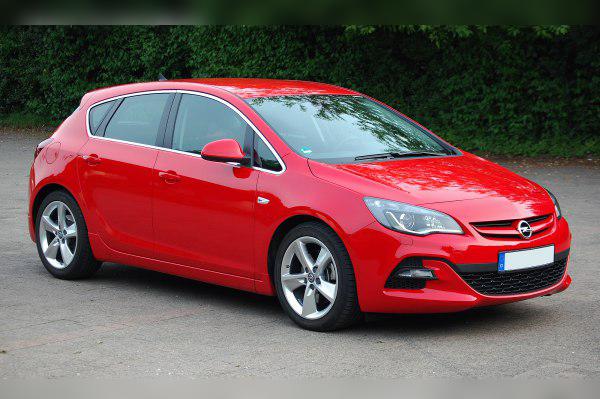
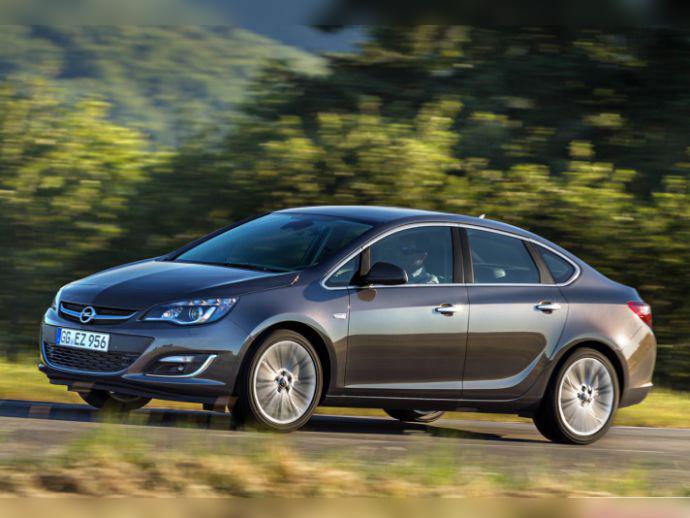
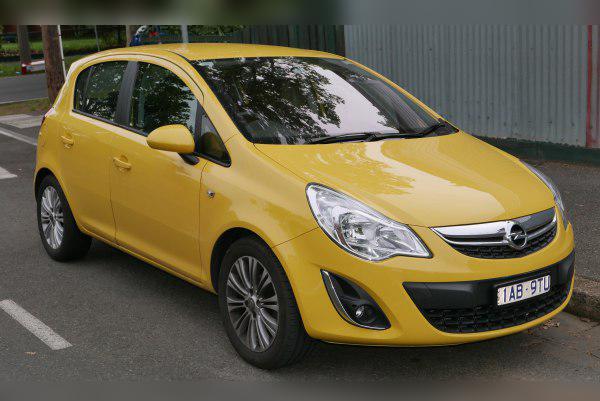
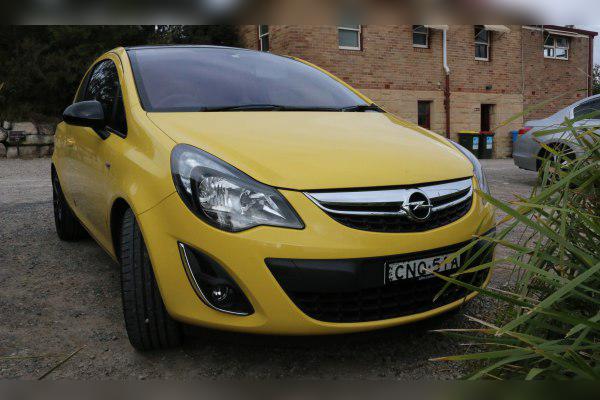
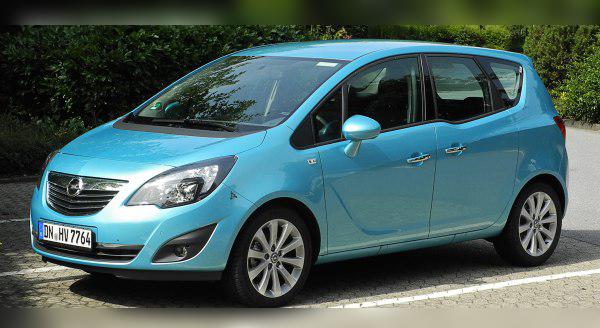
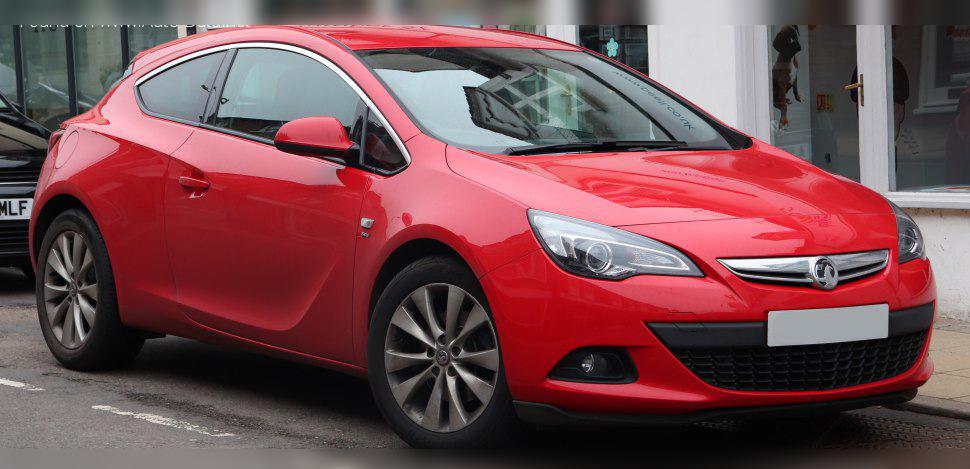
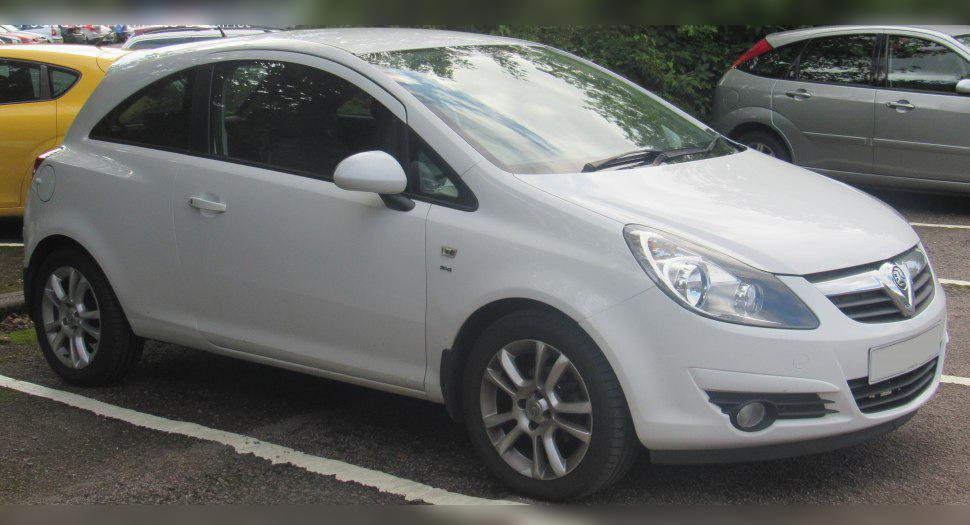
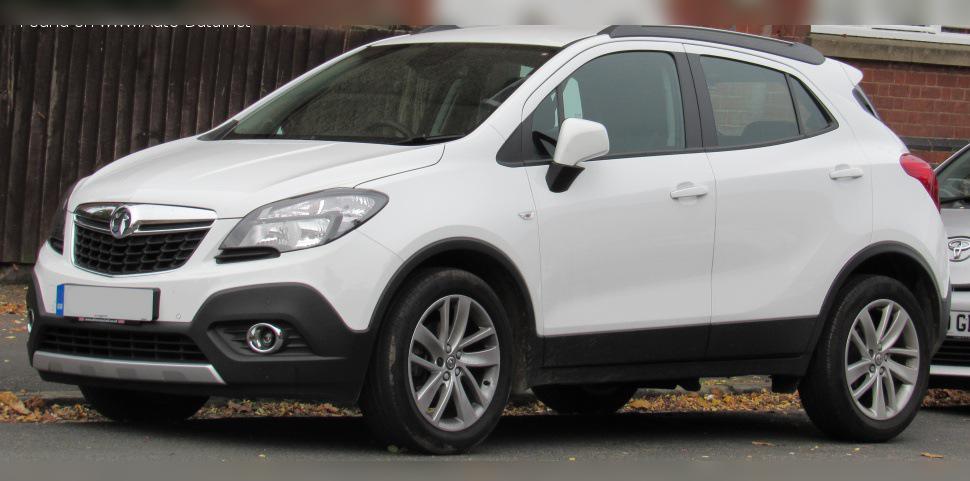
The engine designated A17DTS represents the peak of evolution of the famous 1.7‑liter diesel unit whose roots go back to the era when Opel closely cooperated with Japanese Isuzu. With 130 hp and 300 Nm of torque, this is the most powerful stock version of this block. It was installed in a wide range of vehicles, from compact city runabouts such as the Opel Corsa D, through family Astra J and Meriva B, all the way to the popular crossover Opel Mokka. Although it was later replaced by the quieter and more refined 1.6 CDTI “Whisper Diesel” engines, the A17DTS remained appreciated for its robustness, but also criticized for its rough operation and specific issues with auxiliary components.
Technical specifications
| Parameter | Data |
|---|---|
| Engine displacement | 1686 cc |
| Power | 96 kW (130 hp) |
| Torque | 300 Nm |
| Engine code | A17DTS |
| Injection type | Common Rail (Denso) |
| Charging type | Variable-geometry turbocharger + intercooler |
Reliability and maintenance
The first thing every mechanic and driver wants to know is the timing system. The A17DTS uses a timing belt, not a chain. The factory recommendation for the major service (replacement of timing belt, tensioner, idler pulleys and water pump) is usually 150,000 km or 10 years. However, based on real‑world experience, it is strongly recommended to do the major service at 100,000 to 120,000 km or every 5 to 6 years in order to avoid catastrophic damage to valves and pistons.
As for lubrication, this engine takes about 5.4 liters of oil, and the recommended grade is 5W‑30 that meets the Dexos 2 specification. The engine block itself is extremely robust and, if properly maintained, does not consume oil between services. Minimal consumption of around 0.5 liters per 10,000 km is considered normal, but if you notice higher consumption, the problem is usually not worn piston rings, but oil leaking through seals or along the shaft of a worn turbocharger.
Most common failures and weak points
One of the best‑known weaknesses of this engine is the SCV valve (Suction Control Valve) on the high‑pressure pump. The symptoms are clearly noticeable: fluctuating idle speed (the engine “revving up” on its own) and occasional loss of power. Also, the EGR valve is prone to soot buildup, especially if the car is driven in stop‑and‑go traffic.
Since this is a diesel unit, injector longevity is a key question. It uses a Denso injection system. These injectors are quite reliable and can easily last over 200,000 to 250,000 km with good‑quality fuel. However, problems arise when they wear out. Symptoms include hard starting, white or black smoke when you press the accelerator, and pronounced “knocking” of the engine while it is cold. Overhauling Denso injectors is complicated and counts as a very expensive repair (depends on the market).
Specific parts and costs
Like every modern and powerful turbodiesel, the A17DTS has a dual‑mass flywheel. Its role is to dampen the strong vibrations of the Isuzu block, but its service life is limited, usually between 150,000 and 200,000 km, depending on driving style. Symptoms of a worn flywheel are metallic knocks when starting and stopping the engine, as well as vibrations in the clutch pedal.
The engine is equipped with a single variable‑geometry turbocharger (VGT). The life span of the turbo is excellent and it rarely causes problems before 250,000 km, provided that the oil has been changed regularly and the car has not been revved hard while the engine is still cold.
The DPF (diesel particulate filter) is standard equipment. As with most diesels of this generation, the DPF filter is problematic only if the vehicle is used 90% of the time in city traffic jams, because the engine fails to reach the temperature required for regeneration. The good news for your wallet is that this Euro 5 engine does not have an AdBlue system, so you will not have headaches with AdBlue tanks, fluid heaters and NOx sensors which, in newer vehicles, are extremely sensitive and expensive to replace.
Fuel consumption and performance
Many owners expect the 1.7 engine to consume very little fuel, but this is where the weight issue appears. Models such as the Opel Astra J and Mokka are extremely heavy cars for their class. Because of that, real‑world consumption in pure city driving ranges between 6.5 and 8.0 l/100 km. In the smaller Corsa D, the situation is much better and fuel consumption is noticeably lower.
Is the engine “lazy”? Due to the heavy body and the characteristics of the turbocharger itself, there is a noticeable turbo lag. Below 1,800 rpm the engine feels dead, but once it passes 2,000 rpm, the 300 Nm of torque are released suddenly and the car pulls quite strongly.
The natural habitat of the A17DTS is the motorway. This is where the engine shines. Thanks to the six‑speed gearbox, at a cruising speed of 130 km/h the engine spins at a pleasant and economical ~2,400 to 2,500 rpm. Fuel consumption on the open road easily drops below 5.5 l/100 km, and the cabin remains relatively quiet despite the engine’s rougher idle.
Additional options and modifications
Since the Isuzu block has a large durability reserve, this engine responds very well to remapping. A Stage 1 software remap can be done completely safely. Power is usually raised from 130 hp to about 160 to 165 hp, while torque increases to approximately 360 Nm. This modification drastically improves the sluggishness of the Astra J at low revs and reduces the mentioned turbo lag. Still, keep in mind that the higher torque puts additional stress on the already sensitive manual gearbox and dual‑mass flywheel.
Gearbox: manual and automatic
This is probably the most critical section for anyone planning to buy one. This engine was paired with both manual and automatic gearboxes, and your peace of mind largely depends on which one you choose.
Manual gearbox (M32) – the biggest nightmare
If the car has a 6‑speed manual gearbox, it is the well‑known M32 gearbox. This gearbox is notorious for poor cooling and lubrication of the internal bearings of sixth gear. The most common failures are whining/rumbling in 1st, 2nd, 5th and 6th gear, as well as the gear lever moving back and forth when you press and release the accelerator (a sign that the bearings have excessive play). Repairing an M32 gearbox is expensive (depends on the market). The manual gearbox also comes with a dual‑mass flywheel, and the clutch kit with flywheel and concentric slave cylinder is very costly (depends on the market).
Automatic gearbox
In models such as the Meriva B and Mokka you can find a conventional 6‑speed automatic gearbox (most often the proven Aisin AF40 or a GM derivative). These are traditional automatics (with a torque converter) and are significantly more reliable than the manual M32. The most common issue with these automatics is jerking when shifting from 2nd to 3rd gear, usually due to irregular oil changes in the gearbox or a contaminated valve body (hydraulic block).
Gearbox maintenance
To avoid expensive repairs, the oil in the manual M32 gearbox must be changed every 60,000 km. The factory did not specify this, but mechanics always recommend filling 2.2 to 2.4 liters of quality gearbox oil (slightly above the factory maximum) to improve bearing lubrication. The oil in the automatic gearbox also needs to be changed every 60,000 to 80,000 km using a dynamic flush method.
Buying used and conclusion
When you go to inspect a used car with the A17DTS engine, here is what you absolutely must check:
- Listen to the idle: The engine is naturally rough, but the revs must be rock steady. If the tachometer needle “dances”, the pump’s SCV valve is probably due for replacement.
- Test the gearbox on the road: Accelerate in 5th and 6th gear and listen for whining. While pressing and releasing the accelerator, watch whether the manual gear lever moves back and forth. If it does – walk away or demand a serious discount.
- Check the dual‑mass flywheel: Switch the engine off without pressing the clutch; you should not hear a strong shudder and metallic knock.
- Scan with diagnostics: Ask a mechanic to check DPF saturation and injector correction values.
Final verdict: Opel’s 1.7 CDTI with 130 hp is not an engine for short city hops to the shop and back. Who is it for? It is intended for drivers who cover many kilometers on country roads or motorways, where its strengths – a reliable engine block, low fuel consumption on the open road and excellent high‑speed stability – really come to the fore. If you find a car with an overhauled M32 gearbox and proof of a completed major service, you get a loyal and durable “workhorse” of a car.