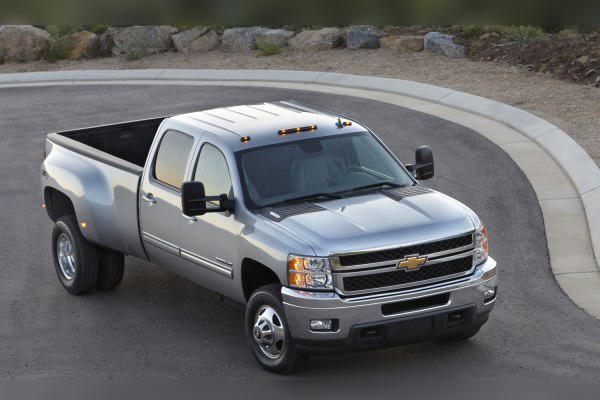
Chevrolet 6.6 Duramax LML V8 (397 HP) – Experiences, Problems, Fuel Consumption and Used-Buying Tips
- Massive pulling power: With 1,037 Nm of torque, this is a true workhorse built for the heaviest loads, not for cruising around town.
- The Bosch CP4 time bomb: The biggest weakness of this engine is the high-pressure fuel pump, whose failure can destroy the entire injection system.
- Reliable timing drive: No timing belt or chain on the main drive; it uses a system of heavy-duty gears that are practically indestructible.
- Emissions systems cause headaches: The AdBlue (DEF) system, tank heaters and NOx sensors regularly cause issues and limit engine power.
- Excellent transmission: Paired with the legendary Allison 1000 automatic transmission that withstands extreme loads.
- High fuel consumption: Due to vehicle weight (often over 3 tons) and huge displacement, do not expect fuel efficiency.
Contents
- Introduction: Heavy-duty workhorse
- Engine technical specifications
- Reliability and Maintenance
- Specific Components and Costs
- Fuel Consumption and Performance
- Additional Options and Modifications
- Transmission: Allison 1000
- Buying Used and Conclusion
Introduction: Heavy-duty workhorse
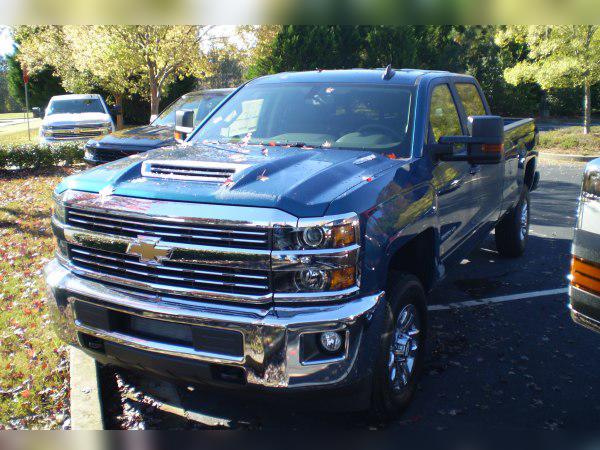
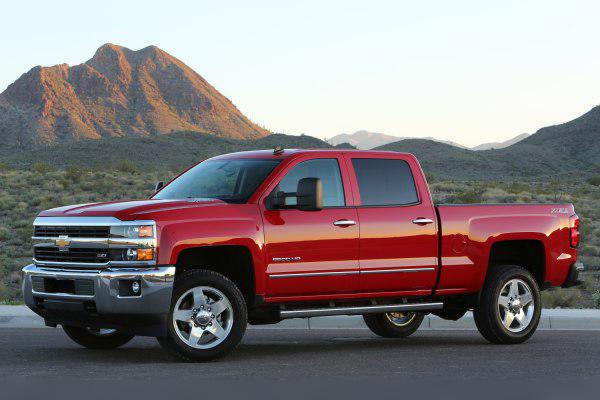
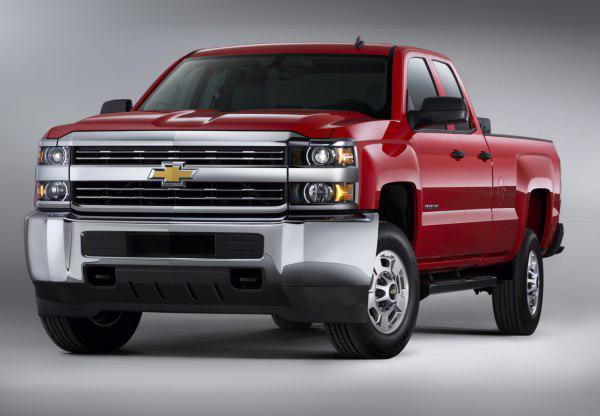
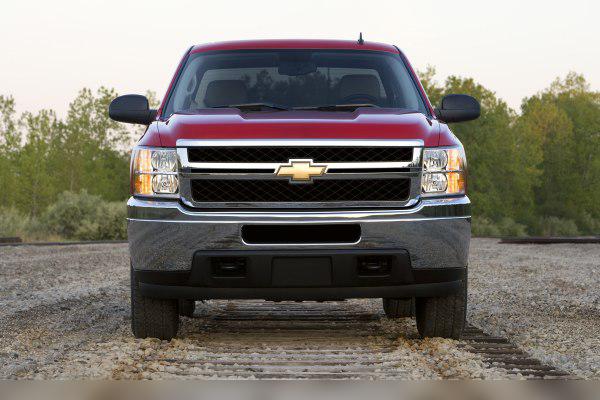
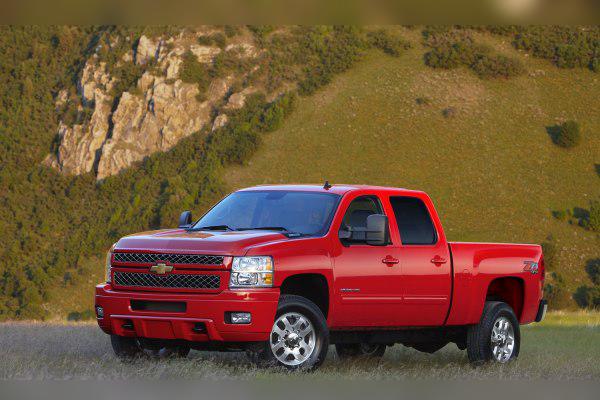
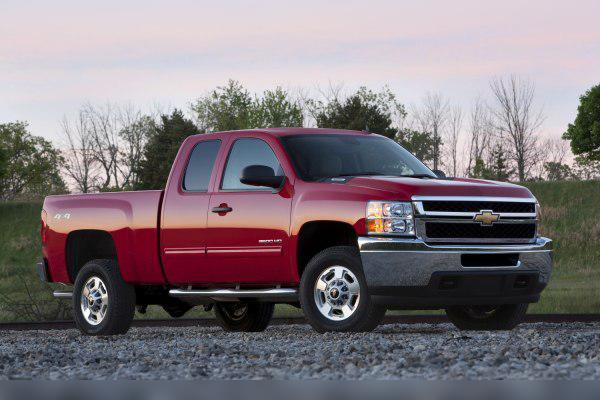
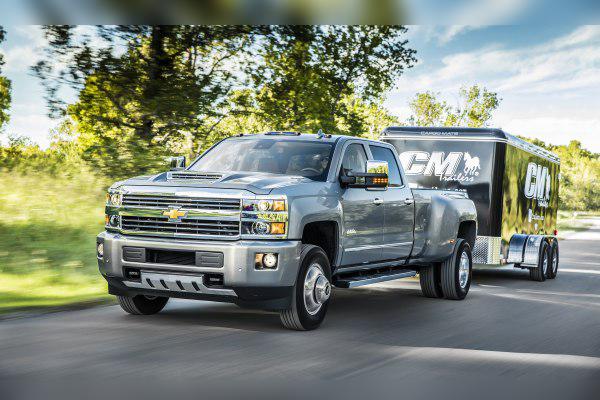
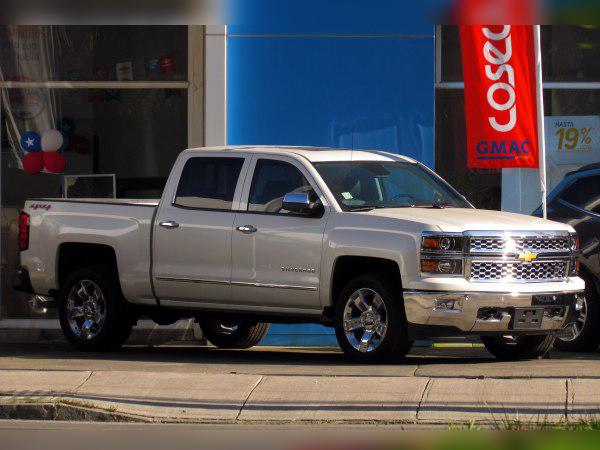
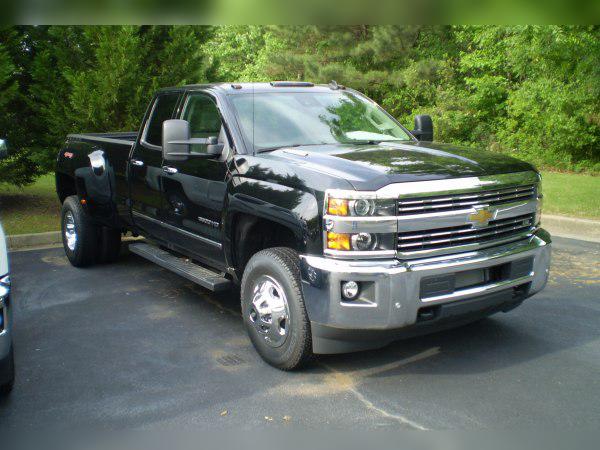
When talking about heavy American pickup trucks (Heavy Duty class), the 6.6-liter Duramax LML V8 diesel engine, developed in cooperation with Isuzu, is one of the strongest weapons in the arsenal. Installed in the mighty Chevrolet Silverado 2500 HD and 3500 HD series between 2011 and 2016 (on the GMT900 and K2XX platforms), this engine brought a revolution in power, but also significant complications due to strict emissions regulations. With a mighty 397 horsepower and truck-like 1,037 Nm of torque, it is designed to tow trailers of over 10 tons over long distances.
Engine technical specifications
| Displacement: | 6599 cc (6.6L) |
| Engine power: | 296 kW (397 HP) at 3000 rpm |
| Torque: | 1,037 Nm at 1600 rpm |
| Engine code: | LML (Duramax) |
| Injection type: | Common Rail (piezo injectors), 2000 bar |
| Charging system: | VGT turbocharger (variable geometry), intercooler |
Reliability and Maintenance
Timing drive: Chain or belt?
This engine has neither a timing belt nor a classic chain to drive the camshaft. The timing is driven by a heavy-duty gear-driven system, which is typical for true industrial and heavy commercial engines. This means the main timing drive is practically indestructible and does not require replacement during the entire service life. There is a small chain, but it only drives the oil pump and rarely causes problems.
Most common failures and symptoms
By far the most dangerous and most expensive failure on the LML engine is the failure of the high-pressure fuel pump (Bosch CP4.2). Due to the reduced sulfur content in modern diesel fuel (sulfur provides lubrication for the pump), the internal rollers in the pump start to "slide" instead of rotating. The result? Fine metal shavings are created and carried throughout the entire fuel injection system. Symptoms include sudden loss of power, engine stalling and the "Check Engine" light.
Another common issue is transmission cooler line leaks (hoses that run from the transmission to the cooler). The symptom is puddles of reddish oil under the vehicle. Also, emissions-related electronics often send the engine into limp mode due to even the smallest error.
Service intervals and engine oil
Since there is no timing belt, the so-called "major service" here boils down to replacing the water pump, thermostat and external serpentine belts with tensioners every 150,000 km. Regular minor service is done every 12,000 to 15,000 km (or according to the indicator on the instrument cluster).
The oil pan holds a massive 9.5 liters of oil. The recommended grade for most climates is synthetic 15W-40 (formulated for heavy-duty diesel engines with a DPF filter), while 5W-40 is used in colder regions during winter. A healthy LML engine almost does not consume oil between services. Loss of up to 0.5 liters per 10,000 km is considered completely normal, and higher consumption often indicates worn piston rings or a turbocharger issue.
Injector lifespan
The LML uses advanced piezo-electric injectors capable of very precise fuel metering. If you provide them with clean fuel and regularly replace the fuel filter, they can easily last over 250,000 to 300,000 km. However, as mentioned, if the CP4 pump starts shedding metal, all injectors are instantly destroyed and must be replaced, which is a very expensive repair (cost depends on the market).
Specific Components and Costs
Dual-mass flywheel
You do not have to worry about a classic dual-mass flywheel because this engine was only offered with an automatic transmission. The role of connecting the engine and transmission is handled by a torque converter, which is very robust, although its overhaul after very high mileage under heavy load is not cheap (cost depends on the market).
Turbocharger
The engine has a single, very large Garrett VGT (variable geometry) turbocharger. Its lifespan generally matches the engine’s, provided the oil is changed regularly. However, its biggest enemy is soot. If the truck is driven exclusively in city conditions at low rpm, the vane system inside the turbo gets clogged, starts to stick, which results in reduced performance and "overboost" or "underboost" errors on diagnostics.
Emissions: DPF, EGR and AdBlue – the Achilles’ heel
The LML generation of Duramax engines is the first to fully integrate the EGR (exhaust gas recirculation), DPF (diesel particulate filter) and SCR system (AdBlue/DEF fluid). This is also the biggest headache for owners. The EGR valve often fills with soot deposits and requires physical cleaning. The DPF filter clogs due to interrupted regenerations in city driving.
The AdBlue system is particularly notorious. The AdBlue (DEF) tank heater regularly fails in low temperatures, and pumps also fail. When a fault appears in the DEF system, the vehicle’s computer will warn you that you have a limited number of kilometers left before it limits vehicle speed to just a few kilometers per hour, or prevents the engine from restarting. Maintaining these systems is extremely demanding and very expensive (cost depends on the market).
Fuel Consumption and Performance
City driving
This engine powers a body that, depending on the version (Crew Cab, long bed, dual rear wheels – DRW), weighs between 3 and 3.5 tons empty. Accordingly, in stop-and-go city driving you can expect real-world consumption of 16 to 20 liters per 100 kilometers. There is no magic way to move this mass economically.
Dynamics and towing
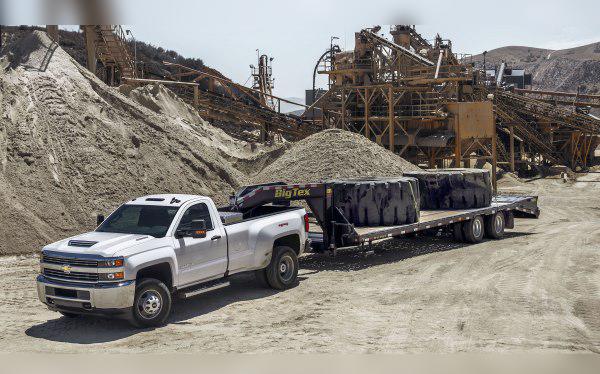
Is the engine "lazy"? With 1,037 Nm of torque, this vehicle literally tears at the asphalt when you press the throttle. The driving sensation is reminiscent of operating a locomotive. Acceleration from a standstill is incredible for this weight, and the engine barely notices when you hook up a 5-ton trailer.
On the highway
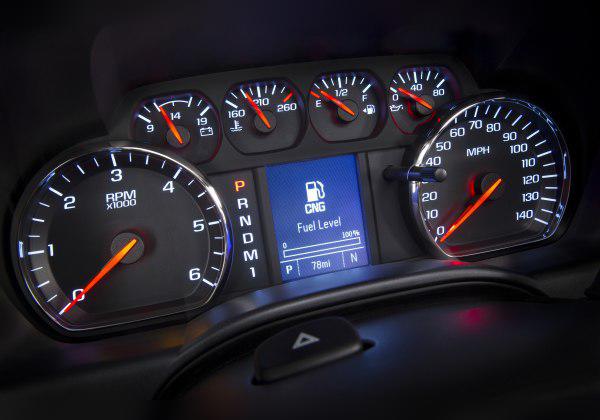
The highway is the natural environment for the Silverado HD. Thanks to the long gear ratios of the six-speed Allison transmission, at 130 km/h the engine cruises at a very relaxed 1,800 to 1,900 rpm. The ride is acoustically pleasant – in the cabin you mainly hear wind noise and the rolling of massive tires. On the highway, fuel consumption drops to a more reasonable 12 to 15 liters per 100 km, provided you drive steadily and without a trailer.
Additional Options and Modifications
Tuning – ECU remap
The Duramax LML responds extremely well to software power upgrades. A safe Stage 1 remap can provide an additional 50 to 80 horsepower and a massive 150 to 200 Nm of torque.
However, there is a big BUT. First, any significant power increase generates more soot, which clogs the DPF filter much faster. Second, although the Allison transmission is strong, anything above about 1,200 Nm starts to push the clutch packs in the transmission to the limit of slippage. That is why serious tuning is rarely done without adapting the transmission software (TCM tuning) and addressing restrictions in the exhaust system (which may be illegal depending on the emissions laws in the country where the vehicle is registered).
Transmission: Allison 1000
Types of transmissions
This engine is paired exclusively with a six-speed automatic transmission from Allison (model 1000). A manual transmission was not offered from the factory with this engine output, as it would require a clutch of enormous dimensions that would be too heavy to operate in everyday driving.
Allison automatic reliability
Mechanics and drivers agree – the Allison 1000 is "indestructible". It is sized like a commercial truck transmission. Failures inside the transmission itself are extremely rare and usually occur only with severe abuse and extreme tuning. The most common mechanical issue around the transmission is not the transmission itself, but leaks from the hydraulic lines that carry the cooling fluid to the cooler (expensive to replace mainly due to poor access).
Since it uses a hydrodynamic torque converter rather than a dual-mass flywheel and conventional clutch, there is no standard "clutch replacement" cost. If the torque converter fails (symptoms: shuddering on inclines, harsh shifts), it requires an overhaul, which is very expensive (cost depends on the market).
Transmission service
The secret to this transmission’s longevity is smart filtration design. In addition to the internal filter, the Allison has an external "spin-on" filter that is easily replaced from underneath, similar to an engine oil filter. The recommendation is to change the transmission fluid and external filter every 60,000 to 80,000 km if the vehicle regularly tows heavy loads. The internal filter is replaced less frequently, usually during a major transmission service with a full fluid flush.
Buying Used and Conclusion
What to check before buying?
- High-pressure fuel pump: You MUST ask the seller or mechanic to remove the fuel filter and check for shiny fine metal particles (like glitter). If they are present – walk away. This means the CP4 pump is disintegrating and the entire injection system needs to be replaced. Many owners perform a preventive conversion to the older, more reliable CP3 pump (which is an excellent plus if you are buying such an example).
- Emissions systems (DPF, EGR, AdBlue): A diagnostic scan is mandatory. Check the DPF regeneration history. Ask the seller if there have been any issues with "DEF tank heaters".
- Condition of transmission cooler lines: Look under the truck and inspect the transmission lines on the right side of the radiator – check if they are oily and dripping.
- Cold start: The engine should start instantly, without clouds of white or blue smoke. Smooth idle without rpm fluctuation indicates healthy injectors and good compression.
Conclusion
The Chevrolet 6.6 Duramax LML in Silverado models (2500 HD and 3500 HD) is not a vehicle for school runs or quick trips to the supermarket. It is a serious industrial tool. The core of the engine (block, crankshaft, pistons) is extremely durable and it is paired with a fantastic transmission. However, the "modern" peripherals – above all the fragile Bosch CP4 pump and complex AdBlue/emissions systems – require the owner to be technically aware and prepared for expensive preventive maintenance.
Who is it for? Farmers, construction workers, people who tow boats, travel trailers or haul excavators. If you need uncompromising towing power and you are buying an example with a verified (or upgraded) fuel system – this is one of the best heavy-duty workhorses money can buy.