X17DT Engine (Isuzu 1.7 TD): Experiences, Problems, Fuel Consumption and Used Car Buying Tips
- Designed by Isuzu and installed by Opel. Known as one of the most durable diesels of its time.
- It has no dual-mass flywheel, no DPF filter, and no complicated electronics.
- It uses a reliable mechanical Bosch injection pump and simple mechanical injectors.
- Prone to minor oil leaks, and the most common "weak point" is the alternator due to the vacuum pump.
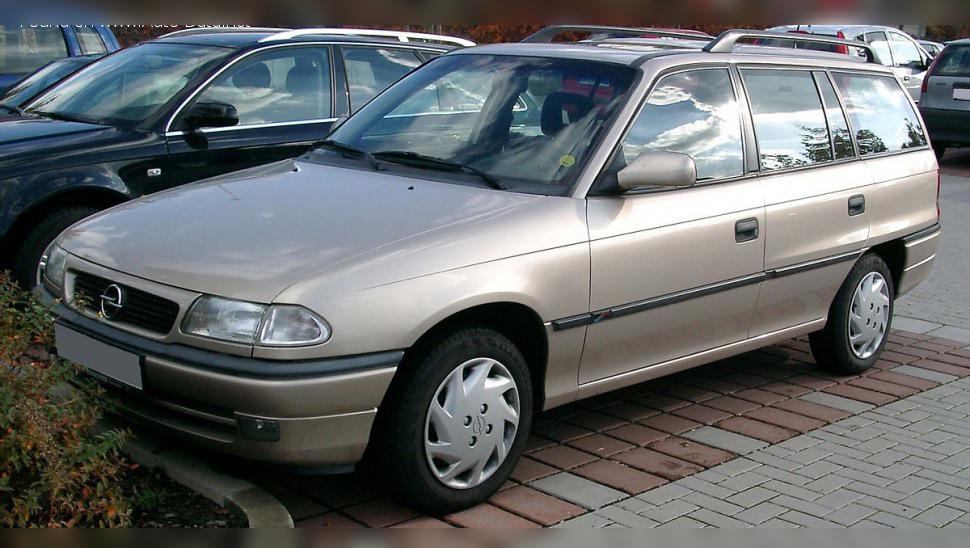
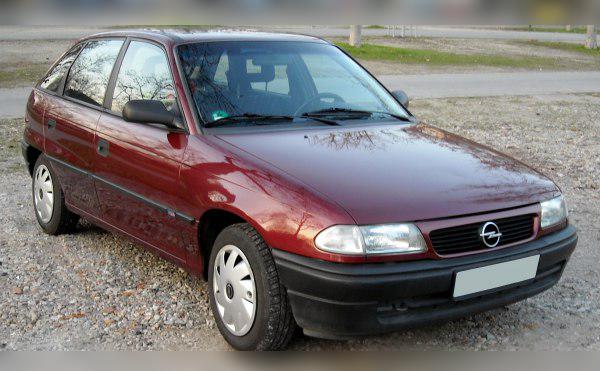
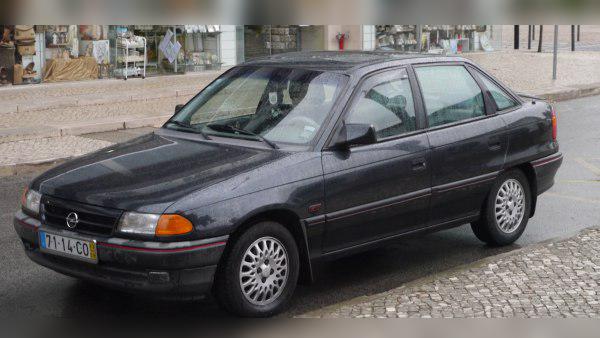
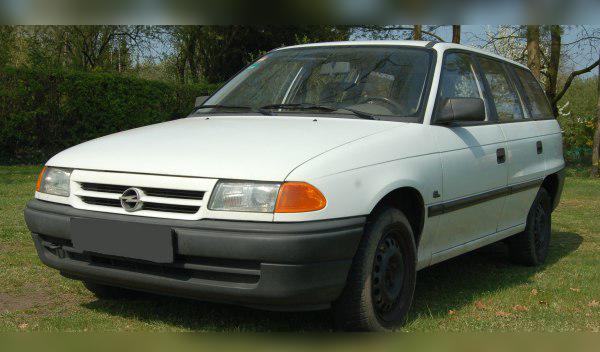
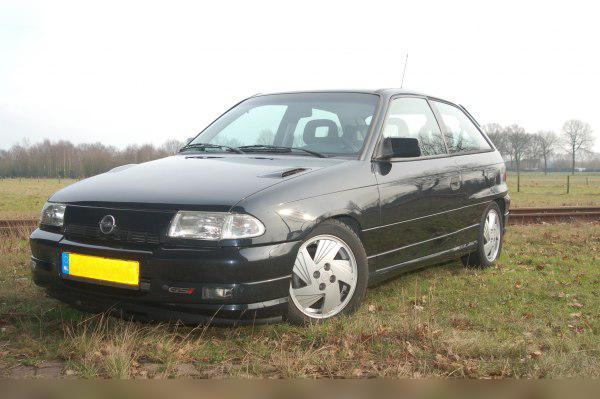
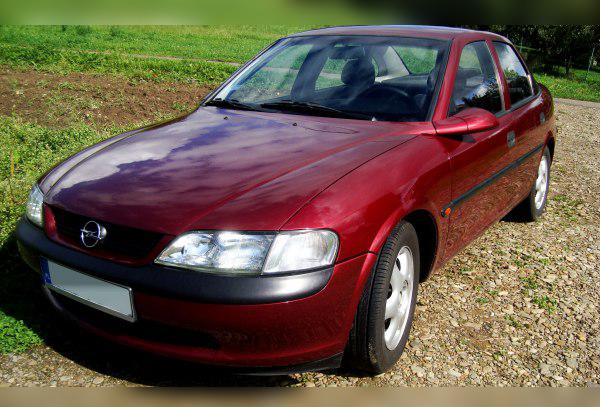
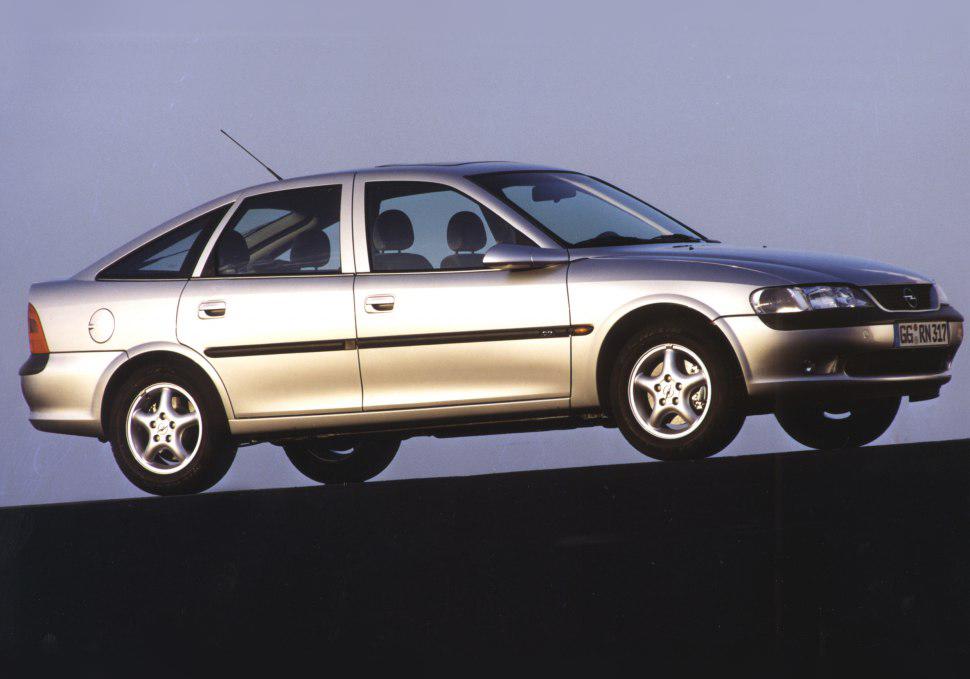
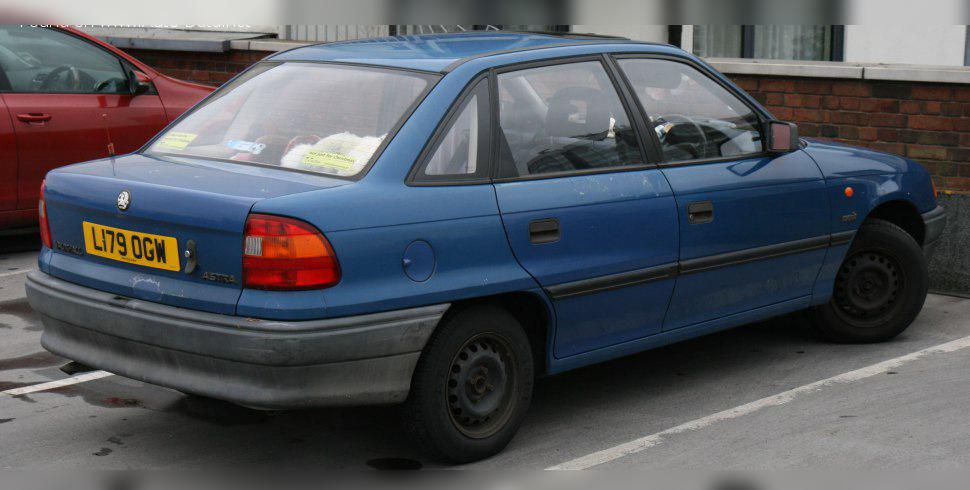
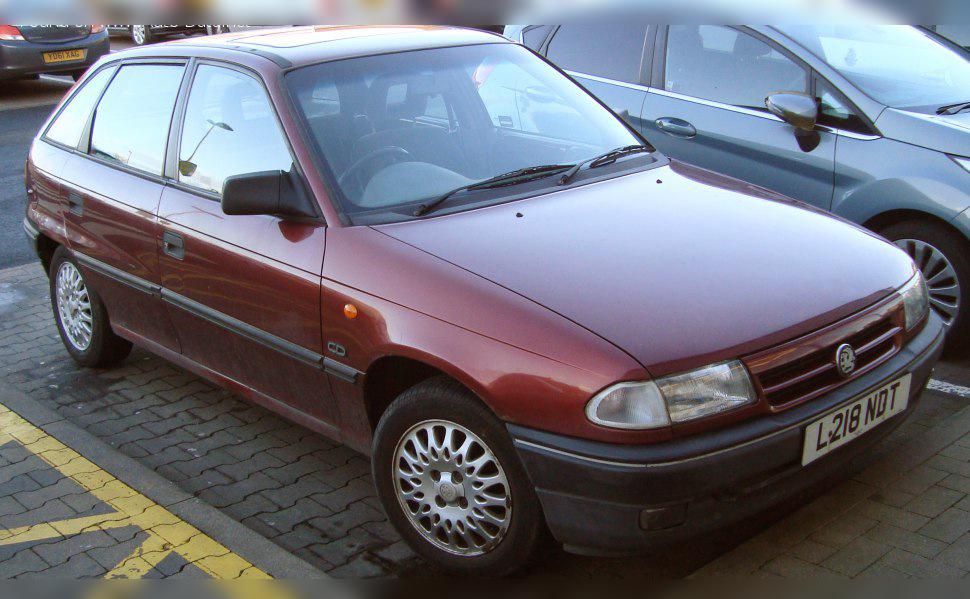
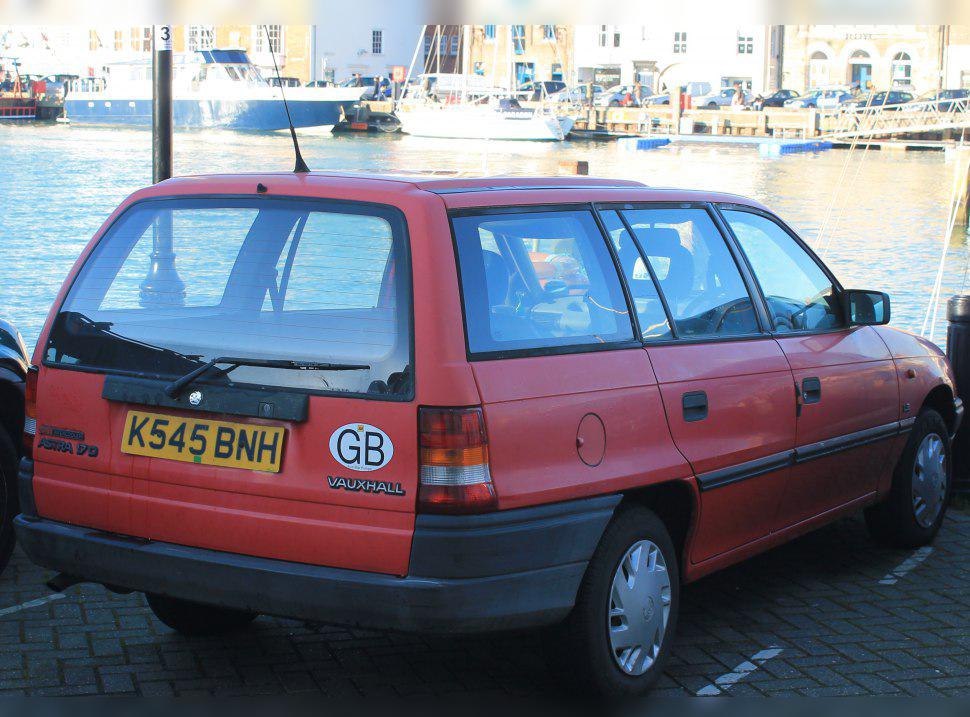
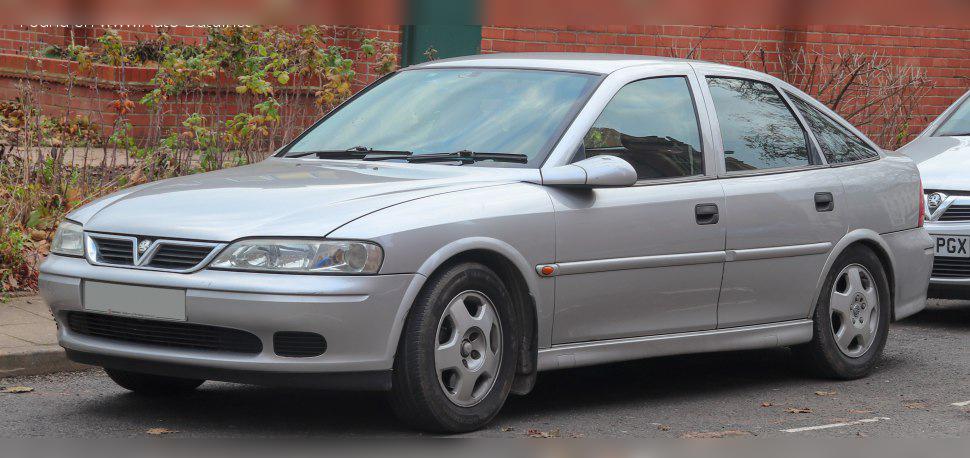
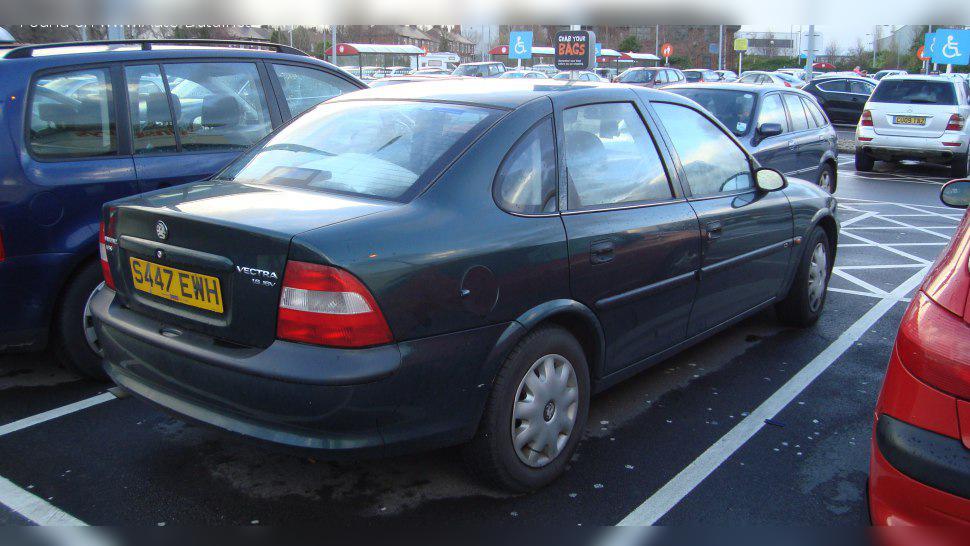
- The cars it was installed in (Astra F, Vectra B) today often suffer from severe body corrosion.
- Maintenance is very affordable, and the engine tolerates harsh operating conditions.
Contents
- Introduction and Engine Origins
- Technical Specifications
- Reliability and Maintenance
- Specific Parts and Costs
- Fuel Consumption and Performance
- Additional Options and Modifications
- Gearbox and Drivetrain
- Buying Used and Conclusion
Introduction and Engine Origins
The engine designated as X17DT, much better known among mechanics and owners as the "Isuzu 1.7 TD", is a true legend of the 1990s. At that time Opel also had its own diesel engine of the same displacement (1.7 D and TD, which were significantly weaker and less reliable), so the X17DT was purchased from the Japanese manufacturer Isuzu in order to improve the engine lineup in models such as the Astra F and Vectra B. This engine was the backbone of reliability, and in practice it often happened that the engine itself significantly outlived the bodywork of the car it was installed in.
Technical Specifications
| Specification | Data |
|---|---|
| Displacement | 1686 cc |
| Power | 60 kW (82 hp) |
| Torque | 168 Nm |
| Engine code | X17DT |
| Injection type | Indirect injection (pre-chamber), mechanical rotary pump |
| Intake / Charging | Turbocharger (fixed geometry) |
Reliability and Maintenance
When it comes to the timing system, the X17DT uses a timing belt. By the standards of the time, the major service intervals are relatively short, so it is recommended to replace the timing belt, tensioner, idler pulleys and water pump every 60,000 to a maximum of 80,000 km. A snapped belt leads to catastrophic damage to the valves and cylinder head, so this is not something to take chances with.
The engine holds about 4.5 to 5 liters of engine oil. Considering the technology and age of these units, it is recommended to use semi-synthetic oil of 10W-40 grade. Does it burn oil? Given that these engines have now covered hundreds of thousands of kilometers, some oil consumption is to be expected due to wear of the piston rings or valve stem seals. Consumption of up to 0.5 liters per 1,000 km is considered acceptable for this engine in its current age, although healthy examples use significantly less.
Most Common Failures
This engine is incredibly robust (the crankshaft, pistons and block are overengineered), but it has a few specific issues. The best-known weakness is the alternator. On this engine, the vacuum pump (which supplies the brake servo) is mounted on the rear side of the alternator. It often happens that the oil seal fails, oil enters the alternator and burns out the diodes or voltage regulator. The repair is not expensive (depends on the market), but it is a common cause of being stranded on the road. There are also frequent minor oil leaks from the oil pan gasket and valve cover gasket, as well as problems with worn glow plugs that make the engine hard to start in winter.
As for the injectors, they are purely mechanical. Their service life is extremely long; they often last well over 300,000 km without any intervention. If they start to "spray" fuel instead of atomizing it, the symptoms are black smoke from the exhaust, rough idle and increased fuel consumption. Refurbishing these injector nozzles is very cheap and can be done by any traditional diesel injection specialist (depends on the market).
Specific Parts and Costs
Excellent news for all used car buyers considering this engine: the X17DT does not have a dual-mass flywheel. Power is transmitted via a classic solid flywheel, which means that replacing the clutch kit (pressure plate, disc, release bearing) is quite affordable (depends on the market).
The injection system relies on a rotary Bosch pump (most often Zexel/Bosch). It is not prone to electronic failures like newer engines, but over time the seals and gaskets inside can fail, causing the pump to leak or draw in air, which makes the first cold start of the day more difficult.
The turbocharger is an old-style unit with fixed geometry (wastegate). It is very reliable and its service life often matches the life of the engine itself, provided the oil has been changed regularly. Symptoms of a worn turbo are loss of power, whistling noises and bluish smoke from the exhaust due to burning oil that the turbo lets into the intake.
Emissions equipment on this engine will not give you headaches. The model only has a primitive pneumatic EGR valve which can get clogged with soot over time, causing engine hesitation and loss of power. Many owners simply block it off physically with a plate, after which the engine "breathes" better. This engine does not have a DPF filter and does not have an AdBlue system, so there are absolutely no such headaches or exorbitant costs here.
Fuel Consumption and Performance
Real-world fuel consumption in city driving ranges between 6.5 and 8 l/100 km, depending on how heavy your right foot is and traffic conditions. Considering that this is an old-design engine with indirect injection, it is not a fuel economy champion by today’s standards, but it is perfectly acceptable.
When installed in an Astra F, its 82 hp provide surprisingly lively performance and it is not sluggish at all. However, in the heavier Opel Vectra B body, especially when the car is full of passengers and luggage, the X17DT shows signs of weakness on uphill sections and requires more frequent use of the gear lever and downshifting.
On the motorway, this engine shows its age. At 130 km/h it cruises at fairly high revs (often over 3,000 rpm, depending on the gearbox ratios), which creates significant engine noise in the cabin. Its comfort zone for long journeys is a speed of around 110 to 120 km/h.
Additional Options and Modifications
When it comes to so-called "chipping" (Stage 1 software power increase), on the X17DT this cannot be done via laptop. The engine has mechanical fuel injection control. Modifications are done the "old-school" way – by mechanically turning adjustment screws on the Bosch pump to increase fuel quantity and physically adjusting the turbo wastegate to raise boost pressure. Although this can yield 10 to 15 hp more, it usually results in clouds of thick black smoke behind the car and increased thermal stress on the cylinder head. The recommendation is to leave it in factory specification.
Gearbox
This engine was most commonly paired with a five-speed manual gearbox (known under F-series designations such as F18). Automatic gearboxes are extremely rare in combination with this engine and should be avoided because, in case of failure, finding spare parts and a competent specialist can be a real nightmare.
The manual gearboxes are very durable mechanically, but their biggest weakness is the gear selector mechanism (linkage and joints). Over time, a lot of play develops in the gear lever, making engagement of first gear or reverse imprecise and difficult. Fortunately, replacing the plastic bushings and selector joints is cheap (depends on the market).
Gearbox servicing is often neglected on older cars. It is recommended to change the oil in the manual gearbox every 60,000 to 80,000 km. Fresh oil significantly extends the life of the synchros and makes shifting easier, especially in winter when the gearbox is cold.
Buying Used and Conclusion
If you are buying a car with the X17DT engine today, keep in mind that these vehicles are over twenty, and in some cases even thirty years old. When inspecting the car, be sure to check the following:
- Cold start: Ask the seller not to start the car before you arrive. If the cold engine cranks for a long time, shakes and emits white/gray smoke, this indicates a problem with compression, the injection pump or faulty glow plugs.
- Condition of the coolant: Open the coolant reservoir (only when the engine is cold!). If you see oily residue, "mayonnaise" or smell exhaust gases inside, the cylinder head gasket has most likely failed.
- Noise from the engine bay: The Isuzu engine is inherently noisier and "harsher" than modern diesels (with its characteristic "clatter"), but there should be no sharp metallic rattling.
Conclusion: Who is this engine for?
The X17DT engine is a perfect choice for drivers on a tight budget who need a workhorse to get from point A to point B without worrying about expensive sensors, EGR valves that require diagnostics, DPF filters and dual-mass flywheels. If you can find an example whose chassis has not rusted away, the mechanics of this Isuzu engine, with minimal but regular maintenance, will certainly not let you down.