Y17DT Engine (1.7 DTI 75 HP) – Experiences, problems, fuel consumption and used-car buying tips
- Isuzu mechanical heritage: Extremely durable engine block and basic mechanics, capable of huge mileage.
- No dual-mass flywheel and no DPF: This is “old-school” diesel, which drastically reduces maintenance and repair costs.
- Most common issues: Failure of the high-pressure pump electronics (EDU module) and mixing of oil and coolant due to seals on the oil cooler.
- Performance: With its 75 HP it is quite sluggish in heavier bodies (Astra, Meriva), but performs excellently in the lighter Corsa.
- Fuel consumption: Very economical engine, both in the city and on the open road.
- Buying recommendation: Ideal as a workhorse or cheap family car, provided it has been regularly maintained.
- Introduction: Old Japanese school in a European suit
- Technical specifications
- Reliability, maintenance and most common failures
- Specific parts and costs (Turbo, Flywheel, Emissions)
- Fuel consumption and performance in real-world conditions
- Additional options and modifications (Chiptuning)
- Gearbox, clutch and drivetrain
- Buying used and final verdict
Introduction: Old Japanese school in a European suit
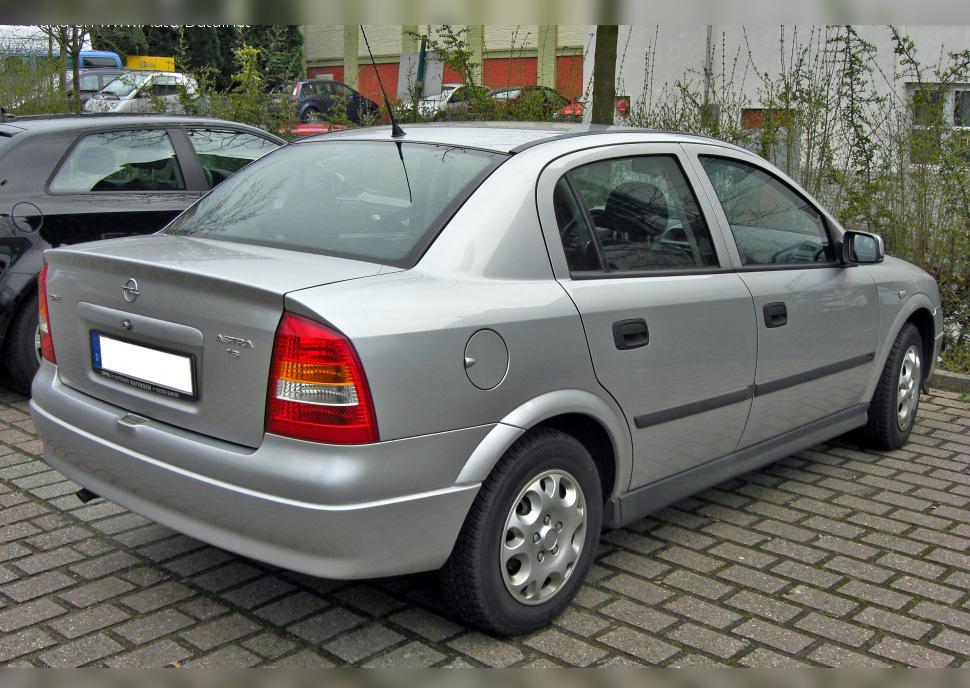
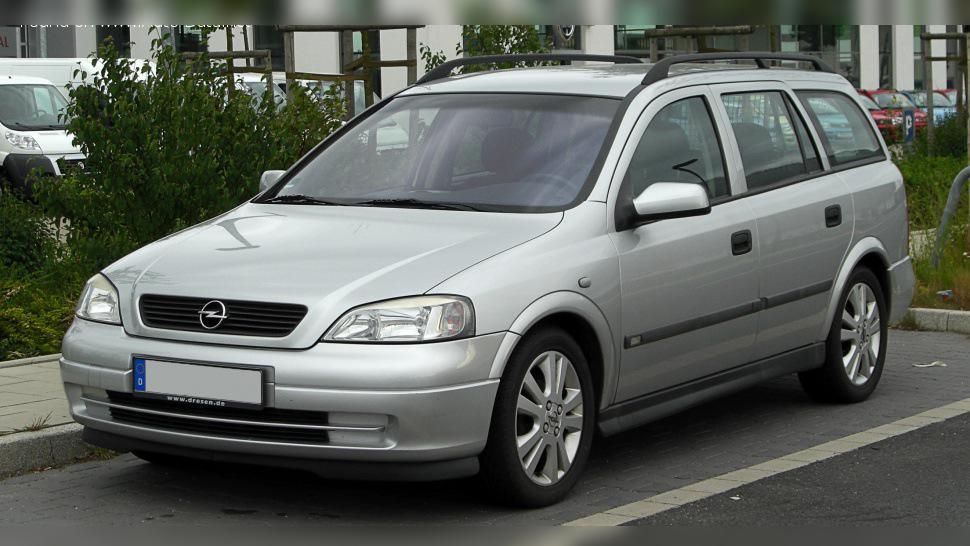
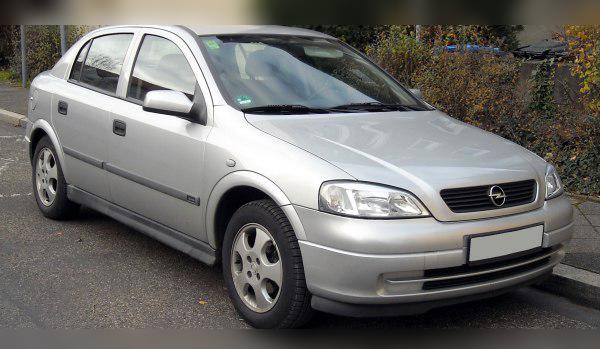
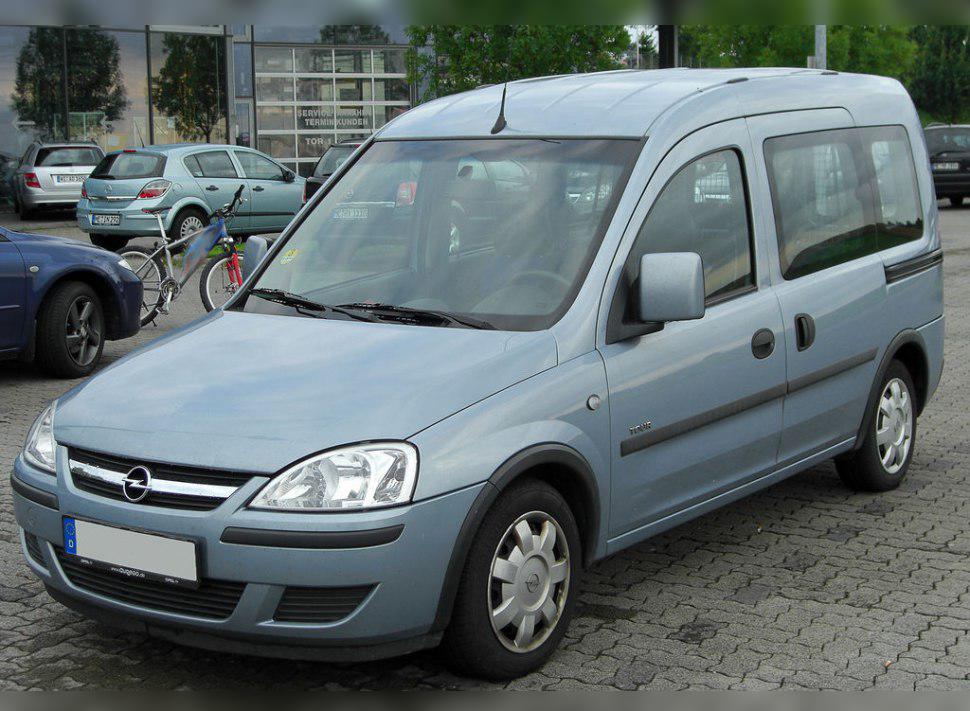
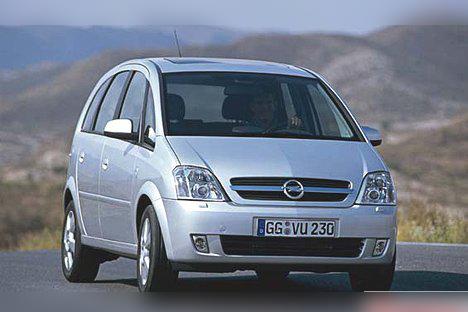
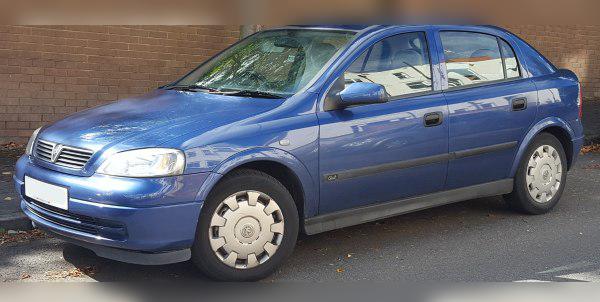
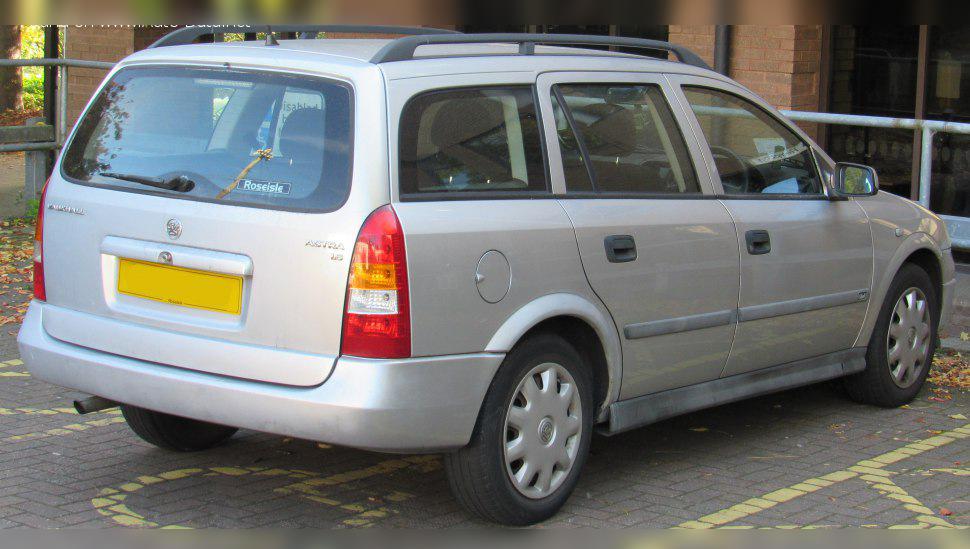
When people mention Opel from the late nineties and early 2000s, one engine stands out in particular for its indestructibility. It is the famous Y17DT, better known as the 1.7 DTI with 55 kW, i.e. 75 HP. This engine is actually not Opel’s, but a masterpiece of Japanese Isuzu, a manufacturer known for building robust workhorses and truck engines. It was installed in a wide range of vehicles, including the Astra G, Corsa C, Meriva A and Combo. Because it lacks modern emissions systems that tend to cause trouble, this engine is still highly sought after on the used market as a cheap and reliable option for everyday driving.
Technical specifications
| Specification | Data |
|---|---|
| Engine code | Y17DT |
| Engine displacement | 1686 cc |
| Power | 55 kW (75 HP) at 4400 rpm |
| Torque | 165 Nm at 1800–3000 rpm |
| Fuel type | Diesel |
| Injection type | Direct injection (rotary VP pump) |
| Charging system | Turbocharger with intercooler |
| Valve timing drive | Timing belt |
Reliability, maintenance and most common failures
The Y17DT engine uses a timing belt to drive the camshafts. The major service interval is specified at around 90,000 to 100,000 km, but in practice you should not wait until the upper limit. It is recommended to replace the complete kit (belt, rollers, tensioners and water pump) every 80,000 km or every 5 years, in order to avoid catastrophic engine damage from belt failure. During a regular minor service, the sump of this engine takes about 4.5 liters of engine oil. The recommended grade is 5W-40, although many owners with higher mileage switch to 10W-40 semi-synthetic. A healthy Y17DT engine should not consume more than 0.5 liters of oil between two services (over 10,000 km), which is considered completely normal.
As for failures, this engine has two “Achilles’ heels” that every owner will feel sooner or later. The first and best known is mixing of oil and coolant. This does not happen due to a cracked cylinder head, but because of worn seals on the oil cooler (heat exchanger) or injector sleeves. The symptom is the appearance of a thick mayonnaise-like sludge in the coolant reservoir. The repair involves replacing the seals and thoroughly flushing the system; the parts are quite cheap, but you will have to pay for the mechanic’s labor (depends on the market).
The second chronic problem is failure of the Bosch pump electronics (EDU module). The module is factory-mounted directly on the engine, where it is exposed to heavy vibrations and extreme temperature changes. Because of this, cold solder joints on the PCB inside the module tend to crack. Symptom: the car simply cuts out while driving and refuses to start, or jerks when you press the accelerator. The solution is to have the module refurbished by an electronics specialist, and many mechanics relocate the module to the firewall after repair to protect it from engine heat.
Also, the vacuum pump is located on the rear side of the alternator. It often happens that the seal fails, letting oil leak directly into the alternator, which leads to burning of the alternator diode plate and loss of battery charging.
Specific parts and costs (Turbo, Flywheel, Emissions)
What sets the 1.7 DTI apart from modern diesels is what it doesn’t have. This engine does not have a dual-mass flywheel, but uses a conventional solid flywheel. This means that the price of the clutch kit (pressure plate, disc, release bearing) is very affordable (not expensive, depends on the market), and you won’t face big hits to your budget due to vibrations when setting off.
The injection system uses a classic high-pressure rotary pump in combination with direct injection. The injectors are mechanical and extremely durable. They rarely cause problems before 300,000 to 400,000 km, and even when they do wear out, overhauling them is very cheap compared to modern common-rail piezo injectors.
Forced induction is provided by a conventional turbocharger with a so‑called wastegate valve (no variable geometry on the 75 HP version). Its service life is excellent; with regular changes of quality oil and avoiding shutting off a hot engine immediately after hard driving, the turbo will easily last beyond 300,000 km.
In terms of emissions, the engine meets the Euro 3 standard. Accordingly, it does not have a DPF filter nor a complicated AdBlue system. Forget about regeneration warning lights and topping up urea. However, the engine does have an EGR valve (exhaust gas recirculation valve). Over time, due to soot and oil vapors, the EGR can become completely clogged. Symptoms are black smoke from the exhaust under acceleration, loss of power and rougher engine operation. Cleaning the EGR valve and intake manifold solves the problem and is considered routine maintenance that is not expensive.
Fuel consumption and performance in real-world conditions
With 75 horsepower and 165 Nm of torque, the Y17DT was not built for racing, but for efficiency. In models such as the Astra G estate or Meriva A, this engine is definitely “lazy”. The body is heavy for what the engine can deliver, so overtaking on country roads is something that must be carefully planned. The situation is much better in the smaller Corsa C, where the engine feels much livelier and is perfectly adequate.
Fuel consumption is one of its main trump cards. In pure city driving, with stop‑and‑go traffic and air conditioning on, consumption ranges from 6.0 to 7.0 l/100 km. On open roads (single carriageway) it easily drops to around 4.5 l/100 km.
However, its weaknesses show up on the motorway. The gearbox has a short fifth gear. When cruising at 130 km/h, the crankshaft spins at a fairly high 3,000 to 3,200 rpm (depending on the gearbox model). Because of this, fuel consumption rises (around 6 l/100 km), and cabin noise becomes significant. This engine feels best at speeds up to 110 km/h.
Additional options and modifications (Chiptuning)
Considering that the basic engine architecture is extremely robust and designed to withstand much higher loads (there are factory versions of this block with 100 HP), the Y17DT is very suitable for a chip tune (Stage 1 remap). By software-optimizing the injection maps and turbo pressure, power can be safely increased from 75 HP to around 95 to 100 HP, while torque rises to a healthy 220–230 Nm.
This modification is highly recommended for Astra and Meriva owners, as it significantly reduces the vehicle’s “sluggishness”, makes overtaking easier and improves drivability under load (air conditioning, fully loaded car), while maintaining the same, and sometimes even slightly lower, fuel consumption in normal driving.
Gearbox, clutch and drivetrain
The Y17DT is most commonly paired with a five-speed manual gearbox (usually designated F17 or F23, depending on the exact model and year). Automatic gearboxes are extremely rare on this engine and should generally be avoided due to age and potentially expensive repairs caused by lack of maintenance.
The manual gearbox itself is reliable, but the gear selector (linkage system) wears out. Over time, the plastic bushings develop play, so the gearbox loses precision and engaging first and second gear becomes more difficult. Replacing the selector repair kit is cheap and quick to do.
As already mentioned, this model uses a solid flywheel, which means that replacing the clutch kit is very affordable compared to modern diesels (depends on the market, but it is among the cheapest options). Due to the age of these vehicles, it is strongly recommended to replace the oil in the manual gearbox. Although many claim it is “lifetime” oil, in practice what drains out is a dark fluid full of metal shavings. It is recommended to change the gearbox oil every 60,000 to 80,000 km to extend the life of the synchros and bearings.
Buying used and final verdict
When buying a used car with the Y17DT engine, forget about the mileage shown on the odometer – these engines will by now almost certainly have covered 300, 400 or half a million kilometers. Focus solely on the current condition:
- Open the coolant reservoir: If you notice a greasy emulsion inside (similar to mayonnaise), the oil cooler seals have failed. It’s not a fatal fault, but it is a good basis for negotiating the price down.
- Listen to the engine on a cold start: It should fire up “on half a turn”. If it cranks for a long time, glow plugs or fuel pressure loss may be the issue. The sound is naturally a bit “tractor‑like” and noisy, but you should not hear metallic knocking.
- Check the alternator: Reach in or shine a light into the area below the vacuum pump. If the alternator is soaked in oil, an overhaul is likely due soon.
- Diagnostics: Read the fault codes (e.g. an error for the EDU module), and check whether the engine has been “patched up” just before sale.
Who is this engine for? The Y17DT designation is synonymous with a working‑class, mule‑like engine. It will not impress you with acceleration or cabin quietness, but it will always get you from point A to point B with minimal costs. It is intended for drivers who need simple and cheap mechanics, those who do delivery work, drive a lot of city and suburban routes, and those who don’t want to worry about dual‑mass flywheels, DPF filters and expensive injectors. This is one of the last “true” old‑school diesels.