Engine Z17DTH 1.7 CDTI (100 HP): Experiences, problems, fuel consumption and used-car buying tips
Key points in short (TL;DR)
- Base reliability: The engine is based on the famous Isuzu block, it is extremely mechanically durable and capable of very high mileage.
- Operation and refinement: Known for its harsher and noisier operation, typical of older diesel units.
- Main weaknesses: The most common issues are alternator failure and SCV valve failure (fuel pressure regulator on the pump).
- Transmission: Models paired with the six-speed M32 gearbox require caution due to well-known bearing problems in the gearbox.
- Eco systems: Usually there is no DPF filter (depends on market and model year), and there is no AdBlue system at all.
- Costs: Maintenance is not too expensive, but replacement of the dual-mass flywheel and Denso injectors can be a serious hit to the budget.
Contents
- Introduction: Old-school Isuzu under the hood
- Technical specifications
- Reliability and maintenance
- Specific parts (costs)
- Fuel consumption and performance
- Additional options and modifications
- Gearbox and drivetrain
- Buying used and conclusion
Introduction: Old-school Isuzu under the hood
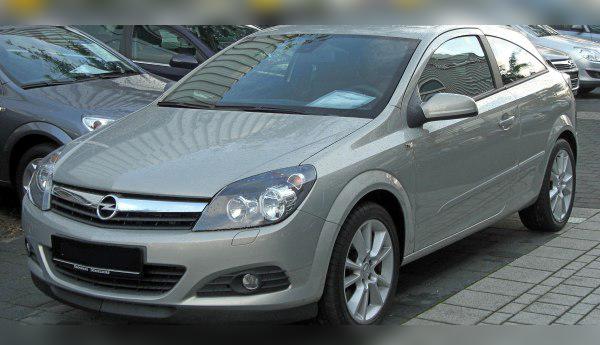
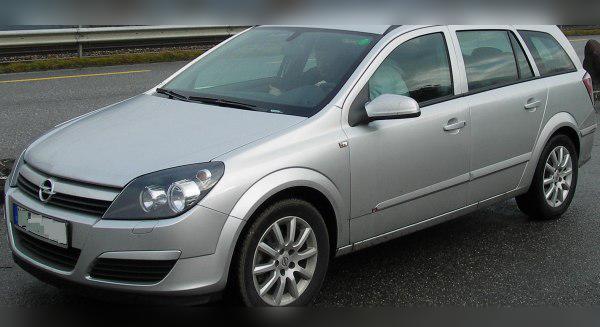
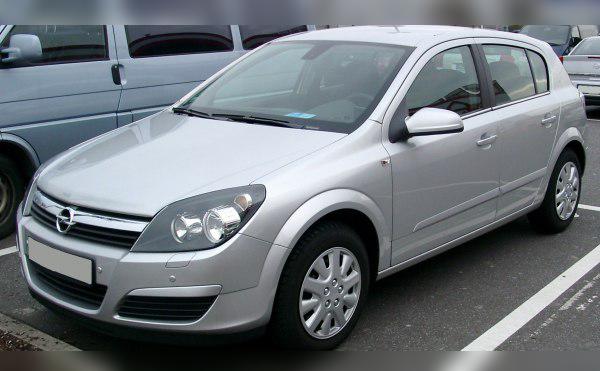
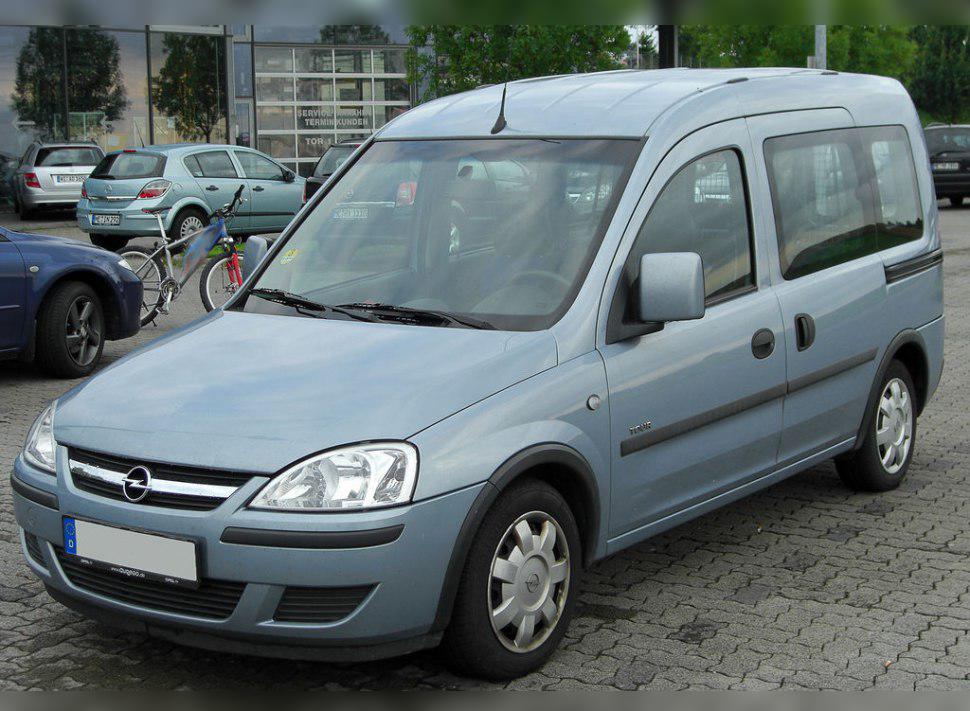
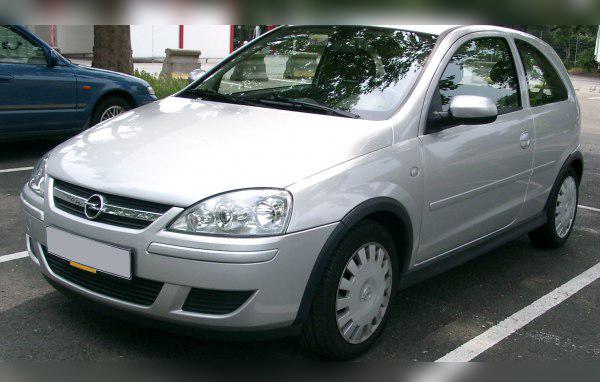
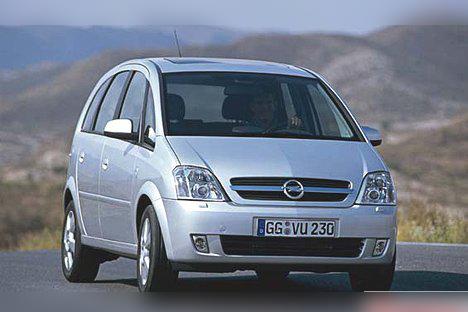
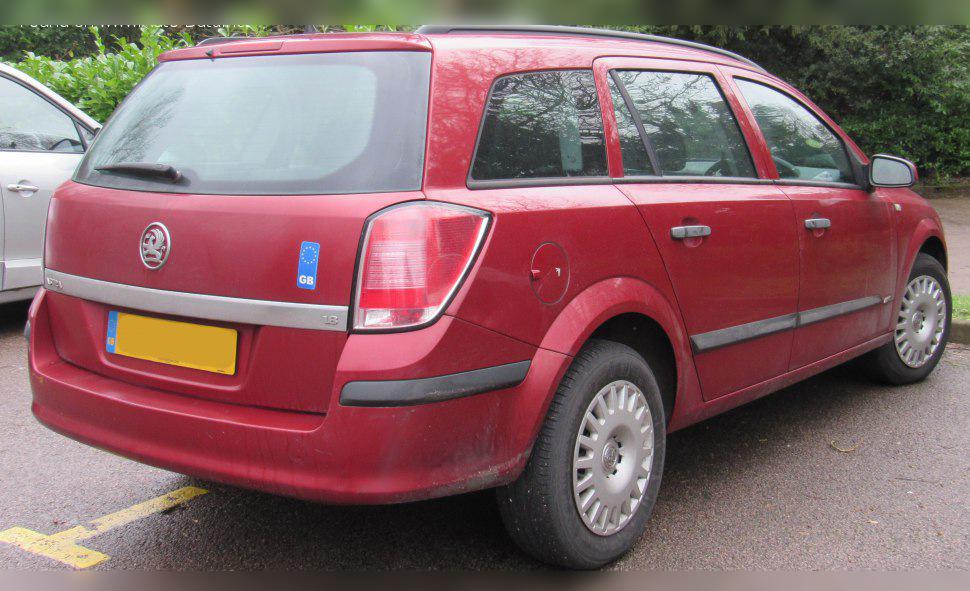
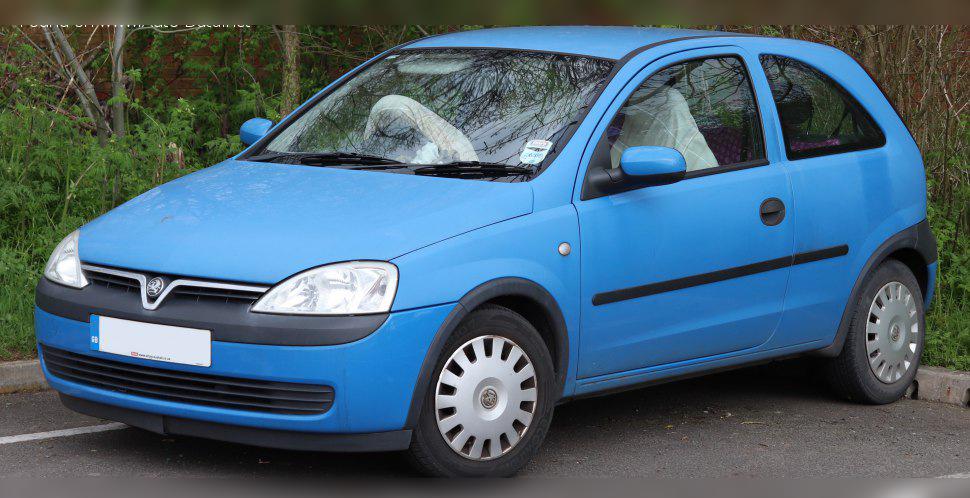
When someone mentions the Z17DTH engine, any experienced mechanic will first say one word: Isuzu. This 1.7 CDTI engine is an evolution of the famous Isuzu diesel units that have been installed in vehicles around the world for decades. With its 74 kW (100 HP), this engine was the golden middle in Opel’s (and Vauxhall’s) lineup in the mid-2000s. It was installed in a wide range of vehicles, from the light Corsa C, through workhorses like the Combo C, all the way to the popular Astra H and Meriva A. Although it cannot boast the refinement and quietness of modern diesels, its raw durability makes it highly appreciated on the used-car market.
Technical specifications
| Engine code | Z17DTH |
| Engine displacement | 1686 cc |
| Power | 74 kW (100 HP) |
| Torque | 240 Nm |
| Injection type | Common Rail (direct injection) |
| Charging | Turbocharger with variable geometry (VGT) and intercooler |
| Fuel type | Diesel |
Reliability and maintenance
Power transmission: Timing belt
This engine uses a timing belt, not a chain. Factory recommendations for the major service vary, but in practice it should be done at 90,000 to 100,000 km at the latest, or every 5 to 7 years (whichever comes first). Along with the belt, idler pulleys, tensioners and the water pump must be replaced to avoid cylinder head damage in case the belt snaps.
Most common failures
Although the engine block itself (cylinders, crankshaft, pistons) is practically indestructible, the peripherals have their weaknesses:
- Alternator: Definitely the weakest point on the Astra H with this engine. The diode plate on the alternator often burns out. The driver will notice this through the battery warning light, loss of power steering (which is electro-hydraulic) and eventually complete engine shutdown on the road.
- SCV valve (Suction Control Valve): This is the fuel pressure regulator on the high-pressure pump. Symptoms of failure are fluctuating idle speed (the rev needle “dances”), rough running while the engine is cold, and sometimes stalling when you press the clutch while approaching a traffic light.
- Oil leaks: It is quite common to see light “sweating” of oil on the crankshaft oil seal or around the oil pressure sensor. It is not dangerous if fixed in time, but it requires attention.
Engine oil and oil consumption
The Z17DTH takes exactly 5.0 liters of engine oil. Fully synthetic oil with a viscosity of 5W-30 or 5W-40 is recommended, with mandatory compliance with the GM Dexos 2 specification. As for oil consumption, this is not an engine that drinks oil “by the liter” like some petrol engines from the same period. Normal consumption is considered to be around 0.2 to at most 0.5 liters per 10,000 km, which usually disappears through evaporation and older seals. Anything above that points to a problem with the piston rings or, more often, worn bearings in the turbocharger.
Injector longevity
The fuel system is supplied by the Japanese Denso system. These injectors are extremely robust and it is not uncommon for them to last over 250,000 to 300,000 km before showing signs of wear. Symptoms of worn injectors include rougher engine operation, difficult cold starts, black smoke from the exhaust and increased fuel consumption.
Specific parts (costs)
Dual-mass flywheel
Yes, the Z17DTH engine has a dual-mass flywheel. Since the unit runs quite “rough”, the flywheel is exposed to significant torsional shocks and its service life is usually around 150,000 to 200,000 km in city driving. Replacing the clutch kit and dual-mass flywheel falls into the category of: expensive to very expensive (depends on the market), and is one of the biggest one-off expenses on this car.
Injection system
As already mentioned, the Denso injection system is reliable, but the problem starts when something fails. Denso parts for this engine (injectors and pump) are quite expensive to refurbish compared to the more common Bosch systems used on some other vehicles.
Turbocharger
The engine has a single turbocharger with variable geometry (VGT). Its lifespan is long, provided you change the oil regularly and let the car idle for a minute or two after longer highway drives so the oil can cool the turbo shaft. Sooted-up geometry caused by predominantly city driving can make the engine go into “limp mode” (safety mode) during hard acceleration.
Eco systems: DPF, EGR and AdBlue
EGR valve: Yes, it has one, and it gets clogged with soot in the usual way, especially if the car is lugged at low revs in the city. The symptom is loss of power and black smoke. Cleaning the EGR is a routine job for mechanics and is not expensive (depends on the market).
DPF filter: In the vast majority of cases the Z17DTH does not have a DPF filter from the factory, because it met the Euro 4 standard without it (it only has a conventional catalytic converter). Still, it is recommended to check by VIN, because models for some specific, more environmentally strict markets may have been equipped with it.
AdBlue: This engine does not have an AdBlue system, as that technology came much later.
Fuel consumption and performance
Real-world fuel consumption
In city driving, real-world fuel consumption of this engine (for example in an Astra H) is between 6.5 and 7.5 l/100 km. On the open road it can drop to an impressive 4.5 l/100 km.
Is it sluggish?
This depends heavily on the body style. In a Corsa C or a light Combo, 100 HP and 240 Nm make the car very lively and even fun to drive. In the heavier Astra H (especially the Caravan version) and Meriva, the engine copes adequately with the weight, but the driver will feel a pronounced “turbo lag” below 1,800 rpm. Compared to newer diesels, the engine needs to be revved a bit more to pull smoothly.
Highway cruising
The engine has enough breath for highway driving, but acoustic comfort is not great because the engine block is simply noisy. At 130 km/h, revs depend on the gearbox: with 5 speeds it spins at about 2,700 to 2,800 rpm, while in 6-speed versions revs drop below 2,400, which drastically reduces noise and fuel consumption.
Additional options and modifications
Remapping (Stage 1)
The Z17DTH responds very well to chip tuning. Thanks to the strong Isuzu base, a Stage 1 software remap can safely raise power from 100 HP to 125–130 HP, and torque from 240 Nm to almost 300 Nm. This drastically smooths out the mentioned “turbo lag” at low revs and makes overtaking easier. It is important that the dual-mass flywheel and clutch are in good condition before this operation, because the additional torque can quickly destroy worn transmission components.
Gearbox and drivetrain
Types of gearboxes
This engine is most commonly paired with a 5-speed manual gearbox (code F23) or a 6-speed manual gearbox (the infamous M32). There are also rare models with the “Easytronic” automated manual gearbox.
Most common gearbox failures
- F23 (5-speed): A very robust and reliable transmission. It rarely causes problems; it can just feel a bit “stiff” and imprecise when shifting.
- M32 (6-speed): This is Opel’s notorious gearbox. It is known for bearing failure inside the gearbox (especially the 6th-gear bearing). Symptoms: a characteristic “whining” or “howling” noise in 5th and 6th gear, as well as noticeable fore-and-aft movement of the gear lever when you press and release the throttle in first gear. Overhauling this gearbox is expensive (depends on the market).
- Easytronic: This system should be avoided on the used market. The actuator electric motors that shift gears and operate the clutch tend to fail, the electronics give up, and the car jerks while driving.
Gearbox servicing
Although many manufacturers state that the oil in a manual gearbox is “lifetime filled”, any experienced mechanic will advise otherwise. Especially if you have the 6-speed M32 gearbox, it is recommended to drain the old oil and fill with new quality gearbox oil (slightly above the factory-specified level for better bearing cooling) every 60,000 to 80,000 km.
Buying used and conclusion
What to check before buying?
When test-driving a used car with the Z17DTH engine, be sure to pay attention to the following:
- Cold start: Ask the seller not to start the car before you arrive. Listen to how the starter turns (if it turns slowly and the engine cranks for a long time, the alternator may already have weakened the battery).
- Idle operation: If the rev counter needle is shaking, the SCV valve is most likely due for replacement.
- Dual-mass flywheel noise: Gently press and release the clutch at idle. If you hear metallic rattling or feel strong vibrations in the pedal, the flywheel is at the end of its life. Also, the car should not shake violently when you switch the engine off.
- Gearbox test: If it is a 6-speed model (M32), put it in first gear and sharply press and release the throttle. If the gear lever “moves around” in your hand, the bearings have already started to fail.
Final verdict
Who is the Z17DTH for? This is an engine for people who cover a lot of kilometres, often drive on regional roads, and do not care much about cabin quietness and the “silky-smooth” engine operation offered by some French diesels. Its Isuzu genetics guarantee the reliability of the engine itself, and if you find an example with a healthy M32 gearbox (or even better, paired with the 5-speed F23) and a replaced dual-mass flywheel, you will get a dependable workhorse that will serve you faithfully for years with very reasonable fuel consumption.