Jaguar / Land Rover 3.0 V6 Supercharged (306PS) – Experiences, issues, fuel consumption and used-buying tips
Key points (TL;DR)
- The 306PS engine (also known as AJ126) offers fantastic performance thanks to its mechanical supercharger and has no turbo lag.
- Biggest downside: Cracking of the plastic coolant pipes under the supercharger, which can lead to catastrophic engine overheating.
- The timing system uses a chain; earlier model years had issues with tensioners, so a cold start is crucial during inspection.
- Fuel consumption is high, especially in city driving and in heavier SUV models (easily over 15 l/100km).
- Excellent tuning potential – significantly more power can be extracted from this engine with software and smaller pulleys.
- Maintenance is expensive (depends on the market), so buying is recommended only for those who have the budget for regular inspections and preventive replacement of parts.
Contents
- Introduction and engine origins
- Technical specifications
- Reliability and maintenance
- Specific parts and costs
- Fuel consumption and performance
- Additional options and modifications
- Gearbox and drivetrain
- Buying used and conclusion
Introduction and engine origins
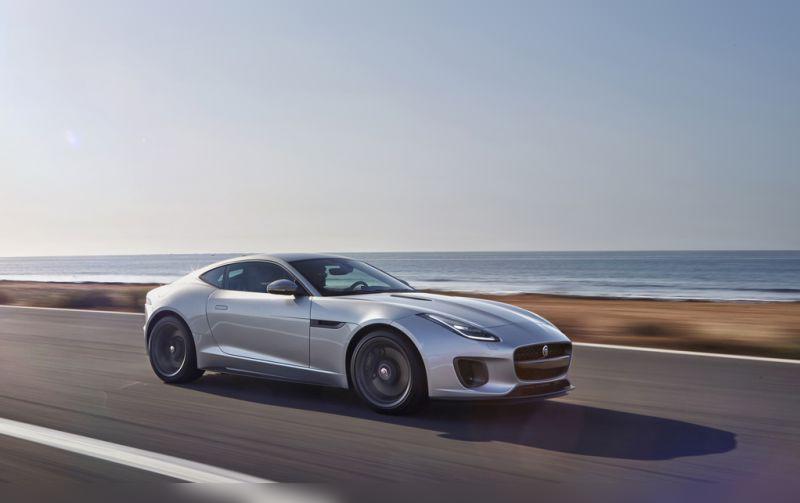
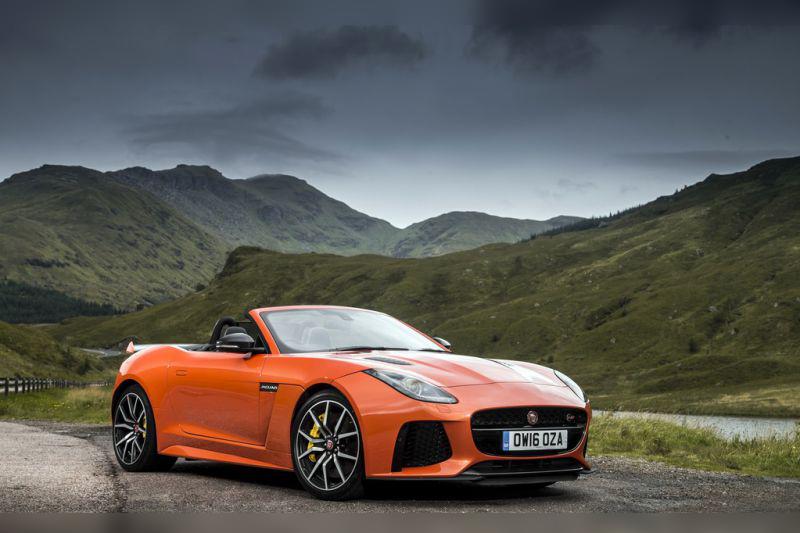
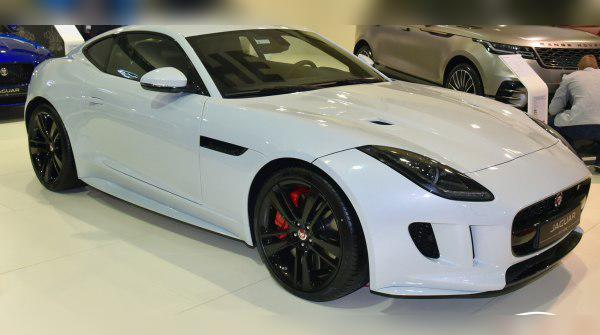
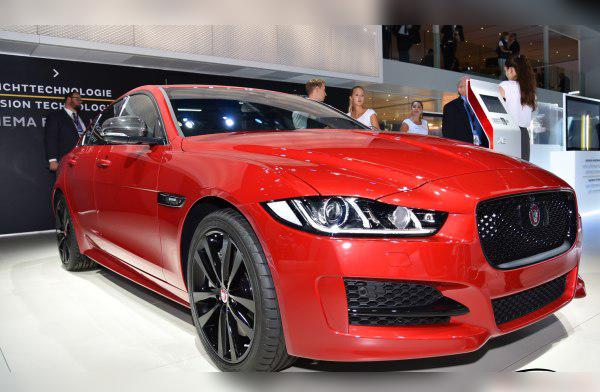
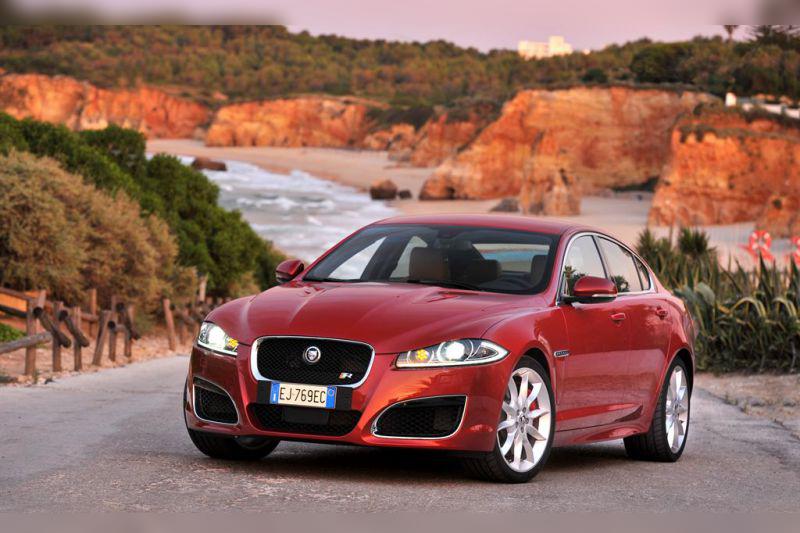
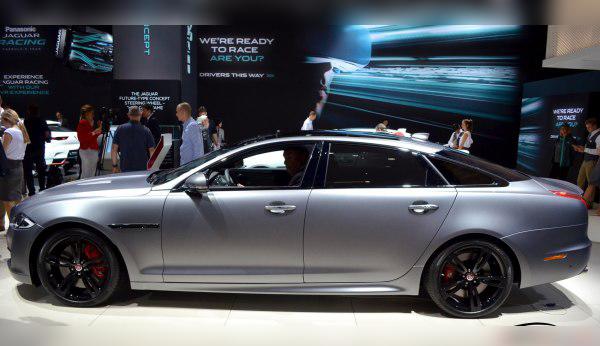
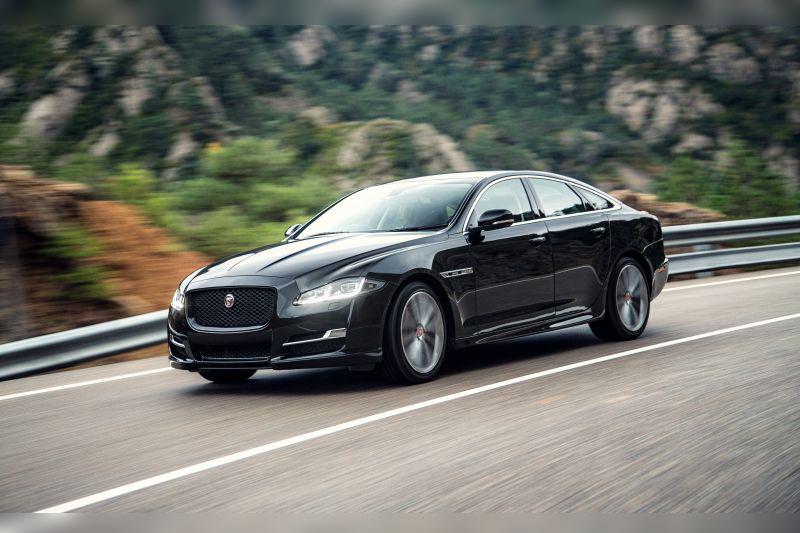
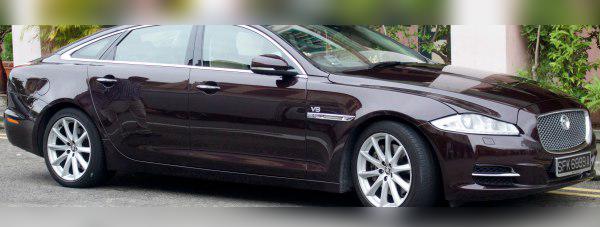
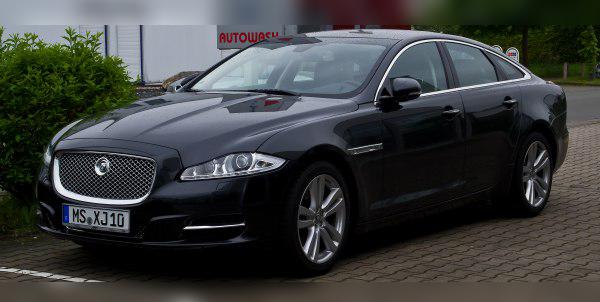
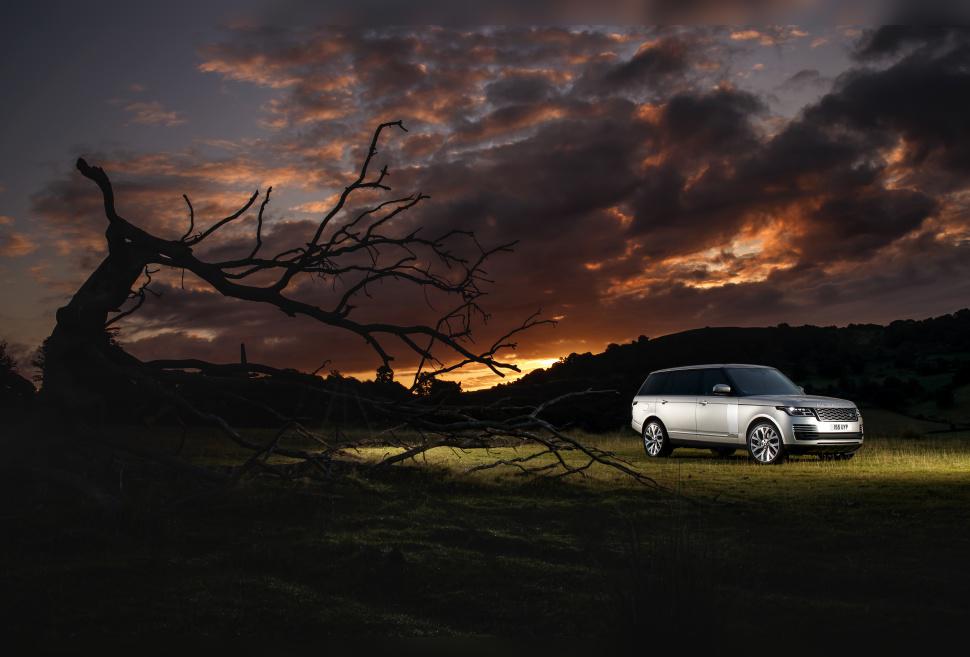
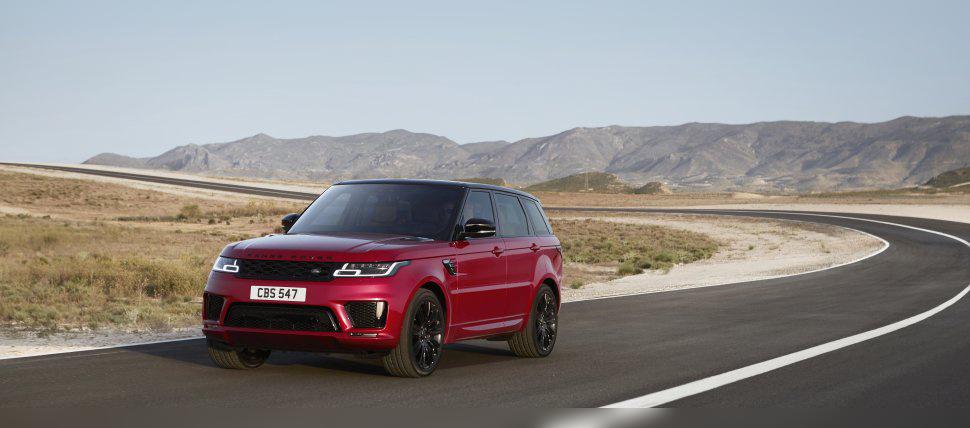
The engine designated as 306PS (known internally as AJ126) is a real treat for driving enthusiasts. Interestingly, this 3.0 V6 actually shares its block with the larger 5.0 V8 (AJ133), with two cylinders being “blanked off”. It was installed in a wide range of vehicles, from the sporty Jaguar F-Type, through luxury saloons (XE, XF, XJ), all the way to the massive SUVs from the Land Rover range (Range Rover, Range Rover Sport, Velar). Unlike today’s turbocharging trend, this engine uses a mechanical supercharger, which gives it a distinctive sharp sound and instant throttle response.
Technical specifications
| Specification | Data |
|---|---|
| Engine displacement | 2995 cc |
| Power | 250 kW (340 hp) |
| Torque | 450 Nm |
| Engine codes | 306PS / AJ126 |
| Injection type | Direct (GDI) |
| Forced induction | Mechanical supercharger with intercooler |
Reliability and maintenance
Timing drive: Chain or belt?
This engine uses a timing chain, not a belt. On earlier versions (pre-facelift), the timing system was one of the weak points. Chain tensioners and guides were known to fail prematurely. The driver will notice this as a specific rattling or metal-on-metal scraping noise from the front of the engine during a cold start. The major timing service (replacement of the complete chain set) is not done at a fixed interval, but when the first symptoms of chain stretch appear, or at mileages above 150,000 km. The cost of this job is very high (depends on the market).
Most common failures
The biggest and potentially most dangerous issue with this engine is coolant leakage. The supercharger sits in the so‑called “V” of the engine block, and underneath it are plastic coolant pipes (Y‑connectors). Due to extreme heat, the plastic becomes brittle over time and cracks. The driver may notice a sweet smell of coolant, steam under the bonnet, or a low coolant warning light. You must not ignore this! The aluminium engine block cannot tolerate overheating, and driving without coolant will inevitably destroy the engine.
Also, due to direct injection, carbon buildup occurs on the intake valves. Symptoms include rough idle and loss of performance. Cleaning the valves (for example, by walnut shell blasting) is recommended every 80,000 to 100,000 km.
Oil and regular servicing
The engine takes about 7.25 litres of oil, and the factory recommendation is usually 5W-20 or 0W-20 (JLR-specific specification). Although the manufacturer prescribes long service intervals, anyone who wants to preserve this engine will change the oil at no more than 10,000 to 15,000 km.
As for oil consumption between services, due to the nature of a supercharged engine and its high operating temperatures, consumption of around 0.2 to 0.5 litres per 1000 km is considered normal, although completely healthy engines usually consume less than that.
Spark plugs
Since this is a petrol engine, spark plug replacement is mandatory. It is recommended to use original iridium spark plugs, with a replacement interval usually between 80,000 and 100,000 km. If you notice “hesitation” under acceleration (misfire), that is the first sign that the spark plugs (or coils) are worn out.
Specific parts and costs
Fuel injection system
The engine uses direct petrol injection. Injectors are generally durable but sensitive to poor fuel quality. If an injector fails, the engine will run on fewer cylinders, shake, and illuminate the Check Engine light. Replacing injectors is expensive (depends on the market). In addition to injectors, the high-pressure fuel pumps (HPFP) sometimes fail as well; there are two of them.
Supercharger
This engine does not have a turbocharger; it uses an Eaton Roots supercharger. The supercharger itself has a long service life, but a specific problem is caused by the part that connects the pulley to the rotors inside the supercharger (the so‑called supercharger isolator/coupler or torsion spring). When the spring wears out, you can hear a “knocking” or metallic tapping similar to bad valve noise at idle. The part itself is not expensive (depends on the market), but labour is costly because the entire supercharger has to be removed from the engine.
Emissions equipment (DPF, EGR, AdBlue)
This is a petrol-only engine. Therefore, it has no DPF filter and does not use AdBlue. There is a crankcase ventilation system (PCV valve), which can cause issues with poor vacuum (leading to higher oil consumption and rough running), and replacing the membranes in the PCV system is a common preventive practice.
Fuel consumption and performance
Fuel consumption
Do not expect fuel efficiency. Real-world city consumption is around 14 to 18 l/100km, depending on vehicle weight and driving style (a Jaguar XE will use noticeably less in town than a Range Rover). On the open road, the supercharger is mostly off‑load, so consumption can drop to a very acceptable 9 to 11 l/100km.
Response and motorway cruising
Is the engine “lazy”? Absolutely not. The biggest advantage of a supercharger over a turbo is that it offers huge torque from very low revs. The engine pulls extremely linearly and easily moves even heavy models like the Range Rover Sport (over 2 tonnes). On the motorway it is extremely refined. At 130 km/h, thanks to the eight-speed automatic gearbox, revs are usually at a relaxed 2000 to 2200 rpm (depending on the specific model and final drive), which guarantees cabin comfort.
Additional options and modifications
LPG conversion
Because of the direct injection system into the cylinders at extremely high pressure, fitting an LPG system is very complex and very expensive (depends on the market). It requires specific systems that still inject a certain percentage of petrol for injector cooling. Top specialists generally advise: avoid LPG conversion on this engine, as it often leads to permanent damage and running issues.
ECU remap (Stage 1)
This is the favourite discipline of JLR 3.0 V6 owners. Since it shares the same architecture with versions that come from the factory with 380 hp, this engine is extremely tune‑friendly. With a software-only remap (Stage 1), the engine can safely reach around 380 to 400 hp. With further modifications, including fitting a smaller supercharger pulley (to spin the supercharger faster) and appropriate software, outputs of around 430 hp are common without significantly compromising reliability, provided maintenance is stepped up.
Gearbox
Types of gearboxes
In about 95% of cars on the market, this engine is paired with the ZF 8HP automatic gearbox (eight speeds). This is arguably one of the best automatic transmissions in the world. In rare cases, only on certain Jaguar F-Type versions, a six-speed manual gearbox from ZF was also offered.
Issues and clutch
Manual models use a dual-mass flywheel. If the clutch kit and flywheel need to be replaced on a manual car, the cost is very high (depends on the market), as this is a performance part that is rarely available outside authorised networks.
On the other hand, automatic ZF gearboxes do not have a conventional dual-mass flywheel, but a hydraulic torque converter. The most common automatic issues are harsh shifts or jerks when changing from second to third gear, which is almost always the result of irregular maintenance.
Gearbox maintenance
Although some dealers claim that the gearbox oil is “lifetime fill”, specialists and ZF itself explicitly state that gearbox servicing is essential. The oil in the automatic gearbox, together with the integrated sump (which contains the filter), should be changed every 80,000 to 100,000 km.
Buying used and conclusion
What exactly to check before buying?
- Engine cooling system: This is the most important. Have a pressure test of the cooling system done at a workshop. Look for white residue around the supercharger and on hoses. Ask the seller whether the front and rear coolant crossover pipes have ever been replaced.
- Cold-start noise test: Make sure you are present when the car is started for the first time that day. Rattling from the front of the engine indicates a worn chain and tensioners.
- Supercharger noise at idle: If you hear a “knocking” (a kind of click‑clack) under the engine cover that disappears when you blip the throttle, the supercharger coupler (isolator) is due for replacement.
- Diagnostics: Check the fault code history – specifically look for misfire codes on individual cylinders, which can indicate carbon buildup on valves, bad injectors, or a weak high-pressure pump.
Who is this engine for?
The 3.0 V6 Supercharged (340 hp) engine is not for drivers looking for a cheap and carefree daily runabout from point A to point B. This powertrain requires a careful and proactive owner who is aware of the high fuel consumption and is not willing to compromise on proper maintenance.
If you are an enthusiast buying an F-Type for weekend fun, a luxury XF for fast motorway trips, or a Range Rover in which you want linear power and a fantastic soundtrack instead of diesel clatter – this engine will offer you a top‑tier experience, provided that you have it thoroughly inspected by a trusted specialist right after purchase and replace the plastic components of the cooling system.