Engine 508PS (5.0 V8 Supercharged) – Experiences, issues, fuel consumption and used‑car buying tips
- Most important in short (TL;DR)
- Introduction: A beast from the Jaguar and Land Rover plants
- Technical specifications
- Reliability and maintenance
- Specific parts and costs
- Fuel consumption and performance
- Additional options and modifications
- Gearbox and drivetrain
- Buying used and conclusion
Most important in short (TL;DR)
- Raw power: With 510 hp and a supercharger, this engine delivers brutal performance, but it demands a deep pocket for maintenance.
- Timing chain and tensioners: The biggest weakness of earlier models (up to 2013) is wear of the chain guides, which can lead to catastrophic engine damage.
- Cooling system: Coolant leaks at the water pump and plastic pipes under the supercharger are extremely common.
- Supercharger: Rattling at the front of the engine usually points to a worn isolator (spring) inside the Eaton supercharger itself.
- Fuel consumption: Forget about economy; in city driving, heavy SUVs with this engine easily gulp over 20 l/100 km.
- LPG (Autogas): Because of direct injection, LPG conversion is extremely expensive and not recommended.
Introduction: A beast from the Jaguar and Land Rover plants
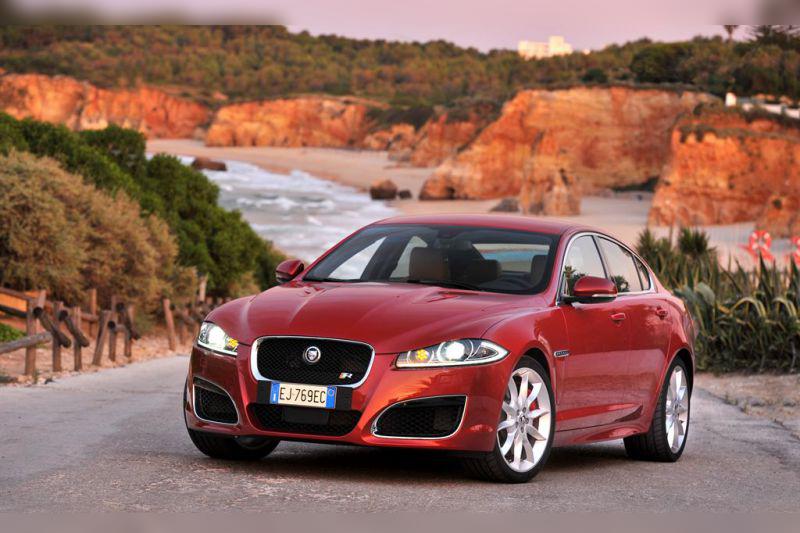
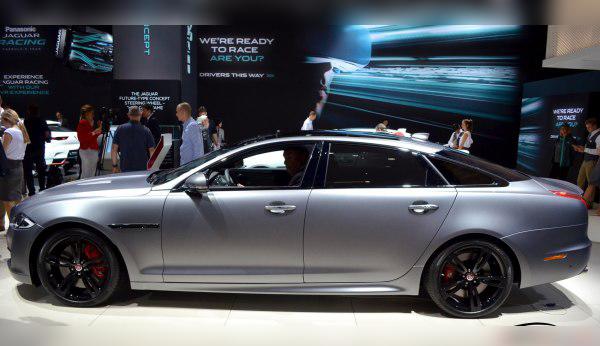
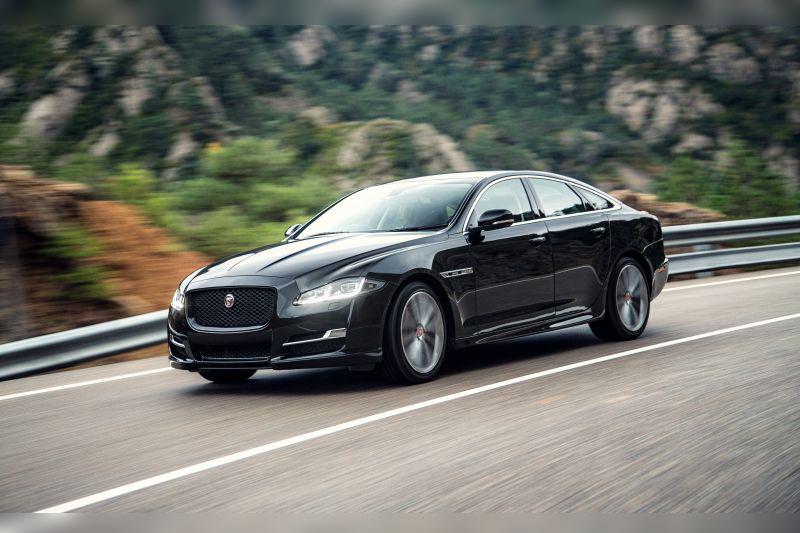
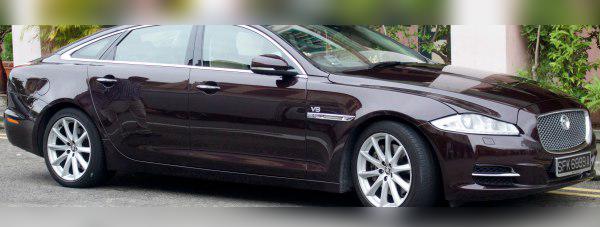
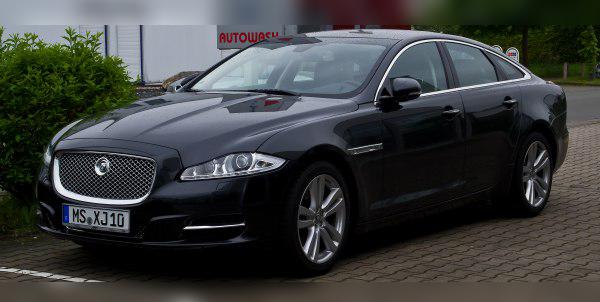
When you mention the code 508PS, mechanics and fans of British cars immediately know what you’re talking about. This is the legendary 5.0 V8 Supercharged engine from the AJ‑V8 family (also known as AJ133). It was fitted to top‑of‑the‑line models of prestigious brands, giving them supercar performance. You can find it under the bonnet of saloons such as the Jaguar XF and XJ, as well as in heavy SUVs like the Range Rover (third and fourth generation) and Range Rover Sport.
This engine was designed to deliver instant throttle response thanks to the mechanical supercharger, but its complexity, operating temperatures and sheer power mean it absolutely does not tolerate neglect. If you’re planning to buy a used car with this heart, you must be prepared for maintenance that matches the premium class it belongs to.
Technical specifications
| Characteristic | Data |
|---|---|
| Engine displacement | 5000 cc (5.0L) |
| Power | 375 kW (510 hp) |
| Torque | 625 Nm |
| Engine codes | 508PS / AJ133 |
| Fuel type | Petrol (Gasoline) |
| Injection type | Direct injection |
| Forced induction | Mechanical supercharger with intercooler |
Reliability and maintenance
The main question every buyer asks is: Does this engine have a timing belt or a chain? The answer is a chain, in fact a system of multiple chains driving the camshafts. Unfortunately, the timing system is also the biggest Achilles’ heel of this engine, especially on models produced up to 2013. The factory used aluminium chain guides where a steel insert would strike the aluminium, causing wear and loss of tension. The symptom is a distinct rattle on cold start. Fixing this problem requires removing the front timing cover and replacing the complete set, which is very expensive (depends on market).
Since there is no timing belt, the classic “major service” in the sense of belt replacement at a set mileage does not exist. However, in practice, replacement of the chain, tensioners and guides (as an informal major service) often has to be done between 100,000 km and 150,000 km if symptoms of chain stretch are present.
Another huge problem is the cooling system. The water pump is notorious for starting to leak early, sometimes at only 60,000 km. In addition, the plastic crossover pipes located in the “V” of the engine, right under the supercharger, become brittle over time due to extreme heat and crack. The symptom is rapid coolant loss and a sweet smell under the bonnet. If this is ignored, the engine will overheat and, given the aluminium block, that usually means the end of the engine.
As for oil, this massive V8 takes about 7.25 to 8 litres of oil (depending on whether you also change the filter and how well you drain the sump). Only high‑quality synthetic oil of grade 5W‑20 or 0W‑20 (to JLR specification) is recommended. Does it consume oil? Yes. Due to the large tolerances and the mechanical supercharger, it is normal for it to use between 0.5 to 1 litre per 5,000 km, especially if driven aggressively. If it uses more than that, the problem may be in the PCV system (oil separator) or piston rings.
Since this is a powerful petrol engine, the spark plugs are under heavy load. It is recommended to replace them every 60,000 to 80,000 km. If the engine starts to hesitate or stumble at full throttle (misfire), spark plugs or ignition coils are the first suspects.
Specific parts and costs
This engine was never offered with a manual gearbox and therefore does not have a conventional dual‑mass flywheel with clutch in the sense that troubles drivers of manual diesels. Instead, it uses a torque converter inside the automatic transmission.
The fuel injection system is direct injection. The injectors spray fuel at extremely high pressure directly into the cylinder. Are they problematic? They can be. Over time they can get dirty or stick “open”, which leads to too much fuel entering the cylinder, washing oil off the walls (bore scoring) and potentially damaging the crankshaft. Refurbishing or replacing injectors is expensive (depends on market). Also, because of direct injection, the valves do not get washed by petrol, so carbon deposits build up on the intake valves. Intake cleaning (walnut blasting) is recommended at around 100,000 km.
This engine does not have a turbocharger. Instead, air is compressed by a massive Eaton TVS R1500 mechanical supercharger located in the “V” of the engine. The supercharger itself has a long service life, but its drive section (snout) contains a torsion spring (isolator) that wears out over time on the shaft. The symptom is a loud metallic rattle, like marbles in a tin can, at idle. Replacing the isolator with a better, solid version solves the problem and is not extremely expensive (depends on market) if done in time. The supercharger also contains oil that should be changed at around 100,000 km, even though the factory claims it is “lifetime”.
Since this is a petrol engine, it does not have a DPF filter or AdBlue system. There are no worries about regeneration on short trips. Although it has an exhaust gas recirculation system (which serves a function similar to an EGR), it rarely causes problems in terms of complete clogging as seen on diesels; instead, the issue lies, as mentioned, in carbon on the valves and the PCV system.
Fuel consumption and performance
This is the point at which buyers most often “faint”. Real‑world city fuel consumption for heavy SUVs like the Range Rover is at least 18 to 22 l/100 km. If you are heavy‑footed or drive in severe traffic, it will easily exceed 25 litres. In lighter Jaguars (XF/XJ), city consumption is around 16 to 18 l/100 km.
Wondering if this engine feels “lazy” in a Range Rover weighing over two and a half tonnes? Absolutely not. With 510 hp and 625 Nm of torque available very low down thanks to the supercharger, this engine turns the gigantic Range Rover into a rocket that sprints to 100 km/h in about 5 seconds. Throttle response is instant.
On the motorway, things are much more relaxed. Thanks to the excellent aerodynamics of the saloons or the sophisticated gearboxes in the SUVs, at a cruising speed of 130 km/h the engine spins at a relaxed 2,000 to 2,200 rpm (especially in 8‑speed models). Motorway consumption can drop to around 11 to 13 l/100 km, depending on body style.
Additional options and modifications
LPG conversion: This is an extremely complex and thankless topic for the 508PS engine. Because of the direct injection system, a classic sequential LPG system cannot be installed. You need a system that injects liquid‑phase gas directly through the petrol injectors (which is very expensive (depends on market)), or systems that constantly use both petrol and LPG to cool the injectors. When you add the pressure from the mechanical supercharger on top of that, the risk of a lean mixture and piston damage is huge. The professional consensus is: avoid LPG conversion on this engine.
Remapping (Stage 1): This engine is a fantastic candidate for modifications. Since it has a mechanical supercharger, the most common “Stage 1” mod is not just software, but also includes fitting a smaller supercharger pulley (so the supercharger spins faster and produces more boost) along with an ECU remap. You can safely gain around 560 to even 600 hp. The engine internals (block, crankshaft, pistons) are extremely robust and easily handle this power, provided the cooling system is in perfect condition.
Gearbox and drivetrain
This engine was never offered with a manual gearbox. The power and torque simply require a top‑class automatic. Two types of automatic transmissions made by ZF were used:
- Older models (mostly up to 2012/2013, with 6 speeds) use the ZF 6HP28 gearbox.
- Newer and facelift models use the brilliant 8‑speed ZF 8HP70.
Both gearboxes are excellent, with the 8‑speed being significantly quicker and helping to reduce fuel consumption. The most common faults with these automatics are not mechanical but related to oil leaks at the plastic sump (which has an integrated filter) or at the mechatronics unit (the sleeve/connector through which the wiring passes). Also, on the older 6HP the torque converter can fail if the vehicle is frequently used for heavy towing, resulting in vibrations under acceleration.
As already mentioned, this model does not have a dual‑mass flywheel and clutch as we know them from manual gearboxes, and therefore does not carry that specific, high cost of clutch kit replacement.
What is crucial is the gearbox service. Although the manufacturer (JLR) often states that the transmission fluid is “lifetime”, the gearbox manufacturer (ZF) strictly prescribes changing the oil and sump (with filter) every 80,000 to 100,000 km. Neglecting this service leads to harsh shifts, delay when engaging gears and, ultimately, destruction of the clutches inside the gearbox.
Buying used and conclusion
Buying a vehicle with the 5.0 V8 Supercharged engine is a decision made with the heart, not the head. If you’re considering this engine, here is what you must check:
- Cold start: The engine must be completely cold when you start it. If in the first two seconds you hear metallic rattling from the front of the engine, the chain and tensioners are due for replacement.
- Idle noise: If you hear rattling above the engine block (a “marbles in a tin can” sound), the supercharger isolator is worn.
- Coolant inspection: Remove the decorative engine cover and look for orange traces or smell for a sweet scent around the water pump and under the supercharger.
- Oil service history: It is essential to check whether the oil was changed at a maximum of every 10,000–12,000 km. Forget the factory‑stated 25,000 km intervals.
Conclusion: Who is this engine for?
This is not an engine for the average driver looking for cheap transport from point A to point B. The 508PS is a mechanical masterpiece, delivering intimidating performance, a phenomenal sound and a sense of power on the road. It is intended for enthusiasts with a stable budget, who are ready to accept the risks of higher maintenance costs and huge fuel consumption in exchange for a top‑tier premium driving experience.