Jaguar and Land Rover 508PS 5.0 V8 (550 HP): Experience, issues, fuel consumption and used-buying guide
- Raw power and sound: One of the most brutal V8 engines of today, known for its incredible performance and thunderous exhaust note.
- Maintenance is expensive: This is not an engine for penny-pinchers. It requires deep pockets for regular servicing and potential failures.
- Cooling as a weak spot: Plastic coolant pipes under the supercharger are prone to cracking due to extreme temperatures.
- Fuel consumption: In city driving expect at least 18–20 liters per 100 km. On the highway things are more bearable.
- Reliable automatic: Paired with a top-tier ZF eight-speed gearbox that flawlessly handles the massive torque.
- Buying recommendation: Ideal for enthusiasts seeking ultimate performance, with a mandatory detailed check of service history and timing system condition before purchase.
Contents
- Introduction and basic information
- Technical specifications
- Reliability, maintenance and common failures
- Specific parts and costs
- Fuel consumption and performance
- Extras, LPG and tuning
- Gearbox and power delivery
- Buying used and Conclusion
Introduction and basic information
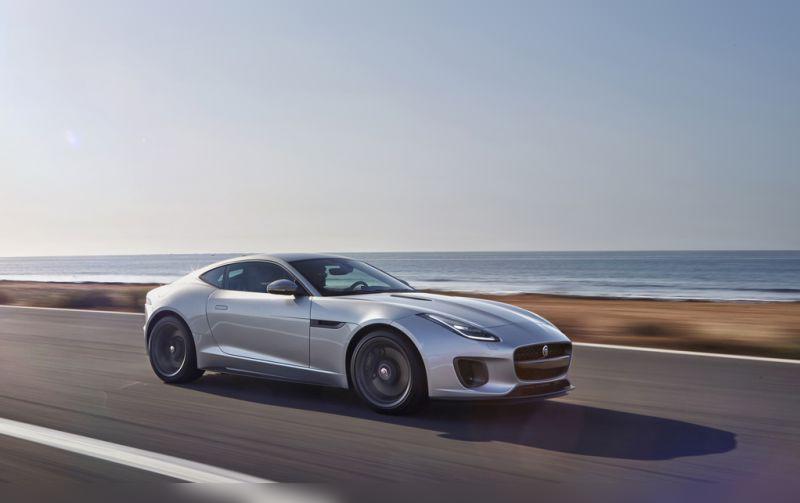
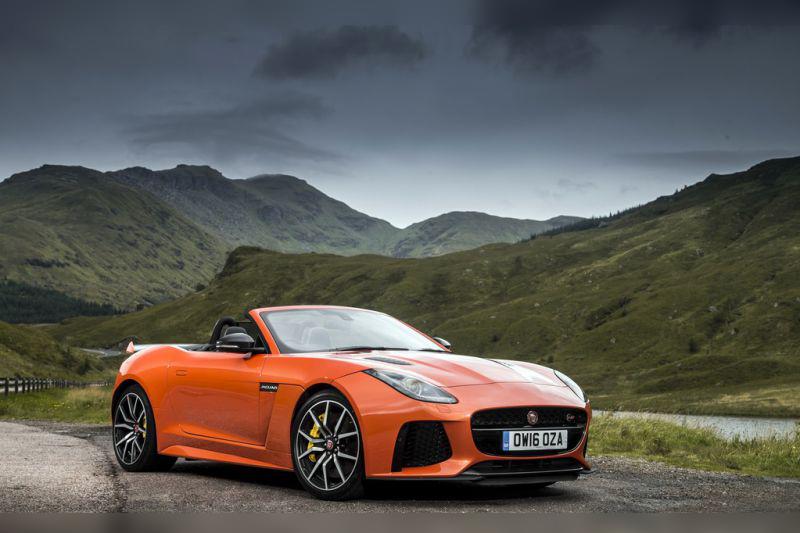
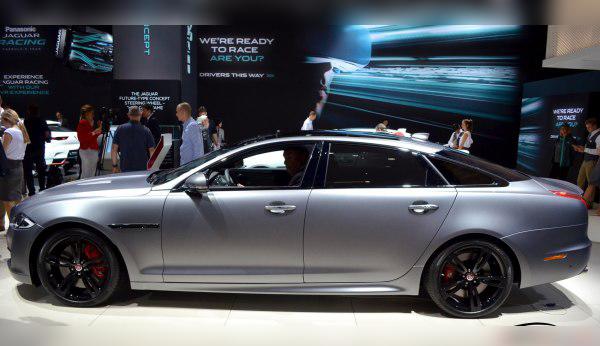
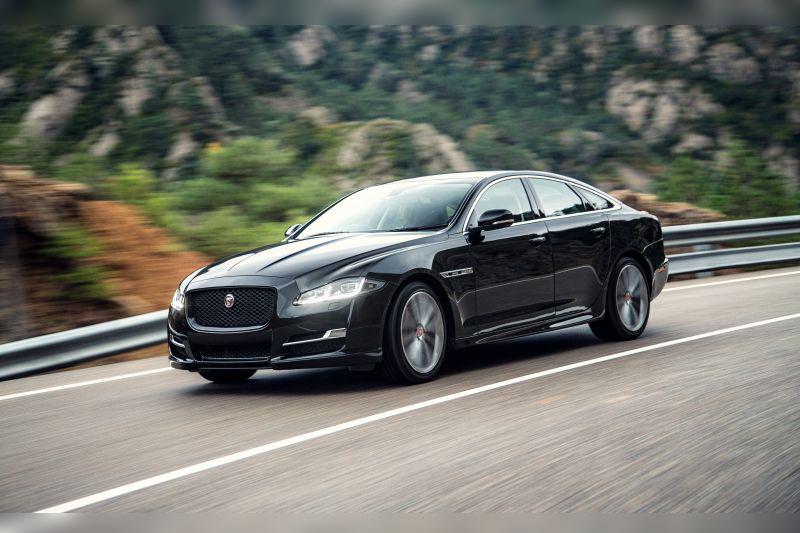
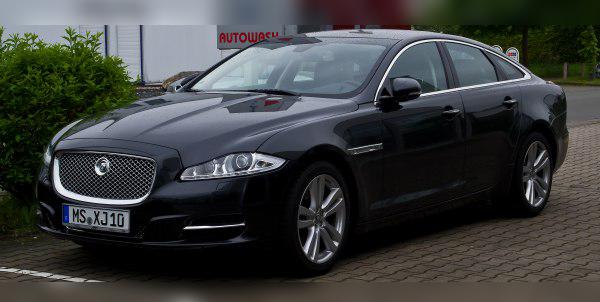
The engine with the code name 508PS is the crown of engineering by the Jaguar Land Rover (JLR) group. It is a monumental 5.0‑liter V8 unit which in this specification delivers 550 HP (405 kW) and an impressive 680 Nm of torque. This engine is reserved exclusively for top “flagship” models with R and SVR badges. Whether it sits in an elegant Jaguar XJ, a brutal F‑Type coupé, or heavy artillery like the Range Rover Sport SVR, this V8 brings breath‑taking performance.
Although some catalogues and databases list this engine as using twin‑turbo technology, seasoned JLR enthusiasts know that the heart of this monster is actually a mechanical supercharger mounted right in the “V” of the engine, between the cylinder banks. It provides instant throttle response with no so‑called turbo lag, which defines its unique character.
Technical specifications
| Specification | Data |
|---|---|
| Name / Engine code | 508PS (AJ133 Gen III V8) |
| Engine displacement | 4999 cc |
| Power | 405 kW (550 HP) |
| Torque | 680 Nm |
| Fuel type | Petrol (Gasoline) |
| Injection type | Direct fuel injection (GDI) |
| Forced induction | Supercharger (Eaton TVS) / Often listed as twin‑turbo |
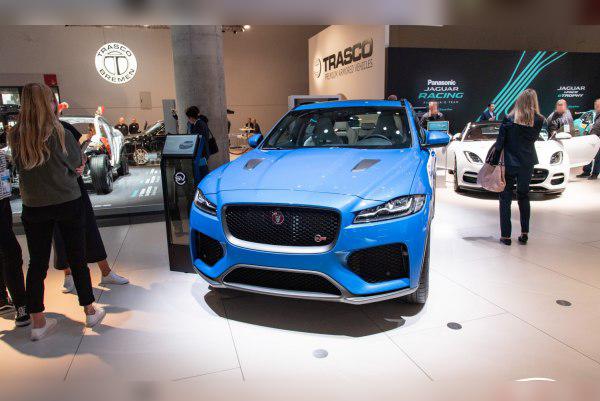
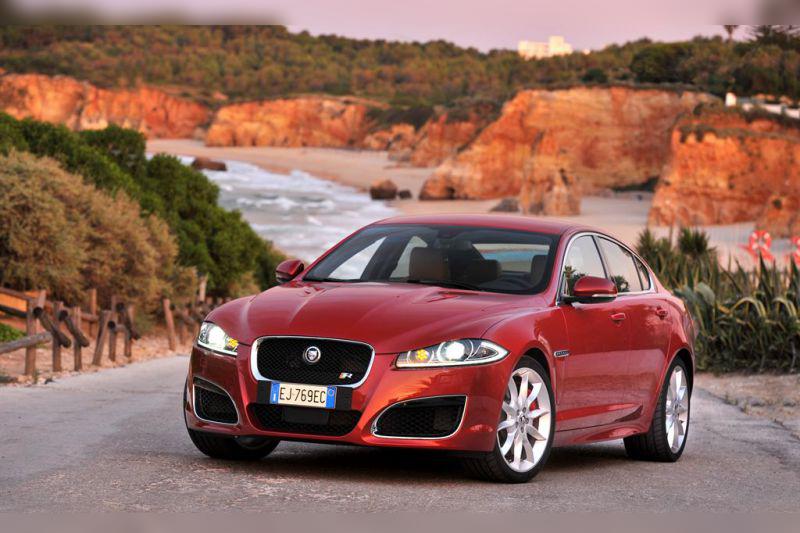
| Installed in models | Jaguar F‑Type R, F‑Pace SVR, XF R‑S, XJ R, Range Rover Sport SVR, Velar SVAutobiography (various AWD and RWD versions) |
Reliability, maintenance and common failures
When it comes to the timing system, the 508PS uses a timing chain. On earlier generations of JLR 5.0 engines the chain and its tensioners were a serious weak point. Fortunately, in the 550 HP versions (which are mostly newer), the guides and tensioners were significantly improved. Still, a major timing service (replacement of the complete timing chain set) is usually recommended at an interval between 150,000 and 180,000 km. A rattling noise on cold start lasting longer than two seconds is a clear symptom that the chain is stretched or that the tensioner is not maintaining oil pressure. The cost of this major service is very high: from 2,000 to 4,500 EUR (depending on the market), as it requires engine removal or serious disassembly of the front end.
Most common cooling issues and water pump failures
This is by far the biggest problem with this engine. The V8 generates a huge amount of heat. The water pump is extremely prone to failure; the bearings wear out and the pump starts leaking, often as early as 80,000 km. The driver will notice a slight drop in coolant level and a specific sweet smell under the bonnet. An even worse issue are the plastic coolant pipes (the so‑called Y‑pipe and crossover pipes) located under the supercharger itself. Over time the plastic “bakes” from engine heat, becomes brittle and cracks. If a pipe bursts while driving, the engine loses coolant in seconds, which leads to overheating and total engine failure (warped aluminium block and heads). That’s why experienced mechanics recommend preventive replacement of these plastic pipes with new, reinforced (often aluminium aftermarket) versions every 80,000 to 100,000 km.
Engine oil and spark plugs
This huge V8 takes about 7.25 liters of engine oil. JLR strictly prescribes the use of 5W‑20 or 0W‑20 oil (most often Castrol Edge Professional) that meets specific factory standards for these engines. Does the engine consume oil? Yes. Due to forged components and high operating temperatures, consumption of 0.5 to 1 liter of oil per 5,000 km is considered normal factory tolerance. However, if the engine emits blue smoke from the exhaust, the problem may be worn valve stem seals or a clogged oil separator (PCV valve).
As for the spark plugs, for trouble‑free operation, avoiding misfires and maintaining optimal performance, replacement is recommended at around 80,000 km, while with spirited driving or tuning it is advisable to change them every 50,000 km.
Specific parts and costs
Supercharger and forced‑induction system
As explained, the engine uses a Roots‑type supercharger made by Eaton (TVS R150). The supercharger itself has an excellent service life, but one part is extremely problematic: the supercharger snout isolator. From the factory, the isolator uses a spring that develops play over time. The symptom is a marble‑grinding‑like noise at idle coming from the top of the engine. The solution is not to replace the entire supercharger, but to rebuild it and install a solid isolator. The cost of this repair ranges from 500 to 1,000 EUR (depending on the market).
Fuel injection and emissions
The engine uses a direct injection system. Fuel is injected under high pressure directly into the cylinders, which means the valves are not “washed” by petrol. Because of this, carbon deposits build up on the intake valves over time, restricting airflow, causing hesitation while driving and a loss of power. It is recommended to decarbonize the intake ports every 80,000 to 100,000 km (so‑called walnut blasting). The injectors are generally durable, but can become problematic due to poor fuel quality, and their replacement is expensive: from 200 to 400 EUR per piece (depending on the market).
Since this is a petrol engine, it does not have a DPF filter or AdBlue system, so you are spared the diesel‑emissions nightmare. Older models do not have a GPF (gasoline particulate filter) either, but on newer versions (after 2018 and the introduction of stricter Euro standards) it may be present and sometimes requires driving on open roads to regenerate.
Fuel consumption and performance
Do not fool yourself – a 5.0 V8 and fuel economy do not belong in the same sentence. In city driving, real‑world consumption ranges between 18 and 25 l/100 km, depending on how heavy your right foot is and how bad the traffic is. Due to the enormous displacement, the engine “drinks” as soon as it is started.
Is the engine “lazy” for the weight of the body? Absolutely not! With 550 horsepower, this engine turns even the massive Range Rover Sport (weighing over 2.3 tons) into a serious athlete, with 0–100 km/h in about 4.5 seconds. In the lighter Jaguar F‑Type, performance is in supercar territory, with violent acceleration that pins you to the seat.
On the motorway, at 130 km/h, thanks to the phenomenal eight‑speed gearbox, the engine cruises in eighth gear at just 1,800 to 2,000 rpm. In these conditions, fuel consumption can drop to a quite acceptable 10 to 12 l/100 km.
Extras, LPG and tuning
LPG conversion
LPG installation is absolutely not recommended! This is a direct‑injection engine that operates at very high temperatures under supercharger pressure. Installing and calibrating an LPG system for such a V8 would be extremely complicated, extremely expensive (it would require a liquid‑injection LPG system or a complex system of additional petrol injection to cool the injectors), and the risk of melting pistons and destroying the engine is enormous. You simply do not convert this kind of car to LPG.
Chip tuning (remapping)
The stock 550 HP is already brutal, but this engine is an excellent platform for modifications. A standard Stage 1 software remap safely raises power to around 590 to 600 HP. If you opt for a smaller supercharger pulley (the so‑called pulley upgrade) together with the software, power jumps to an impressive 620 to 640 HP with a noticeable increase in low‑end torque. The engine can handle this boost pressure without issues, but oil and spark plug service intervals must be cut in half.
Gearbox and power delivery
This gem of an engine is paired exclusively with automatic gearboxes, specifically the excellent ZF 8HP70 or 8HP76 (eight‑speed automatic), while some older versions use six‑speed automatics (less common, most 550 HP cars are eight‑speed). A manual gearbox was never offered for the 550 HP version because very few manual transmissions in production can reliably handle 680 Nm of torque without costing a small fortune.
Since this is a conventional automatic, it does not have a traditional dual‑mass flywheel with a clutch. Instead, power is transmitted via a hydraulic torque converter. As a result, there is no typical clutch‑replacement cost as with manual or dual‑clutch (DSG/DCT) gearboxes.
Most common gearbox issues: ZF gearboxes are known to be virtually indestructible if properly maintained. Occasional jerks when shifting from 1st to 2nd gear are usually a sign of worn‑out oil or dirty solenoids in the mechatronics unit. Although JLR claims that the gearbox oil is “sealed for life” (does not need changing), every experienced mechanic – and the gearbox manufacturer ZF itself – strongly recommends regular gearbox servicing with oil and filter (pan) replacement every 80,000 to 100,000 km. The cost of this service ranges from 350 to 600 EUR (depending on the market).
Buying used and Conclusion
Buying a used Jaguar or Range Rover with the 508PS V8 engine is not a decision to be made with your heart and the roar of the exhaust, but with a detailed analysis of the service history. What must you check?
- Cold start: Ask the seller not to start the car before you arrive. The first start will reveal the condition of the chain and tensioners (rattling for more than a few seconds) and the condition of the supercharger isolator (marble‑grinding noise at idle).
- Smell under the bonnet: As soon as the car warms up, lean over the engine bay. A sweet smell means there is a micro‑leak at the water pump or plastic coolant Y‑pipes. You must fix this immediately, otherwise you risk destroying the engine.
- Exhaust smoke: Blue smoke after idling for a long time or when you suddenly floor the throttle indicates oil burning and worn valve stem seals.
- Diagnostics: Reading all modules is mandatory to check misfire history and the condition of the catalytic converters.
Who is this engine for?
The 5.0 V8 (508PS) 550 HP engine is a masterpiece bought out of pure passion. It is brutally fast, sounds fantastic and offers a driving experience that is extremely rare today. However, it is intended for people who are prepared for high maintenance costs and who understand that a large supercharged V8 requires dedication and preventive care (especially regarding the cooling system). If you buy a car with a poor maintenance history, repairs can easily cost as much as half the value of the vehicle itself.