Ingenium 204DTA 2.0d Engine (240 hp): Experiences, Problems, Fuel Consumption and Buying Used
Key points (TL;DR)
- Exceptionally powerful and flexible diesel engine with 240 hp and 500 Nm, capable of easily moving heavy SUV bodies.
- Has a timing chain located at the rear of the engine, prone to stretching, which drastically increases maintenance costs.
- One of the major issues is diesel fuel mixing with engine oil (dilution) due to interrupted DPF regenerations in city driving.
- The bi-turbo system offers great performance but requires flawless lubrication and frequent servicing.
- A complex SCR (AdBlue) system and DPF filter often cause headaches if the car is not regularly driven on open roads.
- Maintenance is very expensive (Depends on the market), and repairs require trained mechanics and special tools.
Contents
- Introduction: Pride and Pain Point of the British Empire
- Technical Specifications
- Reliability and Maintenance: Chain, Oil and Service Intervals
- Specific Components and Costs: Bi-turbo, DPF, EGR and AdBlue
- Fuel Consumption and Performance: City, Highway and Body Weight
- Additional Options and Modifications: Should You Tune the Ingenium?
- Transmission and Drivetrain: Automatic Rules
- Buying Used and Conclusion
Introduction: Pride and Pain Point of the British Empire
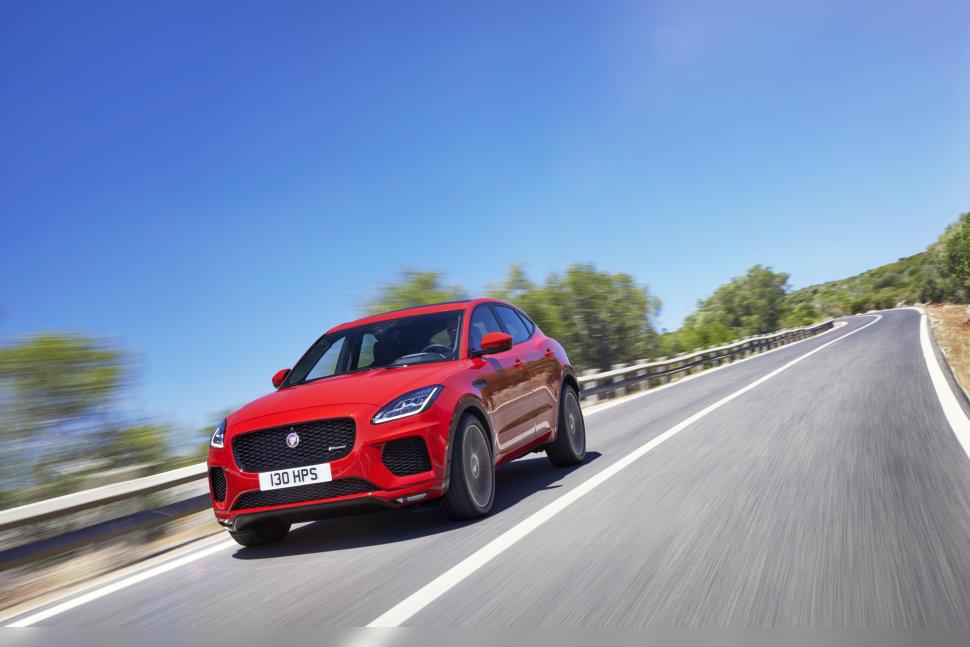
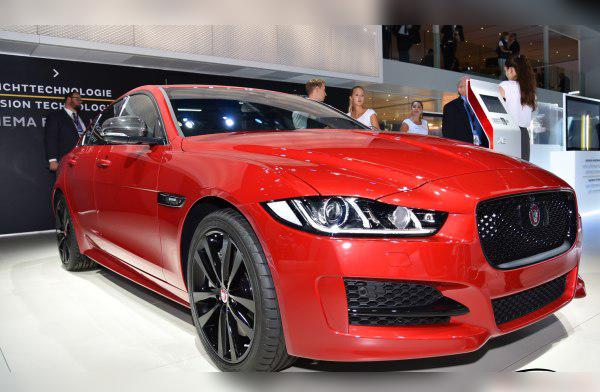
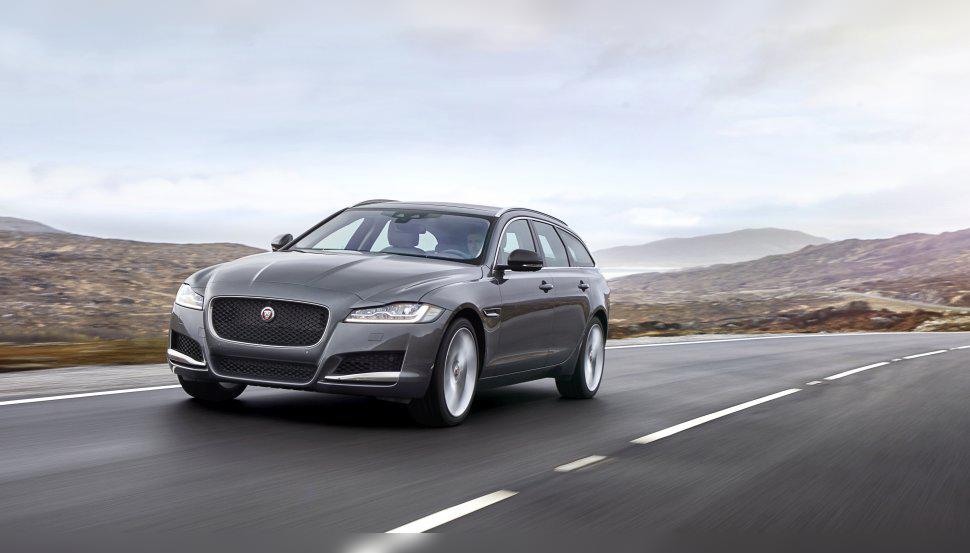
When Jaguar Land Rover (JLR) decided to end its cooperation with Ford and the PSA group, a completely new modular engine family called Ingenium saw the light of day. The focus of today’s text is the most powerful two-liter diesel variant designated 204DTA. With an impressive 240 hp and 500 Nm of torque, this engine was tasked with powering almost the entire range of the British manufacturer – from elegant sedans such as the Jaguar XE and XF, to massive seven-seat SUVs like the Land Rover Discovery V.
On paper, this powerplant is an engineering marvel, designed to deliver V6 performance with four-cylinder fuel consumption. However, real-world use on European roads has shown that high technology comes with serious compromises in terms of reliability and running costs.
Technical Specifications
| Parameter | Data |
|---|---|
| Engine displacement | 1999 cc |
| Power | 177 kW (240 hp) |
| Torque | 500 Nm |
| Engine codes | 204DTA (Ingenium) |
| Injection type | Common Rail (Piezo injectors) |
| Charging system | Bi-turbo (two turbochargers, sequential), intercooler |
Reliability and Maintenance: Chain, Oil and Service Intervals
Timing chain and the “major service”
Unlike older engines that used a timing belt, the Ingenium 204DTA uses a timing chain. In theory, the chain should last as long as the engine itself, so a classic “major service” at factory intervals is not prescribed. In practice, things are very different. The chain is prone to stretching, and the guides to premature wear. The biggest problem for owners and mechanics is that the chain is located at the rear of the engine (facing the cabin). To replace it, it is often necessary to remove the entire engine from the vehicle or to dismount the gearbox, which makes labor extremely expensive. Chain replacement usually becomes necessary between 100,000 and 150,000 km, and the symptoms are clear rattling and metallic clatter on cold start. This procedure is very expensive (Depends on the market).
Oil capacity and the critical dilution issue
This engine holds around 7.25 liters of engine oil, and the only correct grade is 0W-30 that strictly meets the JLR specification (STJLR.03.5007). The real nightmare of this engine is not classic oil consumption, but the opposite – the oil level in the sump rising. Why does this happen? Due to the engine’s architecture and the way DPF regeneration is performed (by injecting additional diesel during the exhaust stroke), unburned diesel runs down the cylinder walls and ends up in the sump, diluting the engine oil. This leads to a drastic drop in lubricating properties, which destroys the crankshaft, bearings and turbochargers. It is normal for the engine not to consume oil or to consume a minimal amount, but if you notice the oil level on the dipstick rising, head to a workshop immediately!
Injectors and the fuel injection system
The injection system relies on sophisticated piezo injectors. Their service life is generally good and exceeds 200,000 km if quality fuel is used. Dirty fuel can destroy them earlier. Symptoms of bad injectors are rough idle, increased black smoke (which the DPF masks until it clogs) and higher fuel consumption. Since these are piezo injectors, refurbishment is often impossible or not cost-effective, so new ones must be purchased, which is expensive (Depends on the market).
Specific Components and Costs: Bi-turbo, DPF, EGR and AdBlue
Bi-turbo system: Performance at a price
The 240 hp rating of this two-liter engine comes primarily thanks to the sequential bi-turbo system (two turbochargers – a smaller one for low revs and a larger one for high revs). This eliminates “turbo lag” and provides constant thrust. Their lifespan largely depends on oil quality. If the aforementioned oil dilution with diesel occurs, the turbo shafts are left without adequate lubrication, which leads to catastrophic failure. Whistling under throttle and loss of power are the first symptoms. Replacing or refurbishing two turbos is very expensive (Depends on the market).
Eco systems: DPF, EGR and AdBlue
As an engine that meets strict Euro 6 standards, the 204DTA is equipped with a DPF filter, EGR valve and SCR catalyst with an AdBlue system. All three systems are very problematic if the vehicle is mostly driven in the city. The EGR valve gets clogged with soot and sticks, while the DPF filter fills up quickly due to the large amount of soot this highly stressed engine produces.
The AdBlue system has its own issues. The AdBlue pump and the heater in the tank often fail due to fluid crystallization. When the system reports a fault, the ECU allows only a certain number of kilometers before it completely blocks engine start. Repairing these components is expensive (Depends on the market), and regularly topping up with quality AdBlue fluid is mandatory.
Fuel Consumption and Performance: City, Highway and Body Weight
With a massive 500 Nm of torque, this engine is by no means sluggish, even in heavyweights like the Land Rover Discovery V (which weighs over two tons). The car pulls strongly from the bottom of the rev range thanks to the smaller turbocharger.
Real-world fuel consumption depends heavily on the body style. For sedans (Jaguar XE, XF), city consumption is around 7.5 to 9 l/100 km. However, in SUVs and off-road models (F-Pace, Discovery), due to high weight, wide tires and 4WD, city consumption easily ranges from 9.5 to over 11 l/100 km.
On the highway this engine really shines. Paired with modern eight- or nine-speed automatic transmissions, at 130 km/h the engine cruises at a very relaxed 1,800 to 2,000 rpm. At that point, fuel consumption is around 6.5 to 8 l/100 km (depending on the vehicle’s aerodynamics), cabin noise is minimal, and there is plenty of power in reserve for overtaking.
Additional Options and Modifications: Should You Tune the Ingenium?
When it comes to increasing power (Stage 1 chiptuning), there is potential. With software optimization, power can be raised from 240 hp to about 270 to 280 hp, and torque to an impressive 550 to 570 Nm. However, from a technical standpoint, this is not recommended. The stock 240 hp from a two-liter block already represents a huge thermal and mechanical load. Due to the inherent issues with the weaker chain, DPF and turbochargers, further increasing boost and injection pressure can greatly accelerate catastrophic failure. If you want more power, it is better to look for the 3.0 V6 diesel versions of these cars.
Transmission and Drivetrain: Automatic Rules
In the models listed in the specification, this engine comes exclusively with automatic transmissions (mostly with all-wheel drive – AWD). Depending on the engine layout (longitudinal or transverse), top-class gearboxes are used. For longitudinally mounted engines (Jaguar XE, XF, F-Pace) the proven ZF 8HP (eight-speed) is used. For transverse layouts (E-Pace, Evoque, Discovery Sport) a ZF nine-speed (or Aisin variant) is installed.
Since these are conventional automatic transmissions, these models do not have a classic dual-mass flywheel with a clutch disc as seen in manual gearboxes, but use a torque converter (hydrodynamic coupling).
The most common automatic transmission failures occur solely due to lack of maintenance. The car manufacturer often states that the transmission oil is “lifetime”, but this is an engineering misconception. The transmission manufacturer (ZF) strictly prescribes changing the oil and pan with filter every 80,000 to 100,000 km. If this is ignored, harsh shifting, jerks when engaging “D” or “R”, and even complete mechatronic failure can occur, and its refurbishment is expensive (Depends on the market).
Buying Used and Conclusion
What to check before buying?
Buying a used car with the 204DTA engine requires a cool head and a top-notch mechanic with diagnostics by your side:
- Cold start: The engine must be completely cold when you arrive. Listen carefully to the rear of the engine. Any “scraping” sound or metallic rattling means the chain is due for replacement.
- Oil level and smell: Pull out the dipstick. If the level is above maximum and there is a strong smell of diesel, walk away from that car. The oil is diluted and the engine has already suffered wear.
- Diagnostics: Be sure to check DPF saturation and injector condition via live diagnostics while driving. Check the fault history related to the AdBlue system.
- Oil leaks: Bi-turbo systems are known to weep oil around intercooler hoses, so thoroughly inspect the engine bay from below by removing the undertray.
Conclusion
The Ingenium 204DTA (240 hp) engine is a double-edged sword. On the road it is fantastic: powerful, quiet on the highway, perfectly matched with the automatic transmission and extremely capable of hauling heavy premium SUVs. On the other hand, it is not designed for city driving and does not forgive poor maintenance.
Who is it for? This engine is ideal for managers, business people and families who cover thousands of kilometers per month on open roads and have the budget for regular preventive maintenance at specialists. If you need a car for stop-and-go city driving from one traffic light to the next, skip this engine, because problems with the DPF, chain and oil dilution will lead to serious financial costs.