Experiences, issues and tips for buying used: WLAA 2.5 TDCi/TD engine (143 hp)
- Durable workhorse: The engine is designed for off-road and work vehicles, offering excellent torque at low revs.
- Power transmission: Uses a timing belt, which requires regular major services.
- Injection system: Reliable Common Rail, but the injector copper washers are a weak point that can lead to serious failures if neglected.
- Emissions: Earlier models do not have a DPF, but the EGR valve is prone to severe carbon build-up. There is no AdBlue system.
- Gearbox and drivetrain: Versions with a manual gearbox have a dual-mass flywheel whose replacement can be expensive.
- Fuel consumption: Due to the heavy body and poor aerodynamics, do not expect good fuel economy in city driving (often exceeds 11 l/100 km).
- Conclusion: An excellent choice for towing and off-road driving, but it requires meticulous maintenance of the lubrication and injection systems.
Contents
- Introduction: Get to know the WLAA engine
- Technical specifications
- Reliability and maintenance
- Specific parts and costs
- Fuel consumption and performance
- Additional options and modifications
- Gearbox and drivetrain
- Buying used and conclusion
Introduction: Get to know the WLAA engine
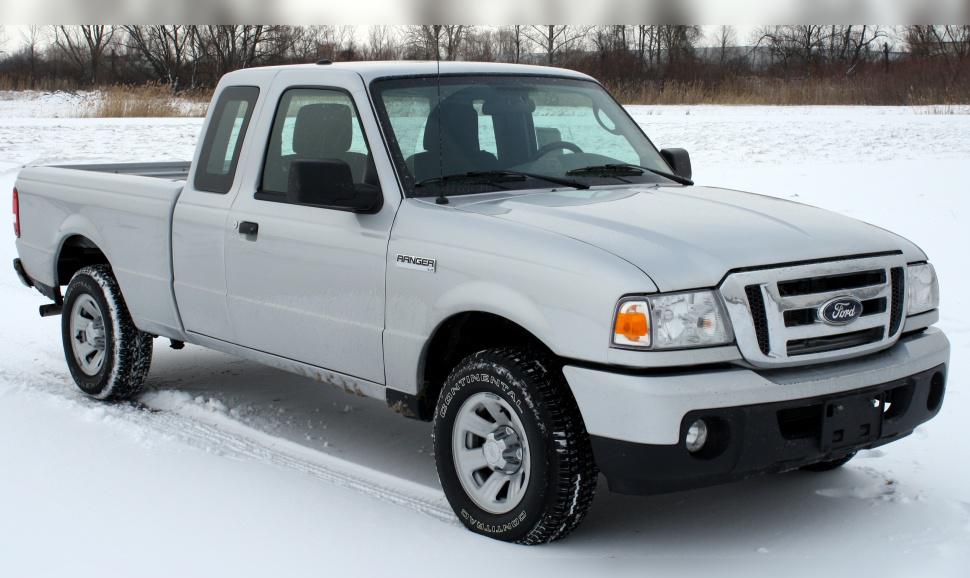
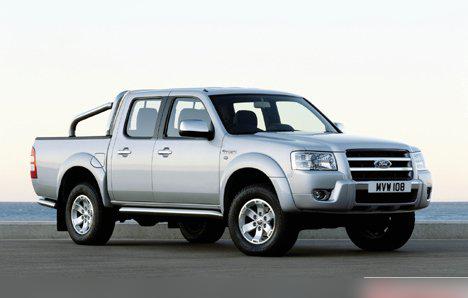
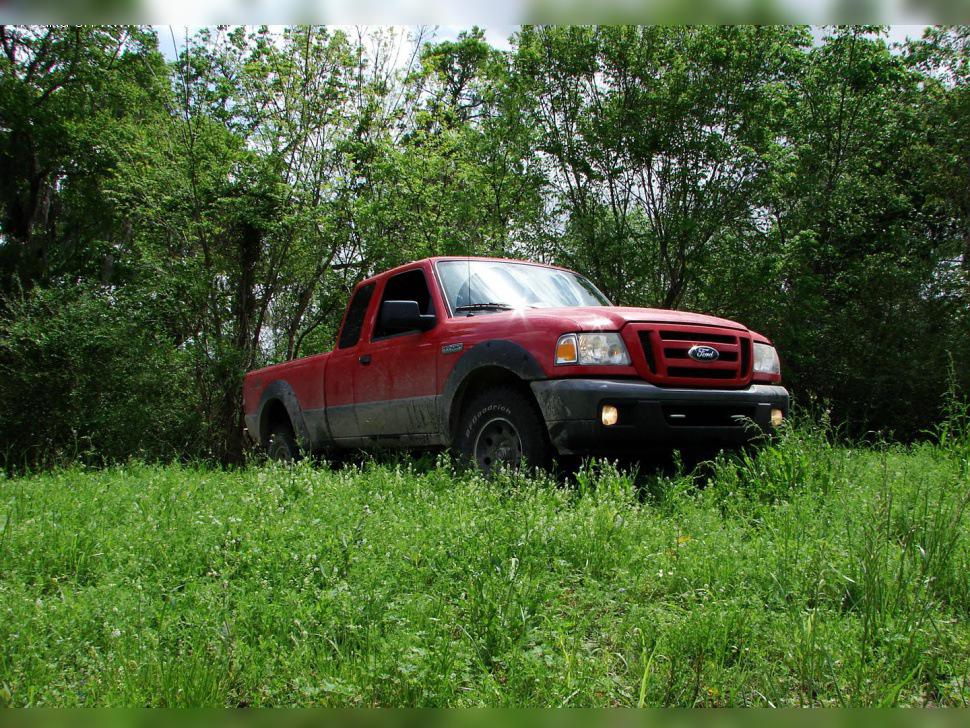
The engine designated as WLAA (also known as WL-C in Mazda) is a robust 2.5‑liter turbo‑diesel unit with direct Common Rail injection. It was primarily installed in work vehicles and pickups, mainly in the Ford Ranger II and Mazda BT-50 I from 2006 to 2011 (including facelift versions). With its 143 hp and generous 330 Nm of torque, this is a typical “workhorse” – an engine designed to pull loads and tackle tough terrain, not to break speed records. Due to its wide application, it has become very well known among mechanics across Europe, and its longevity depends directly on regular and proper maintenance.
Technical specifications
| Specification | Data |
|---|---|
| Displacement | 2499 cc |
| Power | 105 kW (143 hp) |
| Torque | 330 Nm |
| Engine codes | WLAA (Ford) / WL-C (Mazda) |
| Injection type | Common Rail (direct injection) |
| Charging system | Variable-geometry turbocharger (VGT), intercooler |
Reliability and maintenance
Timing belt and major service
This unit uses a timing belt to drive the camshaft (while certain internal gears in the block are connected to the high‑pressure pump). The recommendation is to perform a major service at a maximum of 100,000 km or every 5 years. A snapped belt on this engine leads to catastrophic damage to the valves and cylinder head. During a major service, the tensioners, idler pulleys and water pump must always be replaced.
Lubrication system and oil consumption
The engine takes about 7.0 to 7.5 liters of oil (with filter replacement). The factory recommendation is synthetic oil of grade 5W-30 that meets Ford WSS-M2C913-C specifications (or equivalent Mazda standards). Normal oil consumption is minimal, up to 0.5 liters per 10,000 km. If you notice that the engine consumes significantly more, the problem usually lies in a worn turbo (oil passes into the intake) or worn piston rings due to heavy use.
Most common failures and “hidden” issues
The biggest and most notorious problem with this engine (and its Mazda MZR-CD relatives) are the copper injector washers. Over time these washers lose their seal and burn through, allowing hot exhaust gases to enter the space under the valve cover. Symptoms include: the appearance of thick black soot in the engine oil and a characteristic “hissing” sound around the injectors. This soot mixes with the oil, thickens it and clogs the oil pump strainer in the sump. When the strainer becomes clogged, the engine loses oil pressure and the crankshaft and bearings seize. That is why experienced mechanics recommend preventive replacement of the injector washers every 60,000 to 80,000 km and mandatory cleaning of the sump strainer.
Specific parts and costs
Injectors and injection system
The Common Rail system (most often Bosch components) is extremely reliable provided you use quality fuel. Injectors usually last between 200,000 and 250,000 km. When they wear out, symptoms include hard starting (especially in winter), rough idle, increased black smoke from the exhaust and loss of power. Reconditioning injectors costs around 100–150 EUR per piece, while new ones are significantly more expensive (depends on the market).
Turbocharger
The variable-geometry turbocharger (VGT) provides excellent low‑end torque. Its service life is generally over 200,000 km, but it is very sensitive to oil quality. If the oil is changed infrequently (over 15,000 km) or if the sump strainer is partially clogged, the turbo bearings are the first to fail due to poor lubrication. Turbocharger overhaul typically costs 250 to 400 EUR (depending on the market).
EGR, DPF and AdBlue
The EGR valve is quite problematic. Due to frequent low‑rev driving and heavy loads, the valve quickly clogs with soot. The driver will notice that the vehicle feels “sluggish” when accelerating and produces black smoke. Cleaning solves the problem only temporarily, so many owners opt for software deactivation.
As for the DPF filter (diesel particulate filter), the situation depends on the year of manufacture and target market. Early models (Euro 4) generally do not have a DPF, while later ones (after 2009 in specific European countries) do. If the vehicle has a DPF and is driven exclusively in the city, it will clog quickly. This must be checked by VIN before purchase.
This engine does not have an AdBlue system, as it belongs to an older generation of emission standards, which is one less thing for owners to worry about.
Fuel consumption and performance
Is the engine “lazy”?
With 143 hp and 330 Nm, the WLAA engine is no athlete. The Ford Ranger and Mazda BT-50 weigh close to two tons empty. The engine is very strong “from the bottom”, easily pulling away even when fully loaded or with a heavy trailer. However, at higher revs it quickly runs out of breath. It is not ideal for sudden overtakes on short stretches, but for everyday and off‑road driving it has more than enough power.
Real‑world consumption and highway cruising
The aerodynamics of these vehicles are brick‑like, and the engine itself is not of the latest generation, which takes its toll on fuel consumption:
- City driving: 11.0 to 13.0 l/100 km.
- Country roads: 8.0 to 9.0 l/100 km.
On the highway at 130 km/h, due to somewhat shorter gear ratios, the engine runs at about 2600–2800 rpm. The cabin becomes quite noisy and fuel consumption jumps to over 12 l/100 km. This vehicle feels best on country roads and off‑road; sustained speeds above 110 km/h do not suit it in the long run.
Additional options and modifications
As a classic turbo‑diesel, the WLAA responds very well to software tuning. A safe Stage 1 remap can raise power from 143 hp to about 170–175 hp, while torque increases from 330 Nm to 380–400 Nm. This modification is highly recommended for those who often tow heavy trailers, as it gives the vehicle noticeably better throttle response. However, keep in mind that the higher torque puts additional stress on the clutch and dual‑mass flywheel.
Gearbox and drivetrain
Manual gearbox and dual‑mass flywheel
The standard option is a 5‑speed manual gearbox. It is very rough, with long gear lever throws – a true truck‑like feel. The most common issues include worn third‑gear synchros (grinding when shifting). What you need to know is that versions with a manual gearbox have a dual‑mass flywheel. Due to the vehicle’s high weight, the flywheel is under enormous stress. Symptoms of a worn flywheel include strong vibrations when starting/stopping the engine, jerks when pulling away and rattling at idle. Replacing the clutch kit and dual‑mass flywheel is quite an expensive job, typically between 600 and 1000 EUR (depending on the market).
Automatic gearbox
The alternative is a 5‑speed automatic gearbox (traditional torque‑converter type). It largely kills the engine’s initial punch and increases city fuel consumption by about 1 to 1.5 l/100 km, but it is fantastic for relaxed driving and off‑road use, as it eliminates the risk of burning the clutch in mud. The automatic does not have a dual‑mass flywheel. The biggest enemies of this gearbox are dirty oil and overheating if a trailer is towed uphill for too long. Servicing and oil changes in the automatic must be done every 60,000 km. If the gearbox jerks when shifting from first to second, it is usually due to dirty solenoids or worn clutch packs.
Buying used and conclusion
What to check before buying?
If you are considering buying a Ford Ranger or Mazda BT-50 with the 2.5 TDCi/TD (WLAA) engine, focus on the following:
- Smoke from the oil filler cap: Unscrew the cap while the engine is running. If thick white smoke or fine oil droplets mixed with soot are forced out under pressure, this is a clear sign that the injector washers have failed and the oil is contaminated. This is a red flag.
- Cold idle behavior: Ask the seller not to start the vehicle before you arrive. A cold start will reveal the condition of the injectors and glow plugs. The engine should start “on half a turn” without clouds of blue or black smoke.
- Clutch check: On manuals, listen for noises around the gearbox at idle. If you hear rattling that disappears when you press the clutch pedal, the dual‑mass flywheel needs replacing.
- Signs of leaks around the turbo and intake: Oily intercooler hoses are a sign that the turbo is starting to pass oil.
Conclusion
The WLAA 2.5 TDCi engine is an “old‑school” workhorse. It is not refined, it is quite noisy and not economical in the city. However, if you are looking for a vehicle for fields, construction sites, forests or trailer towing, this engine will serve you faithfully provided you change the oil strictly on time, keep an eye on the injector washers and regularly clean the sump strainer. Maintenance is not the cheapest, especially when the time comes to replace the dual‑mass flywheel, but considering what this unit can endure in real‑world use, the costs are justified.