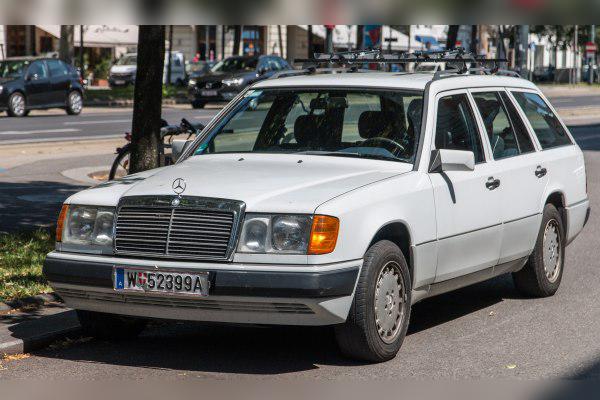
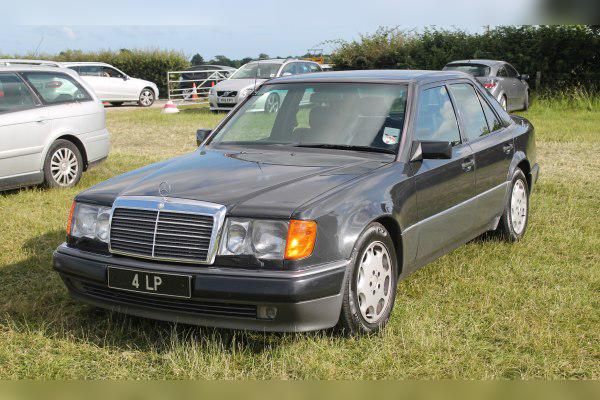
Mercedes M 111 E 20 (111.940) – Experiences, issues, fuel consumption and used-car buying tips
- Old-school engine: Extremely long-lasting unit, often easily surpasses 500,000 km without major issues.
- Drive: Uses a reliable timing chain, so forget about classic “major services”.
- Main weakness: The notorious “eco-wiring” (biodegradable engine wiring loom) that crumbles from heat and destroys the ECU.
- Fuel consumption: Quite “thirsty” in the city (11–13 l/100 km), but an ideal candidate for LPG (autogas) conversion.
- Driving dynamics: The engine feels sluggish in heavy bodies like the W124, especially combined with the old automatic gearbox. It’s not for racing, it’s for cruising.
- Maintenance: Mechanical parts are not expensive, but specific sensors and engine wiring looms can be a serious hit to the wallet (depends on the market).
Contents
- Introduction: A nineties icon
- Technical specifications
- Reliability, maintenance and common failures
- Specific parts and costs
- Fuel consumption and performance
- Extras, LPG and modifications
- Gearbox and drivetrain
- Buying used and conclusion
Introduction: A nineties icon
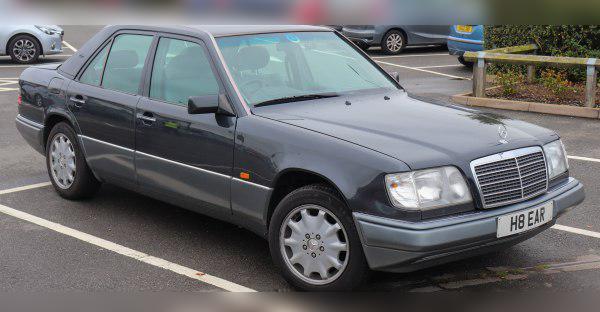
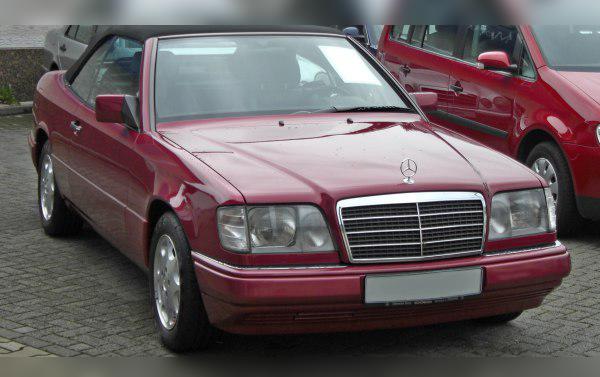
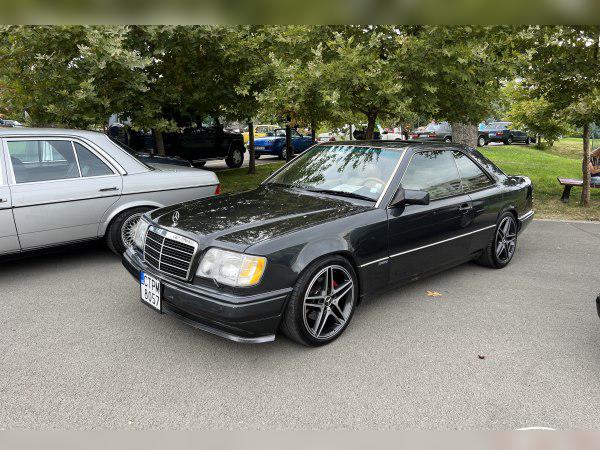
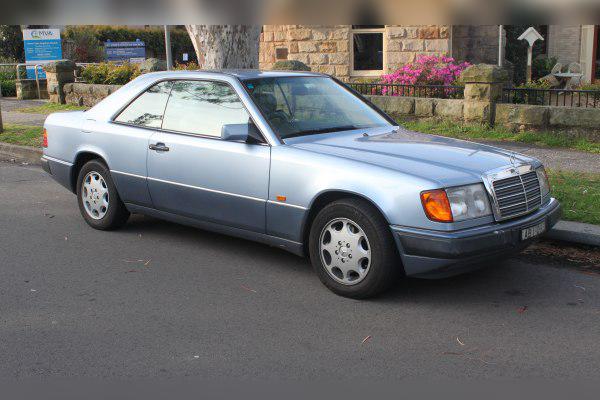
The M 111 E 20 engine, with the code 111.940, is one of the most important powerplants in the history of the Stuttgart brand. It was introduced in the early nineties to replace the outdated M102. It brought a more modern design with 16 valves, dual overhead camshafts and electronic fuel injection. This two‑liter petrol engine was the heart of the legendary W124 model (popularly known simply as the “124”), in all of its body styles: sedan, estate (S124), coupé (C124) and cabriolet (A124).
Today, the M 111 enjoys a reputation as an indestructible machine, but after more than three decades of use it requires attention in a few specific areas if you want it to keep serving you safely.
Technical specifications
| Specification | Data |
|---|---|
| Engine code | M 111.940 (M 111 E 20) |
| Engine displacement | 1998 cc |
| Engine power | 100 kW (136 hp) at 5500 rpm |
| Torque | 190 Nm at 4000 rpm |
| Injection type | Multi-point electronic (Bosch HFM or Siemens PMS) |
| Induction (Turbo/Naturally aspirated) | Naturally aspirated |
| Fuel | Petrol |
Reliability, maintenance and common failures
Timing chain or timing belt?
This engine uses a timing chain (double or single, depending on the exact production year and sub‑variant, but in most cases very robust). There is no classic major service at 60,000 or 100,000 km. The chain is designed to last as long as the engine itself, but in practice it should be inspected every 250,000 km. If you hear rattling on cold start that disappears after a few seconds when oil pressure builds up, that’s a clear sign that the chain and tensioners are stretched.
Most common failures and symptoms
Although the mechanical side is “bulletproof”, the engine peripherals start to fail after 30 years. Here’s what to expect:
- Biodegradable wiring (eco‑loom): The biggest and most expensive weakness of this engine. During the nineties, the manufacturer used wire insulation that, over time and under engine heat, crumbles and flakes off. Symptoms: Engine misfires, runs on three cylinders, stalls while driving. If the exposed wires short out, they can instantly destroy the engine control unit (ECU). Replacing the engine wiring loom is absolutely mandatory if it hasn’t been done already, and it’s quite expensive (depends on the market).
- Cylinder head gasket: A characteristic issue of M111 engines is oil leakage at the rear right corner of the cylinder head (viewed from the front towards the windscreen). Owners often ignore this for years, but if oil starts mixing with coolant (sludge on the oil cap, oily coolant), replacing the head gasket and skimming the head becomes unavoidable.
- Throttle body and MAF sensor: Dirt buildup and wear of the throttle body or failure of the mass air flow (MAF) sensor lead to rough idle, unstable revs (the engine “hunting” up and down) and increased fuel consumption.
- Water pump: Coolant leaks around the water pump are common after about 100,000 km. It’s an easy and relatively inexpensive fix.
Minor service, oil and spark plugs
The sump of this engine holds around 5.5 liters of oil. Due to its older design, the ideal viscosity is 10W‑40 semi‑synthetic (or a quality 5W‑40 if the engine is in perfect condition). Do a minor service every 10,000 km or once a year.
Oil consumption: On a healthy engine it’s minimal. The manufacturer still allows up to 0.5 liters per 1,000 km under heavy load. If the engine “drinks” more than one liter per 2,000 km, the usual culprits are valve stem seals (they harden with age) rather than the piston rings.
Spark plugs: Since this is a petrol engine with an older‑type ignition system, copper spark plugs should be replaced every 30,000 to 40,000 km. Don’t skimp on the quality of ignition leads and coils.
Specific parts and costs
Fuel injection system and injectors
The engine uses electronic multi‑point fuel injection into the intake manifold. The petrol injectors themselves are incredibly robust. If they get clogged (due to poor‑quality fuel or neglect after LPG installation), ultrasonic cleaning is usually enough. Mechanical failure is rare.
EGR, DPF, turbo and AdBlue?
Good news for your wallet: this is an old‑school naturally aspirated petrol engine! There is no turbocharger, no DPF filter, no modern and problematic EGR valve typical of diesels, and no complicated AdBlue system. There’s nothing to clog up and force the engine into limp mode because of city driving.
Fuel consumption and performance
Real‑world fuel consumption
Expecting fuel efficiency from this engine in a heavy nineties saloon is unrealistic. In pure city driving, real‑world consumption is between 11 and 13 l/100 km. On country roads it can drop to 7.5–8.5 liters, while on the motorway it uses around 9–10 liters, depending on the gearbox.
Performance and driving characteristics
With 136 hp and only 190 Nm of torque, this engine feels rather “lazy” in a 1.4–1.5‑ton body. If you drive it in the S124 (estate) version under load, overtaking on uphill sections requires careful planning and shifting down.
On the motorway: The engine is stable, but due to the older gearbox ratios (especially with the 4‑speed automatic), at 130 km/h the crankshaft speed will be above 3500 rpm. This results in slightly elevated cabin noise compared to modern standards, but the mechanicals can handle it without any issues.
Extras, LPG and modifications
LPG (autogas) conversion
This is a perfect engine for LPG conversion! Because of its high petrol consumption, a sequential LPG system pays for itself very quickly. The valves and valve seats are sufficiently durable, so the engine copes very well with LPG combustion. It’s only important to change spark plugs regularly and not let the petrol tank run completely dry, to avoid burning out the fuel pump.
Chip tuning (Stage 1)
Give it a wide berth. Chipping a naturally aspirated petrol engine from this era is a waste of money. Any power gain will be under 10 hp, which you won’t feel in a heavy car. Leave the engine in its factory settings.
Gearbox and drivetrain
Manual and automatic gearboxes
The W124 models with this engine were most commonly fitted with:
- 5‑speed manual gearbox: Robust, but over the years the synchros for first and second gear wear out, so engaging gears, especially when the oil is cold, becomes quite stiff and notchy. The shift linkages also develop play.
- 4‑speed automatic gearbox (the famous 722.4): An indestructible old‑school hydraulic automatic. Failures usually occur due to lack of oil or a failing vacuum modulator. Symptoms: Harsh, sharp jolts when changing gears (“kicking”) or rev flare/slipping.
Dual‑mass flywheel and clutch
This is important: most W124 M111 cars with a manual gearbox DO have a dual‑mass flywheel. It’s not as sensitive as on modern turbo diesels, but after 30 years and several hundred thousand kilometers it usually needs replacement. Symptoms are juddering when pulling away and vibrations at idle. Replacing the clutch kit and dual‑mass flywheel today is quite expensive compared to the current market value of the car itself (depends on the market).
Gearbox service
The gearbox oil must be changed. On manual gearboxes it’s advisable to change the oil every 3–4 years or 60,000 km, which drastically improves shift quality. On automatics, changing the oil, filter and pan gasket every 60,000 km is a prerequisite for a long and healthy service life.
Buying used and conclusion
What to check before buying?
- Engine wiring loom: Open the bonnet straight away and inspect the wiring bundle around the injectors and sensors. If the insulation cracks under your fingers, you’re looking at a serious repair bill.
- Oil tightness: Use a torch to inspect the rear of the engine near the firewall – is oil leaking onto the gearbox from the head gasket?
- Idle quality: Start the engine cold. It should idle smoothly. If the revs “saw” up and down, the throttle body or ECU (or the MAF sensor) is likely at fault.
- Cooling system: Check the coolant expansion tank; the presence of mayonnaise/emulsion indicates a blown head gasket.
Conclusion: Is this the right engine for you?
Mercedes’ M 111 E 20 (111.940) is a masterpiece of reliability, built in an era when engineers, not accountants, designed cars. It’s not meant for drivers who want sharp performance and low cruising fuel consumption. This engine is aimed at fans of classic Mercedes comfort, taxi drivers (especially on LPG) and people who want indestructible mechanics, provided that the engine wiring loom issue is dealt with straight away.